
Why Seeking Mental Help Matters Now More Than Ever
Mental help is available through multiple channels, and understanding your options is the first step toward recovery. Here’s how to access support quickly:
Immediate Help:
- Crisis: Call or text 988 for the Suicide & Crisis Lifeline (24/7, free, confidential)
- Emergency: Call 911 or visit your nearest ER for life-threatening situations
- Personalized Support: Call Drug Rehab Headquarters at 866-720-3784 for treatment guidance
Finding Professional Care:
- Start with your primary care provider for referrals
- Check your insurance company’s provider directory
- Use SAMHSA’s treatment locator at FindTreatment.gov
- Contact Drug Rehab Headquarters at 866-720-3784 for personalized assistance
Types of Mental Help Available:
- Crisis hotlines and warmlines for immediate support
- Individual therapy (in-person or virtual)
- Medication management through psychiatrists
- Support groups and peer counseling
- Inpatient or outpatient treatment programs
Projections for 2025 indicate that over 60 million U.S. adults will experience some form of mental illness. Despite these staggering numbers, seeking help remains a sign of strength, not weakness.
The journey to wellness is unique. Relief can come from therapy, medication, or a combination of approaches. The key is finding what works for you and knowing where to look.
This guide provides clear steps to access support, whether you’re in crisis, struggling daily, or concerned about a loved one. You’ll learn about crisis resources, finding professionals, and specialized options for co-occurring substance use disorders.
At Drug Rehab Headquarters, we specialize in connecting individuals with comprehensive mental help and dual-diagnosis treatment for those facing both mental health and substance use challenges. Our experienced team provides confidential, compassionate guidance to residents across Alabama, Alaska, Arizona, Arkansas, California, Colorado, Connecticut, Delaware, Florida, Georgia, Hawaii, Idaho, Illinois, Indiana, Iowa, Kansas, Kentucky, Louisiana, Maine, Maryland, Massachusetts, Michigan, Minnesota, Mississippi, Missouri, Montana, Nebraska, Nevada, New Hampshire, New Jersey, New Mexico, New York, North Carolina, North Dakota, Ohio, Oklahoma, Oregon, Pennsylvania, Rhode Island, South Carolina, South Dakota, Tennessee, Texas, Utah, Vermont, Virginia, Washington, West Virginia, Wisconsin, Wyoming, and their families, helping them steer the path to recovery. Let’s explore the resources and strategies that can help you or your loved one find the right support.

Simple guide to mental help terms:
Immediate Crisis Support: What to Do When You Need Help Now
When facing a mental health crisis, immediate action is life-saving. Urgent help is available 24/7, providing a lifeline during intense distress, suicidal thoughts, or other emergencies. Never hesitate to reach out.
Here are the immediate steps someone should take if they or someone they know is in crisis:
-
If there is immediate danger or a life-threatening situation:
- Call 911 or Go to an Emergency Room. For any life-threatening medical or mental health emergency, such as an overdose or severe self-harm, calling 911 or going to the nearest emergency room is the fastest way to get critical assistance. Emergency services can provide immediate medical attention and ensure safety.
-
If you or someone you know is struggling emotionally or having suicidal thoughts:
- Call or Text 988. The 988 Suicide & Crisis Lifeline connects you instantly with a trained crisis counselor. This service is free, confidential, and available 24/7 across the United States. You can also chat online at 988lifeline.org. This is an invaluable resource for anyone in suicidal crisis or emotional distress.
- Text MHA to 741741. This connects you with a trained Crisis Counselor from Crisis Text Line. It’s a discreet way to get support when you might not feel comfortable speaking on the phone.
- Veterans Crisis Line. If you are a veteran or supporting one, you can call 988 and then press “1,” text 838255, or chat online with the Veterans Crisis Line. This 24-hour, confidential resource connects veterans with a trained responder and is available to all veterans and those who support them.
- Disaster Distress Helpline. For emotional distress related to a natural or human-caused disaster, call or text 1-800-985-5990. This helpline provides immediate crisis counseling.
-
If you observe concerning messages on social media:
- Many social media companies have dedicated safety teams that can intervene and connect individuals with help. Do not hesitate to report posts that suggest someone is in distress.
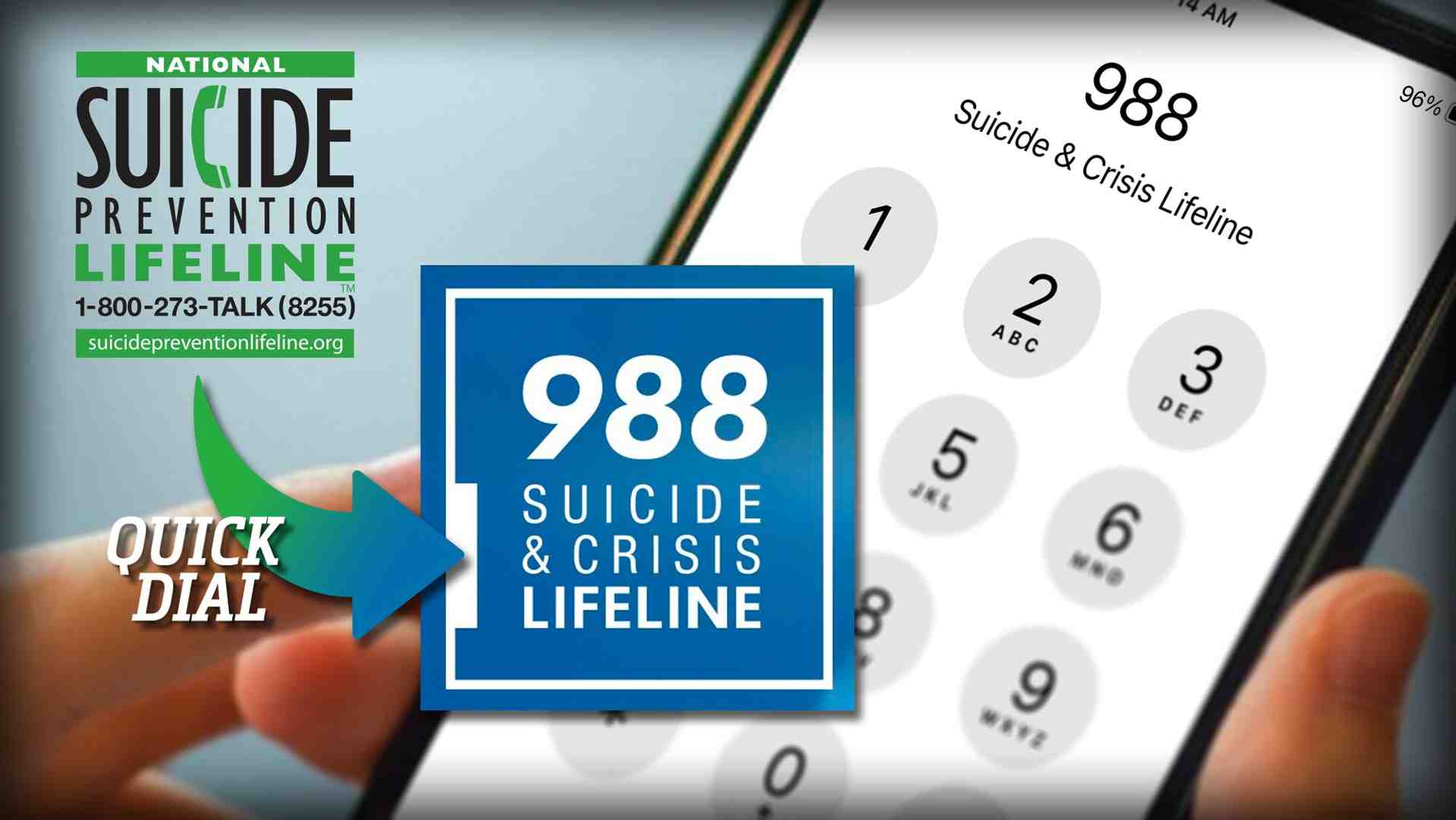
When you’re facing a crisis, navigating options can be overwhelming. For immediate help finding treatment options, especially for co-occurring mental health and substance use disorders, our team at Drug Rehab Headquarters is here to guide you. Call us at 866-720-3784 for personalized assistance.
Understanding Your Options for Mental Help
Recognizing the need for support is a courageous first step toward wellness. Various paths to finding mental help exist, and treatment is not one-size-fits-all. Exploring your options helps you find the right fit for your needs.
Recognizing the Signs You Might Need Support
Changes can be subtle, making it hard to know when to seek help. Paying attention to persistent shifts in well-being is crucial. Here are common signs that may indicate a need for professional mental help:
- Changes in behavior or mood: Experiencing persistent sadness, irritability, extreme mood swings, or a sense of hopelessness.
- Social withdrawal: Pulling away from friends, family, or activities you once enjoyed.
- Loss of interest in hobbies: No longer finding pleasure in activities that used to bring joy.
- Significant changes in sleep or appetite: Sleeping too much or too little, or experiencing drastic changes in eating habits.
- Difficulty concentrating: Struggling to focus, remember things, or make decisions.
- Feeling overwhelmed: A constant sense of being unable to cope with daily tasks or responsibilities.
- Increased substance use: Turning to alcohol or drugs to cope with difficult emotions.
- Physical symptoms without clear cause: Headaches, stomach aches, or chronic pain that don’t respond to medical treatment.
If you recognize these signs in yourself or a loved one, it’s a good time to consider reaching out for support. You can learn more about warning signs on our website.
Exploring Different Types of Mental Help
The spectrum of available mental health support is broad, designed to meet diverse needs, from immediate crisis intervention to long-term therapeutic care.
- Crisis Support: As discussed, 988 and Crisis Text Line provide immediate, short-term support during acute distress.
- Warmlines: These are distinct from crisis lines. Warmlines offer a place to call when you just need to talk to someone but are not in crisis. They are typically free, confidential, and often run by people with lived experience.
- Psychotherapy (Talk Therapy): This involves meeting with a mental health professional to discuss your thoughts, feelings, and behaviors. Common types include Cognitive Behavioral Therapy (CBT), Dialectical Behavior Therapy (DBT), and psychodynamic therapy. Therapy can be individual, group, or family-focused.
- Medication Management: A psychiatrist or other medical doctor can prescribe medications to help manage symptoms of mental health conditions, often in conjunction with therapy.
- Inpatient or Outpatient Programs:
- Inpatient programs provide 24/7 care in a hospital or residential setting for severe conditions.
- Outpatient programs allow individuals to live at home while attending regular therapy sessions and appointments.
- Support Groups: These are peer-led gatherings where individuals share their experiences and coping strategies. Organizations like NAMI (National Alliance on Mental Illness) offer various support groups.
- Holistic Therapies: These complementary approaches focus on overall well-being and may include mindfulness, yoga, or meditation, often used alongside traditional treatments.
The Benefits of Reaching Out
Seeking mental help is an investment in your overall health. The benefits are profound and can significantly improve your quality of life:
- Improved coping skills: Learning healthier ways to manage stress and difficult emotions.
- Improved self-awareness: Gaining a deeper understanding of your thoughts, feelings, and behaviors.
- Better management of symptoms: Reducing the intensity and frequency of mental health symptoms.
- Stronger relationships: Developing healthier communication patterns and fostering supportive connections.
- Increased resilience: Building the capacity to bounce back from adversity.
- Greater overall quality of life: Experiencing more joy, purpose, and satisfaction in daily living.
- Hope for the future: Rebuilding optimism and setting achievable goals.
How to Find the Right Mental Health Professional
Finding a mental health provider can feel daunting. However, several resources can simplify the process. The goal is to find a qualified professional you trust and feel comfortable with.
Where to Start Your Search
Starting the search can be overwhelming, so here is a list of reliable avenues:
- Primary Care Provider (PCP) Referral: Your family doctor is an excellent first point of contact. They can assess your symptoms and provide referrals to mental health specialists.
- Insurance Company Directory: Contact your health insurance provider or visit their website to find a list of in-network mental health professionals. This is crucial for managing costs.
- Employee Assistance Programs (EAPs): Many employers offer EAPs, which provide free, confidential counseling for a limited number of sessions and referrals to long-term care.
- University Health Centers: If you’re a student, your college or university health center often provides mental health services and referrals.
- Federal Resources:
- SAMHSA’s National Helpline and Online Locator: The Substance Abuse and Mental Health Services Administration offers a helpline (1-800-662-HELP (4357)) and an online locator, FindTreatment.gov, to find treatment facilities.
- Centers for Medicare & Medicaid Services (CMS): If you have Medicare, use their online tool to find providers.
- U.S. Department of Veterans Affairs (VA): Veterans can use the VA’s online tool to find VA locations.
- National Organizations: Organizations like NAMI (National Alliance on Mental Illness) or Mental Health America have resources to help you find local professionals. NAMI offers a local helpline directory.
- State and County Agencies: Your state’s Department of Mental Health website can provide lists of local services and clinics. For example, Tennessee has its Behavioral Health Safety Net (BHSN) program for eligible uninsured individuals, which includes a provider contact list.
To simplify your search for mental help, use Drug Rehab Headquarters’ treatment locator tool on our website, or call us at 866-720-3784 for personalized assistance. Our team can help you connect with suitable providers, including those specializing in co-occurring disorders.
Is This Provider the Right Fit for Me?
Finding a mental health provider is a personal process, and it’s okay to “shop around” until you find someone you connect with. The therapeutic alliance—the relationship between you and your therapist—is a key predictor of successful treatment.
We recommend preparing for your first appointment with a list of questions. This can help you determine if a provider is the right fit. Here are some essential questions to ask:
- What is your experience treating my specific concerns?
- What is your treatment approach or philosophy?
- What can I expect in a typical session?
- Do you accept my insurance, and what are your fees?
- How long might treatment last?
It’s important to have open communication with your provider. If you have concerns or feel treatment isn’t helping, talk to them. Never discontinue treatment without consulting your health care provider.
Specialized Resources and Support Systems
Support should be accessible to everyone. Custom resources are available for specific needs and populations, ensuring help is effective.
Support for Specific Communities
We understand that certain groups face unique challenges and require specialized mental help. Here’s where to find it:
- Veterans: Our veterans have served our country and deserve comprehensive mental health support. The Veterans Crisis Line is a vital resource. Access confidential support by calling 988 and pressing “1” for veterans, texting 838255, or chatting online. This service is available to all veterans and those who support them.
- Teens and Young Adults: This is a time of significant change, making young people vulnerable to mental health problems. Resources like the NAMI Teen & Young Adult HelpLine and school counselors provide crucial support. Positive mental health helps young adults steer transitions like college, the workforce, or starting a family.
- Uninsured Individuals: Lack of insurance should not be a barrier to mental help. Many community health centers offer free or low-cost services on a sliding scale. State programs also exist to bridge this gap. For instance, Tennessee’s Behavioral Health Safety Net (BHSN) program assists eligible individuals with a qualifying mental health diagnosis and no behavioral health insurance. To learn more about paying for treatment, resources like SAMHSA’s “How to Pay for Treatment” pages are invaluable.
For help navigating these options, call Drug Rehab Headquarters at 866-720-3784. Our team can connect you with programs and providers that align with your needs.
Self-Care Strategies for Daily Well-being

While professional mental help is crucial, self-care is the foundation of mental well-being. Small, consistent habits can make a big difference in your emotional health. Self-care is a proactive measure, not just a reaction to stress.
Here are some effective self-care strategies:
- Get Enough Sleep: Prioritize 7-9 hours of sleep per night. If possible, stick to a regular sleep schedule.
- Regular Physical Activity: Engage in activities you enjoy. Even moderate exercise can boost your mood and reduce stress.
- Mindful Breathing Exercises: Taking deep breaths can calm your mind and help you stay present.
- Healthy Diet: Nourish your body with balanced meals to support brain function and mood.
- Spending Time in Nature: If it’s safe, spend time outside to reduce stress and improve mood.
- Connecting with Loved Ones: Maintain strong social connections with friends, family, or support groups.
- Engage in Hobbies: Explore interests and hobbies to find a sense of purpose and joy.
- Limit Stressful Media: Take breaks from news or social media if it causes stress or anxiety.
- Practice Self-Compassion: Speak to yourself with kindness. Healing is not linear, so celebrate all successes.
How to Support a Loved One
Supporting someone with their mental health can be challenging but impactful. Your compassion can make a significant difference.
- Listen Without Judgment: Offer a safe space for them to express their feelings without interruption or advice.
- Offer to Help with Practical Tasks: Mental health struggles can make daily tasks overwhelming. Offer concrete help, like preparing meals or running errands.
- Encourage Them to Seek Professional Help: Gently suggest seeking professional mental help and offer to assist them in finding resources.
- Learn About Their Condition: Educate yourself about their mental health condition to offer more informed and empathetic support.
- Be Patient with the Recovery Process: Recovery is a journey with setbacks. Be patient and consistent.
- Take Care of Your Own Mental Health: Supporting a loved one can be draining. Practice self-care and seek support for yourself if needed.
Frequently Asked Questions about Finding Mental Help
Navigating mental healthcare can bring up many questions. Here are answers to some common ones.
Where can I find reliable information about mental health?
When seeking information about mental help and mental health conditions, rely on trusted, evidence-based sources. Misinformation can be harmful. Government agencies and national non-profits are excellent starting points, as they provide accurate, up-to-date information.
Here are some highly recommended sources:
- National Institute of Mental Health (NIMH): Visit nimh.nih.gov/health/find-help for research-based information on mental disorders and treatments.
- Substance Abuse and Mental Health Services Administration (SAMHSA): SAMHSA’s website provides a wealth of information on mental health and substance use disorders.
- Centers for Disease Control and Prevention (CDC): The CDC provides general information about mental health at cdc.gov/mental-health/about/index.html.
- National Alliance on Mental Illness (NAMI): NAMI’s website has extensive information on mental health conditions, warning signs, and treatment.
- Mental Health America (MHA): MHA’s website offers screening tools, information, and resources.
For more curated resources, visit Drug Rehab Headquarters’ mental health resources.
What is the difference between a psychiatrist and a psychologist?
Understanding the roles of different mental health professionals can help you choose the right provider:
- Psychiatrist: A psychiatrist is a medical doctor (MD) who specializes in psychiatry. They can diagnose mental health conditions, prescribe medication, and provide psychotherapy (talk therapy). They are often the best choice if you suspect you need medication.
- Psychologist: A psychologist typically holds a doctoral degree (Ph.D. or Psy.D.). They specialize in psychotherapy and psychological testing but usually cannot prescribe medication.
Both can provide effective mental help, but their training differs. Often, individuals benefit from a team approach, seeing a psychologist for therapy and a psychiatrist for medication management.
What if I have a substance use issue along with a mental health condition?
This is known as a co-occurring disorder or dual diagnosis, and it’s very common. When someone struggles with both a mental health condition (like depression or anxiety) and a substance use disorder, the conditions often interact and worsen each other. For example, individuals might use substances to cope with mental health symptoms, which then worsens their mental health.
Integrated treatment that addresses both conditions simultaneously is the most effective approach. A comprehensive program will tackle both in a coordinated way, recognizing their interconnectedness.
Drug Rehab Headquarters specializes in helping individuals with dual diagnosis. We understand the complexities of these co-occurring conditions and can connect you with treatment centers that offer integrated care. If you or a loved one is facing both mental health and substance use challenges, call us at 866-720-3784 for guidance on finding specialized treatment.
Your Path to Wellness Starts Here
Taking the first step to get mental help is a courageous act of self-care, showing a commitment to a healthier, more fulfilling life. Recovery is a journey, and many resources can guide you. Whether you need crisis intervention, long-term therapy, or support for a loved one, help is within reach across all our service areas, including Alabama, Alaska, Arizona, Arkansas, California, Colorado, Connecticut, Delaware, Florida, Georgia, Hawaii, Idaho, Illinois, Indiana, Iowa, Kansas, Kentucky, Louisiana, Maine, Maryland, Massachusetts, Michigan, Minnesota, Mississippi, Missouri, Montana, Nebraska, Nevada, New Hampshire, New Jersey, New Mexico, New York, North Carolina, North Dakota, Ohio, Oklahoma, Oregon, Pennsylvania, Rhode Island, South Carolina, South Dakota, Tennessee, Texas, Utah, Vermont, Virginia, Washington, West Virginia, Wisconsin, and Wyoming.
For those struggling with co-occurring mental health and substance use disorders, specialized care is vital. At Drug Rehab Headquarters, we are dedicated to helping you find the right support that addresses both aspects of your health. Our team is ready to assist you in exploring dual-diagnosis treatment options. To take that crucial next step, call us today at 866-720-3784 or find a treatment center near you. Your path to wellness starts here, and we’re here to help you steer it.