10 Effective Tips for Recovery Resources
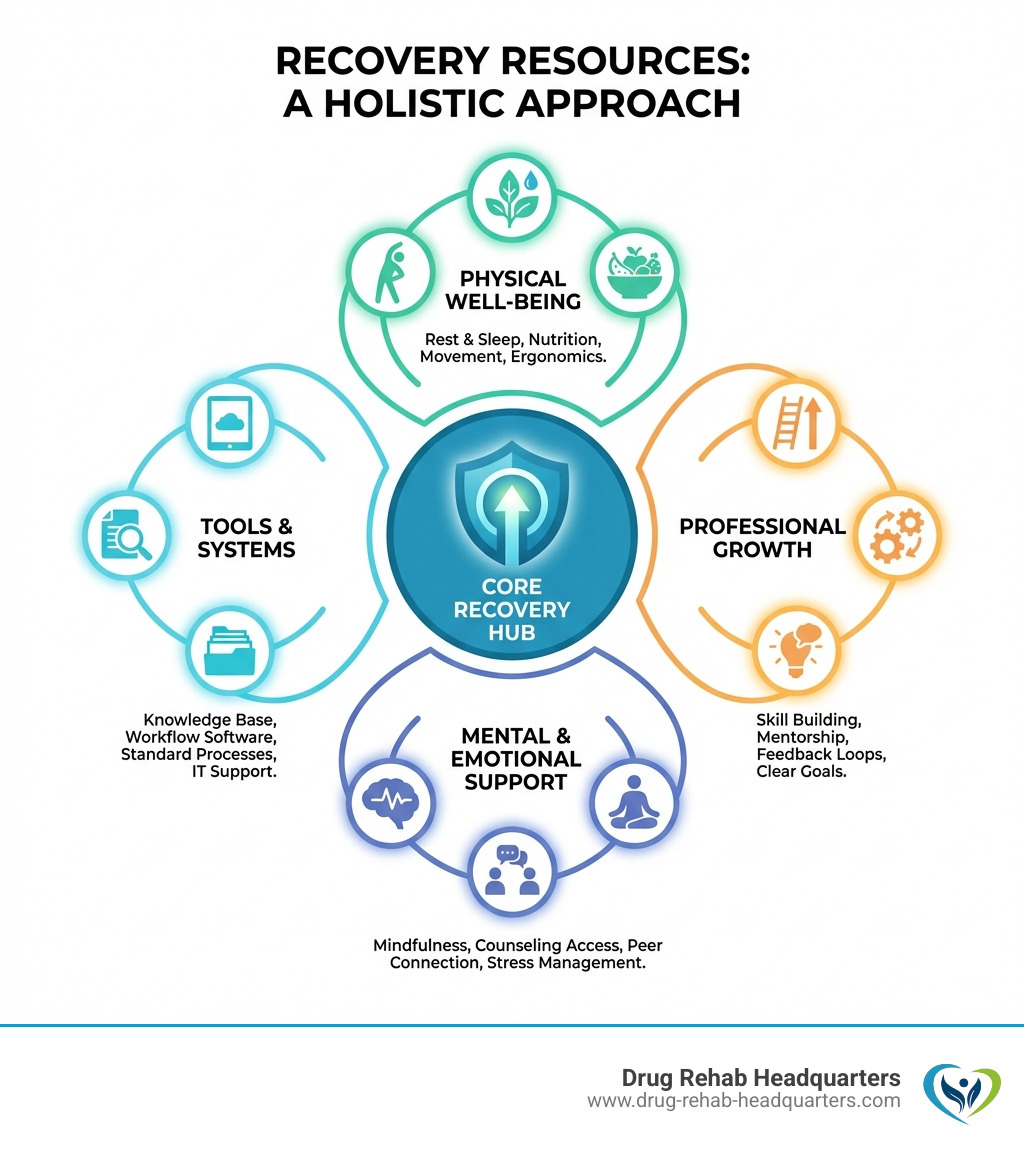
Recovery Resources are the essential tools, programs, and support systems that help individuals overcome addiction and mental health challenges. They include:
- National helplines: SAMHSA’s 24/7 helpline (1-800-662-4357) and (866) 720-3784 for immediate support
- Treatment facilities: Inpatient rehab centers, outpatient programs, and medication-assisted treatment
- Support groups: 12-step programs, SMART Recovery, and peer-led meetings
- Specialized services: Holistic coaching, equine therapy, DUI classes, and housing assistance
- Insurance options: Coverage through Medicaid, private insurance, and voucher programs for uninsured individuals
Finding the right recovery resources can feel overwhelming when you or a loved one is struggling with drug or alcohol addiction. With over 21,000 treatment providers across the United States and countless support programs, knowing where to start is half the battle.
The good news? Help is available right now, 24 hours a day.
Whether you need crisis intervention, long-term drug treatment centers, or inpatient rehab programs, recovery resources exist at every level—from national helplines to local walk-in centers. Organizations like SAMHSA, Recovery Kentucky, and Riverside Recovery Resources provide evidence-based care alongside holistic approaches that address the whole person, not just the addiction.
One DUI client shared: “My favorite part is that there was no judgment among anyone there.” This reflects what quality recovery resources should offer—compassion, expertise, and practical support without stigma.
At Drug Rehab Headquarters, we’ve spent years helping individuals and families navigate the complex world of addiction recovery, connecting them with trusted Recovery Resources that match their unique needs and circumstances. Our mission is to simplify your search and guide you toward effective, personalized treatment options.
Tip 1: Access Immediate Support via National Helplines
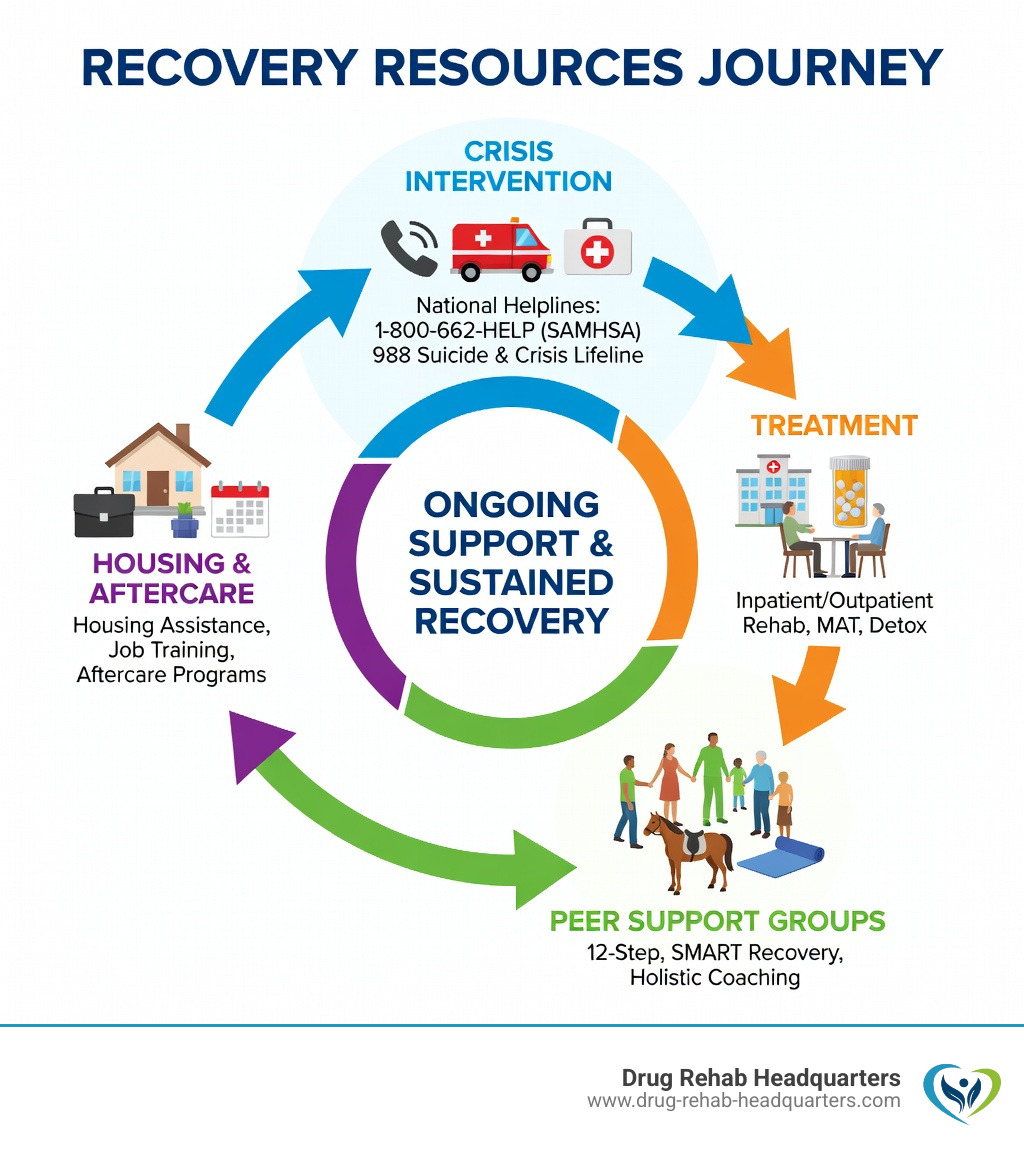
When you are in the middle of a crisis, the last thing you want is a complicated phone tree or a “we’ll get back to you in three business days” message. Immediate Recovery Resources are designed to bridge the gap between a moment of desperation and the first step of professional care.
The SAMHSA’s National Helpline (1-800-662-HELP) is a gold standard for confidential, 24/7 support. It provides treatment referrals and information on mental health and substance use disorders in both English and Spanish. If you are facing a mental health crisis or thoughts of self-harm, the 988 Suicide & Crisis Lifeline is another critical tool available via call or text.
However, sometimes you need more than just a referral; you need a conversation with someone who understands the landscape of Recovery Resources from the inside out. At Drug Rehab Headquarters, we offer 24/7 free support at (866) 720-3784. Many of our certified counselors have lived experience, meaning they’ve walked the path you’re on right now. They can provide personalized guidance to help you find suitable alcohol treatment or drug treatment centers that fit your specific situation.
For those who aren’t sure where to start, check out our guide on Immediate Addiction Help Resources for Urgent Support. Reaching out isn’t a sign of weakness—it’s the most tactical move you can make for your future.
Tip 2: Navigating Local and National Recovery Resources
While national helplines are great for information, recovery often happens on the ground in your local community. Navigating these Recovery Resources requires knowing where to look for walk-in services and long-term support.
In many regions, local centers offer walk-in intake and assessments. For example, some facilities in Ohio provide intake hours from 8:00 a.m. to 2:00 p.m., allowing individuals to get evaluated without a prior appointment. This is vital because the window of “willingness” to seek help can sometimes be small. Getting an assessment quickly can lead to immediate case management, which helps coordinate your care, housing, and even employment needs.
In Kentucky, the Recovery Resources landscape is robust, with 13 centers providing housing and services for up to 2,000 Kentuckians. These centers are specifically designed to reduce the state’s drug problem and resolve homelessness issues simultaneously. Similarly, in Riverside, California, non-profit organizations have been operating since 1985, offering a mix of 12-step foundations and evidence-based experiential learning.
If you are feeling lost in the sea of options, you can always call us at (866) 720-3784. We can help you sort through our Links and Resources to find a provider that matches your location and needs.
Digital Recovery Resources and Virtual Meetings
The world has changed, and so has recovery. You no longer have to leave your house to find a supportive community. Virtual Recovery Resources have become a lifeline for those in rural areas or those with limited transportation.
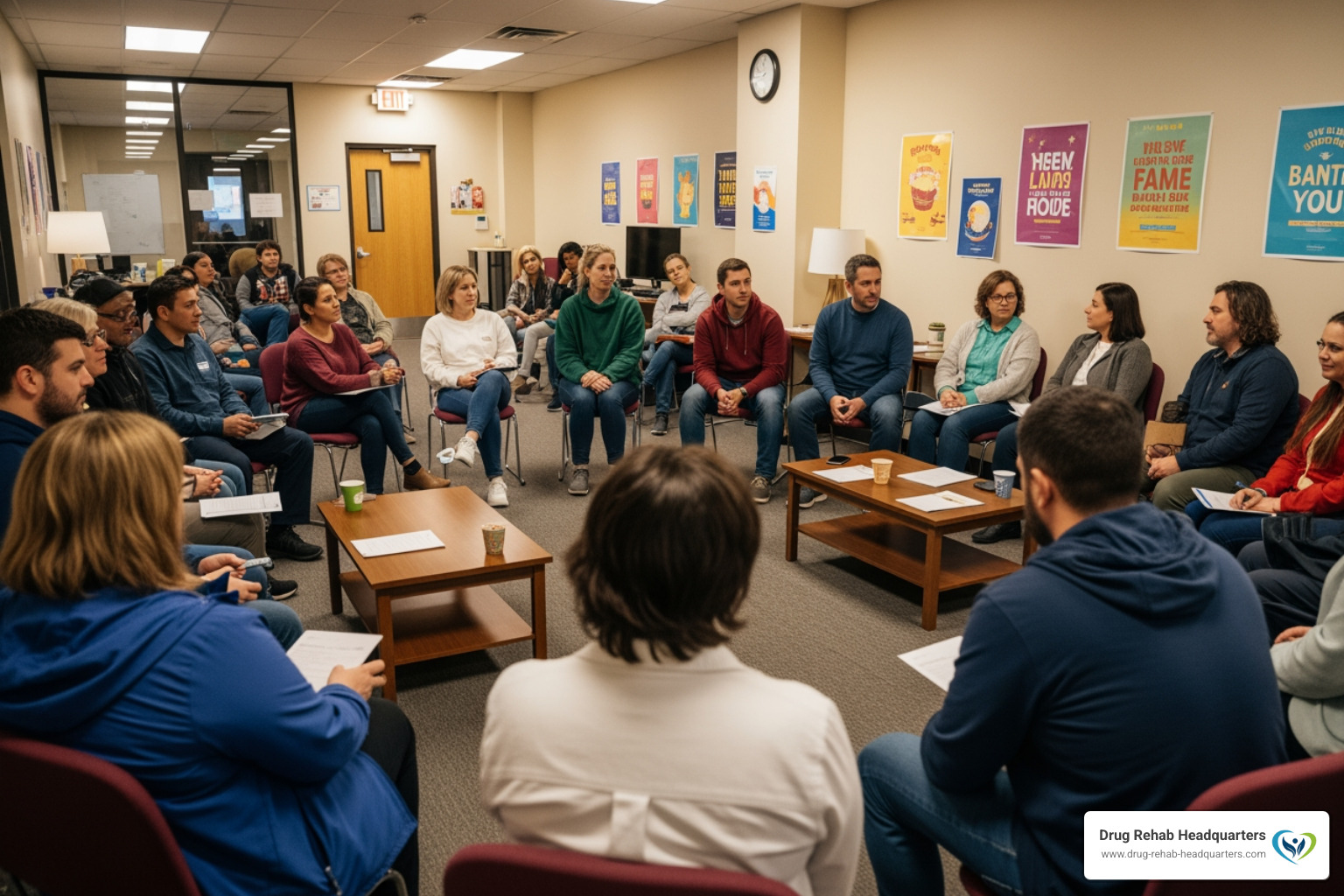
Platforms like In the Rooms and Unity Recovery offer a staggering variety of online meetings. Whether you prefer the traditional 12-step approach or something different like Self Management and Recovery Training (SMART) or Lifering Meetings, there is a digital space for you.
These online sobriety tools are excellent backups for when in-person meetings are unavailable due to illness or scheduling conflicts. They offer:
- Anonymity: You can join with your camera off if you’re feeling shy.
- Accessibility: 24/7 meetings mean support is available even at 3:00 a.m.
- Education: Access to Addiction Education Resources to help you understand the science of your journey.
Specialized Recovery Resources for Unique Needs
Recovery is not a one-size-fits-all t-shirt. Different populations have different needs, and the best Recovery Resources reflect that diversity.
- Equine Assisted Learning: Using horses as “teachers” to build self-awareness and confidence. No, you don’t have to be a cowboy; the horses do the heavy lifting emotionally.
- Holistic Coaching: This allows you to create a personalized recovery action plan rather than following a rigid, pre-set curriculum.
- DUI Classes: For those navigating the legal system, specialized DUI/DWI programs provide the necessary education to meet court requirements while addressing the underlying substance use.
- Veterans Support: Many programs offer specialized care for those who have served, focusing on trauma and the unique stresses of military life.
- Homelessness Outreach: Street outreach programs and unsheltered services provide food, clothing, and pathways to emergency shelter and permanent housing.
You can explore more of these specialized options in our Resources section or by calling (866) 720-3784 for a personalized recommendation.
Tip 3: Integrate Evidence-Based Treatment with Holistic Care
The most effective Recovery Resources combine the “tried and true” with modern, holistic approaches. Think of it like a healthy diet; you need the proteins (evidence-based medicine) and the vitamins (holistic care) to stay strong.
Evidence-based treatments include:
- 12-Step Programs: The foundational approach used by Alcoholics Anonymous (AA) and Narcotics Anonymous (NA).
- Inpatient Rehab: Intensive, residential treatment where you can focus 100% on your recovery in a safe environment.
- Medication-Assisted Treatment (MAT): Using FDA-approved medications like buprenorphine to manage cravings and withdrawal symptoms.
- Naloxone: A life-saving tool that can rapidly reverse an opioid overdose. Many Recovery Resources now provide Naloxone for Opioid Overdose training and kits to the public.
Holistic care complements these by focusing on the mind and body. This might include yoga, nutritional counseling, or experiential learning where you apply recovery skills in real-life situations. If you have questions about how these work together, our Rehabilitation Process FAQ is a great place to start. For immediate help finding a center that offers this integrated approach, call us at (866) 720-3784.
Tip 4: Understand Insurance and Funding Options
“How am I going to pay for this?” is often the first question people ask. Understanding the financial side of Recovery Resources is crucial to reducing stress during the intake process.
Many people don’t realize that insurance often covers a significant portion of treatment. Under the Affordable Care Act, mental health and substance use services are considered essential health benefits.
| Funding Type | Best For | Key Features |
|---|---|---|
| Private Insurance | Individuals with employer-based plans | Often covers Aetna, UnitedHealthcare, and Cigna. |
| Medicaid/CHIP | Low-income individuals/families | State-funded; covers inpatient and outpatient care. |
| State Vouchers | Uninsured or underinsured | Programs like UNITE vouchers in Kentucky help cover costs. |
| Scholarship Funds | Those needing specialized care | Funds like the New Story Recovery Scholarship for holistic coaching. |
If you are wondering, “Does Insurance Cover Rehab?”, the answer is usually yes, but the extent depends on your specific plan. We can help you verify your benefits and understand the Cost of Rehab at (866) 720-3784. We also assist uninsured individuals in finding state-funded programs or facilities that offer sliding scale fees.
Tip 5: Address Homelessness and Reentry Challenges
Substance use and homelessness are often two sides of the same coin. In fact, statistics show that chronically homeless individuals consume over 50 percent of homeless resources. Effective Recovery Resources must address housing to ensure long-term sobriety.
Recovery Kentucky is a prime example of a program that integrates housing with recovery. Their centers help people recover from addiction while gaining control of their lives so they can eventually reside in permanent housing. These programs offer:
- Peer Support: Living with others who are also in recovery.
- Life Skills Development: Learning how to budget, cook, and maintain a household.
- Vocational Training: Helping residents gain the skills needed to find and keep a job.
For those reentering society from the criminal justice system, Reentry Service Centers provide a bridge. These centers average about 503 residents daily, offering addiction programming and vocational training to prevent recidivism. If you or someone you know is experiencing homelessness and needs a way out, call (866) 720-3784. We can connect you with local street outreach programs and supportive housing options.
Frequently Asked Questions about Recovery Support
What are the best recovery resources for uninsured individuals?
Uninsured individuals should look into state-funded treatment centers, Medicaid, and SAMHSA-funded block grants. Many non-profit organizations also offer sliding scale fees based on income. Programs like Operation UNITE provide treatment vouchers for low-income individuals in specific regions. You can also call (866) 720-3784 to find facilities that accept patients without private insurance.
How do I find drug treatment centers near me?
The easiest way is to use the SAMHSA Behavioral Health Treatment Services Locator or visit FindTreatment.gov. These tools allow you to filter by location, insurance type, and the level of care needed. For a more personalized touch, Drug Rehab Headquarters can do the legwork for you—just give us a call at (866) 720-3784.
Are there 24/7 helplines for immediate addiction help?
Yes! SAMHSA’s National Helpline (1-800-662-4357) and the 988 Suicide & Crisis Lifeline are available 24/7. Additionally, Drug Rehab Headquarters provides 24/7 support from certified counselors at (866) 720-3784. Whether it’s 2:00 p.m. or 2:00 a.m., there is always someone ready to listen and help you find the right Recovery Resources.
Conclusion
The journey to sobriety is rarely a straight line, but you don’t have to walk it alone. From the immediate intervention of national helplines to the long-term stability provided by recovery housing and inpatient rehab, the right Recovery Resources can make all the difference.
At Drug Rehab Headquarters, we are committed to being your partner in this process. Our certified counselors—many of whom have their own Success Stories—are here to provide the personalized, evidence-based, and holistic guidance you deserve. We cover all 50 states, from Alabama to Wyoming, and we are available every hour of every day.
If you’re ready to take the first step, or even the tenth step, we’re here to help you find the way.
Call us today at (866) 720-3784 for free, confidential support. Your new story starts now.