
Understanding Your Path to Recovery from Alcohol Use Disorder
Alcohol rehab is a structured treatment program designed to help individuals overcome alcohol use disorder (AUD) through medical detoxification, evidence-based therapies, medication-assisted treatment, and ongoing support. Treatment options include inpatient residential programs, intensive outpatient programs (IOP), partial hospitalization programs (PHP), and telehealth services, each custom to the severity of addiction and individual needs.
Key Alcohol Rehab Options at a Glance:
- Medical Detox – Safely manages withdrawal symptoms under medical supervision (2-7 days)
- Inpatient/Residential Treatment – 24/7 care in a structured environment (30-90+ days)
- Outpatient Programs – Flexible treatment while living at home (PHP, IOP, standard outpatient)
- Medication-Assisted Treatment (MAT) – FDA-approved medications like naltrexone, acamprosate, and disulfiram to reduce cravings
- Evidence-Based Therapies – CBT, DBT, motivational interviewing, and family therapy
- Aftercare Support – Ongoing recovery support through alumni programs and mutual-support groups
Alcohol addiction remains one of the most common substance use disorders in the United States. According to the 2025 National Survey on Drug Use and Health, about 28.8 million people aged 12 or older had an alcohol use disorder (AUD) in the past year, affecting millions of adults and approximately 1 in 10 children who live in a home with a parent struggling with AUD. The good news? AUD is a treatable medical condition, and recovery is possible with the right support and treatment.
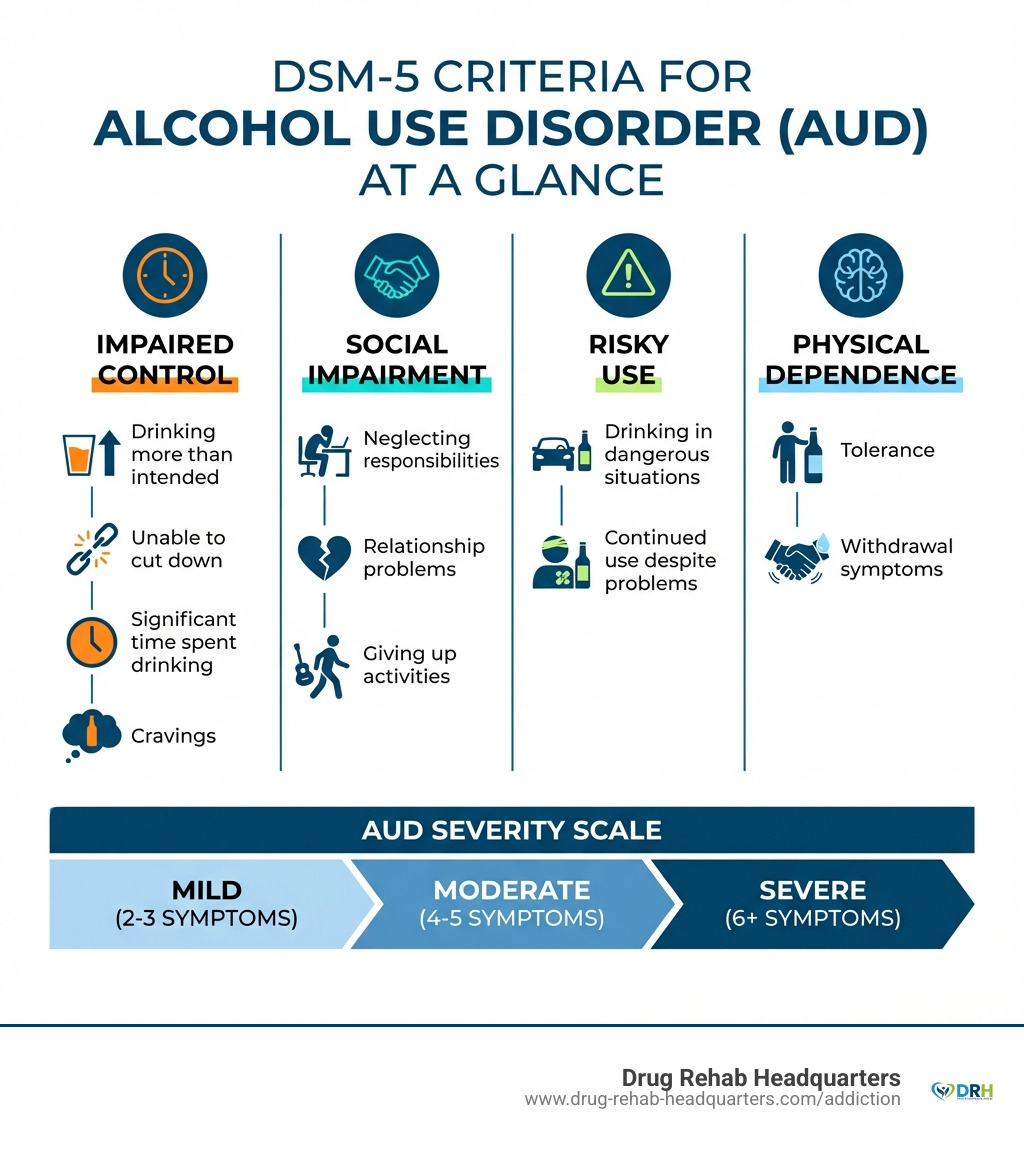
Recognizing the signs of AUD is the first step toward recovery. Common symptoms include:
- Drinking more or longer than intended
- Inability to cut down despite wanting to
- Spending significant time drinking or recovering from alcohol
- Experiencing cravings for alcohol
- Alcohol use interfering with work, school, or family responsibilities
- Continuing to drink despite relationship or health problems
- Giving up important activities to drink
- Drinking in dangerous situations
- Needing more alcohol to feel the same effects (tolerance)
- Experiencing withdrawal symptoms when not drinking
The severity of AUD ranges from mild (2-3 symptoms) to moderate (4-5 symptoms) to severe (6 or more symptoms). Regardless of severity, professional treatment significantly improves outcomes and quality of life.
Why professional treatment matters: The risk of experiencing dangerous alcohol withdrawal symptoms increases the longer someone abuses alcohol. Medically supervised detox and comprehensive treatment programs address both the physical and psychological aspects of addiction, providing the tools and support needed for lasting recovery.
At Drug Rehab Headquarters, we’ve dedicated our work to supporting individuals and families affected by alcohol addiction through compassionate, confidential assistance and connections to quality alcohol rehab programs. Our team of addiction specialists understands the challenges of recovery and is available 24/7 in 2025 and beyond to help you find the right treatment path—call us at 866-720-3784 for a free consultation.
Alcohol rehab word roundup:
The Core Components of an Effective Alcohol Rehab Program
Starting on the journey to recovery from alcohol use disorder requires understanding the various stages and components of an effective alcohol rehab program. From the initial detox phase to ongoing therapeutic work and aftercare planning, each step is designed to address the complex nature of addiction and support lasting sobriety.
The First Step: Alcohol Detox and Withdrawal
For many individuals, the first crucial step in alcohol rehab is detoxification. This is the process where the body rids itself of alcohol, and it can be accompanied by uncomfortable and potentially dangerous withdrawal symptoms. The risk of experiencing these symptoms increases the longer someone has abused alcohol.
The detox timeline can vary, but generally, withdrawal symptoms are at their worst for the first 48 hours and usually improve over 3 to 7 days from the last drink. Sleep patterns, however, may take up to a month to return to normal.
Common withdrawal symptoms can include anxiety, disturbed sleep, shakiness, restlessness, nausea, rapid heart rate, and in severe cases, seizures or delirium tremens (DTs). Unmanaged withdrawal can be life-threatening, which is why medical supervision is paramount.
The role of medical supervision during detox cannot be overstated. A medically supervised detox ensures that withdrawal symptoms are managed safely and comfortably. Healthcare professionals can monitor vital signs, administer medications to alleviate discomfort, and intervene if complications arise.
Medications used in detox often include benzodiazepines like Librium (chlordiazepoxide) or Valium (diazepam). These medications are chemically similar to alcohol in how they interact with the brain, making them effective for regulating alcohol withdrawal and preventing severe symptoms. It’s crucial to note that these medications are typically used for a short period under strict medical guidance due to their potential for dependence.
Levels of Care: Finding the Right Treatment Intensity
Once detox is complete, or if detox is not medically necessary, individuals transition into the next phase of alcohol rehab, which involves various levels of care. The “right” level of care depends on the severity of the AUD, individual needs, co-occurring mental health conditions, and personal circumstances.
Inpatient/Residential treatment offers 24/7 care in a structured, supportive environment. Patients live at the facility, allowing for round-the-clock medical supervision, intensive therapy, and removal from external triggers. This setting is ideal for those with severe AUD, co-occurring mental health disorders, or unstable home environments. Our facilities in locations like Las Vegas, Nevada, and Los Angeles, California, offer comprehensive residential programs designed to immerse you fully in the recovery process.
Outpatient Programs provide flexibility, allowing individuals to live at home while attending scheduled treatment sessions. These programs are suitable for those with less severe AUD, a stable home environment, and strong support systems.
- Partial Hospitalization Programs (PHP) are the most intensive form of outpatient care, often meeting 5-7 days a week for several hours per day. It offers a similar structure to inpatient treatment without the overnight stay.
- Intensive Outpatient Programs (IOP) provide a step down from PHP, with fewer hours per week but still offering significant therapeutic support.
- Standard Outpatient Programs involve weekly or bi-weekly sessions, focusing on maintenance and relapse prevention.
Telehealth services for addiction have also become a valuable option, offering treatment and counseling remotely via video conferencing. This can be particularly beneficial for individuals in rural areas, those with mobility issues, or those who require greater flexibility. Many of our partner centers throughout Alabama, Alaska, Arizona, and other states on our list offer telehealth options to ensure accessibility.
Here’s a comparison of common alcohol rehab levels of care:
| Feature | Inpatient/Residential Rehab | Outpatient Rehab (PHP, IOP, Standard) |
|---|---|---|
| Intensity | High: 24/7 care, highly structured | Moderate to Low: Scheduled sessions, home living |
| Environment | Live at facility, removed from triggers | Live at home, attend sessions |
| Supervision | Constant medical and clinical oversight | Regular clinical oversight, less medical supervision |
| Duration | Typically 30, 60, 90+ days | Varies: weeks to months, depending on program intensity |
| Ideal Candidate | Severe AUD, co-occurring disorders, unstable home, need for intensive support | Mild to moderate AUD, stable home, strong support system, need for flexibility |
Evidence-Based Therapies: Building a Foundation for Recovery
At the heart of effective alcohol rehab are evidence-based therapies. These therapeutic modalities are backed by scientific research, demonstrating their effectiveness in treating AUD and related mental health conditions.
- Cognitive Behavioral Therapy (CBT) helps individuals identify and change negative thought patterns and behaviors that contribute to alcohol use. It teaches coping skills to manage triggers and high-risk situations.
- Dialectical Behavior Therapy (DBT), often used for co-occurring mental health disorders, focuses on emotional regulation, distress tolerance, interpersonal effectiveness, and mindfulness. It helps individuals develop healthier ways to cope with intense emotions without resorting to alcohol.
- Motivational Interviewing is a client-centered approach that helps individuals explore and resolve their ambivalence about change, strengthening their motivation to engage in and commit to recovery.
- Family therapy involves family members in the treatment process. It addresses family dynamics that may contribute to or be affected by AUD, improving communication and building a supportive home environment. Studies show that strong family support through family therapy increases the chances of maintaining abstinence.
These therapies are often delivered in individual and group settings, providing a safe space for clients to explore underlying issues, develop coping skills, and work towards emotional healing.
The Role of Medication-Assisted Treatment (MAT)
Medication-Assisted Treatment (MAT) combines FDA-approved medications with counseling and behavioral therapies to provide a “whole-patient” approach to substance use disorders. It’s a highly effective component of alcohol rehab, helping to reduce cravings and prevent relapse. Taking medications for AUD is not “trading one addiction for another”; these medications are non-addictive and designed to manage a chronic disorder, much like medication for diabetes or asthma.
- Naltrexone (Vivitrol): Naltrexone works by blocking the opioid receptors in the brain, which reduces the pleasurable effects of alcohol and diminishes cravings. It’s available in an oral form and as an injectable, extended-release version called Vivitrol, administered once a month. Vivitrol can be easier for some to use consistently.
- Acamprosate (Campral): Acamprosate helps regulate brain chemistry that has been altered by chronic alcohol use, specifically targeting neurotransmitters like GABA and glutamate. This helps reduce long-term cravings and discomfort after stopping drinking. Acamprosate courses can last up to 6 months.
- Disulfiram (Antabuse): Disulfiram works by creating an unpleasant physical reaction (nausea, flushing, heart palpitations) if alcohol is consumed. It acts as a deterrent, helping individuals avoid drinking. When taking disulfiram, it’s crucial to avoid all forms of alcohol, including those found in mouthwash, aftershave, and some food products.
MAT is a critical tool in modern alcohol rehab, supporting individuals in managing the physiological aspects of addiction while they engage in therapeutic work.

Navigating Costs and Insurance for Alcohol Rehab
We understand that concerns about the cost of alcohol rehab can be a significant barrier to seeking help. However, it’s crucial to know that the cost of addiction and co-occurring disorder treatment greatly varies from person to person. Factors like the level of care needed, the substance in question, medical history, and substance use history all play a role. The good news is that many options exist to make treatment affordable and accessible in 2025.
If you have any questions about costs or coverage, call Drug Rehab Headquarters at 866-720-3784. Our team can walk you through your options, step-by-step.
Using Insurance for Treatment
Most major insurance carriers offer coverage for alcohol and drug rehab in states across the U.S., including all the locations we serve. This means your insurance plan may cover all or part of the cost of treatment. Addiction services are typically categorized under behavioral health benefits.
Verifying your insurance benefits is a critical first step. We encourage you to contact us at Drug Rehab Headquarters. Our team can help you verify your insurance coverage for free and confidentially. Call 866-720-3784 for a free, confidential insurance benefits check. We’ll help you understand what your policy covers and what your out-of-pocket expenses might be.
How state-funded insurance programs can help cover addiction treatment: Medicaid, the Children’s Health Insurance Program (CHIP), and other state-specific programs are vital resources for individuals and families with low to medium incomes. For example, in Massachusetts, MassHealth is the state’s Medicaid program, combining CHIP and Medicaid benefits.
- Does MassHealth cover drug and alcohol rehab services? Yes, addiction services fall under behavioral health. Depending on your individual coverage level, MassHealth may cover inpatient rehab, outpatient rehab, residential rehab, medication, and counseling.
- What types of addiction treatment services does MassHealth typically cover? MassHealth covers a comprehensive range of services, including medically managed detox, inpatient and residential treatment, various outpatient programs (PHP, IOP), individual and group counseling, and medication management.
- Does MassHealth cover specific medications like Suboxone? Yes, Suboxone remains on the MassHealth Drug List (as of 2025), though coverage depends on your specific plan. Copayments for Substance Use Disorder (SUD) treatment, such as Medication-Assisted Treatment (MAT), may not be required under current policy.
- How can someone qualify for MassHealth insurance? Basic requirements include residency in Massachusetts, citizenship or satisfactory immigration status, and meeting financial requirements determined by Modified Adjusted Gross Income (MAGI). These eligibility criteria are similar to Medicaid programs in other states.
- What are the potential costs associated with MassHealth for SUD treatment? Depending on the plan, MassHealth may cover all or part of your healthcare expenses, with services being free or low cost. Plans may include options for copayment, coinsurance, and deductibles, though copayments for SUD treatment may be waived.
- How does one apply for MassHealth? You can apply online at https://www.mahealthconnector.org/, by telephone at (800)841-2900, or by paper application found at https://www.mass.gov/topics/masshealth. Similar application processes exist for Medicaid programs in other states we serve.
- Can individuals have other health insurance in addition to MassHealth? Yes, you can have other health insurance in addition to MassHealth, provided your household MAGI is in the low to medium range. This is common for many state Medicaid programs.
Medicare coverage for substance use disorder also plays a significant role for eligible individuals. Medicare continues in 2025 to cover treatment for alcoholism and substance use disorder in both inpatient and outpatient settings, including opioid treatment programs (OTPs).
- Medicare Part A typically covers inpatient care, including patient education, psychotherapy, and post-hospitalization follow-up.
- Medicare Part B covers outpatient services, such as individual and group therapy, substance use counseling, toxicology testing, and Structured Assessment and Brief Intervention (SBIRT) services. It also covers opioid use disorder (OUD) treatment received at certified OTPs.
- Medicare Part D plans cover medically necessary prescription drugs to treat substance use disorder, though specific limitations apply to medications like methadone (which is covered under Part A or B in certain contexts).
- Original Medicare generally covers mental health services, including AUD treatment, at 80% of the Medicare-approved amount, after meeting the Part B deductible for outpatient care. Medicare covers a total of 190 lifetime days for inpatient psychiatric hospital care.
To ensure coverage, services must be medically necessary, received from a Medicare-approved provider, and part of a provider-set plan of care. If you have a Medicare Advantage Plan, contact your plan directly for specific cost and coverage details.
If you need help understanding how Medicare or Medicaid applies to alcohol rehab in 2025, call Drug Rehab Headquarters at 866-720-3784 for personalized guidance.

What are my options for alcohol rehab if I have financial concerns?
Even if you don’t have insurance, or if your insurance coverage is limited, you have options. We believe that financial constraints should never prevent someone from getting the help they need.
- Flexible payment plans: Many alcohol rehab centers offer payment plans, allowing you to pay for treatment in installments.
- Sliding scale fees: Some facilities offer a sliding scale, adjusting costs based on your income and ability to pay.
- Financial assistance through Drug Rehab Headquarters: We can connect you with resources and programs that offer financial aid for addiction treatment. Call us at 866-720-3784 to discuss your options.
- State-funded and free rehab options: Many states, including those we serve, have state-funded rehab programs or free treatment options available. These are often managed at the local state or county level.
- Grants and scholarships: Various organizations offer grants and scholarships specifically for addiction treatment.
What to Look for in a Quality Alcohol Rehab Program
Choosing the right alcohol rehab center is a crucial decision. A quality program can significantly impact your journey to lasting recovery. When evaluating options, consider these key factors:
- Accreditation and licensing (JCAHO, CARF): Ensure the facility is accredited by reputable organizations like The Joint Commission (JCAHO) or the Commission on Accreditation of Rehabilitation Facilities (CARF). These accreditations signify adherence to high standards of care and safety.
- Staff credentials and experience: Look for a team of licensed and experienced professionals, including addiction specialists, physicians, nurses, therapists, and counselors. Expertise in addiction medicine and co-occurring mental health disorders is vital.
- Individualized treatment plans: Effective alcohol rehab is never one-size-fits-all. A quality program will conduct a thorough assessment to create a personalized treatment plan custom to your specific needs, history, and goals.
- Low client-to-therapist ratio: A lower ratio ensures that you receive more individualized attention and support from your therapists, fostering deeper therapeutic work.
- Aftercare and relapse prevention planning: Recovery is an ongoing process. A top-tier program will emphasize comprehensive aftercare planning, including strategies for relapse prevention, connections to support groups, and ongoing therapeutic support.
If you’re comparing programs in 2025 and feeling unsure where to start, call Drug Rehab Headquarters at 866-720-3784. We can help you review your options and choose a program that fits your clinical needs, location, and budget.
Finding the Right Treatment and Embracing Long-Term Recovery
Finding the right alcohol rehab is a personal journey, and we’re here to help you steer it. With so many options available, it can feel overwhelming, but with the right guidance, you can find a program that sets you up for success.
How to Find a Quality Treatment Center
When you’re ready to take the next step, here’s how to find a quality alcohol rehab center, along with questions to ask:
- The benefits of a holistic approach: Look for programs that integrate medical, psychological, and social support. Many centers, like our partners in Las Vegas, Nevada, and other locations, offer holistic therapies such as yoga, meditation, Reiki, sound bowl healing, and nutritional coaching alongside traditional treatments. This comprehensive approach addresses the mind, body, and spirit.
- Reading reviews and testimonials: Client feedback can offer valuable insights into the quality of care, staff compassion, and overall effectiveness of a program.
- Questions to ask a potential rehab center:
- What kind of treatment does the program or provider offer?
- Is treatment custom to the individual?
- What is expected of the person with AUD?
- How is treatment success measured?
- How does the program or provider handle a return to drinking (relapse prevention)?
- What is the treatment setting (inpatient, outpatient, residential, etc.)?
- What are the staff’s credentials and experience?
- Do you offer family therapy or involvement?
- What aftercare and alumni programs are available?
- How do you address co-occurring mental health disorders?
- What are the costs, and do you accept my insurance?
- Are you accredited and licensed?
- Call Drug Rehab Headquarters at 866-720-3784 for help finding top-rated alcohol rehab centers: Our team can provide referrals to reputable facilities in your area that align with your needs and insurance coverage.
The Importance of Aftercare and Ongoing Support
Recovery from AUD is a lifelong journey, and the work doesn’t end when a formal alcohol rehab program concludes. Aftercare and ongoing support are critical for maintaining sobriety and preventing relapse.
- Relapse prevention strategies: A good aftercare plan will equip you with tools and strategies to identify triggers, cope with cravings, and manage stress without resorting to alcohol.
- Sober living environments: For some, transitioning to a sober living home after residential treatment provides a structured, supportive environment that bridges the gap between intensive treatment and independent living.
- Alumni programs: Many alcohol rehab centers offer alumni programs, providing a community of individuals who have completed treatment, offering continued support, events, and resources.
- Mutual-support groups: These groups provide peer support, shared experiences, and a sense of community.
- Alcoholics Anonymous (AA)
- SMART Recovery®
- LifeRing Secular Recovery
- Women for Sobriety
- Al-Anon Family Groups (for family and friends)
- Adult Children of Alcoholics Dysfunctional Families World Service Organization
Treating Co-Occurring Disorders (Dual Diagnosis)
It’s common for individuals with AUD to also struggle with co-occurring mental health disorders, a phenomenon known as dual diagnosis. Millions of adults in the U.S. face this challenge, and individuals with AUD are more likely to suffer from major depression or anxiety over their lifetime.
- Defining dual diagnosis: This means a person has both a substance use disorder and a mental health disorder (e.g., depression, anxiety, PTSD, bipolar disorder).
- Common mental health disorders with AUD: These include depressive disorders, anxiety disorders, trauma- and stress-related disorders, and other substance use disorders.
- The necessity of integrated treatment for successful recovery: For successful, lasting recovery, both the AUD and the co-occurring mental health disorder must be treated simultaneously and in an integrated manner. Treating one without the other often leads to relapse in both. Quality alcohol rehab programs will offer comprehensive dual diagnosis treatment, including psychiatric evaluations, medication management, and specialized mental health counseling.
Frequently Asked Questions about Alcohol Rehab
We often hear similar questions from individuals and families considering alcohol rehab. Let’s address some of the most common ones.
How long does alcohol rehab typically last?
The duration of alcohol rehab is highly individualized. While many programs offer standard lengths like 30, 60, or 90 days, the most effective treatment plans are custom to your specific needs. Some individuals may benefit from shorter, intensive programs, while others require longer-term residential care or an extended continuum of care that can last a year or more, especially when transitioning through different levels of outpatient support.
What is the success rate for alcohol treatment?
Defining “success” in recovery can be complex, as it’s a deeply personal journey. Recovery is a long-term process, not a single event. While specific “success rates” are hard to quantify due to various factors, studies consistently show that professional treatment significantly improves outcomes. Factors influencing success include:
- Treatment engagement: Actively participating in therapy and following the treatment plan.
- Aftercare participation: Engaging in ongoing support like mutual-aid groups, therapy, and sober living.
- Addressing co-occurring disorders: Integrated treatment for mental health issues.
- Strong support systems: Family, friends, and community support.
The good news is that no matter how severe the problem may seem, most people with AUD can benefit from some form of treatment, and many achieve sustained recovery.
Can I lose my job for going to rehab?
Concerns about employment are valid, but federal laws provide protections for individuals seeking addiction treatment.
- Protections under FMLA and ADA: The Family and Medical Leave Act (FMLA) allows eligible employees to take up to 12 weeks of unpaid, job-protected leave for medical reasons, including substance abuse treatment. The Americans with Disabilities Act (ADA) protects individuals with a history of addiction (who are no longer actively using illegal drugs) from discrimination.
- How to approach your employer: Open communication with your employer, if you feel comfortable, can be beneficial. Many employers are supportive and may even offer employee assistance programs (EAPs) that can help cover treatment costs.
- The benefits of seeking help outweigh the risks: Prioritizing your health and well-being through alcohol rehab is paramount. A healthy, sober you is a more productive employee and a happier individual.
Your Journey to Recovery Starts Today
Recovery from alcohol addiction is achievable, and a variety of effective treatment options exist to support you on this path. Taking the first step, though often daunting, is the most crucial action you can take toward reclaiming your life.
At Drug Rehab Headquarters, we are committed to being a reliable resource to help you find the right alcohol rehab path. We understand the unique challenges and opportunities in various locations, including top cities for treatment in Nevada, and across all the states we serve. Our compassionate team is ready in 2025 and beyond to answer your questions, verify your insurance, and connect you with top-rated alcohol rehab centers that meet your specific needs.
Call us today at 866-720-3784 for a free, confidential consultation and take your next step toward lasting recovery.