
What You Need to Know About Alcohol Detox Symptoms
Alcohol detox symptoms occur when a heavy, long-term drinker suddenly stops or cuts back on alcohol. Symptoms range from mild discomfort to life-threatening emergencies, so it’s crucial to know what to expect and when to get help.
Quick Answer: Common Alcohol Detox Symptoms
- Mild symptoms (6-12 hours): Anxiety, tremors, sweating, nausea, headache, insomnia
- Moderate symptoms (12-48 hours): Increased heart rate and blood pressure, confusion, hallucinations
- Severe symptoms (48-72+ hours): Seizures, delirium tremens (DTs), fever, severe agitation
- Timeline: Symptoms typically begin within 6-24 hours, peak at 24-72 hours, and may last for weeks
- Risk factors: Heavy long-term drinking, previous withdrawal episodes, co-occurring health conditions
- Critical: Alcohol withdrawal can be fatal without proper medical supervision
When experiencing alcohol detox symptoms, never attempt to detox alone. Call Drug Rehab Headquarters at 866-720-3784 for immediate, confidential support.
According to the National Institute on Alcohol Abuse and Alcoholism, about half of all people with alcohol use disorder experience withdrawal symptoms when they stop drinking. For men, heavy drinking is five or more drinks in a day or 15+ per week. For women, it’s four or more in a day or 8+ per week.
Withdrawal happens because chronic alcohol use changes brain chemistry. Alcohol is a depressant, and the brain adapts to its presence. When alcohol is removed, the brain becomes overactive, causing withdrawal symptoms.
The most dangerous complications include:
- Withdrawal seizures (typically 24-48 hours after last drink)
- Delirium tremens or DTs (48-72 hours after last drink)
- Severe dehydration and electrolyte imbalances
- Heart complications
Without medical treatment, delirium tremens can be fatal in up to 20% of cases. With proper medical care, that number drops to about 1%.
At Drug Rehab Headquarters, we help people safely steer alcohol withdrawal. Our team understands alcohol detox symptoms and can connect you with medical care and treatment resources. Call our confidential helpline at 866-720-3784 to start your recovery with a safe, medically supervised detox.
Introduction: What is Alcohol Withdrawal?
Deciding to stop drinking is a courageous first step. Understanding alcohol withdrawal—the physical and psychological symptoms that occur when you quit—is essential for safety. For those with heavy, regular alcohol use, withdrawal is a serious medical condition requiring professional attention.
Alcohol Use Disorder (AUD) is a chronic disease where a person cannot stop or control their drinking despite negative consequences. A key feature of physical dependence on alcohol is the onset of withdrawal symptoms when drinking stops. About half of all people with AUD will experience these symptoms.
Alcohol is a CNS depressant. With consistent use, the brain adapts to its presence. When alcohol is suddenly removed, the brain becomes hyperactive, triggering the various alcohol detox symptoms. This overactivity is why medically supervised detox is crucial for managing withdrawal safely.
If your drinking patterns are similar to the heavy drinking definitions defined by the NIAAA (five or more drinks a day for men, four or more for women), you are at a higher risk for experiencing alcohol detox symptoms when you try to quit.
If you or a loved one are considering stopping alcohol use, call Drug Rehab Headquarters at 866-720-3784 for a confidential assessment and guidance. Our team is here to help you every step of the way.
Understanding the Spectrum of Alcohol Detox Symptoms
The experience of alcohol withdrawal is highly individual, ranging from mild and uncomfortable to severe and potentially life-threatening. Recognizing these symptoms is the first step toward getting appropriate care.
If you recognize any of these symptoms, reach out to Drug Rehab Headquarters at 866-720-3784 for support and expert advice.
Common and Mild Alcohol Detox Symptoms
Many individuals who are physically dependent on alcohol will experience a set of common and mild alcohol detox symptoms. These usually begin within 6 to 12 hours after the last drink. While uncomfortable, these symptoms are typically not life-threatening on their own but can precede more severe complications.
Common mild symptoms include:
- Anxiety and Irritability: Feeling nervous, agitated, or easily annoyed.
- Insomnia and Sleep Problems: Difficulty falling or staying asleep, or restless sleep.
- Nausea and Vomiting: Stomach upset and loss of appetite.
- Headaches: Persistent or throbbing headaches.
- Heart Palpitations: A racing or irregular heartbeat.
- Sweating: Excessive sweating, even when cool.
- Shakiness (Tremors): Involuntary trembling, especially in the hands, often called “the shakes.”
- Loss of Appetite: Disinterest in food, often with stomach discomfort.

These initial symptoms can be distressing, but with proper care and support, they can be managed effectively.
Moderate to Severe Symptoms
As withdrawal progresses, alcohol detox symptoms can escalate. These symptoms indicate greater central nervous system dysregulation and carry a higher risk of serious complications.
Moderate symptoms often include:
- Increased Blood Pressure and Rapid Heart Rate: Dangerous spikes in blood pressure and a fast heart rate (tachycardia).
- Fever: A low-grade fever or liftd body temperature.
- Confusion and Agitation: Disorientation, poor concentration, and severe restlessness.
- Alcoholic Hallucinosis: Occurring 12-24 hours after the last drink, these hallucinations happen while the person is conscious and aware. They may see, hear, or feel things that aren’t there (like insects or voices). This is different from the delirium in DTs. scientific research on alcohol withdrawal hallucinations.
These more intense symptoms necessitate immediate medical attention as they signal a higher risk of developing delirium tremens.
If you or someone you know is experiencing these symptoms, call Drug Rehab Headquarters at 866-720-3784 for immediate help and a safe path forward.
Delirium Tremens (DTs): A Medical Emergency
Delirium Tremens (DTs) is the most severe and potentially fatal form of alcohol withdrawal. It is a medical emergency that demands urgent professional care. While it only affects about 1% to 1.5% of people with alcohol withdrawal, it is incredibly dangerous. Without medical intervention, the mortality rate for DTs can be as high as 20%; with modern medical treatment, this drops to about 1%.
DTs typically begin 48 to 96 hours (2 to 4 days) after the last drink and can last up to 5 days.
Symptoms of Delirium Tremens include:
- Severe Confusion and Disorientation: Profound difficulty recognizing people, places, or time.
- Extreme Agitation: Intense restlessness, anxiety, and an inability to calm down.
- High Fever: A significant rise in body temperature.
- Seizures: Generalized tonic-clonic (grand mal) seizures are a critical risk.
- Tactile, Auditory, or Visual Hallucinations: These occur with severe confusion and can be highly disturbing, leading to terror-filled states.
Beyond the immediate symptoms, DTs can cause fatal complications like heart attacks, strokes, or trauma from falls. The risk is higher for those with a history of withdrawal seizures or previous DT episodes.
For urgent help with severe withdrawal, call Drug Rehab Headquarters at 866-720-3784 or 911 in an emergency. Your safety is our top priority.
The Alcohol Withdrawal Timeline: What to Expect and When
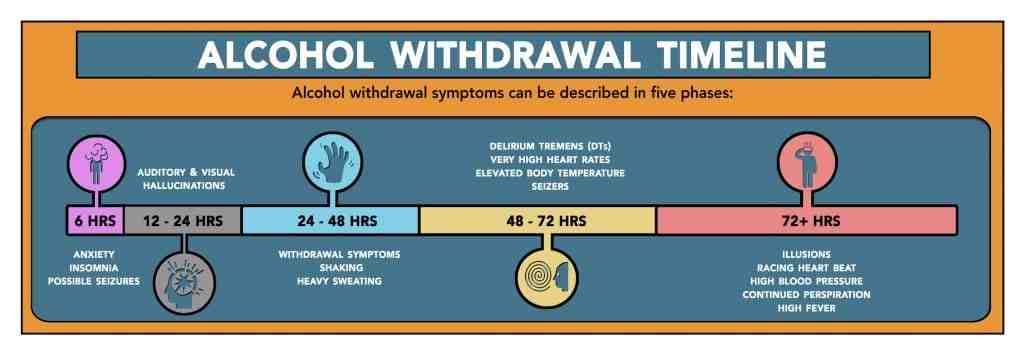
Understanding the typical timeline of alcohol detox symptoms helps you know what to expect and when to seek medical help. The progression varies based on factors like drinking history and overall health, but a general pattern exists.
For a safe detox experience, contact Drug Rehab Headquarters at 866-720-3784. Our specialists can guide you through every stage.
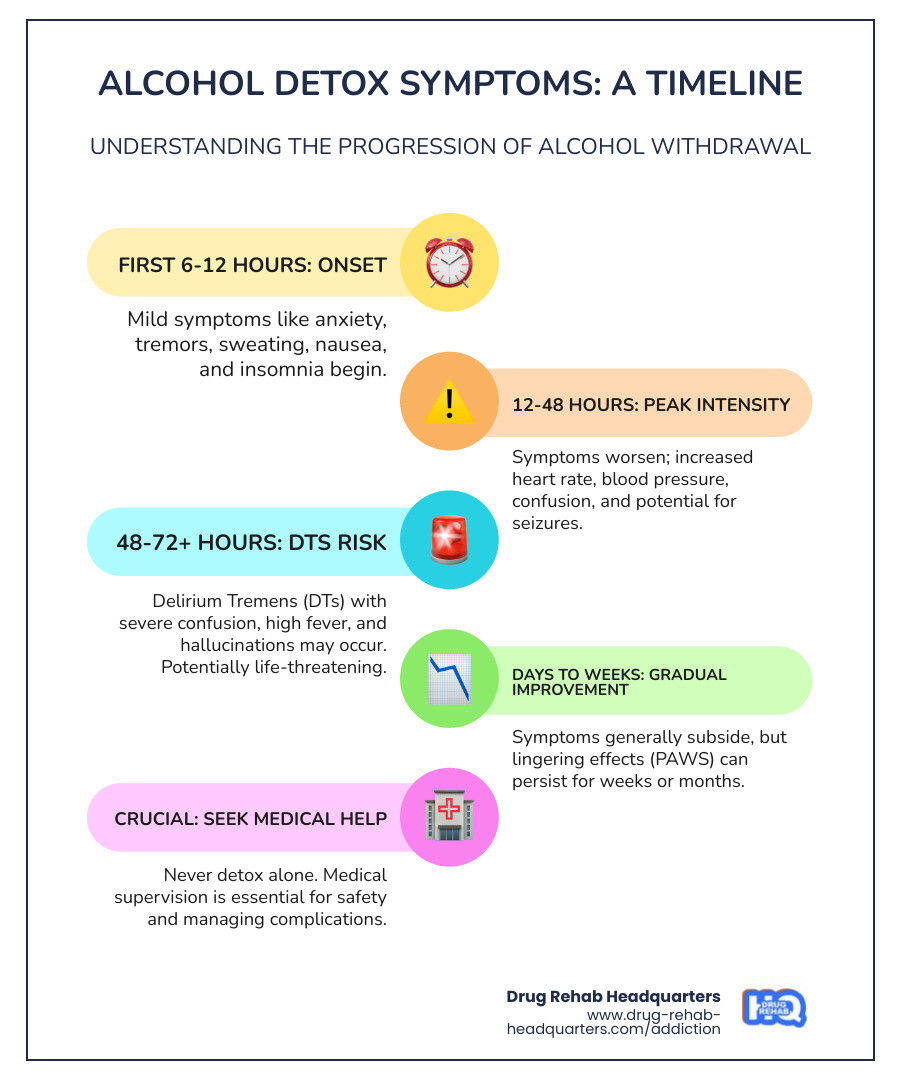
First 6-12 Hours: The Onset
Initial, milder alcohol detox symptoms typically begin 6 to 12 hours after the last drink. This phase marks the body’s first reaction to the absence of alcohol.
During this window, you might experience mild symptoms like anxiety, headaches, nausea, and tremors. These symptoms can be uncomfortable, making professional support vital to ensure safety and prevent escalation.
12-48 Hours: Peak Symptoms and Complications
In this window, alcohol detox symptoms tend to intensify, often reaching their peak. It’s also a critical period for more serious complications to emerge.
Key developments during this time include:
- Intensified Symptoms: Symptoms from the first phase often become more severe.
- Alcoholic Hallucinosis: This can begin around 12-24 hours after the last drink. You might experience hallucinations while still conscious and generally oriented.
- Risk of Withdrawal Seizures: This is a dangerous complication that can occur between 6 to 48 hours after the last drink, with the risk peaking around 24 hours. These seizures are a serious medical emergency.
The central nervous system is highly excitable during this phase, underscoring the importance of medical supervision. To understand more about the full drug withdrawal process, you can explore More about the drug withdrawal process.
48-72+ Hours: The Risk of Delirium Tremens
This phase is characterized by the potential onset of Delirium Tremens (DTs), the most severe form of alcohol withdrawal, which typically appears 48 to 72 hours after the last drink.
During this critical period:
- Delirium Tremens (DTs) Window: If DTs develop, you will experience severe confusion, extreme agitation, high fever, and profound hallucinations. This is a life-threatening condition requiring immediate hospital care.
- Gradual Improvement for Most: For most people without severe complications, symptoms begin to subside after 72 hours as the body re-regulates.
- Post-Acute Withdrawal Syndrome (PAWS): After acute detox (3-7 days), some people experience Post-Acute Withdrawal Syndrome (PAWS). These symptoms, including insomnia, mood swings, anxiety, and cravings, can last for weeks or months. PAWS increases relapse risk, making ongoing support and therapy vital.
This timeline is a general guide. Individual physiology and co-occurring conditions can influence the progression and severity of alcohol detox symptoms.
If you are concerned about withdrawal symptoms, call Drug Rehab Headquarters at 866-720-3784 for guidance and support.
Why Withdrawal Happens: Causes and Risk Factors
Understanding the “why” behind alcohol detox symptoms explains the process and highlights the critical need for professional medical intervention. It’s a physiological response, not a sign of weakness.
How Alcohol Affects the Central Nervous System
Alcohol is a CNS depressant that slows brain activity. With chronic heavy use, the brain adapts to its presence, recalibrating its chemistry to maintain equilibrium. The primary neurotransmitters involved are:
- GABA (inhibitory): Alcohol improves GABA, which calms the brain. The brain adapts by making GABA receptors less responsive.
- Glutamate (excitatory): Chronic alcohol use increases glutamate receptors, priming the brain for hyperactivity.
When alcohol is removed, this balance is shattered. The brain becomes severely overstimulated, like a car with no brakes and a floored accelerator. This hyperactivity causes alcohol detox symptoms, from anxiety to seizures. This neuroadaptation explains why withdrawal is dangerous and requires medical supervision. You can dive deeper into the science of this process in Introduction to Alcohol Withdrawal mechanisms.
Factors That Increase the Risk of Severe Withdrawal
While anyone physically dependent on alcohol can experience withdrawal, certain factors significantly increase the risk of severe, life-threatening alcohol detox symptoms.
Key risk factors include:
- History of Heavy, Long-Term Drinking: The longer and more heavily a person drinks, the more their brain adapts, leading to more severe withdrawal.
- Previous Withdrawal Episodes (Kindling Effect): Each withdrawal episode can “kindle” the brain, making the next one more severe. This “kindling effect” means a person’s risk increases with each detox attempt.
- Co-occurring Medical Conditions: Health issues like heart or liver disease complicate withdrawal and increase danger.
- Nutritional Deficiencies: Chronic drinking causes nutritional deficiencies (especially thiamine) that worsen neurological symptoms and can lead to complications like Wernicke-Korsakoff syndrome.
- Advanced Age: Older adults are more vulnerable to the stress of withdrawal and have a higher risk of severe symptoms.
- History of Seizures or DTs: A past history of withdrawal seizures or DTs significantly increases the risk of them recurring with greater severity.
- Dehydration and Electrolyte Imbalances: Dehydration and electrolyte imbalances from alcohol use can worsen symptoms and increase cardiac risks.
Considering these risk factors is paramount for planning a safe detox.
If you have any of these risk factors, call Drug Rehab Headquarters at 866-720-3784 to discuss a safe detox plan custom to your needs.
Medical Detox: Diagnosis, Treatment, and Management
Given the potential severity of alcohol detox symptoms, professional medical detox is the safest way to manage withdrawal. It provides a structured environment where symptoms are monitored and treated, minimizing discomfort and preventing complications.
For help finding a safe, professional detox program, call Drug Rehab Headquarters at 866-720-3784 now. We connect people with trusted resources and support nationwide.
How Healthcare Professionals Diagnose Withdrawal
Diagnosing alcohol withdrawal involves a comprehensive assessment to create the safest treatment plan. Healthcare professionals will:
- Conduct a Physical Exam: A physical exam checks vital signs and physical withdrawal signs like tremors and sweating.
- Review of Drinking History: A review of your drinking history (amount, frequency, duration) helps predict withdrawal severity. Honesty is crucial.
- Symptom Assessment: Providers will ask about your specific symptoms, their onset, and intensity.
- CIWA-Ar Scale (Clinical Institute Withdrawal Assessment for Alcohol, revised): The CIWA-Ar scale is an objective tool that scores 10 symptoms to measure withdrawal severity and guide treatment. A score of 15 or higher indicates a high risk for complications like seizures.
- Ruling Out Other Conditions: Blood tests and other diagnostics help rule out other medical conditions with similar symptoms, such as infections or head injuries.
This meticulous process allows for a custom detox plan that ensures your safety and comfort.
Medications and Supportive Care for Alcohol Detox Symptoms
The goal of medical detox is to alleviate alcohol detox symptoms, prevent complications, and stabilize your health. This is achieved through medication and supportive care.
- Benzodiazepines: Benzodiazepines (e.g., Valium, Ativan) are the primary treatment. They calm the overactive nervous system by acting on GABA receptors, reducing symptoms and preventing seizures and DTs. Dosing is based on a fixed schedule or symptom severity (using the CIWA-Ar score).
- Anti-seizure Medications: Additional anti-seizure drugs may be used for those with a seizure history, but benzodiazepines are often sufficient.
- Nutritional Support: Nutritional support is critical to replenish nutrients depleted by alcohol use, including:
- Thiamine (Vitamin B1): Administered to prevent Wernicke’s encephalopathy, a serious neurological disorder.
- Other B Vitamins, Magnesium, Zinc, and Folate: These are crucial for brain function and recovery.
- Hydration: Hydration with oral or IV fluids is essential to correct imbalances.
- Creating a Calm, Safe Environment: A quiet, low-stimulation environment reduces anxiety and agitation. Constant monitoring and reassurance provide safety and support.
The combination of skilled medical staff, appropriate medication, and a supportive environment makes medical detox the safest path through alcohol withdrawal.
For help finding a safe detox program, call Drug Rehab Headquarters at 866-720-3784 now. Our team is ready to assist you.
Can You Detox at Home?
The short answer is: it is rarely safe to detox from alcohol at home without medical supervision. Quitting “cold turkey” on your own can be incredibly dangerous, even life-threatening, for those with moderate to severe dependence.
The risks of unsupervised detox include:
- Uncontrolled Seizures: Unexpected seizures can cause serious injury or death.
- Delirium Tremens (DTs): This medical emergency can be fatal without prompt care.
- Severe Dehydration and Electrolyte Imbalances: Unmanaged symptoms can cause dangerous dehydration and electrolyte imbalances affecting the heart.
- Cardiac Events: Withdrawal stress can trigger heart attacks or strokes.
- Exacerbation of Mental Health Conditions: Co-occurring mental health issues can worsen, increasing distress and risk of self-harm.
When Outpatient Detox Might Be an Option:
Outpatient detox may be an option for those with mild alcohol detox symptoms and a strong support system. It requires daily medical check-ins and prescribed medication, but medical guidance and access to emergency care are still essential.
Importance of Medical Supervision:
Medical supervision ensures accurate risk assessment, vital sign monitoring, proper medication, and rapid intervention for emergencies. Professionals also address underlying conditions that can complicate withdrawal.
Tapering vs. Quitting Cold Turkey:
Tapering (gradually reducing intake) may seem safer than quitting cold turkey, but it requires medical guidance to be effective and safe. For many, it is not a viable option.
Never attempt detox alone—call Drug Rehab Headquarters at 866-720-3784 to discuss your safest options and get professional guidance. We can help you find a medical detox program nationwide, ensuring a safe and comfortable start to your recovery.
When and Where to Get Help for Alcohol Withdrawal
Knowing when and where to seek help for alcohol detox symptoms is critical. Timely intervention can make all the difference in safety and successful recovery.
If you need help now, call Drug Rehab Headquarters at 866-720-3784 for a confidential assessment and immediate assistance. We support individuals and families nationwide.
Warning Signs: When to Seek Immediate Medical Help
Certain alcohol detox symptoms are red flags that indicate a medical emergency. If you or someone you know experiences any of the following, call emergency services (like 911 in the U.S.) immediately:
- Seizures: Any uncontrolled shaking or convulsions.
- Hallucinations: Seeing, hearing, or feeling things that are not real, especially if accompanied by confusion or extreme fear.
- Severe Confusion (Disorientation): Inability to recognize people, places, or time.
- High Fever: A body temperature significantly above normal.
- Chest Pain: Any discomfort, pressure, or pain in the chest area.
- Difficulty Breathing: Shortness of breath or any struggle to breathe.
- Vomiting Blood or Inability to Stop Vomiting: These can lead to severe complications.
These are signs of critical distress, and professional medical intervention is needed without delay.
For urgent support, call Drug Rehab Headquarters at 866-720-3784. We are here to help you 24/7.
The Role of Your Doctor and Treatment Professionals
Your doctor or a healthcare professional plays a vital role in managing alcohol withdrawal.
- Initial Consultation: Your doctor can assess your drinking history and risk factors to create a safe detox plan. Honesty is crucial.
- Creating a Safe Detox Plan: Your doctor will recommend the appropriate setting, such as outpatient or inpatient medical detox.
- Medication Management: They can prescribe medications like benzodiazepines to manage symptoms and prevent complications.
- Referrals to Treatment Programs: Your doctor can refer you to addiction treatment programs for therapy and ongoing support. Detox is the first step toward comprehensive treatment.
- Ongoing Support: They provide follow-up care to monitor progress and help you stay on track.
Our team at Drug Rehab Headquarters works with a network of medical professionals and treatment centers across the country.
Let Drug Rehab Headquarters help you connect with the right professionals—call 866-720-3784 for expert assistance.
Finding Support and Resources
Starting on a journey to sobriety is a significant undertaking, and you don’t have to do it alone. Finding the right support is crucial for both safe detox and long-term recovery.
Drug Rehab Headquarters connects you with top addiction treatment centers and offers comprehensive support. We can guide you to resources for:
- Local and National Support: We can help you find local addiction treatment centers and support groups in your area. Our extensive database covers locations nationwide.
- Ongoing Recovery Programs: After detox, we help you find inpatient rehab, outpatient programs, and therapy to address the psychological aspects of addiction.
Recovery is a marathon, not a sprint. It requires continuous effort and a strong support system. We are here to be a part of that system, guiding you to the help you need.
Drug Rehab Headquarters is your first step toward recovery. Learn more about addiction treatment options on our website to begin your journey.