
Why Understanding Inpatient Drug Treatment Options Matters
Inpatient Drug Treatment is a residential rehabilitation program where individuals live at a treatment facility 24/7 while receiving intensive medical care, therapy, and support for substance use disorders. Here’s what you need to know:
Key Features of Inpatient Drug Treatment:
- Duration: Typically 30-90 days, with some programs extending 6-12 months
- Structure: 24/7 medical supervision and structured daily schedules
- Components: Medical detox, individual therapy, group counseling, family therapy, and aftercare planning
- Cost: $200-$500 per day for standard facilities; $1,000-$3,000 per day for luxury centers
- Success Rates: 50-68% for program completers vs. 35-45% for outpatient treatment
- Insurance: Often covered partially or fully under ACA, Medicare, and private insurance plans
Who Benefits Most:
- Individuals with severe addiction requiring medical detox
- Those with co-occurring mental health disorders
- People in unsafe or triggering home environments
- Anyone who has relapsed after less intensive treatment
If you’re facing financial barriers to traditional inpatient care, you’re not alone. The reality is that many people cannot commit to the $6,000-$45,000 price tag of a 30-90 day residential stay, even with insurance. The good news? Effective recovery doesn’t always require the most expensive option. There’s a full spectrum of care from community support groups to partial hospitalization programs that can work for different situations and budgets.
At Drug Rehab Headquarters, we’ve spent years helping individuals and families steer the complex landscape of Inpatient Drug Treatment and alternative recovery options. Our mission is to connect you with the right level of care for your unique needs, whether that’s traditional residential treatment or one of the many effective alternatives we’ll explore in this guide.
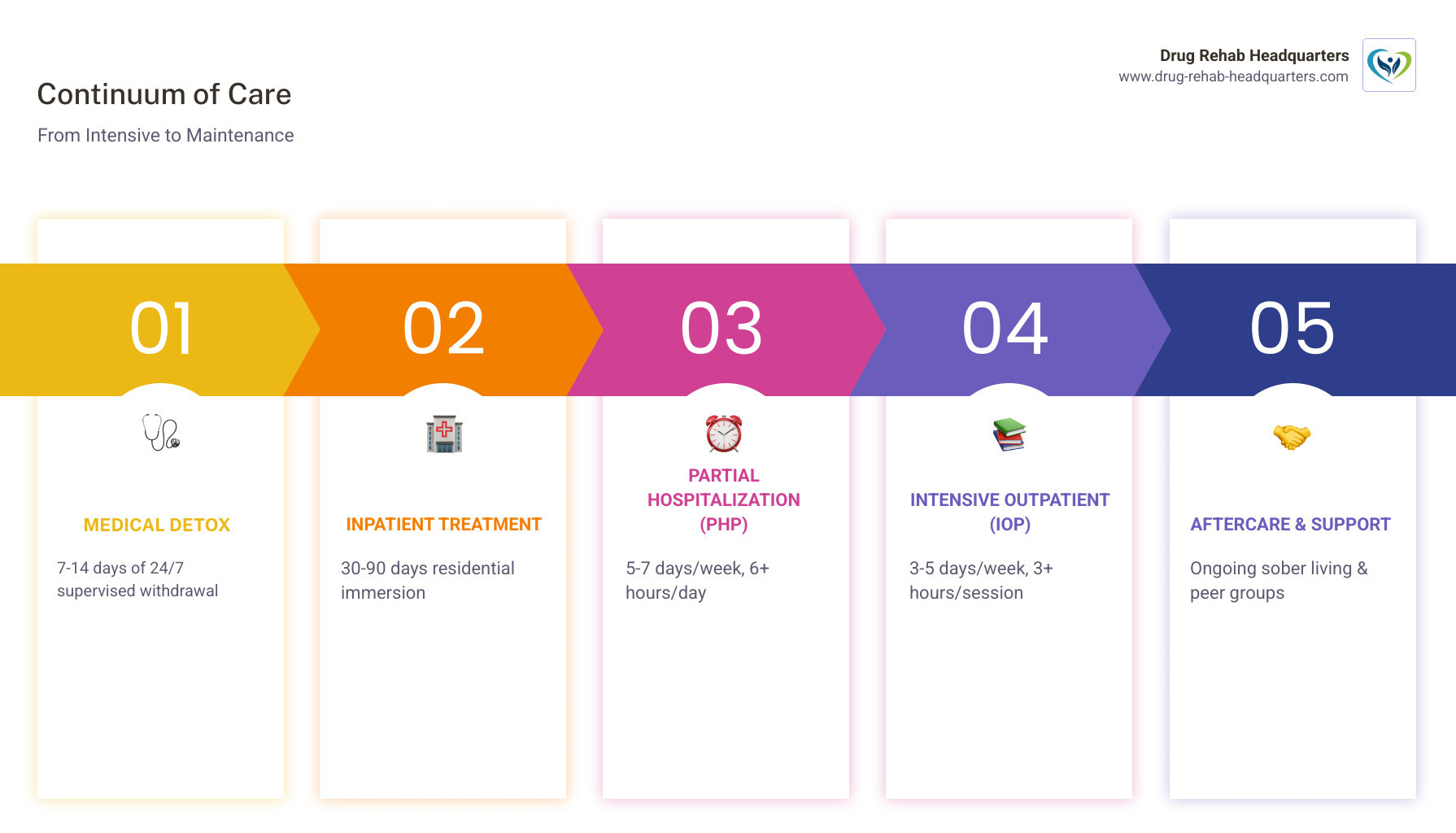
Understanding Inpatient Drug Treatment and Its Benefits
When we talk about the “gold standard” of care, we are often referring to Inpatient Drug Rehab. This level of care is designed to provide a complete break from the environment that fueled the addiction. By removing ourselves from the local bars, the friends who still use, and the high-stress situations at home, we give our brains a chance to heal.
The primary benefit of Inpatient Drug Treatment is the 24/7 supervision. For many of us, the first few days of sobriety are the hardest. Having medical professionals on-site to manage withdrawal symptoms through medical detox makes the process not only safer but significantly more comfortable. Beyond safety, the structured environment is a major plus. Every hour of the day is accounted for, which helps rebuild the discipline that addiction often strips away.
Scientific research consistently shows that the length of time spent in treatment is a major predictor of success. According to research-based guides on treatment duration, individuals who stay in a program for 90 days or longer are significantly more likely to remain abstinent. This is because it takes time for the brain’s chemistry to stabilize and for new, healthy habits to take root.

What to Expect in Inpatient Drug Treatment Facilities
If you’ve never been to a residential facility, you might imagine a sterile hospital ward. In reality, many modern Inpatient Drug Treatment centers feel more like a college campus or a quiet retreat. To get a better sense of this, you can explore a deep dive into inpatient treatment centers.
A typical day involves:
- Morning: Group meditation or light exercise followed by a healthy breakfast.
- Late Morning: Individual therapy sessions using evidence-based methods like Cognitive Behavioral Therapy (CBT) or Dialectical Behavior Therapy (DBT).
- Afternoon: Educational workshops on the neurobiology of addiction or nutritional support classes.
- Evening: Peer-led support groups (like 12-step meetings) and personal reflection time.
Medical monitoring is constant, ensuring that any physical or psychological issues are addressed immediately. This immersive approach is why many consider these the best alcohol treatment centers for those who need a total “reset.”
Comparing Outpatient and Inpatient Drug Treatment Success Rates
Is more expensive always better? Not necessarily, but the data does favor inpatient settings for severe cases. Studies indicate that clinical guidelines for withdrawal management are most effectively followed in a controlled environment.
Statistics show that 50-68% of those who complete an inpatient program remain drug-free at the one-year mark, compared to 35-45% for those in outpatient programs. Furthermore, a study in the Journal of Substance Abuse Treatment noted that 69% of those who completed a full inpatient program were still abstinent after 12 months, whereas only 48% of those who left treatment early achieved the same. For those just starting their journey, looking into the best inpatient rehab centers for beginners can provide a solid foundation that minimizes the risk of early relapse.
10 Cost-Effective Alternatives to Residential Alcohol Rehabilitation Centers
While Inpatient Drug Treatment is highly effective, it isn’t the only way to get sober. For many, the cost or the inability to leave work makes it a non-starter. Here are ten alternatives that offer professional support at a fraction of the cost of traditional Alcohol Rehabilitation Centers.
1. Partial Hospitalization Programs (PHP)
PHP is the closest thing to inpatient care without the overnight stay. You spend 5–7 days a week at the facility for 6–8 hours a day but go home at night. This significantly reduces the “room and board” portion of the bill.
2. Intensive Outpatient Programs (IOP)
IOPs usually require 9–20 hours of treatment per week. It’s a great middle ground that allows you to work or attend school while receiving professional counseling and group therapy.
3. Standard Outpatient Care
This involves meeting with a counselor or therapist 1–3 times per week. It is the most affordable professional option and is best suited for those with a strong support system at home and a less severe addiction.
4. Virtual Recovery Programs
With the rise of telehealth, many Alcohol Rehabilitation Centers now offer 100% virtual programs. These remove travel costs and are often much cheaper than in-person sessions. Nearly 2,500 people have completed virtual programs through major providers, proving their efficacy.
5. 12-Step Meetings (AA/NA)
Alcoholics Anonymous and Narcotics Anonymous are free. While they don’t provide medical care, the peer support and accountability they offer are legendary in the recovery community.
6. SMART Recovery
For those who prefer a secular, science-based approach over the spiritual nature of 12-steps, SMART Recovery offers free tools and meetings focused on self-empowerment and cognitive behavioral techniques.
7. Community-Based Support
Many local non-profits and the Canadian Mental Health Association (CMHA) offer free or low-cost counseling and support services. In Ontario alone, the ConnexOntario database lists over 5,300 such services.
8. Faith-Based Programs
Many churches and religious organizations offer “Celebrate Recovery” or similar programs. These are typically free and provide a strong community of like-minded individuals.
9. Sober Living Houses
If your home environment is the problem, a sober living house provides a drug-free residence. While you pay rent, it is significantly cheaper than a clinical facility, and you can work while living there.
10. Medication-Assisted Treatment (MAT) Clinics
For opioid or alcohol addiction, MAT clinics provide medications like methadone, buprenorphine, or naltrexone to curb cravings. When combined with standard counseling, this is an incredibly cost-effective way to maintain long-term sobriety. You can explore these and other inpatient addiction recovery options to see how they fit into a larger plan.
How to Find the Best Alcohol Treatment Centers Near You
Finding a facility can feel overwhelming, but we recommend focusing on a few “must-haves.” First, look for accreditation. The Joint Commission or CARF (Commission on Accreditation of Rehabilitation Facilities) seals of approval mean the facility meets high clinical standards.
When searching for the Best alcohol rehab centers, consider specialized tracks. Many facilities now offer programs custom to:
- Veterans: Addressing PTSD and service-related trauma.
- LGBTQ+: Providing a safe, affirming space for recovery.
- Dual Diagnosis: Treating mental health issues alongside addiction.
If you are in a specific region, such as looking for Inpatient Drug Rehab in Texas, ensure the facility is licensed by the state’s health department. Our team at Drug Rehab Headquarters can help you verify these credentials 24/7.
Financing Care at Alcohol Rehabilitation Centers
Let’s talk about the elephant in the room: the bill. Most Alcohol Rehabilitation Centers accept some form of insurance. Under the Affordable Care Act (ACA), substance use disorder treatment is considered an “essential health benefit,” meaning insurance companies are required to cover it to some degree.
Common Payment Options Include:
- Private Insurance: Plans like Blue Cross Blue Shield, Aetna, or Cigna often cover 30-80% of costs.
- Medicare/Medicaid: Many state-funded facilities and some private ones accept these for Inpatient Drug Treatment.
- Sliding Scale Fees: Some centers adjust their prices based on your income.
- Financing Plans: Much like a car loan, many centers allow you to pay off the treatment over several years.
Before you commit, compare and choose the best inpatient rehab programs based on their financial flexibility.
Frequently Asked Questions About Alcohol Treatment Centers
Is medical detox always included in inpatient programs?
Most high-quality Inpatient Drug Treatment programs include Inpatient Drug Detox as the first phase. This involves 24-hour nursing care to monitor vitals and administer medications that prevent dangerous withdrawal symptoms like seizures or delirium tremens (DTs). However, some “residential” programs require you to be detoxed before you arrive, so always ask.
Can I work while attending an outpatient program?
Yes! This is the primary reason people choose outpatient Alcohol treatment centers. Many programs offer evening or weekend sessions specifically for working professionals. This allows you to maintain your career and income while getting the help you need.
How long does the average treatment program last?
The most common duration is 30 days, which is often what insurance companies prefer to authorize initially. However, 60-day and 90-day stays are increasingly common because they produce better long-term outcomes. Some therapeutic communities and sober living environments suggest stays of 6 to 12 months for those with long histories of chronic relapse.
Conclusion: Taking the First Step Toward Recovery
Recovery is a journey, not a destination. Whether you choose a high-end Inpatient Drug Treatment facility or a local community support group, the most important step is the first one.
At Drug Rehab Headquarters, we are here to make that step easier. We offer 24/7 free support from certified counselors—many of whom have been exactly where you are right now. We don’t just give you a list of names; we provide personalized guidance to help you find evidence-based, holistic treatment options across North America. From Alabama to Wyoming, we know the landscape and can help you steer insurance problems and find a program that fits your budget.
Don’t let the fear of cost keep you from a better life. There are Inpatient Drug Rehab options and affordable alternatives ready to help you reclaim your health, your relationships, and your future. Give us a call today—we’re ready when you are.