
Why Finding the Best Rehab Programs Can Feel Overwhelming
Best rehab programs offer a comprehensive, evidence-based approach to addiction treatment, combining personalized therapy, medical support, and long-term aftercare to help individuals achieve lasting recovery. The most effective programs are typically CARF-accredited, employ highly qualified clinical teams (including Master’s-level therapists and licensed physicians), provide individualized treatment plans addressing concurrent mental health disorders, and offer robust aftercare support to prevent relapse.
Key features of top rehab programs include:
- Accreditation: CARF or Joint Commission certified
- Clinical Excellence: Master’s-level therapists, psychiatrists, and 24/7 counselor access
- Personalized Care: Individual therapy (3+ sessions/week), customized treatment plans
- Treatment Options: Inpatient, outpatient, virtual, and specialized programs
- Concurrent Disorder Treatment: Integrated care for mental health and addiction
- Comprehensive Aftercare: Continuation of care, alumni support, lifetime programs
- Evidence-Based Therapies: CBT, DBT, EMDR, family therapy
- Typical Duration: 30-90 days (research shows 90+ days yields best outcomes)
If you suspect that you or a loved one may have a substance use disorder, you’ve come to the right place. With over 14,500 specialized drug treatment facilities in the United States and thousands more across Canada, the sheer volume of options can feel paralyzing when you need help most urgently.
The stakes are incredibly high. Choosing the wrong program—one that lacks proper accreditation, uses outdated methods, or doesn’t address your unique needs—can mean wasted time, money, and hope. Research shows that treatment lasting less than 90 days is often of limited effectiveness, yet many people don’t know how long they should stay or what level of care they actually need.
This guide exists to cut through the confusion. We’ll walk you through the critical factors that separate truly effective rehab programs from the rest, help you understand different treatment structures (inpatient vs. outpatient vs. specialized care), and show you how to evaluate costs and insurance coverage. By the end, you’ll have a clear framework for making this life-changing decision.
At Drug Rehab Headquarters, we’ve dedicated ourselves to helping individuals and families steer the complex world of addiction recovery by connecting them with the best rehab programs that match their unique circumstances. Our mission is to provide the accurate, comprehensive information you need to find effective treatment and begin your journey to healing.
Key Factors in Finding the Best Rehab Programs
When starting on the journey to recovery, understanding what constitutes a truly effective program is paramount. The best rehab programs are built on a foundation of quality, expertise, and a commitment to individualized care. Let’s dig into the essential factors we consider when guiding you to the right choice.
First and foremost is accreditation. This isn’t just a fancy certificate; it’s an international mark of quality. Organizations like the Commission on Accreditation of Rehabilitation Facilities (CARF) and The Joint Commission rigorously evaluate healthcare organizations based on performance standards for quality and safety. A CARF accreditation, for instance, signals that a facility meets stringent international standards, ensuring a high level of care. When a rehab program is accredited, it means they’ve voluntarily undergone a thorough review process and demonstrated their commitment to continuous improvement. We always recommend looking for facilities that proudly display their accreditation.
Next, evaluate the staff’s qualifications. A Master’s-level therapist is trained to address deep-seated trauma and the root causes of addiction through psychotherapy. An addiction counselor typically focuses on managing unhealthy behaviors and developing coping skills for daily recovery. Both roles are vital, but their training and scope differ. The best rehab programs have a diverse clinical team with a range of expertise to address all facets of your recovery.
The treatment philosophy is another cornerstone. We look for programs that accept evidence-based practices—therapies and interventions proven effective through scientific research. This includes modalities like Cognitive Behavioral Therapy (CBT), Dialectical Behavior Therapy (DBT), and Eye Movement Desensitization and Reprocessing (EMDR) for trauma. Beyond specific techniques, many top programs adopt a holistic approach to addiction treatment. This means treating the “whole person”—addressing physical, emotional, spiritual, and mental health needs, not just the addiction itself. A holistic approach can incorporate activities like yoga, meditation, art therapy, and nutritional guidance, recognizing that true healing extends beyond abstinence.
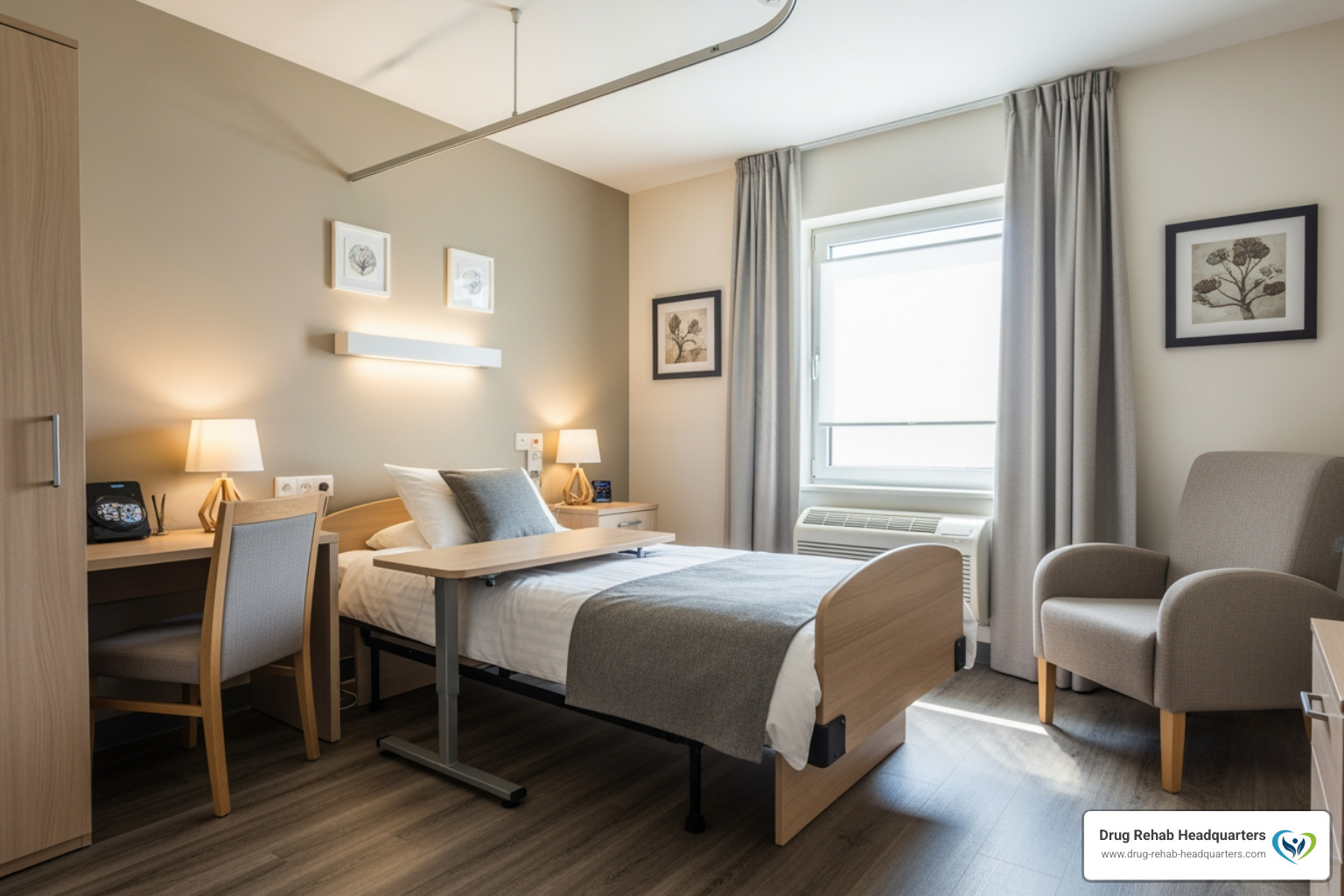
Finally, while not the most critical factor for clinical effectiveness, amenities and facilities play a role in creating a comfortable and conducive environment for healing. While we caution against choosing a program based solely on luxury, a serene and supportive setting can significantly aid recovery. Some facilities offer private rooms, fitness centers, or peaceful outdoor spaces, which can improve the overall treatment experience.
What defines a high-quality clinical team?
A high-quality clinical team is the backbone of an effective rehab program. Here’s what we look for:
- Master’s-level therapists: These professionals, often licensed clinical social workers (LCSW), licensed professional counselors (LPC), or licensed marriage and family therapists (LMFT), provide in-depth individual and group psychotherapy. Their advanced training allows them to address complex psychological issues and co-occurring mental health disorders.
- Licensed physicians: Medical doctors, sometimes with specialized training in addiction medicine, oversee detoxification and manage any medical conditions. They ensure your physical health is stable throughout treatment.
- 24/7 counselor access: Addiction doesn’t operate on a 9-to-5 schedule. The availability of counselors around the clock provides immediate support during crises, cravings, or emotional distress.
- Psychiatrists on staff: For individuals with concurrent mental health disorders, access to a psychiatrist for medication management and psychiatric evaluation is essential. Approximately 44% of American adults with addictions also have mental health conditions, making integrated psychiatric care a necessity.
- Low client-to-staff ratio: This ensures that each client receives ample individual attention and personalized care. A lower ratio means more time for individual therapy sessions, deeper engagement in group activities, and more responsive support from the team.
When considering a program, we encourage you to ask about the credentials of their clinical team. For more information on finding qualified professionals, you can refer to our guide on Mental Health Professionals Near Me.
Why is a personalized treatment approach crucial?
Since no two addiction journeys are identical, a personalized treatment approach is crucial for lasting recovery. The best rehab programs recognize that a one-size-fits-all model doesn’t work.
Here’s why personalization matters:
- Individual psychological evaluations: Upon admission, a thorough assessment helps identify the specific substances used, the duration and severity of the addiction, any co-occurring mental health issues, past traumas, and individual strengths and challenges. This detailed understanding forms the basis of a truly custom plan.
- Custom therapy plans: Based on these evaluations, a unique treatment plan is crafted. This might involve a specific combination of individual therapy, group therapy, family therapy, and specialized therapeutic modalities (like CBT, DBT, or EMDR) that are most relevant to your needs. For example, someone with a history of trauma might benefit significantly from EMDR, while another person might thrive in a program emphasizing CBT for anxiety.
- Addressing root causes of addiction: Addiction often stems from underlying issues such as trauma, mental health disorders, or unaddressed emotional pain. A personalized approach allows therapists to dig into these root causes, fostering deeper healing and reducing the likelihood of relapse.
- Program duration options (30, 60, 90-day): While research strongly suggests that longer treatment durations (90 days or more) lead to better outcomes, the ideal length of stay can vary based on individual progress and severity of addiction. Top programs offer flexibility with options like 30, 60, or 90-day programs, with the understanding that successful recovery is an ongoing process. For some, a longer residential stay is critical, while others may transition to intensive outpatient care after a shorter inpatient period.
A personalized approach ensures that your treatment is dynamic, adapting to your progress and evolving needs. It empowers you to take ownership of your recovery journey. To learn more about the comprehensive journey of addiction treatment, explore our Addiction Treatment Center Complete Guide.
Comparing Program Structures: Inpatient, Outpatient, and Specialized Care
Choosing the right treatment structure is pivotal. The best rehab programs offer various care levels to meet different needs, and we’re here to help you understand each option.
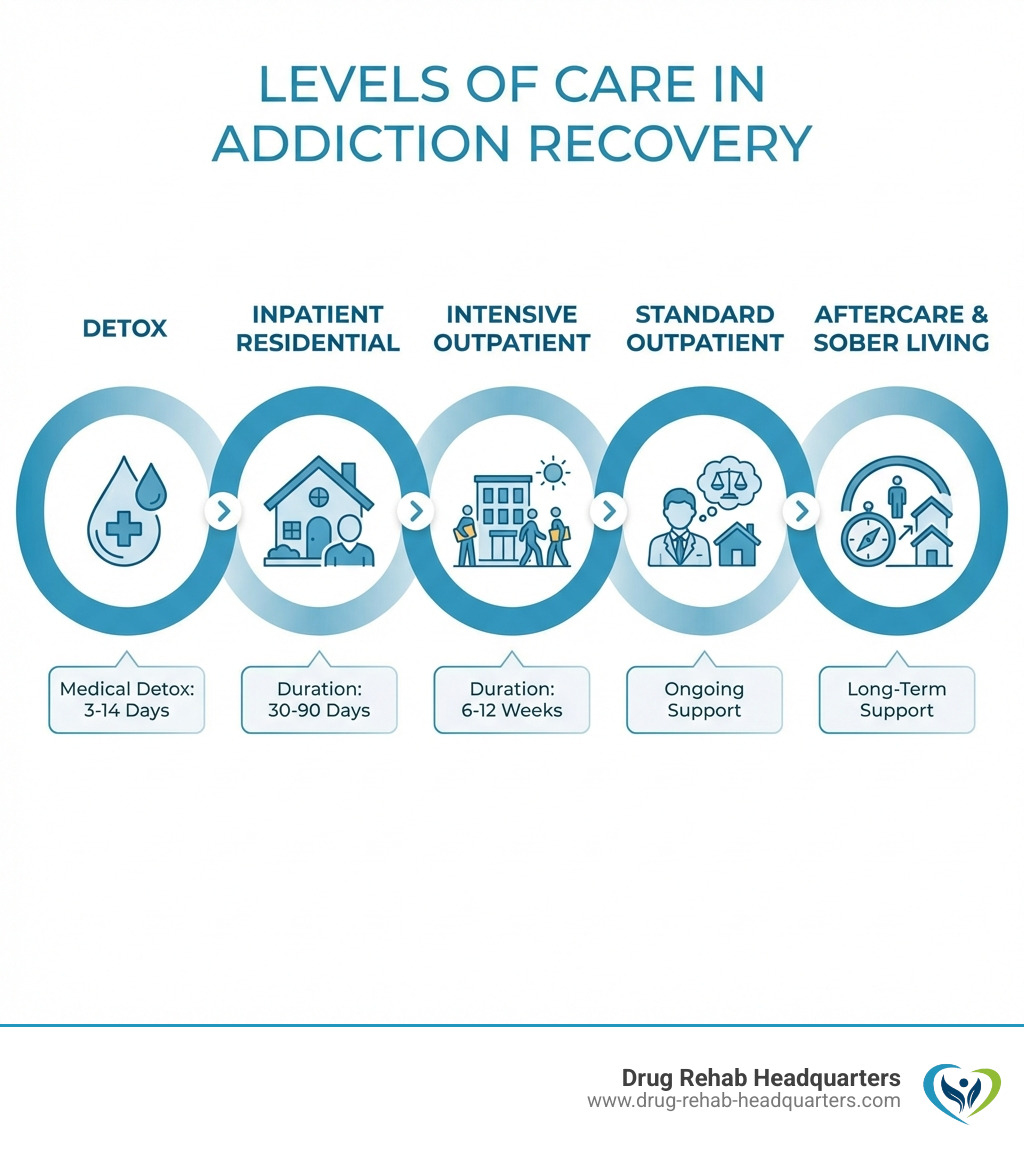
Inpatient rehab, also known as residential treatment, involves living at the facility 24/7. This highly structured environment removes you from daily triggers and provides constant medical and therapeutic support. It’s often recommended for individuals with severe addictions, co-occurring mental health disorders, or those who lack a stable, sober home environment. Inpatient programs offer intensive care, combining medication-assisted treatment, behavioral therapies, holistic activities, and life skills education. Studies show that inpatient programs often have positive outcomes, with success rates between 50% and 68% for those who complete treatment. You can find more detailed information about this option in our guide to Inpatient Drug Rehab.
Outpatient rehab allows you to live at home while attending scheduled treatment sessions. This option is suitable for individuals with milder substance use disorders, a strong support system, and the ability to maintain daily responsibilities like work or school. Outpatient programs offer many of the same therapies as inpatient care but with greater flexibility. Intensive Outpatient Programs (IOPs) and Partial Hospitalization Programs (PHPs) are more intensive forms of outpatient care, requiring several hours of commitment per week. IOPs typically require around 9 hours of weekly contact, while PHPs might demand 20 hours or more per week. Our resource on Intensive Outpatient Treatment provides further insight into these programs.
Virtual rehab programs have emerged as a flexible alternative, especially for those with geographical limitations or significant responsibilities. These programs offer online therapy, counseling, and group sessions, allowing you to access treatment from the comfort of your home. While convenient, they require a disciplined approach and a stable home environment.
Regardless of the program type, medically supervised detox is often the crucial first step. This process helps you safely and comfortably withdraw from substances under medical supervision, managing withdrawal symptoms and ensuring physical stability before engaging in the deeper therapeutic work. Detox typically lasts 3-14 days, depending on the substance and its severity.
What to Expect from the Best Rehab Programs for Concurrent Disorders
Addiction rarely exists in isolation; about 44% of American adults with addiction also have mental health conditions. The best rehab programs use integrated treatment (or dual diagnosis) to address both issues simultaneously.
Integrated treatment means that both conditions are addressed simultaneously by the same clinical team, rather than treating one after the other. This approach is vital because mental health challenges like anxiety, depression, and PTSD can often fuel substance use, and vice versa.
In programs specializing in concurrent disorders, you can expect:
- Comprehensive assessment: A thorough evaluation will identify all existing mental health conditions alongside your substance use disorder.
- Custom treatment plans: Your plan will integrate therapies for both addiction and mental health. For instance, you might receive CBT for depression combined with relapse prevention strategies for substance use.
- Medication management: If appropriate, psychiatrists will provide medication to manage mental health symptoms, which can significantly aid in addiction recovery.
- Specialized therapies: Many programs offer trauma-informed care, recognizing the strong link between trauma and addiction. Therapies like EMDR can be particularly effective in these cases.
The National Institute on Drug Abuse (NIDA) emphasizes that effective treatment must address multiple needs of the individual, not just drug abuse, including associated medical, psychological, social, vocational, and legal problems. This holistic perspective is central to treating co-occurring disorders as the standard of care. For a deeper understanding of this integrated approach, explore our Dual Diagnosis Treatment Facility page. You can also review NIDA’s Principles of effective treatment for more insights.
Are there specialized programs for specific needs?
Absolutely. Recognizing that everyone’s journey is unique, the best rehab programs often offer specialized tracks designed to address the distinct needs of various populations. These programs cater to specific demographics, professions, or underlying issues, providing a more focused and effective treatment experience.
Here are some examples of specialized programs you might encounter:
- First responder programs: Our brave first responders (police, firefighters, paramedics) face unique stressors and traumas that can lead to addiction and mental health issues. Specialized programs for them often incorporate trauma-focused therapies and peer support from fellow first responders, creating a safe and understanding environment.
- Trauma-focused care: For individuals whose addiction is deeply intertwined with past trauma, these programs prioritize healing the psychological wounds. They use therapies such as EMDR, somatic experiencing, and other trauma-informed approaches to help process traumatic memories and develop healthier coping mechanisms.
- Gender-specific programs: Some individuals feel more comfortable and open in a single-gender environment. Programs like Drug Rehab for Women address issues specific to women, such as gender-based trauma, parenting challenges, or relationship dynamics, in a supportive setting. Similarly, men-only programs can focus on male-specific issues.
- Executive rehab: Designed for professionals and executives, these programs often offer a higher level of privacy, amenities, and the ability to maintain some work responsibilities (within limits) while undergoing treatment. They understand the unique pressures faced by individuals in high-stakes careers.
- Young adult programs: Addiction manifests differently in young adults. These programs cater to the developmental stage of individuals typically aged 18-25, focusing on life skills, education, career planning, and building healthy social connections, often incorporating adventure or experiential therapies.
These specialized programs ensure that treatment is not only personalized but also culturally competent and sensitive to your unique life experiences.
The Core of Recovery: Therapy and Aftercare
Effective therapy and robust aftercare are at the heart of any successful recovery journey. These are where the real work of healing begins and continues long after formal treatment. The best rehab programs prioritize these comprehensive interventions and post-treatment support.
The role of therapy in healing is multifaceted. It’s where individuals learn to understand their addiction, identify triggers, develop coping skills, and address underlying emotional and psychological issues.
- Individual therapy: This is a cornerstone of treatment, offering a private, confidential space to work one-on-one with a therapist. Here, you can dig into personal history, trauma, mental health conditions, and develop personalized strategies for recovery.
- Group therapy: Sharing experiences and insights with peers who understand your struggles can be incredibly powerful. Group therapy fosters a sense of community, reduces feelings of isolation, and provides a platform for practicing communication and social skills in a supportive environment.
- Family and partner support: Addiction is often called a “family disease” because it impacts everyone around the individual. Family therapy helps mend relationships, improve communication, and educate loved ones on how to support recovery effectively. Some programs even offer partner support therapy at no extra cost.
Common therapeutic modalities used in the best rehab programs include:
- Cognitive Behavioral Therapy (CBT): Helps identify and change negative thought patterns and behaviors contributing to addiction.
- Dialectical Behavior Therapy (DBT): Focuses on emotional regulation, mindfulness, distress tolerance, and interpersonal effectiveness.
- Eye Movement Desensitization and Reprocessing (EMDR): An effective therapy for processing traumatic memories that can fuel substance use.
How do the best rehab programs support long-term recovery?
Completing an inpatient program is a monumental achievement, but it’s the start of a lifelong journey. The best rehab programs know sustained recovery requires ongoing support, making aftercare and relapse prevention critical.
- Aftercare planning: Before leaving a residential program, a comprehensive aftercare plan is developed. This isn’t a one-size-fits-all document but a personalized roadmap for continued sobriety. It might include recommendations for intensive outpatient programs, individual therapy, medication management, and vocational or educational support.
- Continuation of care: This involves a seamless transition from one level of care to the next. For example, moving from inpatient to a Partial Hospitalization Program (PHP) or Intensive Outpatient Program (IOP) ensures consistent support as you reintegrate into daily life. Some programs even use technologically supported systems to monitor recovery progress and identify potential problems that could lead to relapse.
- Alumni support groups: Connecting with fellow graduates who understand your experience provides invaluable peer support. These groups offer encouragement, accountability, and a safe space to share challenges and triumphs. Some centers offer lifetime aftercare, demonstrating a deep commitment to their clients’ long-term well-being.
- Lifetime aftercare options: A few exceptional programs go above and beyond, offering lifetime aftercare to their graduates. This can include ongoing access to support groups, case management, and resources, reinforcing that recovery is an ongoing process and you’re never truly alone.
- Relapse prevention strategies: This is a core component of aftercare. You’ll learn to identify personal triggers, develop healthy coping mechanisms, and create a strong support network to steer challenging situations without resorting to substance use.
Our page on Post Rehab Drug Rehab Aftercare offers more insights into building a resilient long-term recovery.
Navigating Costs and Insurance for Treatment
Understanding the financial aspect of addiction treatment can be daunting, but it shouldn’t be a barrier to seeking help. The cost of rehab varies significantly depending on the level of care, duration, location, and amenities offered.
In the U.S., treatment is funded by government sources and health plans. Publicly funded options often have long wait times and may be less intensive than private facilities. Private rehab centers, while more expensive, typically offer quicker access and a broader range of services.
For instance, a 30-day inpatient program in the U.S. can range from $5,000 to $20,000, with residential programs often costing between $5,000 and $80,000 depending on amenities and services. Partial Hospitalization Programs (PHPs) might cost $11,000 to $13,000 per month, and Intensive Outpatient Programs (IOPs) around $15,000 to $20,000 for a three-month program. Detox programs typically cost between $250 and $1,000 per day.
The good news is that under the Affordable Care Act (ACA), substance abuse treatment is considered an essential health benefit and must be covered by ACA insurance plans. Additionally, the Mental Health Parity and Addiction Equity Act (MHPAEA) requires most health plans to offer equivalent benefits for addiction treatment as they do for medical treatments.
- Private insurance coverage: Most private health insurance plans will cover a portion, if not all, of addiction treatment costs. Coverage varies widely depending on your specific plan, deductible, and network. We always recommend contacting your insurance provider directly to understand your benefits.
- Medicare and Medicaid: If you qualify, Medicare and Medicaid also provide coverage for addiction treatment, particularly for inpatient rehab, if deemed medically necessary.
- Financing options: Many rehab centers partner with medical financing companies that offer affordable monthly payment plans. Some facilities also offer sliding-scale fees, grants, or scholarships to help offset costs.
Don’t let perceived costs deter you. There are numerous resources available to help you find affordable care. Our pages on Cost of Rehab and Does Insurance Cover Rehab? can provide more detailed information and guidance.
Frequently Asked Questions about Choosing a Rehab Program
We understand you have many questions when facing such a significant decision. Here are some of the most common inquiries we receive:
What is the difference between inpatient and residential treatment?
While often used interchangeably because both involve living at the facility 24/7, “inpatient” and “residential” treatment have subtle distinctions:
- Inpatient treatment typically refers to a higher level of medical care, often found in a hospital setting or a facility with extensive medical resources. It’s common for initial medical detox or for individuals with severe co-occurring medical or psychiatric conditions that require constant medical supervision.
- Residential treatment generally refers to a non-hospital setting, such as a specialized rehab center or a therapeutic community. While still offering intensive therapeutic support and structure, the medical component might be less acute than in an inpatient hospital unit.
Both provide a safe, drug-free environment away from daily triggers, focusing on intensive therapy and holistic healing. The American Society of Addiction Medicine (ASAM) levels of care provide a more standardized framework, with Level 4 being medically managed intensive inpatient and Level 3 encompassing various forms of residential care.
How are co-occurring mental health disorders addressed in rehab?
As mentioned, co-occurring mental health disorders (dual diagnosis) are common. The best rehab programs address these conditions through an integrated treatment model. This means:
- Simultaneous treatment: Both the addiction and the mental health disorder (e.g., anxiety, depression, PTSD, bipolar disorder) are treated at the same time, by the same clinical team. This is crucial because symptoms of one can exacerbate the other.
- Specialized staff: The treatment team includes professionals qualified to treat both addiction and mental health, such as psychiatrists for medication management, and therapists trained in modalities effective for conditions like trauma, anxiety, and depression.
- Custom therapies: Therapeutic approaches are customized to address the complexities of both conditions. For example, someone with PTSD and opioid addiction might receive EMDR therapy alongside medication-assisted treatment and addiction counseling.
- Holistic approach: Integrated treatment often incorporates holistic practices that support overall mental well-being, such as mindfulness, yoga, and nutrition.
The goal is to provide comprehensive care that leads to stable mental health and sustained sobriety.
What happens if I relapse during or after treatment?
Relapse is a common part of recovery from a chronic disease like addiction. It is not a failure, but a sign that the treatment plan needs adjustment. The best rehab programs have clear, compassionate policies for handling relapse:
- During treatment: Reputable programs will not automatically discharge you for using substances. Instead, they will assess the situation, adjust your treatment plan, and potentially step you up to a more intensive level of care if needed. The focus is on learning from the setback and reinforcing recovery strategies.
- After treatment: Aftercare plans typically include strategies for managing cravings and high-risk situations. If a relapse occurs post-treatment, the aftercare support system (alumni groups, individual therapy, case management) is there to help you get back on track quickly. Many programs offer “booster” sessions or re-admission options.
Relapse prevention is an ongoing process, and understanding that support is always available is key to navigating these challenges.
Your Path to Recovery Starts with the Right Choice
Finding the best rehab programs for yourself or a loved one can feel like a monumental task, but it’s a decision that can change a life. We’ve walked through the essential factors: the critical importance of accreditation, the expertise of a high-quality clinical team, the necessity of a personalized treatment approach, and the different structures of care available. We’ve also highlighted the vital role of integrated therapy and robust aftercare in supporting long-term recovery, and provided guidance on navigating costs and insurance.
The “best” program isn’t a universal designation; it’s the one that best fits your unique needs, circumstances, and goals for recovery. It’s a program that addresses your whole self—body, mind, and spirit—and provides a compassionate, evidence-based path forward.
At Drug Rehab Headquarters, we are committed to being your trusted guide. We offer 24/7 free support from certified counselors, many with lived experience, providing personalized guidance to find suitable, evidence-based, holistic treatment options across North America. We’re here to help you connect with the resources and programs that will lay the foundation for a healthy, fulfilling life in recovery.
Take that brave first step. Contact us today, and let us help you Find the best inpatient drug rehab program for you.