
What You Need to Know About Cold Turkey Detox Before You Stop
Cold turkey detox — quitting a substance abruptly without medical help — sounds simple. But depending on what you’re quitting, it can range from uncomfortable to life-threatening.
Here’s a quick breakdown of the key risks:
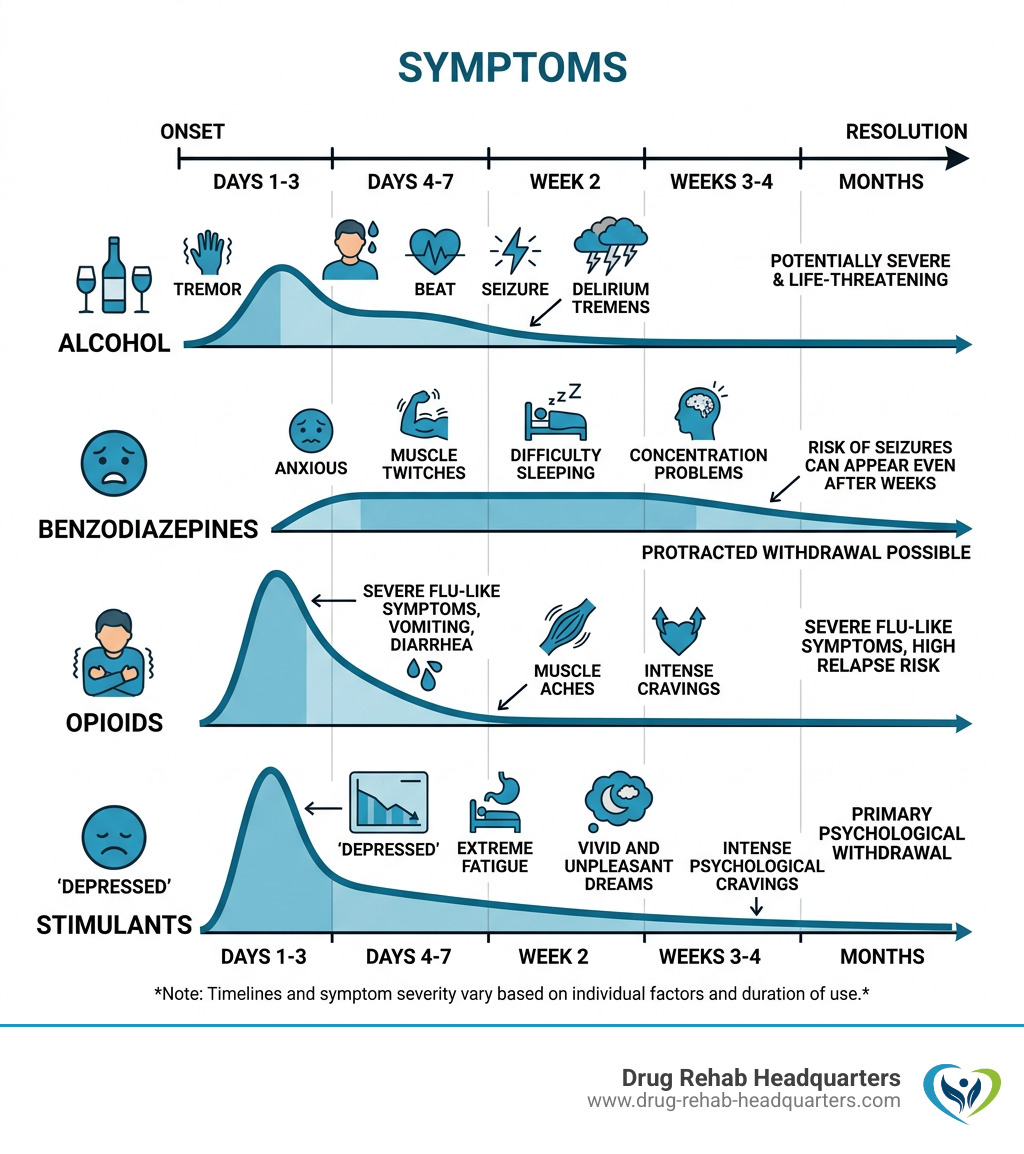
- Alcohol and benzodiazepines: Can cause fatal seizures and delirium tremens
- Opioids: Rarely fatal alone, but relapse and overdose risk is high
- Stimulants: Primarily psychological withdrawal, but can be severe
- Nicotine: Uncomfortable but not dangerous; cold turkey may actually work better with support
Many people believe quitting cold turkey is a matter of willpower. It’s not. Addiction changes brain chemistry. When a substance is suddenly removed, the brain scrambles to rebalance — and that process can spiral out of control fast.
Every year, hundreds of thousands of people end up in emergency rooms because of withdrawal complications. In 2011 alone, the Drug Abuse Warning Network (DAWN) reported around 250,000 emergency department visits from people specifically seeking detox services.
The truth is, how you stop matters just as much as deciding to stop.
At Drug Rehab Headquarters, we’ve spent years helping individuals and families understand the real risks of cold turkey detox and connecting them with safe, evidence-based treatment options — from inpatient rehab to medically supervised detox programs. If you need guidance right now, call us at (866) 720-3784.
Similar topics to cold turkey detox:
- drug rehabilitation center in florida
- drug rehabilitation centers in orlando florida
What Does It Mean to Quit Cold Turkey?
When we talk about a cold turkey detox, we are referring to the abrupt cessation of a substance. It means stopping “all at once” rather than slowly tapering off the dose. While the term is most common in discussions about smoking or drinking, it applies to any addictive substance or behavior, including opioids, stimulants, and even digital addictions.
Quitting abruptly is often seen as a “test of strength,” but in addiction medicine, it is often viewed as a dangerous gamble. Unlike a gradual taper, which allows the brain to slowly adjust to lower levels of a chemical, a cold turkey detox forces the central nervous system to recalibrate instantly. This sudden shift is what triggers Drug Withdrawal Symptoms: Complete Guide.
If you are currently considering stopping a substance and feel overwhelmed, please remember that you don’t have to do this alone. Our team is available 24/7 at (866) 720-3784 to help you find a safer path toward recovery.
The Origin of the Term
The phrase “cold turkey” has a bit of a colorful history. While there are several theories about its etymology, the most common explanation involves the physical appearance of someone in the middle of a heavy withdrawal.
When a person abruptly stops using certain drugs, especially opioids, they often experience “piloerection”—more commonly known as goosebumps. These bumps, combined with the pale, clammy skin often seen during withdrawal, resemble the skin of a plucked, refrigerated turkey.
Other historical references link the term to “talking turkey,” which meant speaking bluntly or plainly. In the 1920s, “taking cold turkey” was also slang for pleading guilty. It wasn’t until the mid-20th century that it became synonymous with the raw, unfiltered experience of sudden withdrawal, famously immortalized in John Lennon’s 1969 song “Cold Turkey,” written about his own grueling experience with heroin withdrawal.
Why People Choose Abrupt Cessation
If it’s so risky, why do people still try it? We find that most individuals choose a cold turkey detox for a few specific reasons:
- The “Quick Fix” Mentality: People are often tired of the hold a substance has on them and want it out of their system now. They believe that if they can just white-knuckle it through a few bad days, they’ll be free.
- Financial Constraints: Professional drug treatment centers and medical detox programs can seem expensive or inaccessible, leading people to try quitting at home for free.
- Lack of Awareness: Many people simply don’t realize that withdrawal from certain substances, like alcohol or benzodiazepines, can actually be fatal.
- Perceived Strength: There is a lingering cultural stigma that needing help to quit is a sign of weakness. In reality, seeking medical supervision is a sign of intelligence and a commitment to long-term success.
The Hidden Dangers of a Cold Turkey Detox
While the intention behind a cold turkey detox is positive, the biological reality can be devastating. When you use a substance chronically, your brain stops producing its own natural chemicals, relying instead on the drug to function. When that drug is suddenly removed, the brain enters a state of high-voltage chaos.
The risks aren’t just “feeling sick.” For many, the dangers include severe medical emergencies that require immediate intervention. If you or a loved one are experiencing severe symptoms, do not wait—call (866) 720-3784 for guidance on finding an inpatient rehab or medical facility.
The Risk of Fatal Seizures
The most significant danger of quitting Central Nervous System (CNS) depressants—like alcohol and benzodiazepines—is the risk of seizures. These substances work by enhancing GABA, a neurotransmitter that slows down brain activity. Over time, the brain compensates by becoming “hyperexcitable.”
When you stop these substances abruptly, the “brakes” are removed from the brain, but the “accelerator” is still floored. This leads to a massive electrical storm in the brain. According to the New England Journal of Medicine on Alcohol Withdrawal Risks, about 3 to 5 percent of people withdrawing from alcohol will suffer from Delirium Tremens (DTs), a severe condition involving hallucinations, high blood pressure, and potentially fatal seizures.
This is why Why Medical Detox for Alcohol is the Safest Bet—it allows doctors to use medications to keep the brain calm while the substance leaves the body. You can learn more about specific protocols for Benzo Withdrawal Treatment and how they prevent life-threatening seizures.
Relapse and Overdose Vulnerability
Another “hidden” danger of cold turkey detox is the increased risk of a fatal overdose if a relapse occurs. When you stop using a drug abruptly, your physical tolerance drops significantly in a very short amount of time.
If the withdrawal symptoms become too intense and the person reaches for their “usual” dose to stop the pain, that dose may now be enough to stop their heart or breathing. The Drug Abuse Warning Network (DAWN) has highlighted that a significant portion of emergency room visits involve people who were trying to quit but relapsed during the acute withdrawal phase.

Substance-Specific Withdrawal: Why Some Quits Are Deadlier Than Others
Not all substances are created equal when it comes to withdrawal. The “danger zone” depends heavily on which neurotransmitters are being disrupted.
| Substance Class | Primary Risk | Common Symptoms | Severity Level |
|---|---|---|---|
| Alcohol | Seizures, DTs, Death | Tremors, Hallucinations, Fever | Critical |
| Benzodiazepines | Seizures, Psychosis | Anxiety, Insomnia, Tremors | Critical |
| Opioids | Dehydration, Relapse | Flu-like symptoms, Bone pain | High Distress |
| Stimulants | Severe Depression, Suicidality | Fatigue, Vivid dreams, Paranoia | Psychological |
| Nicotine | Irritability, Cravings | Headache, Hunger, Restlessness | Low-Moderate |
Regardless of the substance, if you are struggling with the intensity of withdrawal, help is available. Call (866) 720-3784 to speak with a counselor who can help you navigate these symptoms safely.
The Reality of Opioid Cold Turkey Detox
Opioids, including heroin and prescription painkillers like OxyContin, Vicodin, and Percocet, create a powerful physical dependence. While opioid withdrawal is rarely fatal on its own (unlike alcohol), it is often described as the “worst flu you’ve ever had” multiplied by ten.
Symptoms usually begin within 12 hours of the last dose and include:
- Intense muscle and bone pain
- Chills and “cold turkey” goosebumps
- Severe nausea, vomiting, and diarrhea
- Agitation and insomnia
The National Library of Medicine notes that while these symptoms are physically agonizing, the real danger is dehydration and the psychological drive to use again to stop the pain. Understanding the Heroin Detox Process can help you prepare for what to expect and why medical support is so vital.
Alcohol and Benzodiazepines: A Lethal Combination
As we mentioned earlier, alcohol and benzos (like Xanax, Valium, and Ativan) are the most dangerous to quit abruptly. These substances are so similar in their effect on the brain that withdrawing from one is often compared to withdrawing from the other.
Psychology Today warns that the combination of physical symptoms—like hypertension and racing heart—and psychological symptoms—like terrifying hallucinations—can lead to cardiovascular collapse. If you are experiencing Alcohol Detox Symptoms, it is a medical emergency that requires professional oversight.
Stimulants and Nicotine: The Psychological Battle
Stimulants like cocaine and methamphetamine primarily impact dopamine and serotonin. A cold turkey detox from stimulants doesn’t usually carry the same seizure risk as alcohol, but the “crash” can be emotionally devastating. Users often experience profound depression, suicidal thoughts, and an inability to feel pleasure (anhedonia). You can read more about Meth Withdrawal Symptoms to understand the long-term psychological impact.
Interestingly, nicotine is one of the few substances where a cold turkey detox might actually be more effective for some. A 2016 study of nearly 700 smokers found that 49% of those who quit cold turkey (with support) were still smoke-free a month later, compared to 39% of those who tapered. However, without support, only about 3 to 5 out of 100 people stay off cigarettes long-term.
Safer Alternatives to Quitting Cold Turkey
If you’re ready to quit, we applaud your courage—but we want you to stay safe. There are proven, medical ways to stop using substances that don’t involve the shock of a cold turkey detox.
Choosing Detox Done Right means giving your body the time and support it needs to heal without the trauma of sudden withdrawal. If you’re unsure which option is right for you, give us a call at (866) 720-3784.
Choosing Medical Detox Over a Cold Turkey Detox
Medical detox is the gold standard for safety. In a professional facility, you are monitored 24/7 by medical staff who check your vital signs—heart rate, blood pressure, and temperature—to ensure you aren’t entering a danger zone.
Medical Detox Programs provide a controlled environment where medications can be used to alleviate pain, stop tremors, and prevent seizures. This is often the first step before transitioning into an Inpatient Drug Detox program where you can begin the deeper work of recovery.
Medication-Assisted Treatment (MAT)
For those struggling with opioids or alcohol, Medication-Assisted Treatment (MAT) can be a literal lifesaver. Medications like Methadone, Buprenorphine (Suboxone), and Naltrexone help stabilize brain chemistry, block the euphoric effects of opioids, and relieve physiological cravings.
The FDA emphasizes that tapering off powerful narcotics like OxyContin should always be done under a doctor’s supervision to minimize the risk of severe withdrawal. If you’re looking for specialized care, you can find resources like Methadone Detox Facilities in various locations across North America.
Preparing for Success: Support and Professional Help
Success in recovery isn’t just about getting the drugs out of your system; it’s about building a life where you don’t feel the need to use them anymore. This requires a solid foundation of support.
Before you start your journey, we recommend:
- Talking to a Doctor: Get a physical exam to assess your heart and liver health.
- Hydration and Nutrition: Focus on water, electrolytes, and complex carbohydrates to support your body’s repair process.
- Building a Network: Join groups like Alcoholics Anonymous (AA) or Narcotics Anonymous (NA).
Understanding The Road to Relief involves knowing that detox is just the beginning. If you’re ready to take that first step, call us at (866) 720-3784.
When to Seek Immediate Medical Attention
If you or someone you know is attempting to quit a substance and experiences any of the following, call 911 or go to the nearest emergency room immediately:
- Seizures: Any loss of consciousness or uncontrollable shaking.
- Hallucinations: Seeing, hearing, or feeling things that aren’t there.
- Severe Tremors: “The shakes” that make it impossible to hold a glass of water.
- Chest Pain or Rapid Heartbeat: Signs of cardiovascular stress.
- High Fever or Extreme Confusion: Possible signs of Delirium Tremens.
The American Academy of Family Physicians (AAFP) notes that alcohol withdrawal symptoms can actually start while alcohol is still in the bloodstream, so don’t wait for the “hangover” to seek help if you feel something is wrong.
Building a Long-Term Recovery Plan
Detox clears the fog, but therapy helps you navigate the road. A long-term plan should include behavioral therapy, counseling, and often a stay in a structured environment.
We encourage you to take a Deep Dive into Inpatient Treatment Centers to see how they provide the tools necessary for lasting change. From learning refusal skills to processing underlying trauma, these programs offer a holistic approach to wellness.
Frequently Asked Questions about Cold Turkey Detox
Is it safe to quit alcohol cold turkey?
In most cases, no. If you have been a frequent or heavy drinker, quitting abruptly can trigger a medical emergency. The risk of Delirium Tremens and seizures is too high to ignore. Professional supervision at accredited drug treatment centers is always recommended for alcohol withdrawal. If you need help finding a safe program, call (866) 720-3784.
How long do withdrawal symptoms last?
The acute phase of withdrawal typically lasts between 3 and 7 days. However, “protracted withdrawal” (PAWS) can cause mood swings, anxiety, and sleep issues for weeks or even months as the brain continues to heal.
Can you die from opioid withdrawal?
While opioid withdrawal itself is rarely the direct cause of death, the complications—such as severe dehydration from vomiting or heart failure due to the stress of withdrawal—can be fatal. Additionally, the risk of a fatal overdose during a relapse is extremely high. Opiate Withdrawal Research shows that medical support at an inpatient rehab significantly improves safety and outcomes.
Conclusion
At Drug Rehab Headquarters, we believe that everyone deserves a chance at a healthy, substance-free life. But we also believe that you shouldn’t have to risk your life to save it. A cold turkey detox might seem like the fastest way out, but the risks of seizures, overdose, and severe physical trauma are very real.
We provide 24/7 free support from certified counselors who can help you find suitable, evidence-based, and holistic treatment options across North America. Whether you need an inpatient rehab, a specialized drug treatment center, or a safe place for Detox, we are here to guide you.
Don’t gamble with your health. Let us help you find a safer way forward. Your recovery is waiting.