
The Fentanyl Crisis: Why Specialized Treatment Centers Matter
Fentanyl rehabilitation centers provide structured, medically supervised programs to help people safely detox from fentanyl and build lasting recovery. Here’s a quick overview of what they offer:
- Medical Detox – 24/7 supervised withdrawal management
- Inpatient Rehab – Residential care with round-the-clock support
- Partial Hospitalization (PHP) – Intensive daily treatment without overnight stays
- Intensive Outpatient (IOP) – Flexible treatment 3-4 days per week
- Medication-Assisted Treatment (MAT) – FDA-approved medications like Methadone, Buprenorphine, and Naltrexone
- Aftercare Planning – Ongoing support to prevent relapse
Need help now? Call (866) 720-3784 for a free, confidential consultation.
Fentanyl is 100 times stronger than morphine. That single fact explains why this synthetic opioid has become the deadliest drug in America. By 2022, fentanyl and other synthetic opioids were responsible for 70% of all fatal overdoses in the United States.
What makes fentanyl especially dangerous is how fast it acts. A dose too small to see can stop someone’s breathing. And because it’s routinely mixed into other street drugs – often without the user’s knowledge – people can be exposed without ever intending to use fentanyl at all.
Recovery from fentanyl addiction is not something most people can manage alone. The withdrawal is brutal. The cravings are intense. And the risk of relapse – and fatal overdose – is very real. Specialized treatment is not optional. It’s essential.
At Drug Rehab Headquarters, we’ve spent years helping individuals and families find the right drug rehab centers and inpatient rehab programs for their unique situation – including dedicated fentanyl rehabilitation centers across the country. This guide will walk you through everything you need to know, from detox to long-term recovery.
Important Fentanyl rehabilitation centers terms:
Understanding the Potency and Dangers of Fentanyl
To understand why fentanyl rehabilitation centers are so specialized, we have to look at the chemistry. Fentanyl is a synthetic opioid originally developed by Dr. Paul Janssen in 1959 for severe pain management, such as cancer treatment. However, its potency makes it a double-edged sword. It is 50 times stronger than heroin and up to 100 times more potent than morphine.
The statistics are staggering. Synthetic opioids, led by fentanyl, were the cause of 70% of fatal overdoses in 2022. Because it is cheap to manufacture, it is often used as a “cutting agent.” This has led to a rise in Fentanyl-laced Cocaine America, where users seeking a stimulant unknowingly consume a lethal opioid.
Signs of Fentanyl Abuse
Recognizing the signs of fentanyl use can save a life. Physical symptoms often include:
- Pinpoint pupils: Extremely small, constricted pupils even in dim light.
- Nodding off: Falling asleep suddenly mid-conversation or in an upright position.
- Slowed breathing: Respiratory depression is the leading cause of fentanyl death.
- Drowsiness and lethargy: A general lack of energy or “heavy” limbs.
- Physical changes: Constipation, nausea, and itching are common side effects.
If you notice these signs in yourself or a loved one, don’t wait. The window for intervention is small because the risk of overdose is so high. Call us at (866) 720-3784 to explore your options for immediate help.
Levels of Care at Fentanyl Rehabilitation Centers
Recovery isn’t a “one size fits all” process. Because fentanyl binds so strongly to the brain’s opioid receptors, the brain needs time and professional support to recalibrate. Fentanyl rehabilitation centers typically offer a “continuum of care,” moving a person from high-intensity medical supervision to lower-intensity community support.
The Role of Inpatient Rehab in Fentanyl Recovery
For most people struggling with fentanyl, Inpatient Drug Rehab is the safest starting point. These programs provide 24/7 medical and clinical supervision. This environment is crucial for several reasons:
- Safety: It removes the individual from triggers and access to drugs during the most vulnerable period.
- Stabilization: Doctors can manage the intense physical and mental distress that follows cessation.
- Dual Diagnosis: Many people use fentanyl to mask underlying trauma, anxiety, or depression. Treatment Centers for Opioid Addiction are equipped to treat these co-occurring disorders simultaneously.
- Structure: A daily schedule of therapy, wellness, and peer support helps rebuild a sense of normalcy.
Medical Detox: The Critical First Step
Before therapy can begin, the body must be cleared of the drug. Medical Detox Programs are essential for fentanyl because the withdrawal symptoms are so severe that many people relapse just to make the pain stop. In a medical setting, clinicians use FDA-approved medications to ease the transition.
Outpatient Options and Step-Down Care
Once a person is physically stable, they may transition to “step-down” programs. These levels of Drug Addiction Treatment allow for more flexibility:
- Partial Hospitalization Program (PHP): You attend treatment for about 20 hours a week but live at home or in a sober living environment.
- Intensive Outpatient Program (IOP): These sessions usually run 3-4 times a week for about three hours each. It’s designed for those who need to maintain work or school commitments while continuing their recovery.
- Outpatient Therapy: Individual or group counseling that might last from a few months to over a year.
If you are unsure which level of care you need, our certified counselors at (866) 720-3784 are available 24/7 to help you figure it out.
Evidence-Based Treatments: MAT and Behavioral Therapies
Modern fentanyl rehabilitation centers rely on science-backed methods to improve success rates. This usually involves a combination of Medication-Assisted Treatment (MAT) and behavioral therapies.
Medication-Assisted Treatment (MAT) in Fentanyl Rehabilitation Centers
MAT is the use of medications, in combination with counseling, to provide a “whole-patient” approach. It is particularly effective for Opiate Addiction Treatment.
| Medication | Type | How it Works |
|---|---|---|
| Methadone | Full Agonist | Reduces cravings and withdrawal; must be taken at a certified clinic. |
| Buprenorphine | Partial Agonist | Blocks other opioids while reducing withdrawal; often found in Suboxone. |
| Naltrexone | Antagonist | Blocks the “high” entirely; requires full detox before starting. |
A unique challenge with fentanyl is the “induction” of these medications. Because fentanyl is fat-soluble and stays in the system longer than heroin, starting Buprenorphine too early can cause “precipitated withdrawal”—an intense, sudden onset of symptoms. Some centers use the Bernese Method, which involves micro-dosing Buprenorphine while the user is still taking small amounts of fentanyl to slowly transition the brain without the shock. This level of expertise is why professional Heroin Addiction Treatment and fentanyl care are so vital.
Behavioral Therapies
Medication handles the physical side; therapy handles the mental side. Common approaches include:
- Cognitive Behavioral Therapy (CBT): Identifying and changing the thought patterns that lead to drug use.
- Motivational Interviewing (MI): Helping individuals find their own internal motivation to change.
- Contingency Management (CM): Providing tangible rewards (like vouchers or points) for reaching milestones like clean drug tests.
Holistic and Alternative Healing Modalities
We believe in treating the whole person, not just the addiction. Many fentanyl rehabilitation centers now incorporate:
- Yoga and Meditation: To manage stress and reconnect with the body.
- Fitness and Nutrition: To repair the physical damage caused by long-term opioid use.
- Art and Music Therapy: To provide healthy outlets for emotional expression.
Recovery is hard work, but it doesn’t have to be clinical and cold. A little humor and a lot of compassion go a long way. If you’re ready to start, call (866) 720-3784.
Navigating the Cost and Duration of Fentanyl Addiction Treatment
One of the biggest hurdles to seeking help is the fear of the bill. However, the cost of not getting help is far higher.
The Cost of Treatment
According to the Average Cost of Drug Rehab [2025], prices vary based on the level of care:
- Medical Detox/Inpatient: Can range from $600 to over $1,000 per day.
- Outpatient Methadone: Approximately $126 per week.
- Buprenorphine Treatment: Around $115 per week.
- Naltrexone: Can cost over $14,000 annually due to the medication costs.
Insurance Information
Most private insurance plans are required to cover substance abuse treatment under the Affordable Care Act. Many fentanyl rehabilitation centers also accept Medicaid or offer sliding scale fees based on income. We can help you verify your insurance benefits for free when you call (866) 720-3784.
Success Rates of Fentanyl Rehabilitation
While fentanyl is highly addictive, success rates improve significantly with long-term, evidence-based treatment. Research indicates that individuals who complete a full continuum of care—starting with medical detox and moving through residential and outpatient programs—have a much higher likelihood of maintaining long-term sobriety. Success is often measured by sustained abstinence, improved physical health, and the restoration of family and professional relationships.
Typical Duration of Detox and Rehabilitation Programs
How long does it take to get better? There is no “magic number,” but research shows that longer durations generally lead to better outcomes.
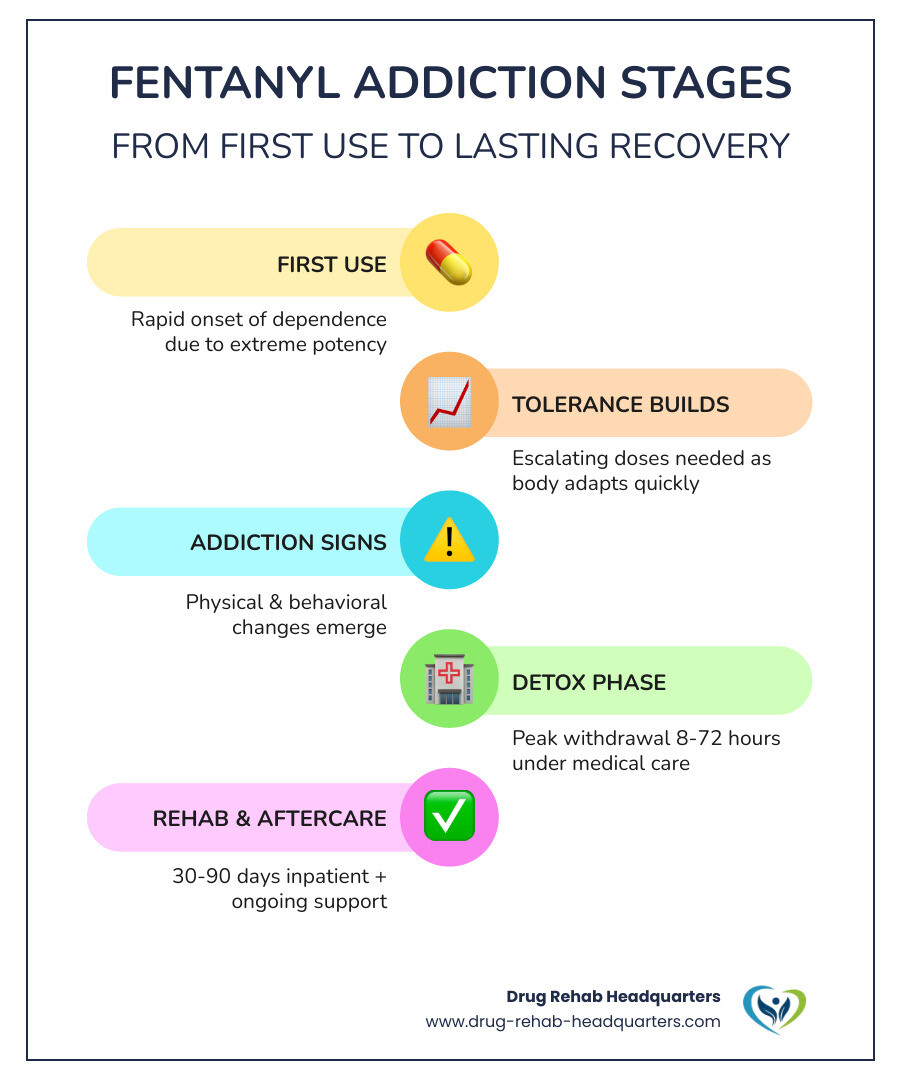
- Detox: Usually lasts 5 to 10 days. Withdrawal symptoms often begin within 8-30 hours of the last dose and peak between 36 and 72 hours.
- Residential Rehabilitation: Standard programs are 30, 60, or 90 days.
- Aftercare: This is a lifelong process. Continued Drug Detox support and alumni groups are key to maintaining sobriety.
Types of Rehab Centers in Indiana
Indiana offers a diverse range of facilities to combat the opioid crisis, including state-funded clinics and private luxury drug rehab centers. These facilities specialize in treating high-potency synthetic opioid addiction with specialized medical protocols.
Inpatient vs. Outpatient Treatment in Indiana
Choosing between inpatient rehab and outpatient care in Indiana depends on the severity of the fentanyl use. Inpatient programs in cities like Indianapolis and Fort Wayne provide 24/7 supervision, which is often necessary for the initial stages of fentanyl recovery. Outpatient programs offer flexibility for those who have completed residential care but still require intensive therapy.
Finding the Right Addiction Treatment Program
When searching for a program, it is vital to look for facilities that offer integrated care for co-occurring disorders. The right program should provide a combination of medical detox, behavioral therapy, and a robust aftercare plan to ensure long-term success.
Insurance Coverage for Indiana Rehab Centers
Many Indiana residents utilize private insurance or the Healthy Indiana Plan (HIP) to cover the costs of addiction services. Most fentanyl rehabilitation centers in the state are equipped to help you navigate your benefits to minimize out-of-pocket expenses. For immediate assistance finding a center in Indiana, call (866) 720-3784.
Frequently Asked Questions about Fentanyl Rehabilitation
How long does fentanyl detox typically last?
Fentanyl detox usually takes 5 to 10 days for the acute physical symptoms to subside. However, “Post-Acute Withdrawal Syndrome” (PAWS)—which includes anxiety and sleep issues—can last for weeks or months. This is why professional Detox followed by rehabilitation is so important. Call (866) 720-3784 to find a detox bed today.
What are the common signs of fentanyl addiction?
Beyond the physical “nodding off,” look for behavioral changes:
- Neglecting responsibilities at work or home.
- Financial problems or asking for money frequently.
- Isolation from family and friends.
- Obsessive focus on obtaining the next dose.
- Looking for fentanyl rehabilitation centers or ways to “quit” on their own.
Does insurance cover the cost of fentanyl rehabilitation centers?
Yes, in most cases. Most private insurance providers, including Blue Cross Blue Shield, Aetna, and Cigna, offer coverage for addiction services. At Drug Rehab Headquarters, we can perform a free insurance verification to tell you exactly what your plan covers. Just call (866) 720-3784.
Conclusion
Fentanyl is a terrifying drug, but it doesn’t have to be the end of your story. Thousands of people walk through the doors of fentanyl rehabilitation centers every year and come out the other side with their lives, their families, and their hope restored.
At Drug Rehab Headquarters, we are more than just a directory. We offer 24/7 free support from certified counselors. Many of us have lived experience—we’ve been where you are, and we know the way out. We offer personalized guidance to find the most suitable, evidence-based, and holistic Addiction Treatment options across North America.
Whether you need help with alcohol, fentanyl, or any other substance, we are here for you. You don’t have to do this alone.
Take the first step toward your new life today. Call us at (866) 720-3784.