When Addiction Doesn’t Wait, Neither Should Help
Free addiction support 24/7 is available right now — no insurance, no appointment, no waiting.
Here are the fastest ways to reach free, confidential help at any hour:
| Resource | Contact | What They Offer |
|---|---|---|
| SAMHSA National Helpline | 1-800-662-4357 | Free referrals, treatment info, 24/7 |
| 988 Suicide & Crisis Lifeline | Call or text 988 | Crisis support, mental health, 24/7 |
| National Rehab Hotline | 866-210-1303 | Addiction crisis support, 24/7 |
| Drug Rehab Headquarters | (866) 720-3784 | Personalized guidance, free, 24/7 |
| FindTreatment.gov | findtreatment.gov | Anonymous treatment locator |
�� Need Help Now? Reach out for confidential support.
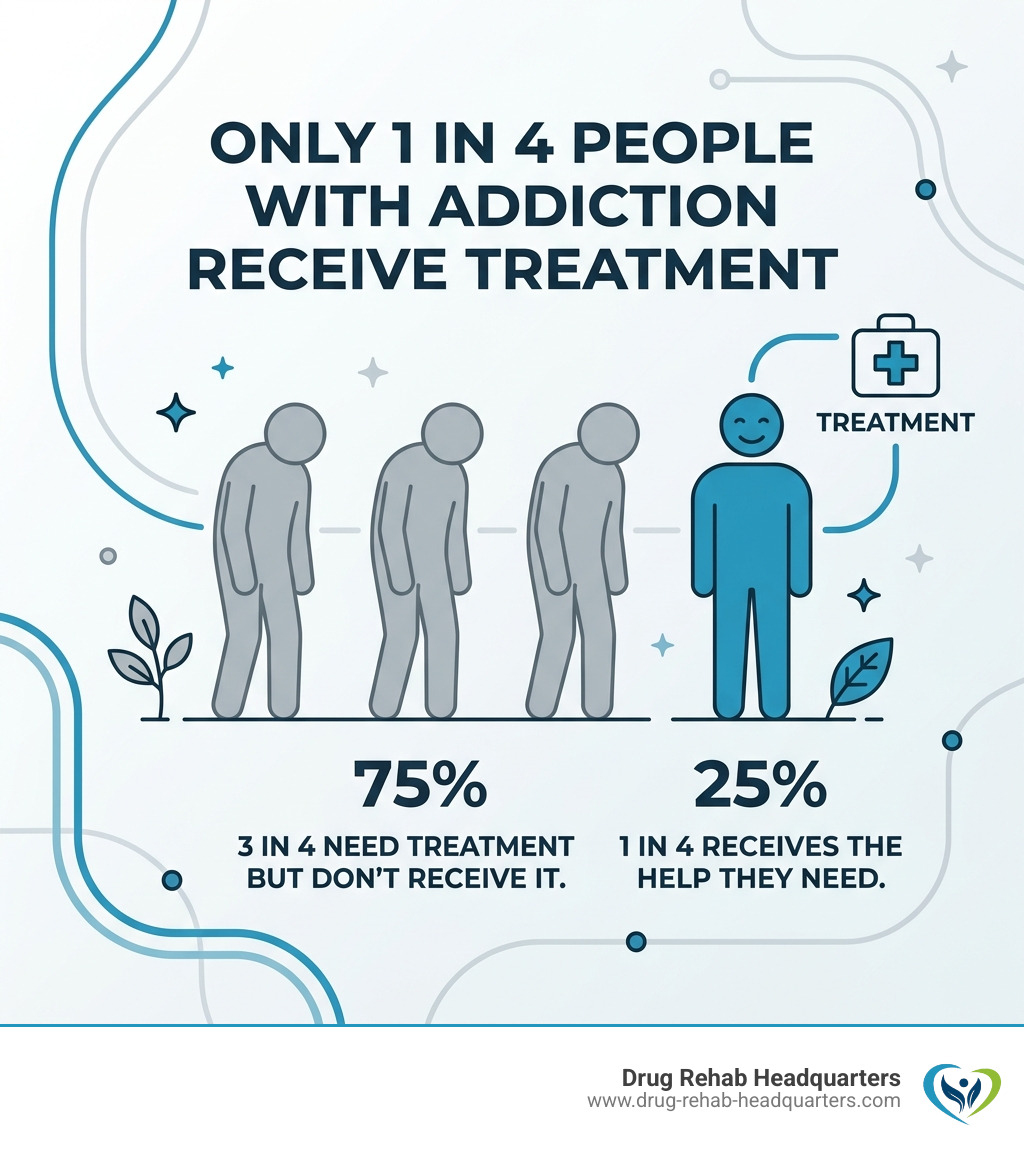
Nearly 49 million Americans meet the criteria for a substance use disorder. Yet only about 1 in 4 people who need treatment actually receive it. That gap is staggering — and it often comes down to one thing: not knowing where to start.
The good news? A single phone call can change everything. One caller described how reaching out to a hotline led her husband to a local treatment plan — and 18 months of sobriety.
You don’t have to have it all figured out. You just have to make the call.
At Drug Rehab Headquarters, we’ve spent years helping individuals and families cut through the confusion of addiction treatment — connecting people with the right free addiction support 24/7 resources for their exact situation. In this guide, we’ll walk you through every major hotline, directory, and support option available to you right now.
Essential Resources for Free Addiction Support 24/7

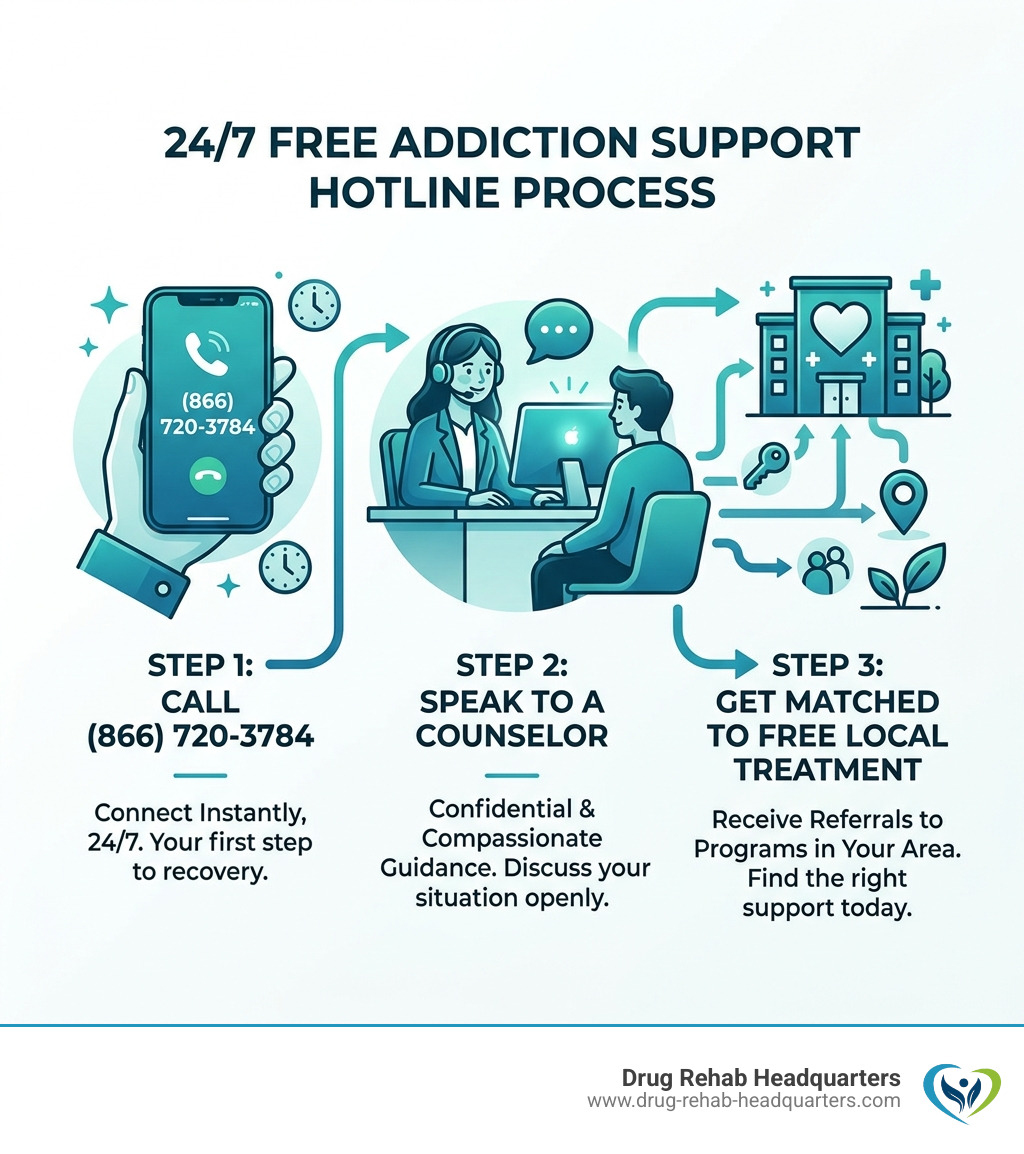
When you are in the middle of a crisis, you don’t need a complicated intake process; you need a human voice. National resources like the SAMHSA National Helpline and the 988 Suicide & Crisis Lifeline serve as the backbone of free addiction support 24/7 in the United States. These services are designed to be low-barrier, meaning anyone can call regardless of their financial situation or legal status.
The 988 Lifeline is particularly vital if you are experiencing a mental health crisis alongside substance use. Since about half of all people with a substance use disorder also experience a serious mental illness, having a single number that addresses both is a game-changer. For those specifically looking for a roadmap to recovery, 247 support finding immediate addiction help can provide the clarity needed to take the next step.
If you are unsure if your situation qualifies as an “emergency,” remember that these lines are for everyone: individuals struggling with use, worried parents, or friends looking for immediate addiction help resources for urgent support.
�� Questions? We have answers 24/7. Reach out today.
Medical Detox and Withdrawal Management
Stopping “cold turkey” can be more than just difficult; for certain substances like alcohol or benzodiazepines, it can be life-threatening. Medical detox provides a supervised environment where clinicians use evidence-based protocols to manage withdrawal symptoms safely.
Resources like 24/7 substance abuse and addiction support in Northern Alabama or Set Free Alaska treatment services offer specialized pathways for those needing immediate stabilization. During a detox program, the focus is on physical safety and comfort, often involving medication-assisted treatment (MAT) to reduce cravings and prevent relapse. If you are currently experiencing withdrawal, do not wait. Reach out to find a facility that can help you detox safely.
Inpatient and Residential Treatment Options
For many, the best way to break the cycle of addiction is to step away from the environment where the usage occurred. Inpatient treatment provides 24-hour care in a structured setting. This level of care is ideal for those with severe addictions or co-occurring mental health disorders.
While many people worry about the cost, there are numerous state-funded and non-profit options available. You can explore the ultimate list of free inpatient rehab centers near you to find facilities that offer high-quality care at no cost to the patient. State-specific resources, such as Arkansas substance abuse treatment, provide directories of facilities licensed to provide these intensive services.
Outpatient and Intensive Support Programs
Not everyone can commit to a 30-day residential stay. Outpatient programs allow you to receive professional counseling and medical support while living at home and maintaining work or school obligations. Intensive Outpatient Programs (IOP) offer a middle ground, providing several hours of therapy multiple days a week.
You can find more info about intensive outpatient treatment to see if this flexible schedule fits your life. Many of these programs are designed to be affordable, and resources like smart choices sober future affordable drug treatment solutions highlight how to access these services without breaking the bank.
�� Find a program that fits your schedule. Support is available.
Localized Help and National Recovery Statistics
The scale of the addiction crisis in America is vast. As of April 2026, the most recent data shows that nearly 49 million people meet the criteria for a substance use disorder. Perhaps most concerning is the “treatment gap”: only 24% of those who needed specialty treatment in the past year actually received it.
| Statistic | Figure |
|---|---|
| Americans with SUD (2022 data) | 49 Million |
| Percentage of people who receive needed help | 24% |
| Teens and adults battling SUD (2021) | 21.9% |
| Americans using substances in the past month | 169 Million |
Regional resources are often the most effective way to bridge this gap. For example, those looking for substance abuse hotlines for California can find state-specific advisors who understand the local landscape of available beds and funding.
State-Specific Directories and Crisis Centers
Many states have developed their own sophisticated systems to provide free addiction support 24/7. Colorado, for instance, utilizes the Colorado LIFTS (Local Interventions Finder for Treatment Services) platform. Residents can get help in Colorado through a centralized hub that connects them to walk-in crisis centers and local providers.
Similarly, Connecticut addiction services and help is here Delaware offer tailored portals for residents of those states. These directories are invaluable because they often include information on state-funded programs that may not appear in general web searches.
�� Looking for help in your state? Reach out for guidance.
Finding Support in Your Community
Your local county health department is often an overlooked resource for addiction help. They can provide information on local harm reduction services, such as free Naloxone (Narcan) distribution and needle exchange programs.
If you are in a major metro area, there are often dedicated non-profit lists, such as free rehab centers in Cincinnati Ohio. To broaden your search, you can search for local treatment options using our comprehensive database that covers nearby cities and rural counties alike.
How to Choose the Right Recovery Path
Choosing a recovery path can feel overwhelming, but it helps to look for a few “gold standards” of care. First, ensure the facility or program uses evidence-based practices—these are treatments like Cognitive Behavioral Therapy (CBT) or Medication-Assisted Treatment (MAT) that have been scientifically proven to work.
Second, check the qualifications of the staff. At Drug Rehab Headquarters, we believe in the power of lived experience. Many of the counselors we work with are in recovery themselves, offering a level of empathy and insight that you can’t get from a textbook. If you’re feeling stuck, 247 support connecting with a drug addiction helpline can help you weigh your options.
�� Talk to a counselor who understands. Reach out today.
How Free Addiction Support 24/7 Protects Your Privacy
A major barrier to seeking help is the fear of judgment or legal repercussions. It is important to know that free addiction support 24/7 is strictly confidential. Federal laws, including HIPAA and 42 CFR Part 2, protect your substance use treatment records with a higher level of privacy than even standard medical records.
When you call a hotline, you can often remain anonymous. Programs like SMART Recovery – addiction recovery support offer a self-empowerment model that focuses on tools and worksheets you can use privately. Whether you are calling a national line or a private resource, your privacy is a legal and ethical priority.
Accessing Free Addiction Support 24/7 for Family Members
Addiction is a “family disease,” meaning it affects everyone in the household. Hotlines aren’t just for the person using substances; they are also for the people who love them. If you are a family member, you can call for guidance on how to stage an intervention, how to set healthy boundaries, or how to find support groups like Al-Anon.
Resources like dont wait your guide to immediate alcohol assistance provide specific strategies for helping a loved one who may be resistant to treatment. You don’t have to wait for them to “hit bottom” to start gathering information.
�� Support for the whole family is available 24/7.
Understanding Costs and Insurance Coverage
The cost of rehab is the number one reason people avoid seeking help. However, the “sticker price” of rehab is rarely what you actually pay. Between private insurance, Medicaid, and state grants, there is almost always a way to fund your recovery.
The first step is to verify your insurance coverage. Most private plans are required by law to cover mental health and substance abuse treatment at the same level they cover physical health issues. For a deeper dive into the financial side of things, read the price of recovery understanding rehab costs and finding free options.
Payment Options and Financial Assistance
If you don’t have insurance, don’t lose hope. Many facilities operate on a “sliding scale,” meaning they adjust their fees based on your income. There are also state-funded programs specifically for those with no financial resources.
Breaking barriers accessing free alcohol treatment programs is a great resource for learning about these non-traditional funding routes. You can also find more info about rehab resources that explain how to apply for scholarships or grants.
�� Don’t let money stop you. Reach out for a free benefit check.
Frequently Asked Questions about Free Addiction Support
How much does 24/7 addiction support cost?
The hotlines themselves are 100% toll-free and free to use. When you reach out, you are receiving free initial consultations and referrals. While some long-term residential programs have costs, our counselors specialize in finding no-cost or low-cost options that fit your budget.
How long does the recovery process take?
Recovery is a marathon, not a sprint. Medical detox usually lasts 3 to 7 days. Residential programs typically run for 30, 60, or 90 days. However, the most successful individuals often engage in some form of aftercare or support groups for a year or more. The pace is individualized to your specific needs.
Will my private insurance cover rehab?
In most cases, yes. Whether you have a PPO or an HMO, behavioral health benefits are a standard part of modern insurance plans. You can verify your insurance through our secure portal. We can help you understand your deductible and out-of-pocket maximums so there are no surprises.
Conclusion
At Drug Rehab Headquarters, we know that the hardest part of the journey is the very first step. Our team of certified counselors—many of whom have walked this path themselves—is here to offer you more than just a list of phone numbers. We offer a compassionate, holistic approach to finding the right treatment for you or your loved one.
Whether you need a state-funded bed, a specialized LGBTQ+ program, or a high-end holistic retreat that accepts your insurance, we are your 24/7 partner in recovery. You don’t have to wait for the sun to come up to start your new life.
Your recovery starts with a single call. Start your recovery journey today online.