Why Addiction Support Services Matter for Your Recovery Journey
Addiction support services are professional programs and resources designed to help individuals overcome substance use disorders through medical care, therapy, peer support, and long-term recovery planning. These services range from emergency helplines and medical detox to ongoing counseling and community support groups.
If you need immediate help:
- Crisis Support: Call or text 988 for the Suicide & Crisis Lifeline, or dial 911 for medical emergencies
- Treatment Referrals: Call SAMHSA’s National Helpline at 1-800-662-HELP (4357) for free, confidential, 24/7 guidance
- Find Local Treatment: Use FindTreatment.gov to search for facilities near you
- Veterans Support: Call the Veterans Crisis Line at 988 and press 1
In 2022, more than one in six Americans aged 12 or older experienced a substance use disorder. Yet 94% of people with SUDs did not receive treatment. This gap exists largely because navigating treatment options feels overwhelming when you’re already struggling.
The good news? Recovery is possible for everyone. Addiction is a treatable chronic disease, not a character flaw. Like diabetes or heart disease, it requires ongoing care and support—but with the right help, people can and do recover.
The challenge is finding that help. With so many programs, therapies, and facilities available, how do you know which ones will work for your unique situation? Understanding the full spectrum of addiction support services—from emergency intervention to long-term aftercare—is the first step toward lasting recovery.
Drug Rehab Headquarters has spent years helping individuals and families steer the complex addiction treatment landscape, connecting people with evidence-based addiction support services that match their specific needs and circumstances. Our mission is to simplify this overwhelming process so you can focus on what matters most: getting well.
Understanding Substance Use Disorder (SUD)
A substance use disorder (SUD) is a complex and chronic disease that affects a person’s brain and behavior. It’s characterized by a cluster of cognitive, behavioral, and physiological symptoms, indicating that an individual continues to use a substance despite significant substance-related problems. This can lead to profound disruptions in mental health, physical health, relationships, safety, and overall well-being.
Addiction is a treatable, chronic disease, not a character flaw or a moral failing. Just like other chronic conditions, effective treatments are available, and recovery is not only possible but achievable for everyone, regardless of race, sex, income level, or social class.
One common challenge in SUDs is the presence of co-occurring mental health conditions, often referred to as a dual diagnosis. About half of people with a substance use disorder also experience a serious mental illness, such as depression, anxiety, or PTSD. These conditions can exacerbate each other, making integrated treatment vital for successful recovery. Our comprehensive approach often includes specialized care for a Dual Diagnosis Treatment Facility, ensuring all facets of an individual’s health are addressed. For a deeper dive into the complexities of addiction, explore our Addiction Complete Guide.
Common Types of SUDs
Substance use disorders can manifest with various substances, each presenting unique challenges and requiring custom treatment approaches. Some of the most common types we encounter include:
- Alcohol Use Disorder (AUD): Characterized by an impaired ability to stop or control alcohol use despite adverse social, occupational, or health consequences. Signs can range from frequent drinking to neglecting responsibilities due to alcohol. Understanding the Alcohol Addiction Signs is often the first step toward seeking help.
- Opioid Use Disorder (OUD): Involves the compulsive use of opioid drugs, including prescription pain relievers like oxycodone and hydrocodone, as well as illicit drugs like heroin and fentanyl. The opioid crisis has highlighted the urgent need for specialized OUD treatment and support.
- Stimulant Use Disorder: Encompasses the misuse of stimulants such as cocaine, methamphetamine, and prescription stimulants like Adderall or Ritalin. This disorder can lead to significant psychological and physical health problems.
- Prescription Drug Addiction: The misuse of prescribed medications, beyond their intended purpose or dosage, can lead to dependence and addiction. This includes opioids, benzodiazepines (e.g., Xanax, Valium), and sedatives.
For more detailed information on various drugs and their effects, the National Institute on Drug Abuse (NIDA) offers extensive resources.
The Importance of Professional Diagnosis
A professional diagnosis is the cornerstone of effective addiction treatment. It’s not about slapping a label on someone, but rather about understanding the specific nature and severity of their SUD and any co-occurring conditions. This process typically involves:
- Medical Assessment: A thorough physical examination to evaluate overall health, identify any substance-related complications, and determine the need for medical detoxification.
- Mental Health Evaluation: A comprehensive assessment by a mental health professional to diagnose any co-occurring mental health disorders, such as depression, anxiety, bipolar disorder, or PTSD. This ensures that treatment addresses all underlying issues.
- Substance Use History: Detailed interviews to understand the patterns of substance use, types of substances, duration, and previous treatment attempts.
This multi-faceted evaluation allows for the creation of a truly Personalized treatment planning that addresses the individual’s unique needs. We connect individuals with qualified Mental Health Professionals Near Me who can provide these critical diagnostic services.
Navigating the Spectrum of Comprehensive Addiction Support Services

Finding the right addiction support services means understanding the array of options available and how they fit into a holistic recovery journey. Effective treatment is never a one-size-fits-all solution; it requires individualized care, often involving a continuum of care that adapts as your needs change. Our approach focuses on connecting you with evidence-based treatment that is custom to your specific situation. For an overview of our offerings, visit Addiction Treatment.
Levels of Care: Inpatient vs. Outpatient Rehab
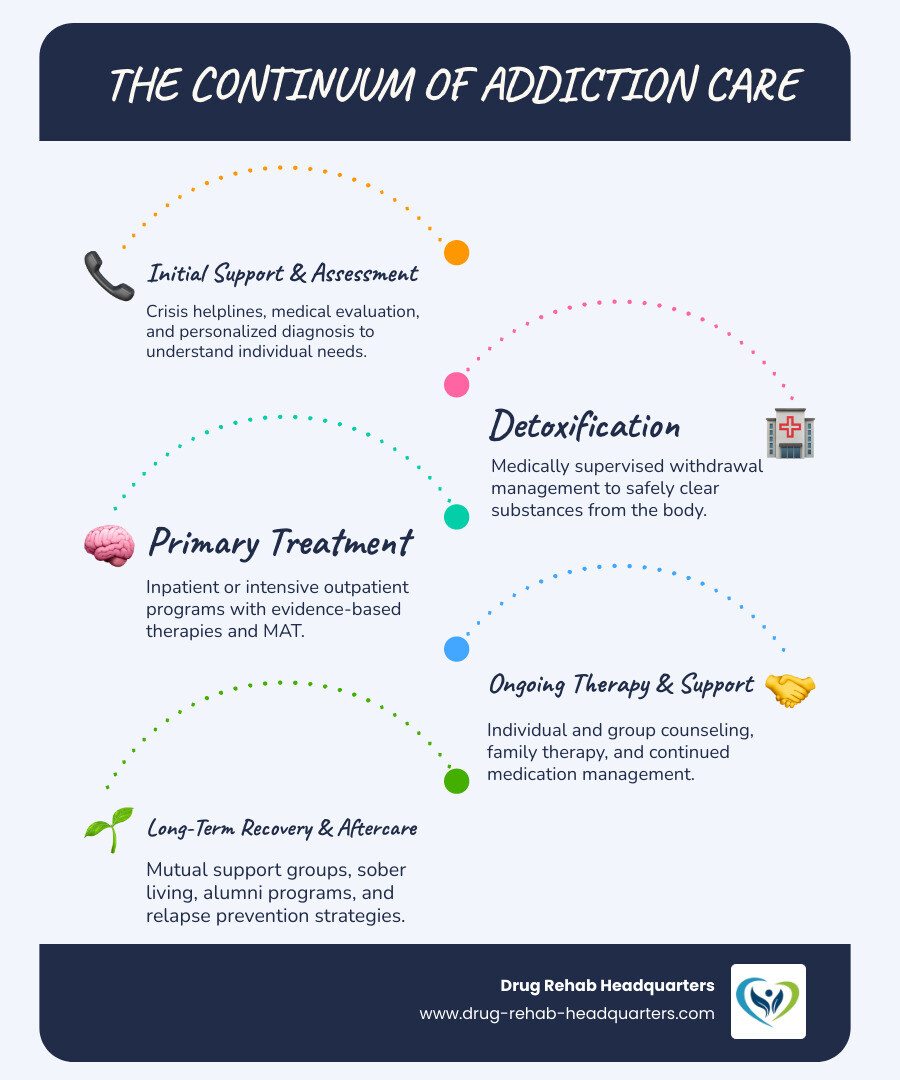
The continuum of care for SUDs includes various levels, each designed to meet different needs and severities of addiction. These typically include:
- Medical Detox: Often the first step, this involves medically supervised withdrawal from substances to manage acute withdrawal symptoms safely. Our Medical Detox Programs prioritize your safety and comfort during this critical phase.
- Residential Treatment (Inpatient Rehab): Patients live at a facility 24/7, receiving intensive, structured therapy and support in a substance-free environment. This is ideal for those with severe SUDs or co-occurring mental health issues who require constant supervision and removal from triggers. Our Inpatient Drug Rehab programs offer this immersive care.
- Partial Hospitalization Programs (PHP): A step down from inpatient, PHP offers a high level of structured therapy during the day, allowing patients to return home in the evenings.
- Intensive Outpatient Programs (IOP): Provides fewer hours of treatment per week than PHP, offering flexibility for individuals to maintain work, school, or family commitments while receiving consistent therapeutic support. Explore our Intensive Outpatient Treatment options.
Here’s a comparison to help you understand the key differences between inpatient and outpatient programs:
| Feature | Inpatient Rehabilitation Programs | Outpatient Rehabilitation Programs |
|---|---|---|
| Structure | 24/7 supervised, highly structured environment | Flexible schedule, allowing patients to live at home |
| Intensity | Intensive therapy, medical care, and support | Regular therapy sessions (e.g., a few hours per day, several days a week), less intensive medical supervision |
| Cost | Generally higher due to room, board, and constant care | Generally lower, as it doesn’t include residential costs |
| Ideal Candidate | Severe SUDs, co-occurring mental health issues, unstable home environment, need for removal from triggers | Mild to moderate SUDs, strong support system at home, commitment to recovery, ability to manage triggers, step-down from inpatient care. Allows individuals to attend rehab after work and continue caring for loved ones. |
Evidence-Based Therapies in Addiction Treatment
Effective addiction treatment relies on evidence-based therapies proven to help individuals achieve and maintain sobriety. These therapeutic approaches address the psychological, emotional, and behavioral aspects of addiction. Our network connects you with programs that use these proven methods:
- Cognitive Behavioral Therapy (CBT): Helps individuals identify and change problematic thought patterns and behaviors that contribute to substance use. It’s highly effective for managing cravings and preventing relapse.
- Dialectical Behavior Therapy (DBT): A specific type of CBT that focuses on teaching emotional regulation, distress tolerance, interpersonal effectiveness, and mindfulness skills. It’s particularly useful for individuals with co-occurring mental health conditions.
- Motivational Interviewing (MI): A client-centered approach that helps individuals explore and resolve their ambivalence about changing their substance use behavior, strengthening their motivation for recovery.
- Contingency Management (CM): Uses positive reinforcement (e.g., vouchers, prizes) for desired behaviors, such as negative drug tests or participation in therapy. This approach has shown significant success in encouraging sobriety.
- Family Therapy: Involves family members in the treatment process to improve communication, address family dynamics, and build a supportive home environment conducive to recovery.
These therapies are often delivered as part of a comprehensive Behavioral Health program.
Medication-Assisted Treatment (MAT) for SUDs
Medication-Assisted Treatment (MAT) is a highly effective, evidence-based approach that combines medications with counseling and behavioral therapies. It’s particularly vital for opioid use disorder (OUD) but can also be used for alcohol use disorder. MAT works by:
- Reducing cravings: Medications can alleviate the intense desire for the substance, making it easier to focus on recovery.
- Preventing relapse: By stabilizing brain chemistry, MAT can reduce the likelihood of returning to substance use.
- Managing withdrawal symptoms: Certain medications help ease the discomfort and dangers of withdrawal, allowing individuals to progress through detox more safely.
The FDA has approved several medications for MAT, particularly for OUD, based on their proven effectiveness in reducing illegal opioid use, improving treatment retention, and lowering the risk of opioid-involved overdose:
- Buprenorphine: Available in various forms (e.g., Suboxone, Subutex), buprenorphine is a partial opioid agonist that reduces cravings and withdrawal symptoms without producing a full opioid high. It can be prescribed in an outpatient setting by qualified practitioners.
- Methadone: A full opioid agonist administered in highly regulated Opioid Treatment Programs (OTPs). It helps stabilize individuals, reduce cravings, and prevent withdrawal symptoms.
- Naltrexone: An opioid antagonist (available as an oral pill or extended-release injectable, Vivitrol) that blocks the euphoric effects of opioids and reduces alcohol cravings. It is non-addictive and can be started after detoxification is complete.
For more in-depth information on MAT, SAMHSA provides valuable resources on Medications for Substance Use Disorders. MAT is often a crucial component following Medical Detox Programs.
How to Find and Access Treatment and Support

Finding the right addiction support services can feel like a daunting task, especially when you’re facing financial concerns or unsure about insurance coverage. However, numerous resources are available to help you steer this process, including options for free and low-cost treatment. We’re here to guide you every step of the way.
Emergency Resources and National Helplines
In times of crisis, knowing where to turn immediately is paramount.
- When to Call 911: If someone is experiencing an overdose, showing severe withdrawal symptoms that threaten their life, or is in immediate danger, dial 911.
- SAMHSA National Helpline: For free, confidential treatment referral and information, call 1-800-662-HELP (4357). This helpline is available 24/7 and can connect you with treatment and mental health referrals near you. You can also text your zip code to HELP4U (435748).
- 988 Suicide & Crisis Lifeline: If you or someone you know is in emotional distress or suicidal crisis, call or text 988.
- Veterans Crisis Line: Veterans and their loved ones can call 988 and press 1, chat online, or text 838255 for confidential support.
- For specific concerns related to alcohol, our Alcohol Addiction Hotline can provide immediate assistance.
Finding Local Addiction Support Services
Once immediate crisis needs are addressed, the next step is locating appropriate addiction support services in your area.
- SAMHSA’s Behavioral Health Treatment Services Locator: This federal agency website, FindTreatment.gov, provides referrals for substance use disorder treatment facilities. It allows you to search for different types of care, including inpatient, outpatient, and telehealth options, and filter by insurance, cost, and specific treatment needs across states like Alabama, Alaska, Arizona, Arkansas, California, Colorado, Connecticut, Delaware, Florida, Georgia, Hawaii, Idaho, Illinois, Indiana, Iowa, Kansas, Kentucky, Louisiana, Maine, Maryland, Massachusetts, Michigan, Minnesota, Mississippi, Missouri, Montana, Nebraska, Nevada, New Hampshire, New Jersey, New Mexico, New York, North Carolina, North Dakota, Ohio, Oklahoma, Oregon, Pennsylvania, Puerto Rico, Rhode Island, South Carolina, South Dakota, Tennessee, Texas, Utah, Vermont, Virginia, Washington, West Virginia, Wisconsin, and Wyoming.
- NIAAA Alcohol Treatment Navigator: The National Institute on Alcohol Abuse and Alcoholism provides the Alcohol Treatment Navigator, a tool that explains how to choose between alcohol treatment programs and offers advice on supporting yourself or a loved one through recovery.
- Finding MAT Providers: If you’re seeking Medication-Assisted Treatment, SAMHSA also offers a Buprenorphine Providers Locator to help you find qualified practitioners.
- Insurance and Cost Assistance: Understanding how to pay for treatment is a major concern. The Mental Health and Addiction Insurance Help (HHS) provides valuable information on insurance coverage. Many facilities accept private insurance, Medicare, or Medicaid. We can help you determine if Does Insurance Cover Rehab is applicable to your situation. Federally Qualified Health Centers (FQHCs) and Certified Community Behavioral Health Clinics (CCBHCs) often provide care on a sliding scale, regardless of ability to pay.
For direct assistance in locating facilities that fit your criteria, including those offering Addiction Rehab Centers Near Me, our counselors are available 24/7 to provide personalized guidance.
Specialized Addiction Support Services for Veterans
Veterans often face unique challenges, including PTSD and other mental health conditions, which can co-occur with SUDs. The Department of Veterans Affairs (VA) offers comprehensive addiction support services custom to the needs of service members and veterans.
- VA’s Approach to SUD: The VA treats substance use disorder as a mental health condition, offering evidence-based treatments proven effective for most veterans. Their programs incorporate therapies, medication, or both, recognizing that recovery is possible for everyone.
- Co-occurring Disorders Treatment: The VA excels in addressing co-occurring mental health and substance use disorders. For instance, they provide specialized PTSD Treatment alongside SUD care, understanding the intricate link between trauma and substance use. Their treatment teams assess, monitor, and address psychiatric symptoms like depression and anxiety as part of the overall care plan.
- Evidence-Based Treatments: The VA offers a range of evidence-based therapies, including Cognitive Behavioral Therapy (CBT), Motivational Interviewing (MI), Motivational Improvement Therapy (MET), and Contingency Management (CM). They also provide specific medications for Opioid Use Disorder (e.g., methadone, buprenorphine, naltrexone), Alcohol Use Disorder (e.g., acamprosate, disulfiram, naltrexone), and Tobacco Use Disorder (e.g., nicotine replacement therapy, bupropion, varenicline).
- Accessing VA Care: Veterans can access these services by contacting their local VA medical center. If you’re already enrolled in VA healthcare, you can ask your primary care provider for a mental health appointment. If you’re new to the VA system, you can apply for health care benefits online. The VA Substance Use Disorder Program Locator helps veterans find local VA treatment programs, including residential rehabilitation treatment, which is also known as inpatient or domiciliary care.
Additionally, specialized facilities, such as the Mayo Clinic in Minnesota (one of our listed states), offer comprehensive, integrated care for alcohol and substance use problems. Their approach, honed over 50 years, combines advances in medical understanding with a focus on both addiction and associated medical/emotional problems. They offer a team-based approach led by an addiction psychiatrist, with low patient-to-counselor ratios, ensuring individualized and confidential care for complex cases and co-occurring disorders. This highlights the benefits of seeking treatment at a facility that prioritizes integrated and expert-led care.
Beyond Formal Treatment: Building a Life in Recovery
Formal treatment programs are a critical first step, but true recovery is a lifelong journey that extends far beyond the walls of a rehab facility. Building a supportive life in recovery involves ongoing commitment, relapse prevention strategies, and a strong community network. This is where long-term addiction support services truly shine, helping individuals sustain sobriety and thrive.
The Role of Mutual Support Groups
Mutual support groups play an invaluable role in long-term recovery. They provide a community where individuals can share experiences, offer encouragement, and learn coping strategies from peers who understand their struggles firsthand. These groups foster a sense of belonging and accountability, which are vital for maintaining sobriety.
- 12-Step Programs: Many individuals find profound support in structured programs like those based on the 12 Steps. These programs offer a spiritual (though not necessarily religious) framework for recovery, emphasizing honesty, self-reflection, and service to others. Our programs often integrate the principles of a 12 Step Program into aftercare planning.
- Peer-led Recovery Groups: Beyond 12-Step models, numerous peer-led groups exist, offering diverse approaches to recovery support. These groups provide a safe space for individuals to connect with others who are navigating similar paths, sharing stories, and offering practical advice.
- Community-Based Support and Recovery Coaching: Many communities offer recovery support centers and recovery coaching services. Coaches, often individuals in long-term recovery themselves, provide one-on-one guidance, mentorship, and advocacy, helping individuals steer challenges and build a fulfilling life free from substance use.
Support for Family and Friends
Addiction is a family disease, impacting everyone close to the individual struggling. Family members and friends often experience immense stress, guilt, anger, and helplessness. Providing support for these loved ones is a crucial component of comprehensive addiction support services.
- Impact on Families: Family members may develop their own unhealthy coping mechanisms, experience financial strain, or endure emotional trauma.
- Family Therapy: Integrated into many treatment plans, family therapy helps address dysfunctional communication patterns, heal emotional wounds, and establish healthy boundaries. It educates family members about addiction and their role in the recovery process.
- Support Groups for Families: Groups specifically for family members and friends provide a safe space to share experiences, gain understanding, and learn effective coping strategies. These groups help loved ones realize they are not alone and empower them to support their addicted family member without enabling them.
- Setting Boundaries: Learning to set healthy boundaries is essential for family members to protect their own well-being while encouraging their loved one’s recovery.
- Resources: SAMHSA offers a valuable resource, What Is Substance Abuse Treatment? A Booklet for Families, which answers questions about substance abuse, symptoms, treatment, and recovery, and addresses concerns of children of parents with substance use problems.
Aftercare and Continued Support
The period immediately following formal treatment is crucial for preventing relapse. Robust aftercare planning helps individuals transition back into daily life with confidence and continued support.
- Sober Living Homes: These residential facilities provide a structured, substance-free environment that bridges the gap between intensive treatment and independent living. They offer accountability and peer support while individuals reintegrate into society.
- Alumni Programs: Many treatment centers offer alumni programs that provide ongoing connection, support groups, and events for individuals who have completed their programs. This helps foster a continued sense of community and belonging.
- Ongoing Therapy: Continuing individual or group therapy after inpatient or intensive outpatient programs can reinforce coping skills, address new challenges, and provide consistent emotional support.
- Building Healthy Habits: Aftercare focuses on developing and maintaining healthy routines, hobbies, and relationships that support a sober lifestyle. This includes exercise, nutrition, mindfulness practices, and engaging in constructive activities.
Our Post Rehab Drug Rehab Aftercare programs are designed to provide this comprehensive, long-term support, ensuring a smoother transition and sustained recovery.
Frequently Asked Questions about Addiction Support
We understand that seeking help for addiction comes with many questions. Here, we address some of the most common inquiries about addiction support services.
What is the first step I should take to get help for addiction?
The very first and most courageous step is acknowledging that you or a loved one needs help. This can be incredibly difficult, but it’s the gateway to recovery. Once you’ve made that acknowledgment, the next crucial step is to reach out to a trusted professional or helpline.
We recommend starting with a medical doctor, a therapist, or a national helpline. SAMHSA’s National Helpline is an excellent confidential, free, 24/7 resource that can provide treatment referral and information. They can guide you on initial assessments and connect you with local addiction support services that match your needs.
How much does addiction treatment cost?
The cost of addiction treatment can vary widely, depending on several factors:
- Type of Program: Inpatient residential programs are generally more expensive than outpatient programs due to the costs of accommodation, round-the-clock care, and intensive services.
- Duration of Treatment: Longer programs naturally incur higher costs.
- Location and Amenities: Luxury facilities or those in high-cost-of-living areas may charge more.
- Services Included: Specialized therapies, medication-assisted treatment, and dual diagnosis care can affect the overall price.
However, many options make treatment accessible. Insurance often covers a significant portion of addiction treatment, thanks to mental health parity laws. You can explore resources like the Mental Health and Addiction Insurance Help (HHS) to understand your coverage. Additionally, many facilities offer sliding-scale fees, payment plans, or accept government funding. For a more detailed breakdown, refer to our guide on the Cost of Rehab. Don’t let cost be a barrier; resources are available to help you find affordable care.
How can I help a loved one who is struggling with addiction?
Helping a loved one with addiction can be challenging, but your support can be incredibly impactful.
- Express Concern Without Judgment: Approach your loved one with empathy and concern, focusing on how their substance use affects them and your relationship, rather than shaming or blaming.
- Offer Support, Encourage Professional Help: Let them know you care and are willing to help them find treatment. Offer to research addiction support services or accompany them to appointments.
- Seek Support for Yourself: Addiction impacts the whole family. Joining family support groups can provide you with coping strategies, education, and a safe space to process your emotions.
- Avoid Enabling Behaviors: While your instinct may be to protect your loved one from consequences, enabling can inadvertently prolong their addiction. Setting clear, healthy boundaries is crucial.
You cannot force someone into recovery, but you can plant seeds of hope and provide access to resources when they are ready to accept help.
Conclusion: Take the Next Step with Confidence
Starting on the path to recovery from a substance use disorder is one of the most courageous journeys an individual can undertake. It’s a journey that reminds us that recovery is not a destination, but a continuous process of growth, learning, and resilience. Hope and healing are not just possibilities; they are achievable realities for everyone who seeks them.
A comprehensive system of addiction support services is the key to open uping this potential. From the moment of crisis to the long-term maintenance of sobriety, a robust network of medical care, therapeutic interventions, and community support can make all the difference. We’ve explored the landscape of SUDs, the diverse treatment options available, and the vital role of ongoing support—all designed to empower you with knowledge and confidence.
At Drug Rehab Headquarters, we understand that finding the right help can be overwhelming. That’s why we offer 24/7 confidential guidance from certified counselors, many with lived experience, who are ready to provide personalized support. We’re here to help you steer your options and connect you with suitable, evidence-based, and holistic rehabilitation services across North America, including all the states we serve. Your journey to a healthier, more fulfilling life starts now. You don’t have to walk it alone.