
Understanding Alcohol Use Disorder and the Path to Recovery
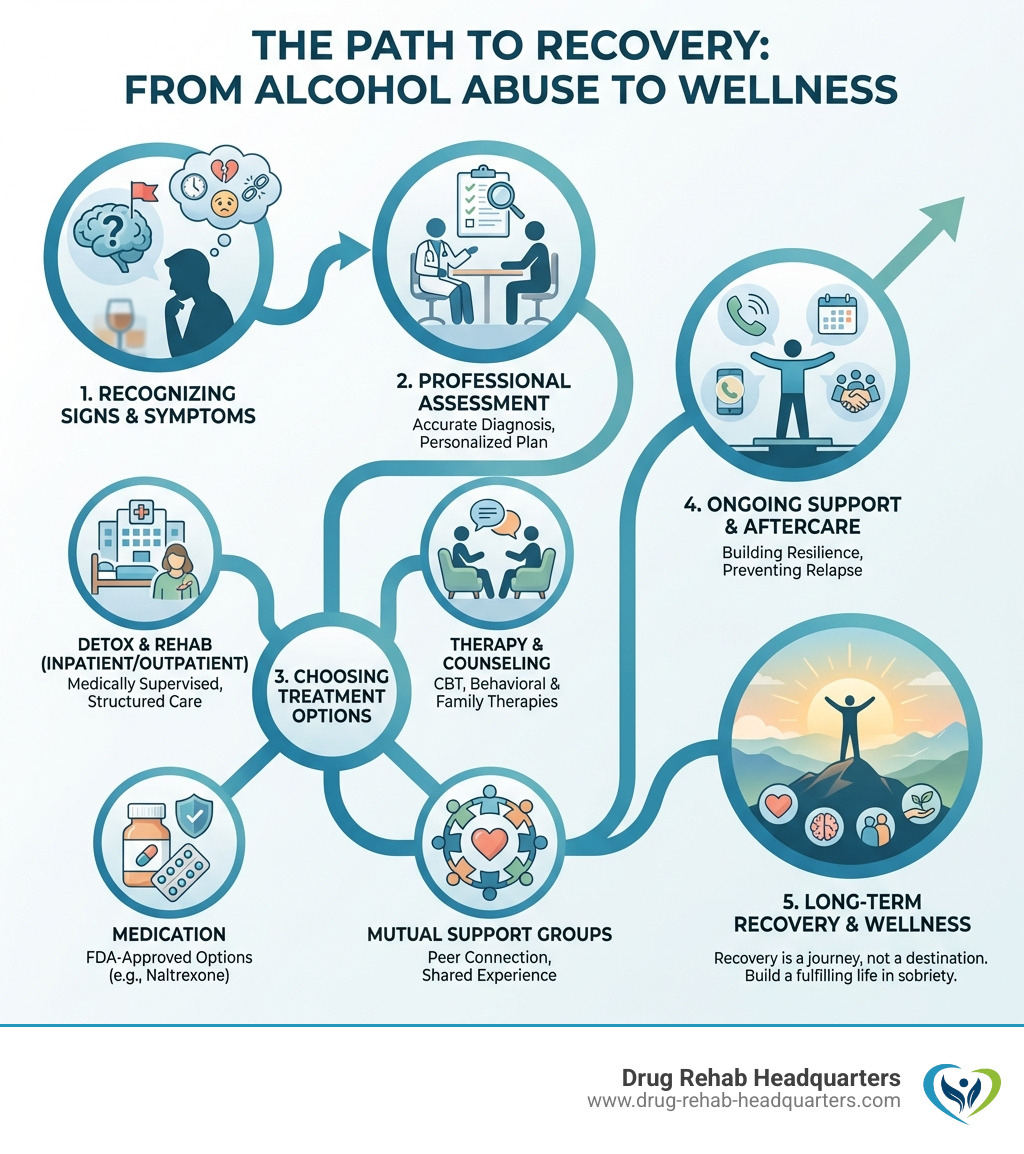
Help for alcoholics is available through many pathways, and recovery is possible no matter how severe the problem seems. If you or a loved one needs support, here are the main ways to get it:
Immediate Help Resources:
- SAMHSA National Helpline: 1-800-662-4357 (24/7, free, confidential)
- Call 988 for crisis support
Treatment Options:
- Medically supervised detox for safe withdrawal
- Inpatient/residential rehab for 24/7 care
- Outpatient programs for treatment while living at home
- Medications like Naltrexone, Acamprosate, and Disulfiram
- Behavioral therapies such as CBT and family counseling
- Support groups like AA and SMART Recovery
Millions of adults in the U.S. struggle with Alcohol Use Disorder (AUD), a condition characterized by an impaired ability to stop or control alcohol use despite adverse consequences. The good news is that most people with AUD can benefit from treatment. Today, more evidence-based options exist than ever before, from medications and therapies to various levels of care.
Understanding the signs of AUD and knowing where to turn for help is the crucial first step. Recovery is about more than stopping drinking; it’s about building a fulfilling life with the right support.
At Drug Rehab Headquarters, we connect individuals and families with quality help for alcoholics through personalized guidance and comprehensive resources. Our mission is to help you find the most effective path to recovery for your unique situation.
Recognizing the Signs: Do You or a Loved One Have a Drinking Problem?
It can be hard to know if someone has a drinking problem. Alcohol Use Disorder (AUD) is a medical condition, not a moral failing, where drinking causes distress or harm. Recognizing the signs is the first step toward finding help for alcoholics.

AUD is diagnosed based on 11 criteria from the DSM-5. The presence of two or more symptoms indicates an AUD, with severity based on the number of symptoms present. For more details, visit our page on Alcohol Addiction Signs or read the NIAAA’s guide on Understanding Alcohol Use Disorder.
What are the Symptoms of Alcohol Use Disorder?
Common symptoms of AUD include:
- Drinking more or longer than intended.
- Being unable to cut down or stop drinking.
- Spending a lot of time drinking or recovering from its effects.
- Experiencing strong cravings for alcohol.
- Neglecting responsibilities at work, school, or home.
- Continuing to drink despite relationship problems.
- Giving up important activities because of alcohol.
- Drinking in physically hazardous situations (e.g., driving).
- Continuing to drink despite knowing it’s causing physical or psychological harm.
- Developing a tolerance, needing more alcohol for the same effect.
- Experiencing withdrawal symptoms (e.g., shakiness, nausea, anxiety) when not drinking.
The severity is classified as Mild (2-3 symptoms), Moderate (4-5 symptoms), or Severe (6 or more symptoms). The more symptoms, the more urgent the need for professional help.
The Impact on Health and Life
Excessive alcohol use has profound effects on health and life, contributing to over 140,000 deaths annually in the U.S.
Short-term health effects include an increased risk of injury, involvement in violence, risky sexual behavior, and alcohol poisoning. Alcohol use during pregnancy can cause Fetal Alcohol Syndrome (FAS).
Long-term health effects are devastating and include:
- Liver disease (fatty liver, hepatitis, cirrhosis).
- Increased risk of several cancers (mouth, throat, liver, breast, colon).
- Cardiovascular problems like high blood pressure and stroke.
- Permanent brain damage, leading to cognitive decline.
- A weakened immune system.
- Worsening or development of mental health conditions like depression and anxiety. About half of people with a substance use disorder also have a co-occurring mental health disorder.
The societal impact is also significant, with an annual economic loss of $249 billion. Tragically, 1 in 10 children lives with a parent who has AUD, and these children are four times more likely to develop alcohol problems themselves. For more information, review the CDC fact sheet on binge drinking.
A Guide to Treatment Options for Alcohol Use Disorder
Finding the right treatment is crucial for anyone seeking help for alcoholics. Recovery is a personalized process, and today’s options are more effective than ever, often combining several approaches.

At Drug Rehab Headquarters, we help individuals and families steer the array of professional treatments, including therapies, medications, and support groups. For a full overview, see our Addiction Treatment guide.
The First Step: Medically Supervised Detoxification
For those with significant alcohol dependence, medically supervised detox is the critical first step. Stopping abruptly can be dangerous or even fatal due to severe withdrawal symptoms like seizures or Delirium Tremens (DTs). In a detox facility, healthcare professionals monitor you, manage symptoms with medication, and ensure your safety. This process typically lasts a few days to a week. Learn more about Alcohol Detox and what to expect from Alcohol Detox Symptoms. You can also find information on choosing an Alcohol Detox Center.
Professional Treatment Programs
After detox, professional treatment programs help individuals build a foundation for sobriety. The intensity and setting vary to meet different needs.
| Feature | Inpatient/Residential Rehab | Outpatient Programs (IOP/PHP) |
|---|---|---|
| Setting | Live at the facility 24/7 | Live at home, attend sessions during the day/evening |
| Intensity | High-intensity, structured environment | Moderate to high-intensity, flexible schedule |
| Duration | Typically 30-90 days, sometimes longer | Varies, from several weeks to months |
| Support | Constant medical and therapeutic support | Regular therapeutic support, less medical oversight |
| Suitability | Severe AUD, co-occurring disorders, unstable home environment | Less severe AUD, stable home, work/school commitments |
| Therapies | Individual, group, family therapy, holistic activities | Individual, group, family therapy, life skills training |
| Cost | Generally higher | Generally lower |
- Inpatient/Residential Rehab: Provides a 24/7 structured, supportive environment away from triggers. It’s best for those with severe AUD or co-occurring disorders. Learn more at our guide on Inpatient Drug Rehab.
- Outpatient Programs (PHP/IOP): Partial Hospitalization (PHP) and Intensive Outpatient (IOP) programs offer flexibility, allowing clients to live at home while attending treatment several times a week. They are suitable for those with a stable home environment. Find more on our Intensive Outpatient Treatment page.
Behavioral Therapies for Lasting Change
Behavioral therapies address the psychological roots of addiction, teaching coping skills for lasting change.
- Cognitive-Behavioral Therapy (CBT): Helps individuals identify and change negative thought patterns and behaviors that lead to drinking.
- Motivational Improvement Therapy (MET): Helps resolve ambivalence about treatment and builds internal motivation for change.
- Family and Couples Counseling: Involves loved ones in the healing process to improve communication and create a supportive home environment.
- Dual Diagnosis Treatment: For those with co-occurring mental health conditions like depression or anxiety, this integrated approach treats both the AUD and the mental health disorder simultaneously, which is crucial for preventing relapse. We can help you find a Dual Diagnosis Treatment Facility.
Medications to Support Recovery
Medication-assisted treatment (MAT) uses non-addictive, FDA-approved medications to reduce cravings and support recovery. They are most effective when combined with therapy.
- Naltrexone: Blocks the rewarding effects of alcohol, reducing the desire to drink.
- Acamprosate (Campral): Helps restore brain chemistry, easing the emotional and physical distress of early sobriety.
- Disulfiram (Antabuse): Causes unpleasant physical reactions if alcohol is consumed, acting as a strong deterrent.
For more details, refer to our guide on Medications for Alcohol Use Disorder.
How to Find Effective Help for Alcoholics
Finding professional help for alcoholics can feel overwhelming, but it’s a vital step. The process involves knowing where to start, what to ask, and how to access reliable resources. Overcoming stigma is also key, as AUD is a treatable medical condition.
We understand that navigating the treatment landscape can be complex. Our goal at Drug Rehab Headquarters is to simplify this process. For a comprehensive overview, explore our Alcohol Rehab Centers Guide.
Starting the Conversation
The journey often begins with a conversation.
- Primary Care Provider: Your doctor is a great place to start. They can assess your situation, provide medical advice, and refer you to addiction specialists.
- Mental Health Professionals: Therapists, counselors, or psychiatrists specializing in addiction can create a treatment plan and identify any co-occurring disorders.
Seeking help is a sign of strength.
Using National Helplines
National resources can provide confidential support. The SAMHSA National Helpline at 1-800-662-HELP (4357) is a free, 24/7 service that offers information and treatment referrals for substance use and mental health issues.
How to get personalized help for alcoholics today
At Drug Rehab Headquarters, we offer personalized guidance to find the most suitable treatment.
- 24/7 Free Support: Our confidential helpline is staffed by experienced, certified counselors, many with their own recovery experience.
- Personalized Guidance: We listen to your story and help you understand the various evidence-based and holistic treatment options.
- Insurance Verification: We can help you verify your insurance coverage to ease financial stress.
- Finding a Suitable Rehab Center: We connect individuals to a network of quality rehab centers across North America, including states like Alabama, California, Florida, Ohio, and many more.
Don’t let the search for help for alcoholics add to your burden. Let us guide you. Find out how we can help you find personalized alcohol addiction rehab centers that are right for you.
The Role of Support Systems in Recovery
Recovery from Alcohol Use Disorder is rarely a solitary journey. Strong support systems—including family, friends, and mutual-support groups—are a cornerstone of lasting sobriety, providing encouragement, accountability, and a sense of belonging.
For more on the services available to aid in recovery, explore our Addiction Recovery Services Complete Guide.
How Friends and Family Can Help
The support of loved ones is incredibly powerful. Research on How Social Relationships Influence Recovery highlights its importance. Here’s how to provide effective help for alcoholics:
- Offer Encouragement: Let your loved one know you care and believe in their recovery.
- Set Healthy Boundaries: Avoid enabling behaviors by establishing clear boundaries. This protects your well-being and encourages their responsibility.
- Avoid Lecturing or Shaming: Approach the situation with empathy, not judgment. Addiction is an illness.
- Educate Yourself: Learn about AUD to better understand what your loved one is experiencing.
- Participate in Family Therapy: If recommended, family counseling can heal relationships and improve communication.
- Practice Self-Care: Supporting someone with AUD is taxing. Seek your own support through therapy or groups like Al-Anon.
Mutual-Support Groups for Individuals and Families
Mutual-support groups offer a community for sharing experiences and hope.
- Alcoholics Anonymous (AA): The most well-known group, AA is a fellowship of people helping each other recover from alcoholism through a 12-step program. The only requirement is a desire to stop drinking. Find more at aa.org.
- SMART Recovery®: An alternative to 12-step programs, SMART Recovery uses tools based on cognitive-behavioral therapy (CBT) to build motivation and manage behaviors.
- Other Peer Support Groups: Many other groups exist, including LifeRing, Women for Sobriety, and Secular AA.
- Al-Anon Family Groups and Alateen: These groups provide support for the families and friends of people with drinking problems, helping them cope and find healthy ways to support themselves.
These groups offer ongoing encouragement and a network of people who understand the recovery journey. For a broader look at available support, explore our Addiction Recovery Services Complete Guide.
The Journey of Recovery: Navigating Challenges and Setbacks
Recovery from Alcohol Use Disorder is a continuous journey of healing and growth. While rewarding, it has challenges, including potential setbacks. Understanding these realities is crucial for long-term success and for anyone seeking help for alcoholics.
After initial treatment, aftercare programs are vital for transitioning back to daily life and reinforcing coping skills. Explore our page on Post Rehab Drug Rehab Aftercare to learn more.
Understanding Relapse
Relapse, a return to alcohol use after abstinence, is a common part of recovery. It should be viewed not as a failure, but as a learning opportunity.
- Triggers: Identifying personal triggers—people, places, or emotions that spark an urge to drink—is key to prevention.
- Cravings: Learning to manage intense but temporary cravings is a vital skill. Techniques like “urge surfing” involve observing a craving without judgment until it passes.
- Coping Skills: Healthy coping mechanisms for stress and negative emotions are fundamental to preventing relapse.
- Learning from Slips: If a brief return to drinking occurs, it’s important to get back on track immediately, analyze what happened, and recommit to recovery.
Building a Fulfilling Life in Sobriety
True recovery involves building a meaningful life that makes alcohol unnecessary.
- New Hobbies and Interests: Find new passions that don’t involve alcohol to bring joy and purpose.
- Healthy Habits: Prioritize nutrition, exercise, and sleep to improve mood and reduce stress.
- Stress Management: Learn effective ways to cope with stress, such as mindfulness or meditation.
- Purpose and Meaning: Engage in activities like volunteering or pursuing educational goals to build a positive self-image.
- Continued Support: Maintain connections with support groups, therapists, or sober friends for ongoing encouragement and accountability.
With the right tools and support, individuals can overcome the challenges of AUD and build vibrant, sober lives.
Frequently Asked Questions About Finding Help for Alcoholics
We understand that you may have many questions when seeking help for alcoholics. Here, we address some of the most common inquiries.
How much does alcohol rehab cost?
The cost of rehab varies based on the program, location, and services. However, several options can make treatment affordable.
- Insurance Coverage: The Affordable Care Act (ACA) requires most health insurance plans to cover substance use disorder treatment. We can help you Verify Insurance to understand your policy. Learn more about Does Insurance Cover Rehab?.
- Other Options: For those without sufficient coverage, options include private pay, state-funded programs for eligible residents, and free or low-cost services from non-profits. Mutual-support groups like AA are always free. Find more information in our guide, The Price of Recovery: Understanding Rehab Costs and Finding Free Options.
What is the difference between alcohol dependence and alcohol addiction?
Though often used interchangeably, these terms are distinct parts of Alcohol Use Disorder (AUD).
- Alcohol Dependence: This is a physical adaptation to the substance. The body experiences withdrawal symptoms if drinking stops. It can occur without addiction.
- Alcohol Addiction (AUD): This is a chronic disease characterized by compulsive alcohol use despite harmful consequences. It involves an impaired ability to control drinking due to changes in the brain’s reward, stress, and self-control circuits.
AUD is the clinical diagnosis that covers both dependence and addiction-related behaviors.
Can I recover from alcoholism without professional help?
While some people with mild AUD may stop drinking on their own, it’s rare for those with moderate to severe AUD. Professional help significantly improves the chances of lasting recovery and is safer.
- Safety: Quitting “cold turkey” can be dangerous if physical dependence is present, as withdrawal can be severe.
- Effectiveness: Evidence-based treatments like therapy and medication address the root causes of addiction and provide essential coping skills.
- Best Approach: The most effective path often combines professional treatment with ongoing participation in mutual-support groups. We always recommend consulting a healthcare professional to ensure a safe recovery.
Conclusion: Your First Step Towards a New Beginning
Navigating Alcohol Use Disorder is a challenge, but it’s a journey you don’t have to face alone. Recovery is a reality for millions who have found the strength to seek help for alcoholics. With the right support and determination, a life free from alcohol is achievable.
We’ve covered the signs of AUD, the range of effective treatments, and the vital role of support systems. We’ve also addressed the realities of the recovery journey, including setbacks and the importance of building a fulfilling sober life.
Taking the first step is the most courageous one. You don’t have to steer this complex landscape by yourself.
At Drug Rehab Headquarters, we are available 24/7 to provide confidential, free support. Our certified counselors are ready to offer personalized guidance, connecting you with effective treatment options across North America.
A hopeful future awaits. Let us help you begin your new beginning today. Contact us today for personalized guidance.