Why Understanding Treatment Options Matters
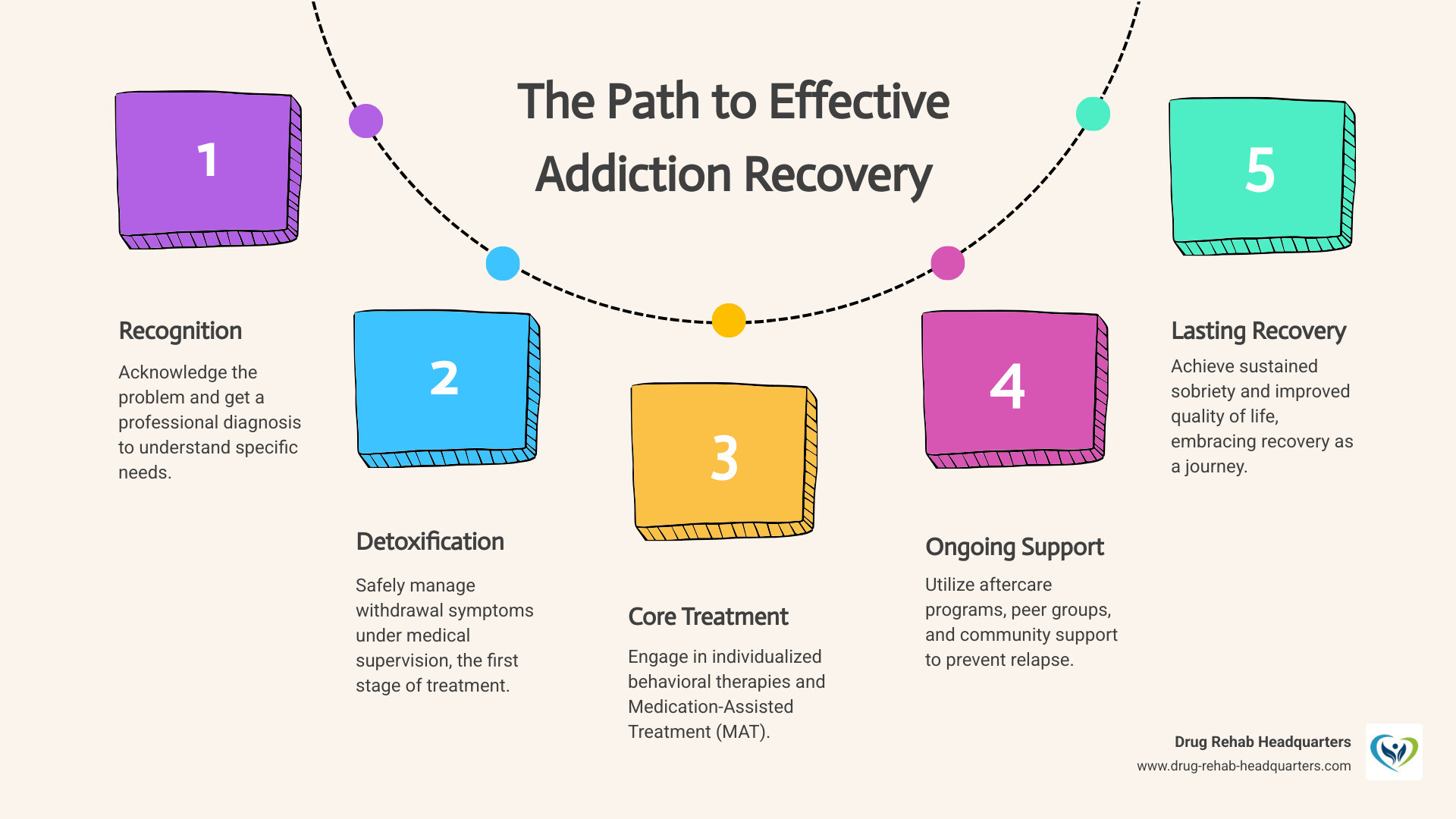
Effective addiction treatment is not one-size-fits-all, but research shows it works. Understanding what makes treatment effective is the first step. Key components include individualized care, behavioral therapies, Medication-Assisted Treatment (MAT), adequate duration (90+ days), ongoing aftercare, and a holistic approach that addresses all of a person’s needs.
The challenge isn’t whether treatment works—it’s finding the right treatment for you. In 2022, nearly 108,000 people died from drug-involved overdoses, yet over 95% of people who needed drug rehab in 2023 didn’t get it. This gap is devastating.
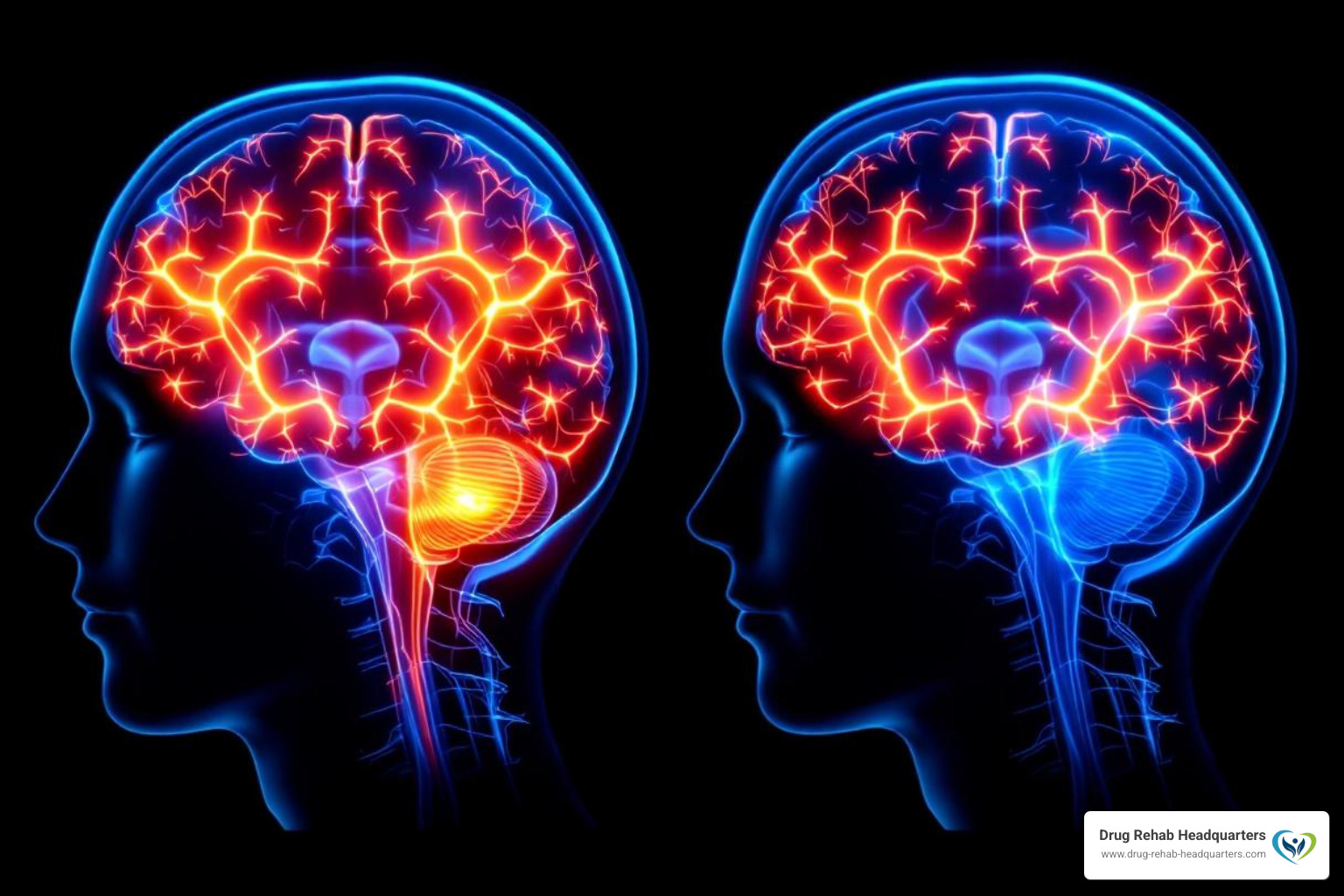
Addiction is a treatable brain disease, not a moral failing. Long-term drug use alters the brain, making it incredibly hard to stop. The good news is that treatment helps counteract these changes and allows people to regain control.
This guide cuts through the confusion to explain what makes treatment effective, how to find quality programs, and what to expect on your recovery journey. You’ll learn about different approaches, how to measure success, and practical steps to find help.
At Drug Rehab Headquarters, we connect individuals and families with evidence-based programs custom to their unique situations. Our mission is to provide the information you need to make confident decisions about recovery.
Recovery is possible. Let’s find the path that works for you.
Decoding Addiction: The First Step to Recovery
Recognizing a substance use problem is the crucial first step to recovery. But what are the signs, and how is addiction diagnosed?
Signs and Symptoms of Addiction
Addiction, or substance use disorder (SUD), is a complex illness characterized by intense cravings and compulsive drug use despite devastating consequences. Common signs include:
- Loss of Control: Using more of a substance than intended.
- Cravings: An intense urge to use the substance.
- Neglect of Responsibilities: Failing to meet work, school, or home obligations.
- Continued Use Despite Harm: Using even when it causes relationship, health, or legal problems.
- Tolerance: Needing more of the substance to get the same effect.
- Withdrawal: Experiencing physical or psychological distress when stopping use.
- Reduced Activities: Giving up important social or recreational activities for substance use.
Diagnosis Process
Healthcare professionals diagnose a substance use disorder through a thorough evaluation, often using criteria from the Diagnostic and Statistical Manual of Mental Disorders (DSM-5). While lab tests can confirm drug use, they don’t diagnose addiction itself. The diagnosis focuses on behavioral patterns and the impact of substance use on a person’s life. We encourage anyone concerned to explore Mayo Clinic studies on Diagnosis to understand this process better.
Addiction vs. Medical Dependence
It’s important to distinguish between addiction and physical dependence.
- Physical Dependence: The body adapts to a drug, causing tolerance and withdrawal symptoms when use stops. This can happen even with prescribed medications taken as directed.
- Addiction (SUD): A chronic brain disease involving compulsive drug seeking and use despite harmful consequences. While physical dependence often accompanies addiction, it’s the compulsive behavior that defines it.
For example, a patient on Medication-Assisted Treatment (MAT) is medically dependent on their medication but is not considered “addicted” because the medication is used under monitored conditions to support recovery.
Co-occurring Mental Health Disorders
Many people with SUDs also have co-occurring mental health conditions like depression, anxiety, or PTSD. As many as 6 in 10 people with an illicit SUD also have another mental illness. Effective addiction treatment must address both conditions simultaneously through an integrated approach. We provide more information about Dual Diagnosis Treatment Facility options that specialize in this care.
The Role of Detoxification
Detoxification, or “detox,” is the process of safely managing withdrawal symptoms as a substance leaves the body. Medically supervised detox is crucial because withdrawal can be uncomfortable and even life-threatening. Medical staff monitor vital signs and manage symptoms with medication to ensure safety.
However, detox is only the first step. As NIDA emphasizes, it prepares the body for further treatment but does little to change long-term drug abuse on its own. For more information, explore our resources on Medical Detox Programs.
Understanding Withdrawal Symptoms
Withdrawal symptoms vary by substance but are the body’s reaction to the absence of a drug it depends on. Common symptoms include:
- Opioids: Muscle aches, restlessness, insomnia, severe cravings, anxiety.
- Alcohol: Tremors, sweating, nausea, rapid heart rate, seizures (in severe cases).
- Benzodiazepines: Seizures, muscle spasms, severe anxiety, panic attacks, insomnia.
- Stimulants: Extreme fatigue, severe depression, intense cravings, paranoia.
These symptoms highlight why medically supervised detox is essential for safety. We offer a complete guide to Drug Withdrawal Symptoms for more details.
The Pillars of Effective Addiction Treatment
There is no single magic bullet for effective addiction treatment. Individualized care is crucial, as treatment must be custom to each person’s unique needs. Research from organizations like the National Institute on Drug Abuse (NIDA) shows that a combination of therapies yields the best outcomes. We encourage you to explore NIDA’s treatment approaches for drug addiction for a deeper dive.

Behavioral Therapies: Rewiring the Brain
Behavioral therapies are a cornerstone of treatment, helping individuals change attitudes and behaviors related to drug use by teaching coping skills. Common therapies include:
- Cognitive-Behavioral Therapy (CBT): Helps identify and correct problematic behaviors by teaching trigger recognition and coping skills.
- Motivational Interviewing (MI): A counseling style that strengthens a person’s internal motivation for change.
- Contingency Management (CM): Provides tangible rewards to reinforce positive behaviors like abstinence.
- Family Therapy: Involves family members to address communication, family dynamics, and support the individual’s recovery.
We also offer more information about Behavioral Health.
Medication-Assisted Treatment (MAT)
For opioid and alcohol use disorders, Medication-Assisted Treatment (MAT) is highly effective. It combines FDA-approved medications with counseling to reduce cravings, manage withdrawal, and prevent relapse. Commonly used medications for opioid use disorder (OUD) include:
- Methadone: Stabilizes brain chemistry and reduces cravings. Learn more about Methadone.
- Buprenorphine: Often prescribed in office-based settings, it reduces cravings and withdrawal symptoms. Learn more about Buprenorphine.
- Naltrexone: Blocks the euphoric effects of opioids and can also be used for alcohol use disorder.
Research shows MAT can reduce illicit drug use and cut overdose deaths by 50% or more. MAT is not “trading one addiction for another”; it is a safe, effective tool for managing a chronic disease. You can learn more about Methadone and Buprenorphine on our site.
The Power of Peer and Community Support
Peer support groups provide a safe space to share experiences, reduce isolation, and build a supportive network. They are an invaluable part of sustained recovery.
- Alcoholics Anonymous (AA): A 12-step fellowship for recovery from alcoholism.
- Narcotics Anonymous (NA): A 12-step fellowship for recovery from drug addiction.
- SMART Recovery: A self-empowerment program focused on building motivation and coping skills.
These groups complement professional treatment by providing ongoing encouragement and accountability. We provide more information about the 12 Step Program.
Measuring Success and Navigating the Path to Lasting Recovery
Defining “success” in addiction treatment isn’t just about complete abstinence. Effective addiction treatment is also measured by improvements in quality of life, such as better health, relationships, and employment.
Challenges in Measuring Success
Measuring success rates is complex. Definitions of “success” vary, long-term follow-up is difficult, and individual factors like substance type and co-occurring disorders impact outcomes. Because of this, it’s hard to give a single “success rate.” However, we know treatment works. A landmark study shows that 75% of people who experience addiction and receive treatment eventually recover.
Still, a challenge is that only about half of the people in therapy for SUDs complete their treatment. This highlights the need for engaging programs that keep patients in care for an adequate duration.
Understanding Relapse and Aftercare
Relapse is a common part of recovery, affecting 40-60% of people in their first year. It does not mean treatment has failed. Addiction is a chronic disease, and like other chronic illnesses, relapse can occur. Research shows relapse is common and signals a need to adjust the treatment plan.
This is why aftercare is paramount. Recovery is a lifelong process, and ongoing support is crucial for preventing relapse. Effective aftercare can include:
- Continuing therapy sessions
- Regular check-ups with providers
- Peer support groups (AA, NA, SMART Recovery)
- Sober living homes
- Alumni programs
These systems help individuals steer challenges and reinforce skills learned in treatment. For more information, explore our resources on Post Rehab Drug Rehab Aftercare.
Key Factors for an Effective Treatment Plan
An effective plan is a combination of critical factors:
- Treatment Duration: Less than 90 days of treatment is often of limited effectiveness. Longer durations yield better outcomes.
- Individual Needs: The plan must be custom to the person’s specific drug use, co-occurring disorders, and background.
- Holistic Approach: Treatment should address the “whole person,” including medical, mental, social, and occupational needs.
- Addressing Trauma: Since many with SUDs have a history of trauma, trauma-informed care is often a vital component.
- Support System: Strong social support from family, friends, and recovery communities significantly improves outcomes.
While some people may stop using substances without formal help (“spontaneous recovery”), research is inconclusive, and the vast majority benefit from structured, professional treatment.
How to Find a Quality Addiction Treatment Program
Finding the right program is a critical decision. We’re here to help you identify facilities that offer effective addiction treatment.
Preparing for Your First Appointment
To make your first appointment with a provider productive, be prepared to:
- Be completely honest about your substance use.
- List all substances used, including dosages and frequency.
- Discuss past attempts to quit and any withdrawal symptoms.
- Prepare questions for your provider about treatment options.
- Consider bringing a trusted friend or family member for support.
Identifying an Effective Addiction Treatment Facility
When evaluating facilities, look for these key indicators of quality:
- Levels of Care: A full continuum of care from detox and inpatient drug rehab to various outpatient programs (PHP, IOP).
- Evidence-Based Practices: Use of proven therapies like CBT, MI, and MAT.
- Staff Qualifications: Experienced, licensed clinical staff. At Drug Rehab Headquarters, many of our certified counselors have lived experience, offering deep empathy.
- Accreditations: Look for accreditations from The Joint Commission or CARF.
- Holistic Therapies: Integration of mindfulness, yoga, nutrition, and fitness.
- Individualized Plans: A commitment to personalized care that is continually assessed.
For a more comprehensive guide, review our Addiction Treatment Center Complete Guide.
What Makes Adolescent Addiction Treatment Effective?
Adolescents require specialized approaches because their brains are still developing. Key considerations include:
- Custom Programs for Teens: Treatment must be custom to their developmental stage.
- Family Involvement: Family therapy is often most effective.
- Addressing Co-occurring Issues: Treatment must address concurrent mental health issues like ADHD, depression, or anxiety.
- Early Intervention: Addressing substance use as early as possible is crucial.
We encourage you to read NIDA’s Principles of Adolescent Substance Use Disorder Treatment for more details. We also provide resources on Rehab for Young Adults.
The Impact of Cost and Accessibility
Cost is a major barrier to treatment. In 2020, nearly 19 million people who needed treatment didn’t get it. However, there are many options to make effective addiction treatment accessible:
- Insurance: The ACA mandates coverage, and many private plans offer it. It’s essential to understand Does Insurance Cover Rehab.
- State-Funded Programs: Publicly funded options are available for those who qualify.
- Grants and Scholarships: Organizations like SAMHSA provide grants, and some facilities offer financial aid.
- Sliding Scale Payments: Costs can be adjusted based on income.
- Medicare/Medicaid & VA Health Care: These government programs often cover treatment.
Financial barriers shouldn’t prevent anyone from getting help. Our Find Addiction Rehab Centers Near Me guide can help you locate suitable facilities, including free or low-cost services.
Conclusion
Finding effective addiction treatment is a journey of hope. This guide has covered the nature of addiction, the pillars of treatment like behavioral therapy and MAT, and the importance of aftercare. We’ve also explored how to measure success, steer relapse, and find a quality program that fits your needs.
Recovery is a lifelong process of growth and building a supportive, healthy life. While challenging, healing is always possible.
At Drug Rehab Headquarters, we are ready to help. Our certified counselors, many with lived experience, offer 24/7 free support and personalized guidance to find evidence-based, holistic treatment options. Don’t let fear hold you back. Take the first step today.
We are here to help you find comprehensive rehabilitation services now.