
Why Springfield Needs More Addiction Treatment Resources
Springfield drug rehab centers offer critical support for individuals battling addiction in Clark County, where the opioid crisis has reached devastating levels. If you or a loved one needs help now, here’s what you need to know:
Quick Guide to Springfield Drug Rehab Options:
| Level of Care | Best For | Key Features |
|---|---|---|
| Medical Detox | Withdrawal management | 24/7 supervision, MAT available |
| Residential Treatment | Severe addiction | Structured environment, intensive therapy |
| Partial Hospitalization (PHP) | Step-down from inpatient | 5-7 days/week, return home nightly |
| Intensive Outpatient (IOP) | Moderate addiction | 3-4 days/week, maintain work/school |
| Outpatient Treatment | Early recovery or aftercare | Weekly sessions, maximum flexibility |
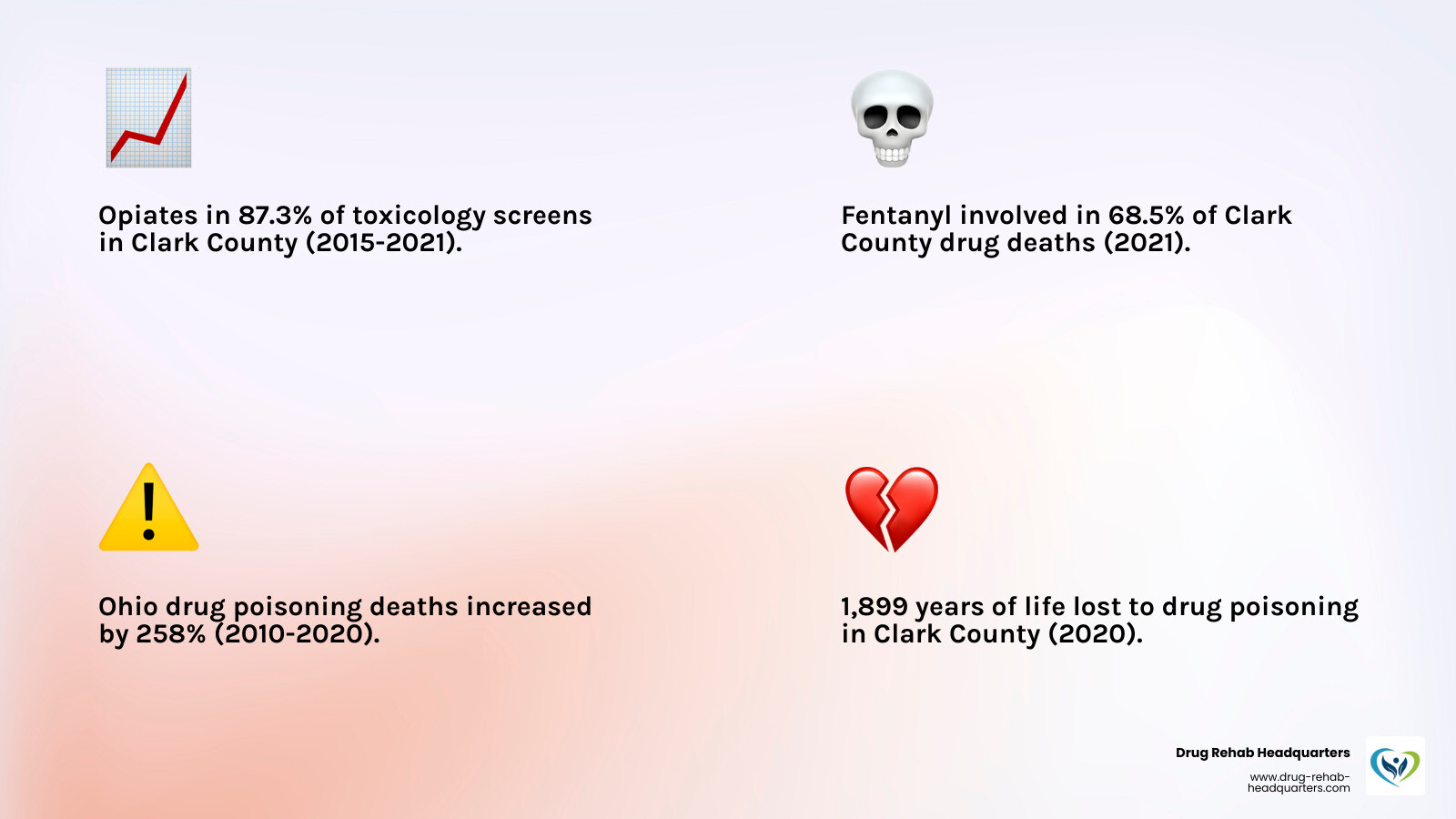
The numbers tell a sobering story. Between 2015 and 2021, opiates appeared in 87.3% of toxicology screens in Springfield and Clark County. The crisis is driven by illicit fentanyl, involved in 68.5% of local drug-related deaths in 2021, and cocaine, which played a role in 35%. Statewide, deaths from drug poisoning in Ohio increased by 258% from 2010 to 2020. In Clark County, this crisis accounted for 1,899 years of life lost in 2020 alone, with the average age of death at just 41.1 years. The impact is disproportionate, with drug poisoning being the highest cause of premature death for Black residents in 2020, highlighting the need for accessible, culturally competent treatment.
Yet there’s hope. Springfield offers a range of evidence-based treatment programs, from medically supervised detox to long-term residential care, intensive outpatient services, and specialized tracks for veterans, professionals, and LGBTQ+ individuals. These facilities combine medication-assisted treatment, cognitive behavioral therapy, trauma-informed care, and holistic approaches like yoga and mindfulness.
At Drug Rehab Headquarters, we’ve guided thousands of individuals and families through the complex process of finding effective Springfield drug rehab programs that match their unique needs and circumstances. Our mission is connecting you with accredited facilities that offer personalized, compassionate care to support lasting recovery.
The Reality of Substance Abuse in Springfield, Ohio
The substance abuse crisis in Springfield, Ohio, represents shattered lives and a community facing immense challenges. Data from Clark County reveals the widespread impact of addiction, with opiates overwhelmingly present in toxicology screens. This public health emergency demands a compassionate response. Recognizing the signs of addiction is the first step toward getting help, and local statistics reinforce the urgent need for accessible treatment. For more information about various forms of Addiction Treatment, explore our resources.
Signs and Symptoms of Addiction
Addiction often hides in plain sight. Recognizing the signs is crucial for identifying the need for professional help. Common indicators include:
- Behavioral Changes: Increased secrecy, dishonesty, changing social circles, legal troubles, or declining performance at work or school. They may become defensive or irritable when confronted.
- Physical Symptoms: Changes in appearance like weight fluctuations, poor hygiene, dilated pupils, or bloodshot eyes. Other signs include tremors, slurred speech, or coordination issues.
- Psychological Warning Signs: Unexplained mood swings, anxiety, depression, paranoia, or personality changes. A loss of interest in once-enjoyed hobbies is also common.
- Social Withdrawal: Isolating from family and friends, preferring to be alone or with others who enable their substance use.
- Financial Issues: Unexplained financial problems, borrowing or stealing money, and neglecting bills.
- Neglecting Responsibilities: Failing to meet obligations at home, work, or school while prioritizing substance use.
- Increased Tolerance: Needing more of a substance to achieve the same effect.
- Withdrawal Symptoms: Physical or psychological discomfort (nausea, sweating, anxiety) when trying to stop or reduce use.
If you observe several of these signs, it’s a strong indication that professional intervention from a Springfield drug rehab center may be necessary.
Local Statistics: A Call for Action
The statistics for Springfield and Clark County are a stark reminder of the human cost of addiction:
- Opiates in 87.3% of toxicology screens: This high percentage (2015-2021) shows the overwhelming presence of opioids, driving the need for specialized treatment.
- Unintentional drug poisoning as leading cause of death: Since 2007, drug poisoning has been the leading cause of death in Ohio, indicating a persistent public health crisis.
- Disproportionate impact on Black residents: In 2020, drug poisoning was the highest cause of premature death for Black residents in Clark County, highlighting the need for equitable access to treatment.
- Fentanyl in 81% of Ohio overdose deaths: In 2020, fentanyl was involved in 81% of Ohio’s overdose deaths. In Clark County, it was a factor in 68.5% of drug-related deaths in 2021.
- Cocaine involvement in Clark County deaths: Cocaine was involved in 35% of local drug-related deaths in 2021, often mixed with other substances like fentanyl, highlighting a polydrug crisis.
These statistics are a powerful call to action, emphasizing why robust and accessible Springfield drug rehab services are vital for our community.
Exploring Treatment Programs in Springfield
Facing addiction treatment can be overwhelming, but Springfield, Ohio, offers a diverse landscape of care. Finding the right fit is paramount, which is why we advocate for a “continuum of care”—a seamless transition through evolving levels of support. With individualized treatment planning, Springfield drug rehab centers offer comprehensive healing through foundational therapies and specialized tracks.

Levels of Care Available
The journey to recovery often involves several stages of support. In Springfield, you’ll find a range of options:
- Detox: Often the critical first step, medical detox provides a safe, medically supervised environment to manage withdrawal symptoms. This is crucial, as withdrawing from substances like alcohol or benzodiazepines can be dangerous without professional oversight.
- Residential Long-Term Drug Treatment: For severe addiction, residential treatment offers an immersive, 24/7 structured environment. Patients live at the facility, focusing on healing away from triggers. Programs typically last 30 to 60 days, providing a strong foundation for recovery.
- Partial Hospitalization Programs (PHP): A bridge between inpatient and outpatient care, PHPs involve several hours of treatment 5-7 days a week, with patients returning home nightly. This offers significant structure while allowing for some independence.
- Intensive Outpatient Programs (IOP): A flexible option for those needing support while maintaining responsibilities like work or school. Participants attend therapy for 9 to 20 hours per week, integrating recovery into daily life.
- Standard Outpatient Treatment: The least intensive level, suitable for early recovery or as a step-down from other programs. Sessions are typically held weekly, focusing on relapse prevention and support.
- Halfway Houses and Sober Living: These facilities provide a safe, drug-free living environment for those transitioning from intensive treatment. They offer structure, accountability, and peer support vital for long-term sobriety.
Specialized Programs and Amenities
Springfield drug rehab centers understand that addiction affects everyone differently, which is why many offer specialized programs:
- Programs for Veterans: Services designed for military personnel and veterans, often addressing co-occurring trauma like PTSD. TRICARE is frequently accepted.
- LGBTQ+ Friendly Options: These programs create a safe, affirming space for LGBTQ+ individuals, addressing unique challenges.
- Gender-Specific Treatment: Programs exclusively for men or women, allowing for focused discussions on gender-specific experiences.
- Professional’s Programs: Co-ed programs designed for working professionals, offering intensive support while allowing them to continue their careers.
- Typical Amenities: Modern rehab centers often prioritize a healing environment with amenities like:
- Fitness centers and recreational activities.
- Dedicated spaces for yoga, meditation, art, or music therapy.
- Comfortable rooms and outdoor patios for relaxation.
- Nutritious meals, sometimes prepared by executive chefs.
These specialized programs and amenities contribute to a more personalized and effective recovery experience.
The Core Components of a Springfield Drug Rehab Program
At the heart of every effective Springfield drug rehab program are evidence-based therapies and holistic approaches designed to build a strong foundation for sobriety. We believe in healing the whole person – mind, body, and spirit. This comprehensive strategy addresses not only the physical dependence but also the underlying psychological and emotional factors that contribute to addiction. Through a combination of cutting-edge techniques and compassionate care, individuals learn new coping mechanisms, identify triggers, and develop the resilience needed for lasting recovery.
Many programs also offer Dual Diagnosis Drug Rehab to address co-occurring mental health conditions, which is a critical aspect of successful treatment.
The Role of Medical Detox and MAT
The initial phase of recovery often involves freeing the body from the physical grip of substances. This is where medical detox plays a vital role:
- Managing Withdrawal Symptoms Safely: Medical detox provides 24/7 medical supervision to ensure comfort and safety during withdrawal. This is paramount because withdrawal symptoms can range from uncomfortable to life-threatening, depending on the substance.
- Medication-Assisted Treatment (MAT): MAT combines FDA-approved medications with counseling and behavioral therapies. It’s an evidence-based approach particularly effective for opioid and alcohol addiction. In Springfield drug rehab centers, you might encounter medications such as:
- Buprenorphine: Used to reduce opioid cravings and withdrawal symptoms.
- Naltrexone: Blocks the euphoric and sedative effects of opioids and reduces alcohol cravings.
- Methadone Detoxification: Used to manage opioid withdrawal and cravings, often in a structured, long-term maintenance program. Our research indicates that Methadone is a primary prescription for opioid addiction treatment.
MAT helps stabilize individuals, allowing them to engage more fully in therapeutic work without the constant distraction of cravings and withdrawal.
Therapeutic Approaches for Lasting Change
Beyond medical interventions, therapy is the cornerstone of long-term recovery, helping individuals address the root causes of their addiction and develop healthy coping strategies. Springfield drug rehab programs use a variety of effective approaches:
- Cognitive Behavioral Therapy (CBT): This therapy helps individuals identify and change negative thought patterns and behaviors that contribute to substance use. It’s about learning to challenge distorted thinking.
- Dialectical Behavior Therapy (DBT): Often used for individuals with co-occurring mental health disorders, DBT focuses on mindfulness, emotional regulation, distress tolerance, and interpersonal effectiveness.
- Trauma-Informed Care: Recognizing that past traumas often underpin addiction, this approach creates a safe environment and helps individuals process traumatic experiences without re-traumatization.
- Family Therapy: Addiction impacts the entire family system. Family therapy helps improve communication, heal strained relationships, and build a supportive home environment for recovery.
- Group Counseling: Provides a supportive space for individuals to share experiences, learn from peers, and develop a sense of community, reducing feelings of isolation.
- Mental Health Services: Many centers integrate mental health services directly into their programs, understanding the close link between mental health and addiction.
- Dual Diagnosis Treatment: This crucial approach simultaneously treats addiction and co-occurring mental health disorders like anxiety, depression, or PTSD. Addressing both conditions concurrently is vital for preventing relapse and achieving holistic well-being.
Aftercare and Long-Term Recovery Support
Recovery doesn’t end when a formal treatment program concludes. Effective Springfield drug rehab centers emphasize robust aftercare planning and long-term support to sustain sobriety:
- Relapse Prevention Planning: Individuals work with counselors to identify potential triggers, develop coping strategies, and create a personalized plan to steer challenges post-treatment.
- Alumni Programs: Many facilities offer alumni networks, providing ongoing connection and peer support, which our research indicates can be incredibly valuable for long-term recovery.
- Peer Support Groups: These community-based groups offer invaluable ongoing support:
- Alcoholics Anonymous Meetings (AA): A 12-step program for alcohol addiction.
- Narcotics Anonymous (NA): A 12-step program for drug addiction.
- SMART Recovery: A science-based self-help program focusing on self-empowerment and cognitive behavioral techniques.
- Ongoing Counseling: Continued individual or group therapy sessions can provide consistent support, help process new challenges, and reinforce learned coping skills.
This comprehensive approach to aftercare acknowledges that recovery is a lifelong journey, equipping individuals with the tools and community they need to thrive.
Navigating Your Path to a Treatment Center
Taking the first step towards recovery is a courageous act, and we are here to help you steer the process of finding the right Springfield drug rehab center. It can feel like a daunting task, but with the right information and support, you can make an informed decision. Our goal is to empower you to choose a facility that aligns with your unique needs and offers the best chance for lasting sobriety. You don’t have to do this alone. For general information on finding Drug Rehab Centers, we have a wealth of resources available.
How to Choose the Right Springfield drug rehab Program
Choosing the right Springfield drug rehab program is a personal decision that requires careful consideration. Here are key factors we recommend you assess:
- Assessing Individual Needs: What substances are being used? Are there co-occurring mental health conditions? What is the severity of the addiction? Do you need medical detox? Your answers will guide the type and intensity of care required.
- Facility Accreditation: Look for centers accredited by reputable organizations like CARF (Commission on Accreditation of Rehabilitation Facilities) or The Joint Commission. Our research shows that accreditation by The Joint Commission signifies a commitment to quality and safety standards. These accreditations indicate that a facility meets rigorous standards of care.
- Staff Qualifications: Inquire about the credentials and experience of the medical and clinical staff (doctors, nurses, therapists, counselors). Our research mentioned staff with CADC, MA, MSW, and LPC credentials, highlighting the importance of qualified professionals.
- Treatment Philosophy: Does the center use evidence-based practices? Do they offer holistic approaches? Do they align with your personal beliefs and values? Some centers emphasize a “whole-client approach,” nurturing mental, emotional, and physical health.
- Location and Environment: Consider whether an inpatient or outpatient setting is more suitable. Some individuals thrive in a “home-like” or “vacation-like” atmosphere with amenities, while others prefer a more clinical setting. Proximity to family support can also be a factor.
- Program Duration and Flexibility: Programs can vary from 30-day residential stays to long-term outpatient care. We know that the timeframe is dependent on your specific treatment plan and needs. Ensure the program’s length and scheduling (e.g., intensive outpatient options for those with daily responsibilities) fit your lifestyle and recovery goals.
Paying for Springfield drug rehab: Insurance and Other Options
The cost of addiction treatment can be a significant concern, but many options exist to make it accessible. We encourage you to explore all avenues:
- Private Health Insurance: Most private and employer-provided insurance plans cover some or all of the cost of addiction treatment. The Mental Health Parity and Addiction Equity Act mandates that insurance providers cover substance abuse treatment to some extent. We can help you verify your specific coverage.
- Ohio Medicaid: For low-income individuals, Ohio Medicaid covers some or all of drug addiction treatment. This is a crucial resource for many in our state.
- Medicare: For individuals aged 65 and older, Ohio Medicare covers alcohol and drug rehab, as well as screening and assessments.
- TRICARE for Military: Ohio TRICARE provides coverage for veterans and military personnel for substance abuse treatment.
- Sliding Scale Fees: Some facilities offer fees based on your income and ability to pay, making treatment more affordable.
- Private Pay Options: If insurance is not an option, many centers offer financing plans or accept direct payment.
- Verifying Your Coverage: We always recommend contacting your health insurance provider directly to understand your specific benefits, deductibles, and out-of-pocket maximums. Our team can also assist you with this process.
Legal Resources and Supporting a Loved One
Understanding the legal landscape and knowing how to support a loved one are essential aspects of addressing addiction in our community:
- Ohio’s Good Samaritan Overdose Law: This vital law provides immunity from drug-related prosecution for individuals who call 911 to report an overdose. However, our research notes that it requires the individual to seek screening and referral for addiction treatment within 30 days of calling 911 to maintain immunity. This encourages people to seek help without fear of legal repercussions.
- Naloxone Access Laws: Ohio has laws that allow individuals to purchase naloxone (an opioid overdose reversal medication) without a prescription. This is a critical tool for preventing fatal overdoses in our community.
- Drug Rehabilitation for DUI and DWI Offenders: For those facing legal consequences due to substance use, there are programs specifically designed to meet court-ordered requirements while addressing the underlying addiction. These programs often include education on the dangers of driving under the influence.
- How to Support a Loved One: Approaching someone struggling with addiction requires compassion and patience. We recommend educating yourself about addiction, expressing your concerns without judgment, and setting healthy boundaries.
- Intervention Support: In some cases, a professional intervention may be necessary. Interventionists can guide families through this difficult process, helping to motivate a loved one to seek treatment.
- Family Involvement in Treatment: Many Springfield drug rehab programs emphasize family therapy and involvement, recognizing that addiction is a family disease. Healing family relationships is often crucial for the individual’s long-term recovery.
Frequently Asked Questions about Addiction Treatment in Springfield
We understand you have questions, and we’re here to provide clear, helpful answers to some of the most common inquiries about Springfield drug rehab and the recovery process.
How long does a typical drug rehab program last?
The duration of a Springfield drug rehab program is highly individualized and depends on a person’s specific needs, the severity of their addiction, and the level of care required. While there’s no “typical” length, common program durations include:
- 30-day programs: Often a starting point, particularly for residential treatment, providing an intensive period of stabilization and therapy.
- 60 or 90-day programs: These longer residential or intensive outpatient programs allow for deeper therapeutic work, addressing underlying issues and strengthening coping skills. Our research indicates that residential programs typically last between 30 and 60 days.
- Long-term options: Some individuals may benefit from extended care, which can last for several months or even a year, often transitioning through various levels of outpatient care and sober living arrangements.
The goal is to provide enough time for meaningful change and to equip individuals with the tools for sustained recovery.
What is dual diagnosis treatment, and is it available in Springfield?
Dual diagnosis treatment, also known as co-occurring disorders treatment, refers to addressing both a substance use disorder and a mental health disorder simultaneously. It’s a critical approach because, as our research highlights, substance use disorder often stems from underlying mental health issues. Conditions like anxiety, depression, PTSD, and bipolar disorder can co-occur with addiction, and treating only one without the other significantly increases the risk of relapse.
Yes, dual diagnosis treatment is available in Springfield, Ohio. Many Springfield drug rehab centers integrate mental health services into their programs, recognizing the importance of this holistic approach. They offer specialized therapies like CBT, DBT, and trauma therapy that are effective for both addiction and mental health conditions. When considering a Springfield drug rehab, we always recommend inquiring about their dual diagnosis capabilities if you suspect or know that mental health issues are a factor.
Can I lose my job for attending rehab in Ohio?
The prospect of losing employment can be a major barrier for individuals seeking addiction treatment. Fortunately, in Ohio, certain protections are in place:
- Addiction Discrimination Laws: Ohio has addiction discrimination laws that protect employees seeking treatment. Our research specifically mentions these laws, which aim to prevent employers from discriminating against individuals solely because they are pursuing recovery.
- FMLA (Family and Medical Leave Act): The FMLA is a federal law that allows eligible employees to take up to 12 weeks of unpaid, job-protected leave for certain family and medical reasons, including treatment for a serious health condition like addiction. This means your job (or an equivalent position) is protected while you are in rehab, provided you meet the FMLA’s eligibility requirements.
- Seeking Treatment as a Protected Activity: Under certain circumstances, seeking treatment for addiction can be considered a protected activity under disability laws, offering additional safeguards against discrimination.
- Confidentiality: Treatment centers are bound by strict confidentiality rules (HIPAA), meaning your employer cannot be informed of your treatment without your explicit consent.
While these protections exist, we always advise consulting with an HR representative or legal counsel to understand your specific rights and responsibilities before entering a Springfield drug rehab program. Open communication with your employer, where appropriate, can also facilitate a smoother transition.
Conclusion: Your Journey to Recovery Starts Today
The path to recovery from addiction is challenging, but it is a journey filled with hope, healing, and the promise of a brighter future. As we’ve explored, the community of Springfield, Ohio, is deeply affected by substance abuse, but it also offers a robust network of Springfield drug rehab resources dedicated to helping individuals reclaim their lives. From medically supervised detox and intensive residential programs to flexible outpatient options and crucial aftercare support, the pathways to recovery are numerous and custom to individual needs.
Recovery is achievable. We believe that with the right support, personalized treatment, and a compassionate approach, anyone can overcome addiction. Taking that crucial first step – reaching out for help – is the most powerful decision you can make.
At Drug Rehab Headquarters, we are committed to connecting you with the best possible care. Our 24/7 confidential helpline is staffed by certified counselors, many with personal experience in recovery, offering personalized guidance to find evidence-based, holistic treatment options that fit your unique situation. We are here to help you steer this process and find the support you deserve.
Don’t wait another day to start your healing journey. Contact us, and let us help you find the Springfield drug rehab program that will light your way forward.