Understanding Your Options for Inpatient Drug Rehab in Toledo, Ohio
Inpatient drug rehab in toledo ohio provides 24/7 medical care and structured residential treatment for individuals struggling with substance use disorders. If you’re searching for immediate help, the area offers a range of options, from hospital-based medical detox units to standalone residential centers that provide comprehensive care for men and women. Many facilities offer same-day assessments and specialized programs for dual diagnosis care.
Quick Facts:
- Average cost in Ohio: $56,688 for inpatient care
- Most insurance plans accepted, plus Medicaid options
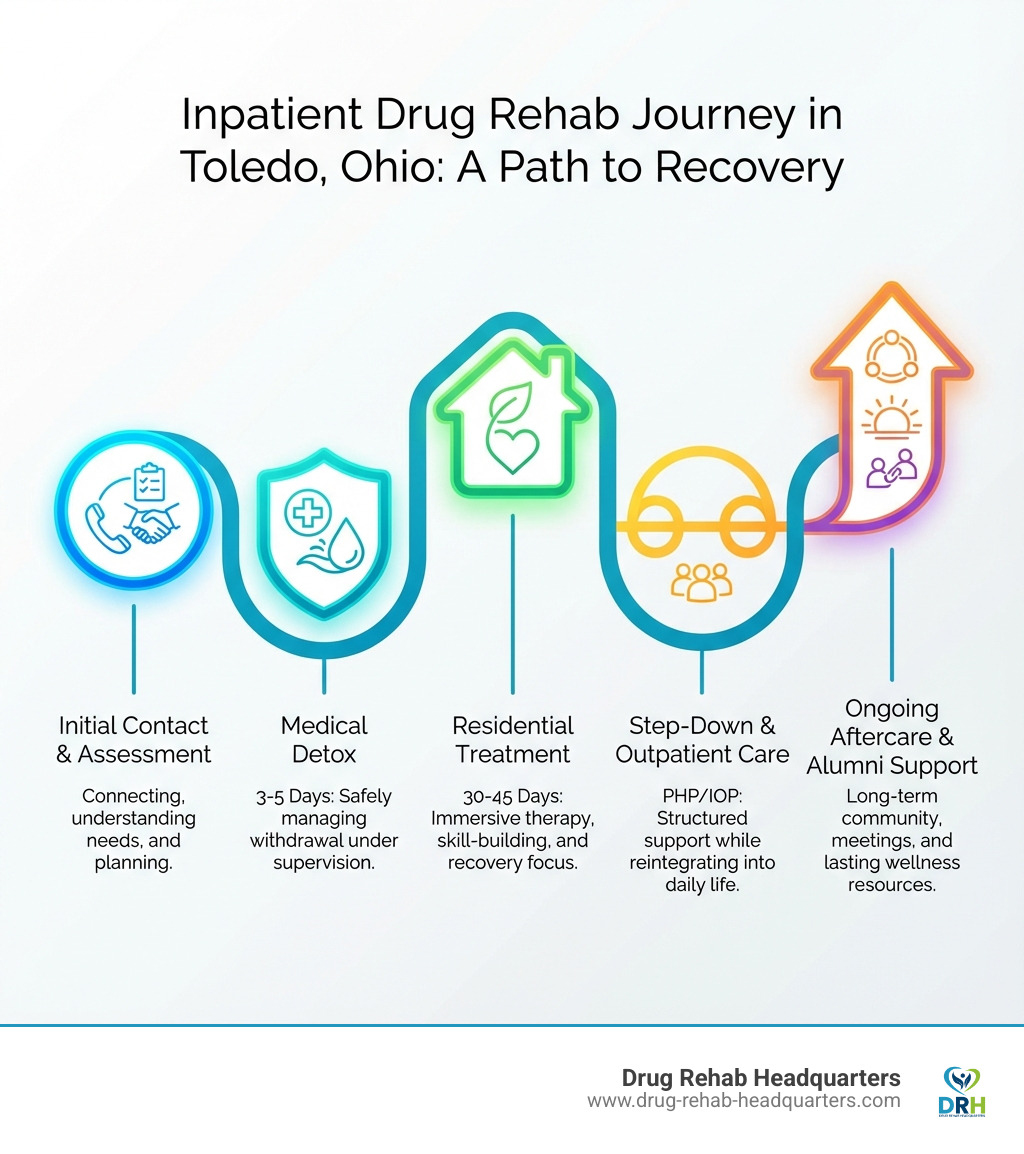
- Typical stay: 30-45 days after 3-5 day detox
- Treatment for alcohol, opioids, stimulants, and co-occurring mental health disorders
Toledo faces a serious substance use crisis. Lucas County saw 235 drug overdose deaths in the 12-month period ending June 2022, with fentanyl involved in approximately 90% of overdose deaths. The opioid dispensing rate in Lucas County was 79 per 100 residents in 2020, and 22% of adults were considered binge drinkers.
This crisis demands immediate action and accessible treatment. Whether you’re struggling with opioid addiction, alcohol dependence, or polysubstance use, inpatient rehab offers the intensive medical supervision and therapeutic support needed to safely detox and begin rebuilding your life.
At Drug Rehab Headquarters, we’ve dedicated ourselves to connecting individuals and families with life-saving inpatient drug rehab in toledo ohio and throughout the state. Our team understands the local treatment landscape and helps match people with programs that fit their specific needs, insurance coverage, and recovery goals.
If you want to better understand what a substance use disorder is and how it is diagnosed, you can review the medical overview of Substance Use Disorder as a starting point for more research.
Understanding Inpatient vs. Outpatient Rehab
When considering treatment for a substance use disorder, one of the first decisions involves choosing between inpatient and outpatient care. Both approaches aim to help individuals achieve lasting sobriety, but they differ significantly in structure, intensity, and environment. Understanding these differences is crucial for selecting the right path for your unique needs.
Inpatient rehab, also known as residential treatment, provides a highly structured and immersive environment. Individuals live at the treatment facility 24 hours a day, 7 days a week, receiving constant medical supervision and therapeutic support. This round-the-clock care is particularly beneficial for those with severe addictions, complex co-occurring mental health issues, or those who require a complete removal from their usual environment to avoid triggers. Inpatient programs integrate medical detoxification, individual and group therapy, educational sessions, and recreational activities into a comprehensive daily schedule. The goal is to provide a safe, stable, and supportive setting where healing can begin without external distractions. Facilities offering inpatient drug rehab in toledo ohio often feature dedicated medical staff, counselors, and support personnel to guide individuals through every step of their recovery journey.
Outpatient rehab, on the other hand, offers more flexibility. Participants attend scheduled therapy sessions and groups at a facility but return home afterward, allowing them to maintain their work, school, or family responsibilities. While still providing crucial therapeutic interventions, outpatient programs do not offer the same level of supervision or medical care as inpatient settings. They are typically suitable for individuals with less severe substance use disorders, a strong support system at home, or as a step-down option after completing an inpatient program.
Here’s a comparison to help illustrate the differences:
| Feature | Inpatient Rehab | Outpatient Rehab |
|---|---|---|
| Structure | Highly structured, 24/7 supervision | Flexible, scheduled sessions |
| Intensity | High, immersive, constant support | Moderate, part-time commitment |
| Environment | Live at facility, away from triggers | Live at home, steer daily life and triggers |
| Medical Care | Continuous medical monitoring, detox on-site | Limited medical support, detox typically elsewhere |
| Ideal Candidate | Severe SUD, dual diagnosis, unstable home environment | Mild to moderate SUD, strong home support, work/school obligations |
Why Choose an Inpatient Drug Rehab in Toledo, Ohio?
Choosing an inpatient drug rehab in toledo ohio offers several distinct advantages, particularly for those whose lives have been significantly impacted by substance use. Opting for local treatment means individuals can remain closer to their established support networks, including family and friends, who can participate in family therapy sessions and provide encouragement throughout the recovery process. Being in a familiar community can also reduce feelings of isolation often associated with seeking treatment away from home.
Toledo and Lucas County face a significant struggle with substance abuse. In 2020, the opioid dispensing rate in Lucas County was 79 per 100 residents, indicating a widespread issue. Furthermore, the tragic statistic that fentanyl is involved in approximately 90% of overdose deaths in Lucas County underscores the critical need for immediate and effective intervention. These local statistics highlight that the problem is not abstract; it affects our neighbors, our families, and our community. Choosing a local inpatient facility means contributing to the solution within your own community, and the staff often have a deeper understanding of local challenges and resources.
Toledo offers various types of inpatient facilities to meet diverse needs. For those requiring immediate medical intervention to safely withdraw from substances, hospital-based detox units provide 24-hour medical withdrawal management for substances including alcohol, opioids, and benzodiazepines. Following detox, standalone residential centers offer structured therapeutic environments where individuals can focus entirely on their recovery. These centers provide comprehensive care with dedicated beds for both withdrawal management and longer-term residential stays for men and women.
We understand that finding the right facility is a deeply personal decision, and our team is here to help you steer the options available.
Learn more about Inpatient Drug Rehab in Toledo, Ohio at Drug Rehab Headquarters
Comprehensive Services and Amenities
A key advantage of inpatient drug rehab in toledo ohio is the comprehensive array of services and amenities designed to support a holistic recovery. These facilities aim to heal not just the addiction, but the whole person.

At the core of inpatient care is medical detoxification. This is often the first crucial step, where individuals safely and comfortably withdraw from substances under continuous medical supervision. Many local facilities emphasize medically supported detox, recognizing that withdrawal symptoms can range from uncomfortable to life-threatening.
Beyond detox, a robust treatment plan typically includes:
- Individual therapy: One-on-one sessions with a licensed therapist to explore the root causes of addiction, develop coping mechanisms, and process personal trauma.
- Group counseling: Peer support is invaluable. These sessions provide a safe space for individuals to share experiences, learn from others, and build a sense of community.
- Family support programs: Addiction affects the entire family. Many Toledo facilities offer family therapy, educational programs, and support meetings to help loved ones understand addiction, heal relationships, and establish healthy communication patterns.
- Case management: Dedicated case managers help coordinate care, plan for discharge, and connect individuals with ongoing resources and support services.
- Holistic therapies: Many programs integrate complementary therapies to promote overall well-being. While specific offerings vary, these can include fitness centers, yoga and meditation, art therapy, music therapy, and nutritional planning. Some facilities offer amenities such as a fully equipped gym and infrared sauna, highlighting a focus on physical wellness.
These comprehensive services ensure that every aspect of an individual’s physical, mental, and emotional health is addressed, laying a strong foundation for long-term recovery.
Evidence-Based Therapies for Lasting Recovery
Effective inpatient drug rehab in toledo ohio relies on evidence-based therapeutic approaches that have been scientifically proven to help individuals overcome addiction. These therapies are custom to each person’s unique needs and are delivered by experienced and compassionate professionals.
Some of the most common and effective therapies you can expect to find include:
- Cognitive Behavioral Therapy (CBT): This therapy helps individuals identify and change negative thought patterns and behaviors that contribute to substance use. It teaches coping skills to manage triggers and cravings.
- Dialectical Behavior Therapy (DBT): Often used for individuals with co-occurring mental health conditions, DBT focuses on emotional regulation, distress tolerance, interpersonal effectiveness, and mindfulness.
- Trauma-Informed Care: Recognizing that many individuals with substance use disorders have experienced trauma, this approach integrates an understanding of trauma into all aspects of treatment, creating a safe and supportive environment for healing.
- Motivational Interviewing: This client-centered approach helps individuals explore and resolve ambivalence about change, strengthening their motivation to pursue recovery.
A critical component of modern addiction treatment is dual diagnosis treatment. This integrated approach addresses co-occurring mental health disorders alongside substance use disorders simultaneously. We know that addiction rarely exists in a vacuum; many individuals struggle with mental health challenges that fuel their substance use. Many facilities in the Toledo area offer specialized dual diagnosis care, treating conditions such as:
- Anxiety disorders
- Depression
- Post-Traumatic Stress Disorder (PTSD)
- Bipolar disorder
- ADHD
- OCD
- Borderline personality disorder
- Schizophrenia
By treating both conditions concurrently, individuals have a much greater chance of achieving stable, long-term recovery. This integrated care ensures that all aspects of an individual’s well-being are addressed, leading to more sustainable outcomes.
More info about our Inpatient Drug Rehab Centers in Ohio
How long does inpatient drug rehab in Toledo, Ohio typically last?
The duration of inpatient drug rehab in toledo ohio is not a one-size-fits-all answer; it’s a highly personalized journey. The length of stay depends on several factors, including the severity of the substance use disorder, the presence of co-occurring mental health conditions, the individual’s response to treatment, and their specific recovery goals.
The initial phase often involves short-term medical detox. Hospital-based detox units typically plan for a 3-5 day admission, though this can extend based on individual needs, the stage of addiction, and general health. This critical period ensures safe withdrawal from substances.
Following detox, individuals typically transition to a residential treatment program. Common durations for these programs include:
- 30-day programs: These are often suitable for individuals with less severe addictions or those seeking a foundational start to their recovery journey.
- 60-day programs: Offering a more extended period for therapy and skill-building, these programs allow for deeper engagement with treatment.
- 90-day or longer programs: For individuals with severe or long-standing addictions, multiple relapses, or complex dual diagnoses, longer stays provide the intensive, sustained support needed for lasting change. Research indicates that longer treatment durations often correlate with better long-term outcomes.
Many facilities structure their residential programs with flexibility, acknowledging that recovery is a process. For example, it’s common for residential stays to range from 30 to 45 days, with the option for longer stays as needed.
After completing the primary inpatient phase, a step-down care continuum is crucial. This involves transitioning to lower levels of care, such as Partial Hospitalization Programs (PHP) or Intensive Outpatient Programs (IOP), which provide continued support while gradually reintroducing individuals to their daily lives. This phased approach helps solidify coping skills and prevents relapse.
Navigating Costs, Payments, and Choosing a Center
Understanding the financial aspects of inpatient drug rehab in toledo ohio is a significant step in the treatment process. While the cost can seem daunting, addiction is a chronic disease, and treatment is an investment in a healthier, more fulfilling future. Many factors influence the overall cost, but various payment options exist to make care accessible.

The cost of inpatient rehab can vary widely based on:
- Program length: Longer programs naturally incur higher costs.
- Amenities: Facilities offering luxury accommodations, private rooms, or extensive holistic therapies may be more expensive.
- Location: While we’re focusing on Toledo, regional differences can impact pricing.
- Services offered: The intensity of medical care, specialized therapies (like dual diagnosis), and the staff-to-patient ratio all play a role.
It’s also worth noting that Ohio has progressive laws that support individuals seeking treatment. The Good Samaritan Overdose Law, for instance, protects individuals from drug-related prosecution if they call 911 during an overdose, provided they seek a referral for treatment within a month. This law encourages people to save lives without fear of legal repercussions, emphasizing a community-wide commitment to recovery.
The Cost of Inpatient Drug Rehab in Toledo, Ohio
The financial commitment for inpatient drug rehab in toledo ohio can be a concern for many families. While specific prices for Toledo facilities can vary, we know that the average cost of inpatient drug rehab in Ohio is $56,688. This figure encompasses the extensive medical care, therapeutic services, accommodations, and support provided in a 24/7 residential setting. In comparison, outpatient drug rehab in Ohio averages around $1,700, highlighting the difference in intensity and services.
When we consider the prevalence of substance use in Lucas County, the need for accessible treatment becomes even clearer. In 2020, 8% of Lucas County adults reported misusing prescription drugs in the past 6 months, and 22% were considered binge drinkers. For these individuals, and many others struggling, the value of effective inpatient treatment far outweighs its cost. It’s a long-term investment in health, stability, and the chance to reclaim a life free from addiction. While the upfront cost may seem high, the long-term costs of untreated addiction—including health complications, legal issues, job loss, and strained relationships—are often far greater.
Learn more about Inpatient Drug Rehab Costs in Ohio
Payment Options: Making Treatment Accessible
We believe that financial barriers should never prevent someone from accessing life-saving addiction treatment. Fortunately, there are several payment options available to help make inpatient drug rehab in toledo ohio more accessible.
- Private health insurance: Most inpatient facilities accept a wide range of private health insurance plans. It’s crucial to understand your policy’s specifics, including whether the chosen facility is “in-network” or “out-of-network,” as this affects your out-of-pocket costs. Our team at Drug Rehab Headquarters can help you verify your insurance benefits to determine coverage.
- Ohio Medicaid: For eligible Ohio residents, Medicaid can be a vital resource for covering addiction treatment costs. Many local facilities accept Medicaid, making treatment available to a broader population.
- Medicare: While primarily for individuals aged 65 and older or those with certain disabilities, Medicare can also cover portions of inpatient addiction treatment, particularly for medical detox and psychiatric care.
- Private pay options: For those without insurance or who prefer not to use it, paying out-of-pocket is an option. Facilities may offer payment plans or accept credit cards.
- Sliding scale fees: Some non-profit organizations and public health centers offer treatment at reduced rates based on an individual’s income and ability to pay.
- Financing options: Third-party medical financing companies can provide loans to cover treatment costs, which can then be paid back in monthly installments.
We encourage you to explore all available options and not let cost deter you from seeking help. Our free helpline is available 24/7 to guide you through these payment complexities and connect you with resources.
More info about Hospitalization and Inpatient Drug Rehab Centers in Ohio
Life After Inpatient Rehab: Your Path to Continued Success
Completing an inpatient drug rehab in toledo ohio program is a monumental achievement, but it’s important to recognize that recovery is an ongoing journey, not a destination. The period immediately following inpatient care, known as aftercare, is critical for maintaining sobriety and building a stable, fulfilling life.
The importance of aftercare cannot be overstated. It provides continued support, helps individuals practice newly acquired coping skills in real-world settings, and significantly reduces the risk of relapse. Relapse prevention strategies are integrated into aftercare planning, equipping individuals with the tools to steer triggers and challenges.
Most comprehensive treatment plans include a step-down care approach, gradually transitioning individuals to less intensive levels of support. These may include:
- Partial Hospitalization Programs (PHP): Often referred to as “day treatment,” PHP offers a structured therapeutic environment for several hours a day, multiple days a week. Individuals attend sessions during the day and return home or to a sober living environment in the evenings. Many local providers offer PHP as a step between inpatient and outpatient care.
- Intensive Outpatient Programs (IOP): IOP provides a similar but less time-intensive structure than PHP, allowing individuals more flexibility to re-engage with work, school, or family while still receiving significant therapeutic support. IOP is a common offering for continued support after residential treatment.
- Sober living homes: These residences provide a safe, drug-and-alcohol-free environment with peer support and structured living, helping individuals transition back into independent living. Many local organizations can provide connections to such housing.
- Alumni programs: Many rehab centers foster strong alumni networks, offering ongoing support groups, social events, and mentorship opportunities. These programs create a sense of community and accountability among individuals who have completed treatment and are a key component of continued support.
- Community support groups: Participation in 12-step programs like Alcoholics Anonymous (AA) and Narcotics Anonymous (NA) is a cornerstone of long-term recovery for many. Toledo offers numerous AA and NA meetings, providing accessible, free, and continuous peer support. Local university counseling centers can also be an excellent resource for students seeking support.
These aftercare components are designed to provide a robust safety net, helping individuals solidify their recovery and thrive in their new, sober lives.
Frequently Asked Questions about Inpatient Rehab in Toledo
We understand you likely have many questions when considering inpatient drug rehab in toledo ohio. Here, we address some of the most common inquiries to help you make informed decisions.
What types of substance use disorders are treated in Toledo?
Inpatient facilities in Toledo are equipped to treat a wide spectrum of substance use disorders, providing specialized care custom to the unique challenges presented by different substances. Common types of disorders treated include:
- Alcohol Use Disorder: From binge drinking (which affects 22% of Lucas County adults) to severe dependence, facilities provide medical detox and therapy for alcohol addiction.
- Opioid Use Disorder: This includes addiction to illicit opioids like heroin and fentanyl (involved in 90% of Lucas County overdose deaths), as well as prescription painkillers such as OxyContin, Percocet, and Vicodin. Many local facilities specialize in opioid withdrawal management and subsequent treatment.
- Stimulant Use Disorder: Treatment is available for addiction to substances like cocaine, crystal meth, Adderall, and Vyvanse.
- Benzodiazepine Use Disorder: Addiction to medications like Xanax, Valium, and Ativan requires careful medical supervision during withdrawal, which is provided by qualified inpatient centers.
- Polysubstance use: Many individuals struggle with addiction to multiple substances simultaneously. Toledo’s inpatient programs are designed to address these complex cases comprehensively, including less common substances like Kratom, marijuana, hallucinogens, and inhalants.
Are there facilities that specialize in dual diagnosis?
Yes, absolutely. Many leading inpatient drug rehab in toledo ohio facilities specialize in treating dual diagnosis, which refers to the co-occurrence of a substance use disorder and a mental health disorder. We know that these conditions often intertwine, with one exacerbating the other. An integrated treatment approach is crucial for sustainable recovery.
Many local centers explicitly highlight their dual diagnosis capabilities. This means they offer comprehensive care that addresses both the addiction and the underlying mental health condition simultaneously, rather than treating them in isolation.
Common co-occurring mental health conditions treated alongside substance use disorders include:
- Anxiety disorders
- Depression
- Post-Traumatic Stress Disorder (PTSD)
- Bipolar disorder
- Obsessive-Compulsive Disorder (OCD)
- Attention-Deficit/Hyperactivity Disorder (ADHD)
- Borderline Personality Disorder
- Schizophrenia and related psychotic disorders
By integrating treatment for both, individuals receive a more holistic and effective path to recovery, improving their chances of long-term well-being.
What are the success rates for inpatient rehab?
Defining “success” in addiction recovery can be complex, as it extends beyond mere abstinence. While achieving sobriety is a primary goal, true success often encompasses a broader range of positive outcomes. For inpatient drug rehab in toledo ohio, and across the nation, success rates are typically measured by several factors:
- Abstinence rates: The percentage of individuals who remain completely free from substance use for a specified period (e.g., 6 months, 1 year, 5 years).
- Reduced substance use: Even if complete abstinence isn’t immediately achieved, a significant reduction in the frequency and quantity of substance use is considered a positive outcome.
- Improved mental health: Reductions in symptoms of depression, anxiety, and other co-occurring mental health disorders.
- Better quality of life: Improvements in overall well-being, including physical health, relationships, employment, housing stability, and engagement in meaningful activities.
- Increased employment: Gaining or maintaining stable employment is a strong indicator of successful reintegration into society.
While specific, publicly available success rates for individual Toledo facilities are not always common, research consistently shows that individuals who complete inpatient treatment, engage in aftercare, and commit to long-term recovery efforts have significantly better outcomes than those who do not seek help. Recovery is a process, and inpatient rehab provides a crucial foundation for that journey. It equips individuals with the tools, support, and understanding needed to steer life sober, even when challenges arise.
Conclusion: Take the First Step in Toledo Today
The journey to recovery from substance use disorder is one of the most courageous steps an individual can take. For those in Toledo, Ohio, and surrounding areas, the need for effective treatment is clear, as evidenced by the high opioid dispensing rates, the prevalence of fentanyl in overdose deaths, and the struggles with alcohol misuse.
The good news is that comprehensive, compassionate, and evidence-based inpatient drug rehab in toledo ohio is available. From medically supervised detox to structured residential programs, there are options designed to meet diverse needs. These programs offer a full spectrum of services, including individual and group therapies, dual diagnosis treatment, and robust aftercare planning, all aimed at fostering lasting recovery.
We understand that taking the first step can feel overwhelming, but remember the old saying: “A journey of a thousand miles begins with a single step.” If you or a loved one is struggling, please don’t hesitate. Recovery is possible, and a life free from the grip of addiction is within reach.
At Drug Rehab Headquarters, we are dedicated to connecting individuals with the right treatment program. Our 24/7 free helpline is staffed by certified counselors, many of whom have personal experience with recovery. We offer personalized guidance to help you find evidence-based, holistic treatment options that align with your specific needs, insurance, and recovery goals. Let us help you start your journey to a healthier, happier future today.