

Understanding Your Path to Mental Wellness
Bipolar disorder rehab provides specialized programs that combine medication, evidence-based therapies, and comprehensive support to help individuals manage mood swings and build stable lives. Effective rehab, whether residential, outpatient, or virtual, addresses both bipolar disorder and any co-occurring conditions like substance use or anxiety.
Key components of bipolar disorder rehab include:
- Medication Management: Mood stabilizers, antipsychotics, and antidepressants.
- Psychotherapy: Individual, group, and family therapy.
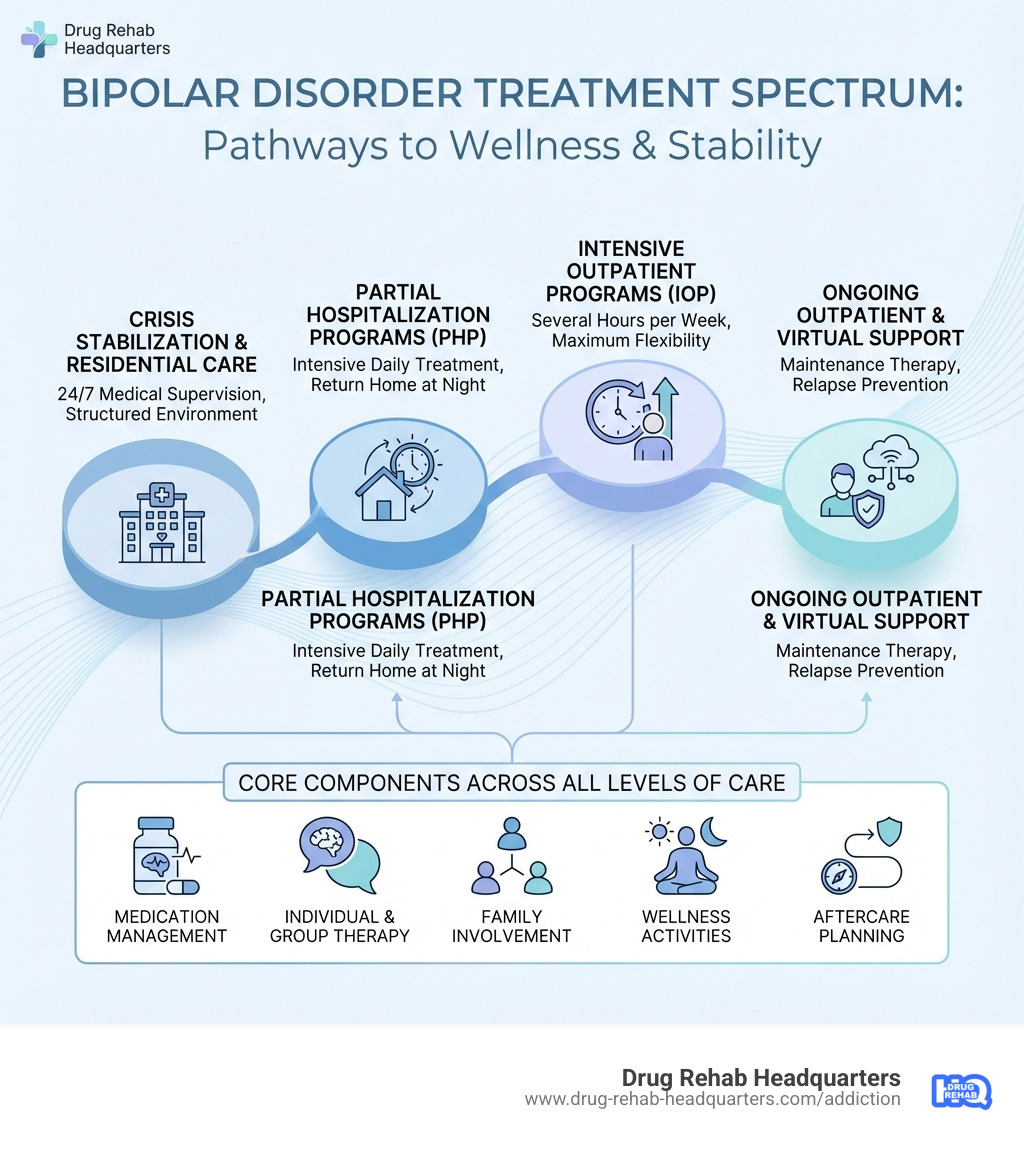
- Levels of Care: Residential, Partial Hospitalization (PHP), Intensive Outpatient (IOP), and virtual options.
- Holistic Support: Wellness programs, stress management, and sleep hygiene.
- Family Involvement: Education and support for loved ones.
- Aftercare Planning: Long-term management and relapse prevention.
Bipolar disorder, formerly known as manic depression, is a highly treatable condition affecting about 4.4% of U.S. adults, according to 2025 data. It involves significant mood shifts—from manic highs with liftd energy to depressive lows with fatigue and loss of interest. However, with the right treatment combining medication, therapy, and lifestyle changes, recovery is possible, and millions lead stable, productive lives.
The landscape of bipolar disorder treatment in 2025 offers specialized centers, accessible virtual therapy, and integrated programs for co-occurring conditions like substance use disorder, which, according to 2025 data, affects up to 56% of people with bipolar disorder.
This guide covers understanding the condition, exploring treatment levels, finding a provider, and building a long-term recovery plan.
At Drug Rehab Headquarters, we connect individuals with compassionate, evidence-based treatment for bipolar disorder and co-occurring substance abuse. Our team offers confidential help in finding the right program, from residential to outpatient care. If you’re ready to take the first step, call our confidential helpline at 866-720-3784 to speak with a treatment specialist today.
Understanding Bipolar Disorder and Its Complexities
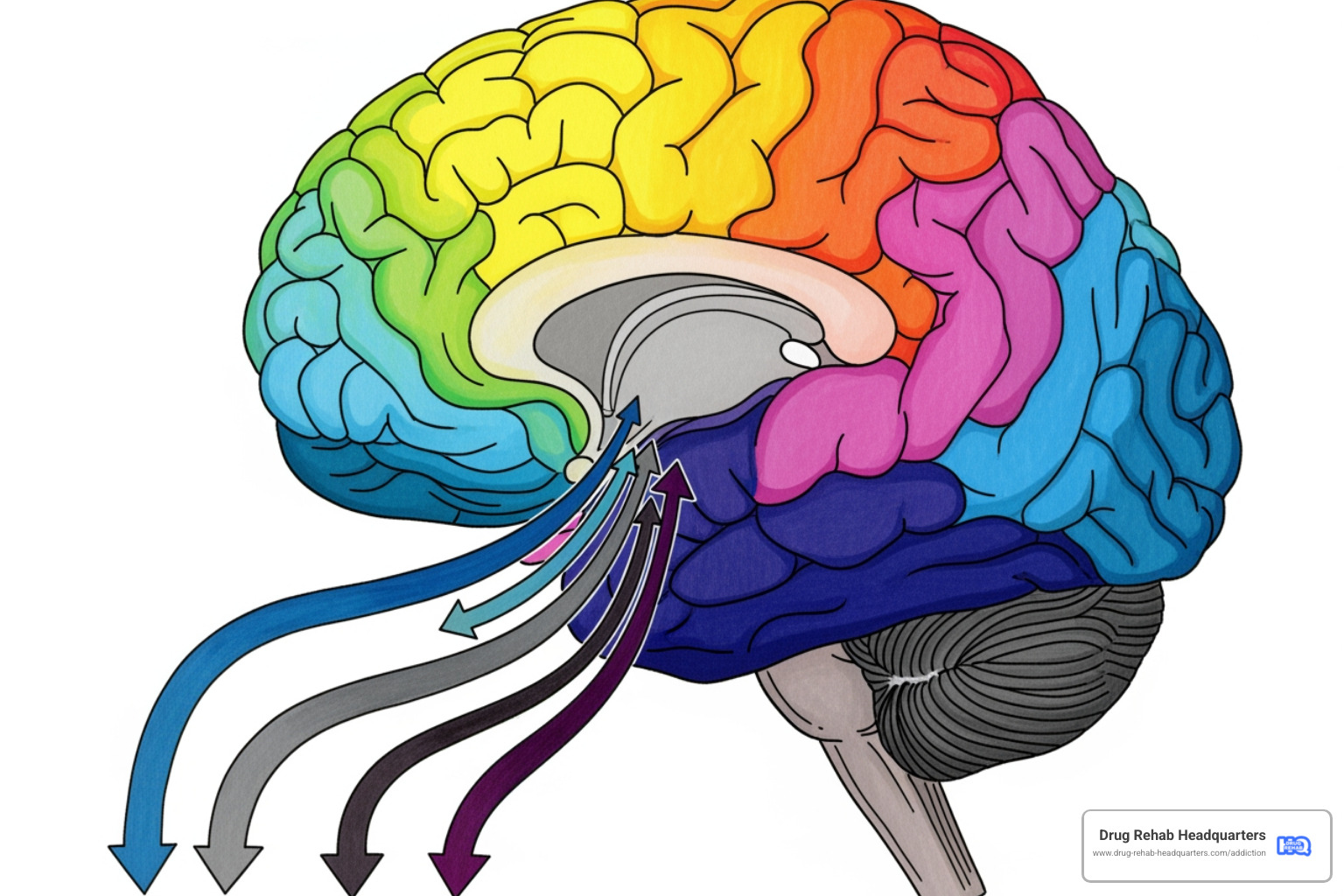
Living with bipolar disorder involves navigating intense shifts in mood, energy, and concentration known as mood episodes. These shifts are far more severe than typical mood swings and can significantly impact daily life. Recognizing the symptoms is the first step toward seeking help.
The Primary Symptoms of Bipolar Disorder
Learn more about the distinct symptoms of bipolar disorder to better understand these episodes.
Manic Episodes: A period of abnormally liftd or irritable mood, with increased energy. Symptoms include:
- Liftd or irritable mood
- Inflated self-esteem or grandiosity
- Decreased need for sleep
- Racing thoughts and rapid speech
- Increased distractibility and goal-directed activity
- Reckless behavior (e.g., impulsive spending, risky behavior)
Depressive Episodes: A period of pervasive low mood and loss of interest or pleasure. Symptoms include:
- Chronic fatigue and lack of energy
- Loss of motivation and interest in activities
- Persistent sadness, emptiness, or hopelessness
- Changes in appetite or weight
- Sleep disturbances (insomnia or hypersomnia)
- Feelings of worthlessness or excessive guilt
- Reduced ability to concentrate
- Thoughts of death or suicide
Some individuals experience “mixed features,” with symptoms of both mania and depression occurring simultaneously.
The Different Types of Bipolar Disorder
Bipolar disorder exists on a spectrum. A proper diagnosis from a mental health professional is crucial for creating an effective bipolar disorder rehab plan. The three types of bipolar disorder include:
- Bipolar I Disorder: Defined by at least one manic episode, which may be severe enough to require hospitalization. Depressive or hypomanic episodes may also occur.
- Bipolar II Disorder: Involves at least one major depressive episode and at least one hypomanic episode (a less severe form of mania), but never a full manic episode.
- Cyclothymic Disorder: A milder, chronic form involving numerous periods of hypomanic and depressive symptoms that don’t meet the full criteria for an episode. Symptoms persist for at least two years.
The Challenge of Co-Occurring Disorders
Many people with bipolar disorder also face co-occurring disorders like anxiety or substance use disorder (SUD). According to 2025 estimates, up to 56% of individuals with bipolar disorder will experience SUD in their lifetime, often as an attempt to “self-medicate” mood swings. This can create a vicious cycle, worsening both conditions. For more details, see our article on Bipolar disorder and substance use.
Because of this complex relationship, integrated treatment that addresses both bipolar disorder and any co-occurring conditions simultaneously is the gold standard of care. This approach is far more effective than treating each issue separately.
Core Components of Effective Bipolar Disorder Treatment
Effective bipolar disorder rehab uses a multi-faceted approach that combines medication, therapy, and professional expertise to stabilize mood and provide skills for long-term recovery.
The Foundational Role of Medication and Psychotherapy
A combination of medication and psychotherapy is the most effective treatment for bipolar disorder. This dual approach addresses both the biological and psychological aspects of the condition, and research shows it leads to faster, more sustainable recovery.
Medication Management: Medication is a cornerstone of treatment, helping to stabilize mood. A board-certified psychiatrist is essential for managing this process. Common medications include:
- Mood Stabilizers: The first line of defense to control manic and depressive episodes.
- Antipsychotics: Used to treat manic or mixed episodes and for long-term mood stabilization.
- Antidepressants: Used cautiously for depressive episodes, always with a mood stabilizer to prevent triggering mania.
Psychotherapy: Therapy provides strategies for managing symptoms, improving relationships, and coping with challenges. It is offered in individual, group, and family formats.
Key Therapies Used in Bipolar Disorder Rehab
Evidence-based therapies provide practical tools for managing bipolar disorder. Learn more in our article on Therapies for bipolar disorder.
- Cognitive Behavioral Therapy (CBT): Helps identify and change negative thought patterns and behaviors.
- Dialectical Behavior Therapy (DBT): Teaches mindfulness, emotional regulation, and distress tolerance.
- Psychoeducation: Educates the individual and family about the disorder, treatment, and relapse prevention, which improves outcomes.
- Interpersonal and Social Rhythm Therapy (IPSRT): Focuses on stabilizing daily routines (sleep, meals, exercise) to regulate mood.
- Family-Focused Therapy (FFT): Involves family members to improve communication and build a supportive home environment.
The Importance of Accreditation and Certified Professionals
When choosing a bipolar disorder rehab, prioritize centers with high standards of care. Key indicators of quality include:
- Accreditation: Look for accreditation from The Joint Commission or CARF, which signifies adherence to rigorous standards for safety and care.
- Certified Professionals: The treatment team should include board-certified psychiatrists, licensed therapists (psychologists, LCSWs, LMFTs), nurses, and other specialists. A multidisciplinary team ensures comprehensive, individualized care for the best chance at long-term stability.
Navigating Levels of Care in Bipolar Disorder Rehab
Bipolar disorder rehab is not a one-size-fits-all solution. A “continuum of care” offers different levels of support to match an individual’s changing needs, from intensive 24/7 supervision to flexible outpatient services.

Residential and Inpatient Bipolar Disorder Rehab
For severe episodes or complex co-occurring disorders, residential or inpatient care provides a safe, immersive therapeutic environment. Key benefits include:
- 24/7 Medical Supervision: Constant oversight for crisis response and medication management.
- Crisis Stabilization: Ideal for managing acute symptoms and preventing self-harm.
- Structured Environment: A routine-based schedule reduces stress and helps regulate sleep cycles.
- Comprehensive Assessment: Allows for thorough evaluation to create a personalized treatment plan.
- Dual Diagnosis Treatment: Provides the intensity needed to address both bipolar disorder and co-occurring SUD.
Outpatient and Partial Hospitalization Programs (PHP)
As symptoms stabilize, outpatient programs offer structured treatment while allowing individuals to live at home. These programs balance intensive care with daily life, a reason Why Mental Health Treatment Centers Are In High Demand.
- Partial Hospitalization Programs (PHP): Also known as “day treatment,” PHP involves intensive therapy for several hours a day, five days a week. It’s a step down from inpatient care or for those needing significant support without 24/7 supervision.
- Intensive Outpatient Programs (IOP): IOPs are less intensive than PHP, with sessions a few hours a day, three to five days a week. This flexibility allows individuals to work or attend school while receiving consistent support.
The Advantages of Telehealth and Remote Support
Telehealth has become a vital part of bipolar disorder rehab, expanding access to care. Its advantages include:
- Increased Accessibility: Removes geographical barriers, making specialized treatment available anywhere.
- Convenience and Flexibility: Virtual sessions fit into busy schedules and eliminate commute times.
- Reduced Stigma: Seeking treatment from the privacy of home can feel more comfortable.
- Consistent Support: Facilitates regular engagement with therapy and medication management.
Drug Rehab Headquarters can connect you with reputable providers offering robust telehealth services. Call us at 866-720-3784 to learn more.
Finding the Right Bipolar Treatment Provider for You
Finding the right bipolar disorder rehab provider is a crucial step. This process involves assessing your needs, navigating insurance, and asking informed questions to find the best fit.
How to Find a Provider Based on Needs and Insurance
- Assess Your Needs: Consider the severity of your symptoms, any co-occurring disorders, and your preferred level of care (residential, outpatient, virtual).
- Use Our Resources: Drug Rehab Headquarters connects you with specialized treatment centers in your area. We serve major cities across the US, including New York City, Los Angeles, Chicago, Houston, Phoenix, Philadelphia, San Antonio, San Diego, Dallas, Austin, Jacksonville, San Francisco, Seattle, Denver, Boston, Nashville, Las Vegas, Detroit, Baltimore, Atlanta, Miami, and many more.
- Verify Insurance: Most health plans cover mental health treatment, but details vary. Contact your insurance provider to understand your coverage, including deductibles, co-pays, and which facilities are in-network. Ask about pre-authorization requirements.
- Explore Financial Options: If insurance is limited, ask centers about payment plans, sliding-scale fees, or state-funded programs.
For personalized help finding a bipolar disorder rehab program that fits your needs and insurance, call our confidential helpline at 866-720-3784.
Evaluating a Bipolar Disorder Rehab Center
Once you have a list of potential centers, ask these essential questions to gauge their quality of care:
- What is your approach to co-occurring disorders?
- What evidence-based therapies do you offer for bipolar disorder?
- What is the role of family in your treatment program?
- What are your staff’s credentials?
- What does aftercare planning involve?
- What levels of care do you provide (inpatient, PHP, IOP, telehealth)?
- What is your accreditation status (Joint Commission or CARF)?
- Can you describe a typical daily schedule?
- How do you handle medication management?
- What are the costs, and what insurance do you accept?
What to Expect from a Bipolar Disorder Rehab Program
Knowing what to expect can ease anxiety about starting treatment. Most programs include:
- Initial Assessment: A thorough physical and mental health evaluation to understand your needs.
- Personalized Treatment Plan: A custom plan outlining your goals, therapies, and medication strategy.
- Structured Daily Schedule: A routine of individual and group therapy, educational sessions, and wellness activities to help stabilize mood.
- Skill Development: Learning practical coping skills for emotional regulation, stress management, and relapse prevention.
- Aftercare Planning: Creating a comprehensive plan for ongoing support, therapy, and medication management after you leave the program to ensure lasting stability.
Holistic Recovery: Wellness, Research, and Family Support
Long-term recovery from bipolar disorder involves more than just initial treatment. It requires ongoing wellness management, staying informed about research, and building a strong support system to create a balanced life.
Health and Wellness Management
A healthy lifestyle is crucial for mood stability. Bipolar disorder rehab programs often integrate these wellness components:
- Nutrition Planning: Guidance on a balanced diet to support brain health.
- Exercise Routines: Regular physical activity to improve mood, reduce stress, and aid sleep.
- Sleep Hygiene: Strategies for a consistent sleep schedule, which is critical for preventing mood episodes.
- Stress Management: Techniques like mindfulness, deep breathing, and yoga to manage triggers.
- Substance Avoidance: Tools for maintaining sobriety, as alcohol and drugs can destabilize mood.
- Mood Charting: Tracking moods and sleep to identify triggers and monitor treatment effectiveness.
Benefits of Participating in Research Opportunities
Ongoing research is constantly advancing bipolar disorder treatment. Participating in studies can offer access to innovative treatments and contribute to scientific understanding. Learn more in our article on Bipolar disorder research opportunities. Institutions like Mayo Clinic are leading research in areas like pharmacogenomics, which studies how genes affect a person’s response to medication.
Essential Resources for Families
Bipolar disorder affects the entire family, making their involvement crucial for recovery. Resources are available to help loved ones provide effective support. For more information, explore our article on Support groups and resources.
- Family Therapy: Improves communication and helps families understand the illness.
- Educational Programs: Teaches families about bipolar disorder, treatment, and warning signs.
- Support Groups: Organizations like the National Alliance on Mental Illness (NAMI) and the Depression and Bipolar Support Alliance (DBSA) offer support groups that provide community and practical advice.
- Crisis Plans: Developing a plan with the treatment team to manage severe mood episodes.
These resources empower families to become active partners in the recovery journey, fostering a supportive environment for long-term stability.
Take the First Step Towards Stability and Wellness
Navigating bipolar disorder rehab can feel overwhelming, but you are not alone. While bipolar disorder is a lifelong condition, it is highly treatable. With personalized treatment and a commitment to wellness, millions of people achieve stability and live fulfilling lives.
At Drug Rehab Headquarters, we are dedicated to connecting you with the resources you need. Our network includes top-rated treatment centers across the U.S. that specialize in comprehensive care for bipolar disorder and co-occurring conditions. We provide trustworthy information to help you make informed decisions about your health.
Don’t wait to find your haven. Take the first step today. Call our confidential helpline at 866-720-3784 to speak with a treatment specialist who can help you explore options, verify your insurance, and find the right bipolar disorder rehab program. You can also explore top-rated drug treatment centers on our website. Your journey to a more stable life begins now.