
Understanding Your Recovery Timeline: Why Choosing the Right Rehab Duration Matters
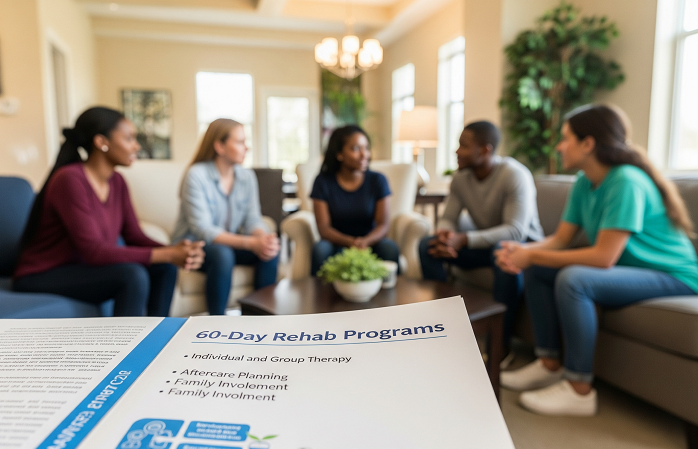
60-day rehab programs provide approximately two months of intensive addiction treatment, offering a middle ground between shorter 30-day programs and longer 90-day options. These programs typically include medical detox, individual and group therapy, evidence-based treatments, and comprehensive aftercare planning—giving individuals more time to address underlying issues and develop lasting recovery skills than shorter programs allow.
Key Facts About 60-Day Rehab Programs:
- Duration: Approximately 2 months of inpatient or outpatient treatment
- Average Cost: $12,000 to $60,000 (often partially covered by insurance)
- Best For: Individuals with moderate substance use disorders, history of relapse after shorter programs, or co-occurring mental health conditions
- Success Factor: Provides more time for therapeutic work and relapse prevention than 30-day programs while requiring less commitment than 90+ day options
- Components: Medical detox, individual therapy, group counseling, family therapy, evidence-based treatments, and aftercare planning
Recovery from addiction is a personal journey with no single timeline. The 2023 National Survey on Drug Use and Health from SAMHSA reveals a significant treatment gap: while millions of Americans face substance use disorders, few receive the care needed to build a lasting recovery.
Choosing the right program duration is critical. Research from the National Institute on Drug Abuse confirms that longer treatment improves outcomes. While 90-day programs are often seen as the gold standard, 60-day rehab programs are a practical and effective alternative. They allow enough time to address the roots of addiction and develop coping skills without the three-month commitment that can be a barrier for some.
At Drug Rehab Headquarters, we help individuals and families steer addiction treatment to find 60-day rehab programs that match their specific needs. Our mission is to make the path to recovery clearer and more accessible.

Understanding Rehab Durations: A Comparative Overview
When starting on the journey to recovery, one of the first decisions we help you make is determining the appropriate length of a rehab program. This isn’t a one-size-fits-all choice; it’s a highly individualized one, custom to your specific needs, the severity of your substance use disorder, and any co-occurring mental health conditions. Understanding the continuum of care and how different durations serve different purposes is crucial for laying a strong foundation for lasting sobriety.

Research consistently supports the idea that longer treatment durations often lead to better outcomes. According to the National Institute on Drug Abuse (NIDA), programs lasting at least 90 days show higher rates of sustained sobriety compared to shorter programs, with additional treatment further reducing relapse risk. However, we understand that life circumstances and individual needs vary, which is why we explore all options.
Here’s a quick comparison of the most common rehab program lengths:
| Feature | 30-Day Programs | 60-Day Rehab Programs | 90-Day Programs |
|---|---|---|---|
| Intensity | High, initial stabilization | High, deeper therapeutic work | High, comprehensive, long-term focus |
| Primary Focus | Detox, immediate crisis, introduction to therapy | Skill development, relapse prevention, underlying issues | Lifestyle change, co-occurring disorders, aftercare |
| Average Cost | $6,000 – $20,000 | $12,000 – $60,000 | $30,000 – $90,000+ |
| Ideal Candidate | Mild SUD, first-time treatment, detox focus | Moderate SUD, previous relapse, stepping down from detox | Severe SUD, chronic relapse, dual diagnosis |
| Benefits | Quick detox, less time away, initial awareness | More time for therapy, better coping skills, robust aftercare planning | Highest success rates, deep healing, sustained sobriety |
What is a 30-Day Program?
A 30-day program is an intensive introduction to recovery, focusing on medical detox and stabilization. It’s a good starting point for those with mild substance use disorders or first-time treatment seekers, offering an immersive experience with less disruption to daily life. It often serves as a springboard to longer-term care or a brief, impactful intervention.
What is a 60-Day Program?
60-day rehab programs are a robust middle-ground option. Lasting about two months, they provide more time than 30-day programs for deeper therapeutic work, exploring the root causes of addiction, and developing essential coping skills. There is a greater emphasis on comprehensive relapse prevention, including identifying triggers and building a support system. Whether in an Inpatient Drug Rehab or intensive outpatient setting, the two-month duration offers a transformative experience, preparing you for life after treatment.
What is a 90-Day Program?
Often called the “gold standard,” a 90-day program offers the most comprehensive care. It is particularly effective for individuals with severe or chronic substance use disorders, a history of relapse, or co-occurring mental health conditions. The extended time allows for in-depth behavioral change and developing healthy habits. NIDA’s research confirms these programs have the highest success rates for sustained sobriety, providing ample time to stabilize, engage in therapy, and integrate new coping skills for lasting recovery.
A Closer Look at 60-Day Rehab Programs
60-day rehab programs provide a powerful opportunity for healing, growth, and building a solid foundation for a substance-free future. This two-month duration offers a significant step up from shorter programs, allowing for more intensive and sustained therapeutic engagement. These programs can be delivered in various settings, including inpatient (residential) or intensive outpatient formats, each offering a structured environment custom to different needs.
In an inpatient setting, you live at the facility, immersed in a supportive, substance-free community focused on recovery. SAMHSA data shows that 60-day residential rehab programs account for 7% of rehab admissions, highlighting their value in addiction care.
What Happens During a 60-Day Program?
A 60-day rehab program is a dynamic and structured journey designed to address addiction from multiple angles. It typically begins with a thorough intake assessment to create a personalized treatment plan.
The early stages often involve medical Detox Treatment, if necessary, to ensure a safe and comfortable withdrawal under medical supervision.
Once stabilized, the core of the program unfolds through a variety of therapeutic modalities:
- Individual Therapy: One-on-one sessions with a therapist use evidence-based approaches like CBT and DBT to explore addiction’s root causes, identify triggers, and develop healthy coping skills.
- Group Counseling: Sharing with peers in a group setting fosters community, reduces isolation, and allows you to practice communication skills and receive feedback.
- Family Therapy: These sessions help heal family relationships, improve communication, and build a supportive environment for your recovery journey.
- Evidence-Based Therapies: Programs use proven methods like trauma-informed care and stress management, along with workshops on life skills and communication.
- Holistic Drug Addiction Treatment: Holistic approaches like yoga, meditation, and art therapy complement traditional methods, helping manage stress and foster well-being.
- Aftercare Planning: From day one, our team helps you develop a comprehensive plan with strategies and resources to maintain sobriety after the program.
A typical day is structured with therapy, educational workshops, recreational activities, and personal reflection. This routine helps establish healthy habits in a stable environment for healing.
What Are the Benefits of 60-Day Rehab Programs?
Choosing a 60-day rehab program offers a unique set of advantages that can significantly bolster your recovery efforts:
- More Time for Healing and Deeper Self-Findy: The extended duration allows you to move beyond crisis management to process emotions, address trauma, and explore the psychological roots of addiction, leading to profound personal growth.
- Stronger Peer Support and Connections: Two months allows for building meaningful relationships with peers, forming a vital support network that is invaluable during and after treatment.
- Develop Healthy Habits and Lifestyle Changes: A 60-day program provides the structure to practice and ingrain new routines like balanced nutrition, exercise, and mindfulness, turning them into lasting habits.
- Increased Focus on Underlying Issues: The extended time allows therapists to address intertwined issues like trauma or mental health conditions, providing integrated, holistic treatment for a more complete recovery.
- Better Relapse Prevention Skills: More time in therapy helps build a robust toolkit of prevention strategies, including identifying triggers, learning coping mechanisms, and building a support system to significantly reduce relapse risk.
Who Are 60-Day Rehab Programs Best Suited For?
60-day rehab programs are an excellent fit for a diverse range of individuals seeking a more comprehensive approach to recovery. They are particularly well-suited for:
- Individuals with Moderate Substance Use Disorder (SUD): Ideal for those needing more than a 30-day intervention but not the full commitment of a 90-day program.
- Those with a History of Relapse After Shorter Programs: If a 30-day program wasn’t enough, the extended time in a 60-day program offers the additional therapeutic work needed to solidify recovery.
- Individuals with Co-Occurring Mental Health Disorders (Dual Diagnosis): A 60-day program provides sufficient time for integrated treatment of both addiction and mental health conditions like depression or anxiety. Our Dual Diagnosis Treatment Facility options specialize in this care.
- Those Who Need Structure Without a 90-Day Commitment: A 60-day program is an effective alternative for those who need extended care but find a 90-day stay impractical due to personal or professional obligations.
- Individuals Stepping Down from More Intensive Care: After detox or a short inpatient stay, a 60-day program can be an ideal step-down option, providing continued structure to solidify gains.
- People with Stable Home Environments (for Outpatient Options): For those with strong support at home and less severe addictions, a 60-day intensive outpatient program offers a flexible, comprehensive option.
Practical Considerations: Cost, Quality, and Finding a Program
Navigating the practicalities of addiction treatment can feel overwhelming, but we’re here to help you every step of the way. From understanding costs and insurance to identifying high-quality programs, we believe in empowering you with the information you need to make the best decision for your recovery journey.

When considering 60-day rehab programs, we’ll guide you through financial planning, verifying your insurance benefits, understanding the importance of program accreditation, evaluating staff credentials, and finding a suitable location that supports your healing.
What is the Cost and How Can I Pay?
The cost of 60-day rehab programs can vary significantly depending on factors like the facility’s location, amenities, and the level of care provided (inpatient vs. outpatient). According to the National Center for Drug Abuse Statistics (NCDAS), 60-to-90-day programs generally range from $12,000 to $60,000, averaging about $36,000 overall.
- Inpatient 60-day programs typically cost between $300 and $800 per day, totaling approximately $18,000 to $48,000 for the full two months.
- Outpatient 60-day programs are generally more affordable, often ranging from $2,000 to $6,000 for the duration.
Cost is a major concern, but help is available. Many health insurance plans cover a significant portion of treatment costs, as the Affordable Care Act (ACA) mandates coverage for mental health and substance use disorder services.
To understand your benefits, check with your provider or let our team at Drug Rehab Headquarters assist you. We can help verify your benefits and explain your coverage. Learn more on our Does Insurance Cover Rehab? page.
Beyond private insurance, other payment options include:
- Medicaid and Medicare: These government-funded programs can cover addiction treatment for eligible individuals.
- Payment Plans and Financing: Many facilities offer flexible payment plans or work with third-party financing companies to make treatment more accessible.
- State-Funded Programs: Each state offers programs and resources to assist individuals who may not have insurance or sufficient funds.
- Scholarships and Grants: Some non-profit organizations and treatment centers offer scholarships to help offset treatment costs.
The cost of untreated addiction often far exceeds the cost of treatment. Investing in recovery is an investment in your future. For more details, visit our Cost of Rehab page.
What Should I Look For in a Quality Program?
Choosing the right 60-day rehab program is paramount to successful recovery. Here’s what we recommend you look for to ensure you’re selecting a high-quality facility:
- Licensing and Accreditation: The program should be state-licensed and accredited by bodies like The Joint Commission or CARF, ensuring it meets high standards for safety and quality.
- Evidence-Based Therapies: Quality programs use proven methods like CBT, DBT, and family therapy. They may also incorporate a 12 Step Program approach.
- Medication-Assisted Treatment (MAT): For opioid and alcohol use disorders, MAT combines FDA-approved medications with therapy to reduce cravings and improve outcomes. A quality program offers MAT when appropriate.
- Individualized Treatment Plans: Treatment should not be one-size-fits-all. Look for programs that create personalized plans based on a thorough assessment of your unique needs and goals.
- Qualified Staff: The team should include licensed medical and mental health professionals with experience in treating addiction and co-occurring disorders.
- Comprehensive Continuum of Care: A good program provides a clear plan for continuing care after 60 days, including aftercare, referrals, and support group connections.
- Location and Environment: Choose a location that supports healing, whether close to home or away from triggers. The facility should be safe, comfortable, and recovery-focused.
Life After Rehab: Ensuring Long-Term Success
Completing a 60-day rehab program is a monumental achievement, but recovery is a lifelong journey, not a destination. The skills, insights, and coping mechanisms you’ve gained during your time in treatment are powerful tools, but transitioning back to daily life requires continued effort and support. Our focus extends beyond your time in the facility; we’re committed to helping you build a sustainable path forward.
Relapse prevention strategies learned in rehab become your roadmap, guiding you through challenges. Building a strong, sober support network—whether through family, friends, or recovery communities—is crucial. While success rates vary depending on numerous individual factors, consistent engagement in aftercare significantly improves the chances of sustained sobriety.
What Happens After Completing a Program?
After a 60-day rehab program, the journey continues with aftercare planning. This critical phase helps you transition back to daily life while preventing relapse. Our team creates a personalized plan that may include:
- Post Rehab Drug Rehab Aftercare: A range of services and supports custom to your ongoing needs.
- Step-Down Care: Transitioning to a less intensive program like an Intensive Outpatient Treatment (IOP) allows you to live at home while continuing therapy.
- Sober Living Homes: These provide a structured, substance-free bridge between inpatient treatment and independence.
- Support Groups: Groups like Alcoholics Anonymous (AA), Narcotics Anonymous (NA), or SMART Recovery offer ongoing peer support and accountability.
- Ongoing Therapy: Continuing therapy helps you process emotions, address new challenges, and refine coping skills.
- Relapse Prevention Strategies: Your aftercare plan solidifies strategies for identifying triggers and managing cravings to prevent relapse.
What Are the Success Rates?
Measuring recovery “success” is complex, but research shows treatment works, especially longer programs. Success rates for 60-day rehab programs are influenced by several key factors:
- Willingness to Change: Your commitment and motivation are powerful drivers of success.
- Quality of Care: Programs that use evidence-based therapies and have qualified staff tend to yield better results.
- Support Network: A strong network of supportive family, friends, and recovery peers significantly improves long-term success.
- Co-Occurring Disorders: Effective treatment of any co-occurring mental health conditions is crucial for sustained recovery.
- Adherence to Aftercare: Consistent engagement in aftercare activities is one of the biggest deterrents to relapse.
60-day rehab programs offer a substantial improvement over shorter durations, with statistics indicating positive outcomes:
- About 1/3 of people completing an inpatient treatment program for alcohol use remained abstinent at the one-year mark.
- Opioid abuse was reduced by roughly 90% after Medication-Assisted Treatment (MAT) in an inpatient treatment center.
- There were large decreases in cocaine use 1 year after treatment following treatment.
This data shows that structured treatment, including 60-day rehab programs, leads to significant reductions in substance use. Recovery is a continuous process, and every day sober is a success.
Frequently Asked Questions about Rehab Programs
We often hear similar questions from individuals and families exploring addiction treatment options. Here are some of the most common inquiries regarding rehab programs, particularly in the context of 30 and 60-day durations.
Is a 30-day rehab program long enough for recovery?
A 30-day program is an effective start, especially for mild SUDs or for initial detox and stabilization. It provides an immersive environment to break the addiction cycle. However, for more severe cases, a history of relapse, or co-occurring disorders, 30 days may not be enough to address root causes and build lasting skills. It’s a strong beginning, but many benefit from longer programs or extensive aftercare.
How do I know if I need a 60-day or 90-day program?
This decision is best made with professional guidance. Generally:
- Consider a 60-day program if you have a moderate substance use disorder, have experienced relapse after a shorter program, or have co-occurring conditions needing more time for integrated treatment than a 30-day stay. It’s a balanced approach offering deep therapeutic work.
- Consider a 90-day program if you have a severe or chronic addiction, a history of multiple relapses, or complex co-occurring mental health disorders. NIDA research shows these programs yield the highest rates of sustained sobriety by allowing time for profound behavioral change.
An assessment with our certified counselors can help evaluate your specific situation and recommend the most suitable program duration for your needs.
Will my insurance cover a 60-day rehab program?
Many health insurance plans (private, Medicaid, Medicare) cover 60-day rehab programs, as the ACA mandates coverage for addiction treatment. However, coverage varies by plan, deductible, and network. Longer stays may require pre-authorization. It is essential to:
- Verify your benefits: Contact your insurer or let our team at Drug Rehab Headquarters assist you in understanding your coverage for 60-day rehab programs.
- Understand your policy: Know your plan’s details regarding treatment and out-of-pocket costs.
We can help you steer this to maximize your benefits.
Take the Next Step on Your Recovery Path
Choosing the right rehab duration is a critical first step on your journey to lasting sobriety. 60-day rehab programs offer a balanced, in-depth approach for many, providing the necessary time for healing, skill development, and comprehensive relapse prevention without the longer commitment of a 90-day program. The best program is one that fits your unique needs, addressing your specific challenges and supporting your personal path to recovery.
If you or a loved one are struggling with substance use, please know that help is available 24/7. At Drug Rehab Headquarters, our certified counselors are ready to provide free, expert, and personalized guidance. We can help you steer your Addiction Treatment options, verify your insurance benefits, and find a center that’s right for you in one of our many locations across the country. Your path to recovery starts here.