When You Need Help Now: Your Guide to Free Addiction Support Hotlines
If you’re looking for a free addiction support hotline, here are the most important numbers and resources available right now:
| Hotline | Number | Hours | What They Do |
|---|---|---|---|
| SAMHSA National Helpline | 1-800-662-4357 | 24/7, 365 days | Free referrals, English & Spanish |
| 988 Suicide & Crisis Lifeline | 988 | 24/7 | Crisis support, mental health & substance use |
| Drug Rehab Headquarters | (866) 720-3784 | 24/7 | Personalized guidance, treatment matching |
| SAMHSA Text Option | Text ZIP to 435748 | 24/7 | Local treatment referrals by text |
📞 Call for Immediate Help: (866) 720-3784
A free addiction support hotline can be the lifeline that changes everything. Right now, nearly 49 million Americans meet the criteria for a substance use disorder — yet only about 1 in 4 of those who need treatment actually receive it. That gap between needing help and getting it is enormous, and it doesn’t have to exist.
For many people, the hardest part isn’t wanting to get better. It’s knowing where to start.
Maybe you’ve watched someone you love spiral deeper into alcohol or drug use and felt completely helpless. Maybe you’re the one struggling, and the sheer number of treatment options feels paralyzing. The cost, the insurance questions, the fear of judgment — it all piles up. And in those moments, a single phone call can cut through all of it.
These hotlines are free, confidential, and staffed around the clock. Whether you’re in a quiet moment of reflection at 2 a.m. or in the middle of a full-blown crisis, trained specialists are ready to listen and point you toward real help.
At Drug Rehab Headquarters, we’ve spent years connecting individuals and families to verified, effective addiction treatment options — including helping people find the right free addiction support hotline for their specific situation. In this guide, we’ll walk you through everything you need to know to get the right support, fast.
Connecting to Care: Detox, Inpatient, and Outpatient Services
When you call a free addiction support hotline, the goal is rarely just to talk; it is to find a path forward. Depending on the severity of the substance use, the specialists we work with will help you determine which level of care is most appropriate.

Medical Detox and Withdrawal Management
For many, the first step is medical detoxification. Attempting to quit “cold turkey” can be dangerous, especially with alcohol or opioids. Medical detox provides 24/7 supervision to manage withdrawal symptoms safely. Hotlines can quickly connect you to facilities that specialize in stabilizing patients during this critical first week. If you are in the middle of a physical crisis, Immediate Addiction Help Resources For Urgent Support can provide the immediate guidance needed to find a detox bed.
Inpatient Rehab and Residential Care
Inpatient treatment involves living at a facility where you can focus entirely on your recovery without the distractions or triggers of everyday life. This is often recommended for those with long-term addictions or co-occurring mental health disorders (dual diagnosis). Specialists at (866) 720-3784 can help you navigate the search for 247 Support Finding Immediate Addiction Help in a residential setting.
Outpatient Programs and Behavioral Therapy
If you have work or family obligations that you cannot leave, outpatient programs—including Intensive Outpatient Programs (IOP)—allow you to receive treatment during the day or evening and return home at night. These programs utilize evidence-based behavioral therapies like Cognitive Behavioral Therapy (CBT) and Dialectical Behavior Therapy (DBT). Many hotlines also provide information on Medication-Assisted Treatment (MAT), which uses FDA-approved medications to reduce cravings and prevent overdose.
📞 Speak with a Specialist: (866) 720-3784
Finding a Free Addiction Support Hotline Near You
As of April 2026, the landscape of addiction support has expanded significantly to meet the growing need. Statistics from recent years show a staggering trend: in 2020 alone, SAMHSA’s National Helpline saw a 27% increase in call volume. With roughly 21.9% of teens and adults battling a substance use disorder, having a local or national free addiction support hotline is more vital than ever.
How a Free Addiction Support Hotline Works
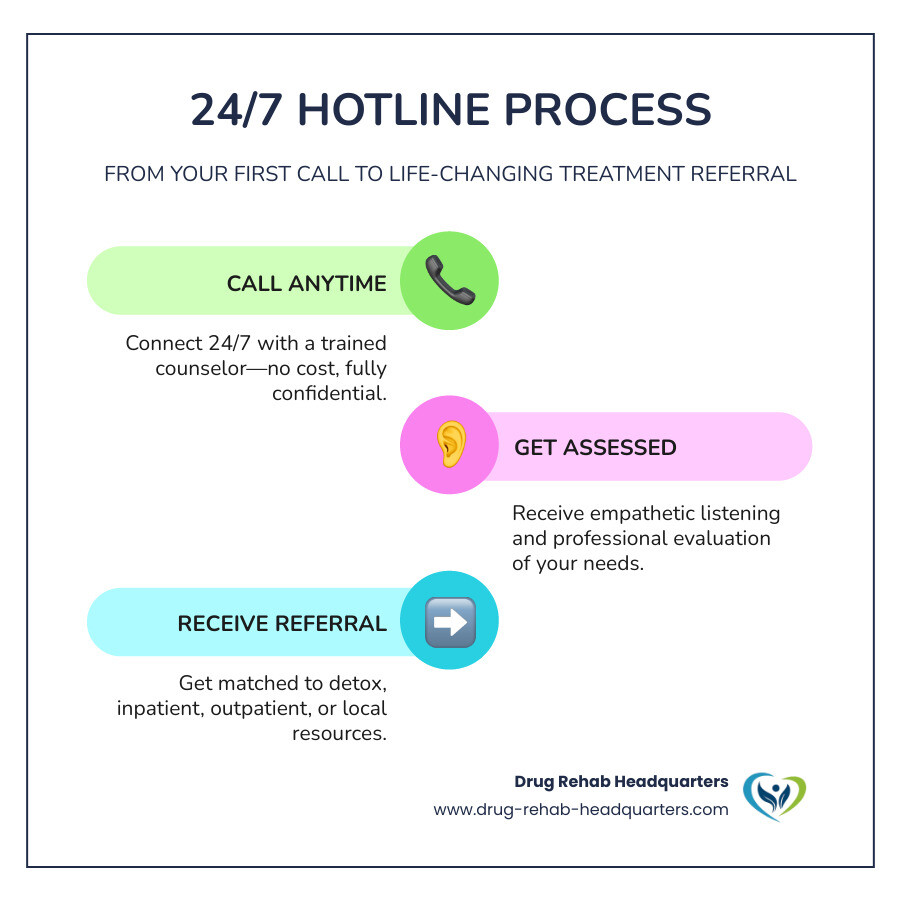
A hotline is essentially a “triage” center for behavioral health. When you call, you aren’t talking to a computer; you’re talking to a trained professional—and at Drug Rehab Headquarters, many of our specialists have lived experience. They understand the “why” behind your call.
These services are built on the foundation of confidentiality and anonymity. Under HIPAA regulations and 42 CFR Part 2, your personal information and treatment records are strictly protected. You can call an Alcohol Addiction Hotline just to ask questions without any obligation to sign up for a program.
Benefits of Calling a Free Addiction Support Hotline
- Zero Cost: These calls are toll-free and the advice is provided at no charge.
- 24/7 Availability: Addiction doesn’t keep business hours, and neither do we.
- Referral Routing: Specialists use massive databases to find a center that fits your specific needs, whether that’s Find Substance Abuse or Mental Health Treatment or a specialized youth program.
- Professional Assessment: You can receive an initial screening to understand the severity of the situation.
For a deeper dive into how these calls are handled, you can view our Alcohol Addiction Hotline Complete Guide.
Localized Support and State Resources
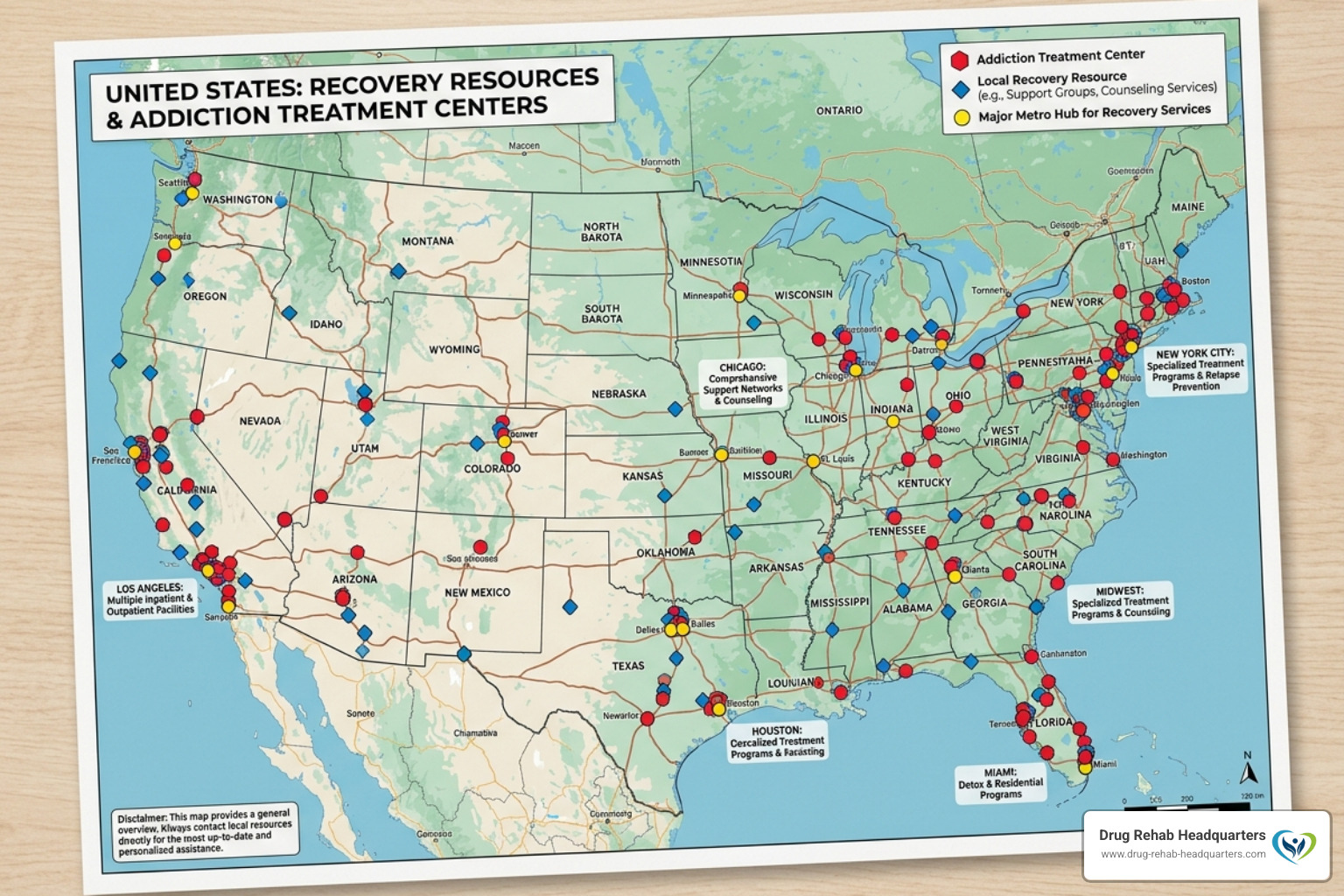
While national lines like United States Hotline for Drug Addiction, Alcohol & Substance Abuse | LifeLine International are excellent, sometimes you need something closer to home. We provide connections to state-specific resources across our locations, including:
- Alabama Addiction Help Hotlines & Texting Resources
- Arizona Substance Abuse & Drug Addiction Hotlines
- Substance Abuse Hotlines for California | 24/7 Helplines
Whether you are in a major city or a rural county, 247 Support Connecting With A Drug Addiction Helpline ensures you aren’t left searching alone.
📞 Get Local Resources: (866) 720-3784
How to Choose the Right Support and What to Look For
With so many options, how do you know which facility is “the one”? Choosing a rehab is a major life decision, and there are several “green flags” you should look for during your search.
Key Factors in Quality Care
- Accreditation: Look for facilities accredited by The Joint Commission or CARF.
- Clinical Credentials: Ensure the staff includes licensed clinical social workers, board-certified doctors, and certified addiction counselors.
- Evidence-Based Practices: Treatment should be rooted in science, using methods like CBT, DBT, and MAT.
- Specialized Programs: Does the facility have a specific track for veterans, LGBTQ+ individuals, or youth? For example, those in the Rockies might look at a Colorado Addiction Hotline | 866-210-1303 | 24/7 Support for regionally specific care.
Comparing Levels of Care
| Feature | Inpatient/Residential | Outpatient (IOP/PHP) |
|---|---|---|
| Living Arrangement | On-site 24/7 | Live at home |
| Supervision | Constant medical/clinical | Scheduled sessions |
| Duration | 30 – 90+ days | Varies |
| Best For | Severe addiction, unstable home | Mild/Moderate, work obligations |
�� Find the Right Program: (866) 720-3784
Insurance, Costs, and Payment Options for Recovery
One of the most common reasons people hesitate to call a free addiction support hotline is the fear of the bill. However, treatment is more accessible than ever in 2026.
Using Insurance for Rehab
Thanks to the Mental Health Parity and Addiction Equity Act, most insurance plans are required to cover substance use treatment similarly to how they cover medical surgeries. This includes:
- Private Insurance: PPO and HMO plans often cover a significant portion of detox and residential care.
- Medicaid and Medicare: Many state-funded facilities accept these for low-income individuals or seniors.
- Verify Your Coverage: You can use our tool to Verify Insurance and see exactly what your plan covers.
Financial Aid and Low-Cost Options
If you are uninsured, don’t lose heart. Many states offer Statewide Toll Free Numbers – CT.gov that can lead you to state-funded programs. Some facilities also offer “sliding scale fees,” where the cost is adjusted based on your income. For more details on budgeting, check our Resources: Cost of Rehab.
📞 Verify Your Coverage: (866) 720-3784
Taking the First Step Toward Recovery
As we move through April 2026, the message remains the same: you do not have to do this alone. Addiction is a chronic, relapsing brain disease, not a moral failing. Calling a free addiction support hotline is a sign of immense strength—it is the moment you decide that your future is worth fighting for.
At Drug Rehab Headquarters, we are here 24/7 to provide that personalized guidance. Our certified counselors—many who have walked the path of recovery themselves—are ready to help you find a holistic, evidence-based treatment center that fits your life. From Alabama to Wyoming, we have the network to help you Search Rehabs and access the Rehabilitation Services you deserve.
Your journey doesn’t start tomorrow. It starts with the decision to seek help and reclaim your life.
Frequently Asked Questions about Addiction Support
What is the cost of calling a free addiction support hotline?
There is absolutely no cost to call. These are toll-free numbers designed to provide information, crisis stabilization, and referrals. Your call is confidential and anonymous. Resources like Help is Here Delaware | Giving Families Support and Information are great examples of how states provide this info for free to families.
How long does addiction treatment typically last?
Most programs run in blocks of 30, 60, or 90 days. However, recovery is not a race. Long-term residential programs may last six months to a year for those needing more intensive life-skills training. The length is usually determined by a professional assessment during your initial call.
Will my insurance cover the cost of rehab?
In most cases, yes. The Affordable Care Act (ACA) classifies substance use treatment as an essential health benefit. Whether you have a private PPO or a state-managed plan, there is likely coverage available. You can Verify Insurance online or over the phone with us to get a clear picture of your benefits.