
Why Colorado Springs Is a Leading Destination for Alcohol Recovery
Alcohol rehab centers in Colorado Springs offer comprehensive treatment options for individuals struggling with alcohol addiction, combining evidence-based therapies with the healing environment of the Rocky Mountains. Whether you need medical detox, residential care, or outpatient support, Colorado Springs provides a full continuum of care to match your recovery needs.
Quick Guide to Colorado Springs Alcohol Rehabilitation Centers:
- 40+ evaluated facilities ranging from medical detox to sober living homes
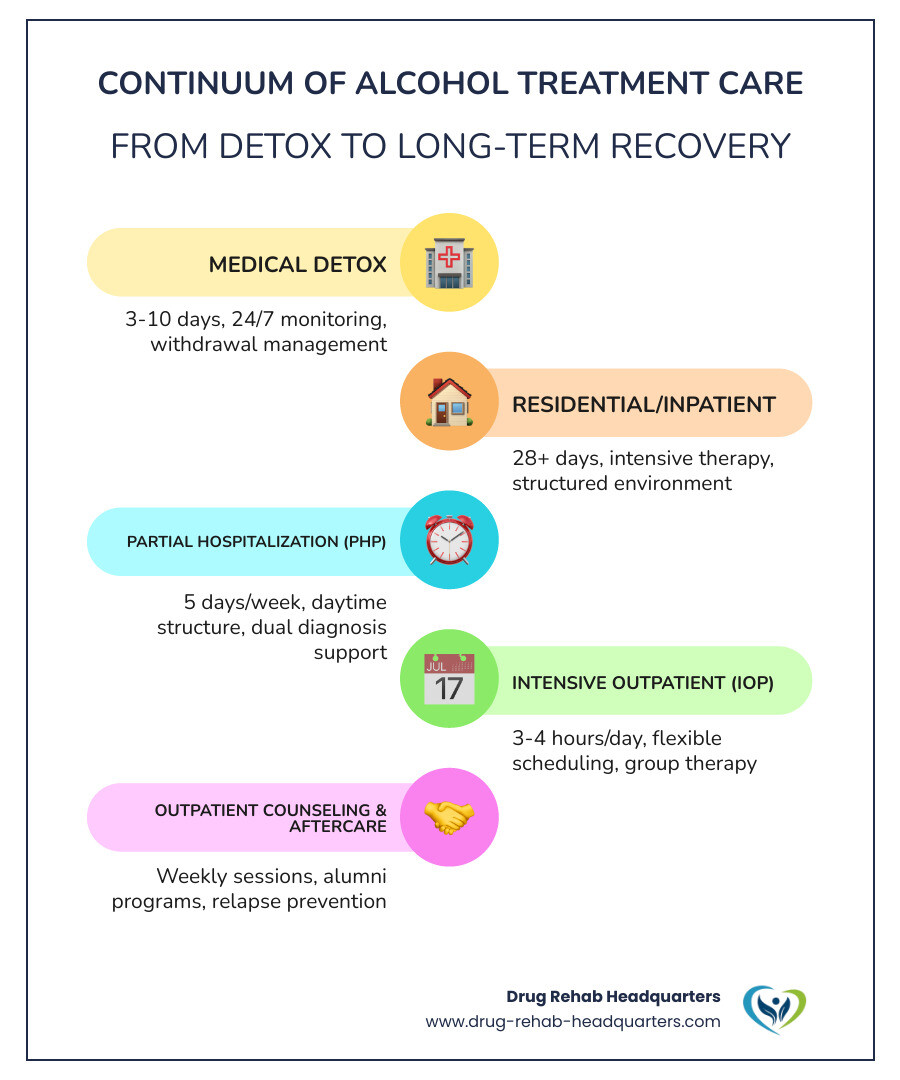
- Treatment types available: Medical detox (3-10 days), inpatient/residential (28+ days), PHP (5 days/week), IOP (3-4 hours/day), outpatient counseling
- Insurance acceptance: 17 facilities accept Medicaid, most accept Medicare, TRICARE, and private insurance
- Average costs: Long-term inpatient $49,781, outpatient $8,272 (without insurance)
- Specialized programs: Dual diagnosis, gender-specific care, adolescent treatment, MAT for alcohol use disorder
- Top-rated options: Joint Commission-accredited centers with 4+ star ratings
- Free support: Call (866) 720-3784 for confidential guidance 24/7
The need for quality alcohol treatment in Colorado Springs is urgent. In 2021, 19.7% of Colorado adults reported excessive drinking—above the national average of 17.6%—with nearly 27% of adults between 18 and 44 engaging in excessive alcohol use. El Paso County, where Colorado Springs is located, accounts for over 40% of auto fatalities related to drugs and alcohol, and the city represents 15% of the state’s fatal heroin overdoses despite comprising only 12% of the population.
Colorado Springs offers unique advantages for recovery. Many facilities integrate the natural beauty of the Rocky Mountains into treatment programs, with amenities like mountain views, hiking therapy, and outdoor activities that support holistic healing. From 24/7 medically supervised detox centers to outpatient programs that allow you to maintain work and family commitments, the city’s treatment landscape addresses every level of addiction severity.
Drug Rehab Headquarters has spent years connecting individuals and families to reputable alcohol rehab centers in Colorado Springs, providing accurate information on treatment options, costs, and specialized programs. We understand the overwhelming nature of choosing the right alcohol rehabilitation center in Colorado Springs and are here to simplify your search with expert, unbiased guidance.
Alcohol rehab centers in colorado springs terms to know:
Understanding Alcohol Rehabilitation Centers in Colorado Springs
When we look at the landscape of recovery in the Pikes Peak region, it is clear that alcohol rehab centers in Colorado Springs are not just facilities; they are lifelines. The local statistics tell a sobering story. Beyond the 19.7% excessive drinking rate among adults, local health rankings highlight that Colorado youth aged 18–25 are 37% more likely to use substances than the national average. This high prevalence of misuse has led to a robust infrastructure of alcohol-rehab options throughout the city.
In Colorado Springs, addiction is treated as a complex medical issue rather than a moral failure. As we navigate the various top-6-cities-colorado-drug-alcohol-rehab locations, the Springs stands out for its high concentration of accredited facilities. Whether you are dealing with the physical dependency of long-term alcoholism or the social repercussions of binge drinking, there is a local program designed to help you regain control.
If you or a loved one are feeling powerless against addiction, over 10,000 residents in Colorado Springs seek treatment annually. You are not alone in this journey. For immediate assistance in finding a local placement, you can always reach us at (866) 720-3784.
Inpatient vs. Outpatient Alcohol Rehabilitation Centers
Choosing between inpatient and outpatient care is often the first major decision in the recovery process.
Inpatient Alcohol Rehabilitation Centers Inpatient or inpatient-drug-rehab programs provide a structured environment where you live at the facility 24/7. This is often the “gold standard” for those with severe addictions or unstable living environments.
- Benefits: Intensive clinical support, 24/7 monitoring, and removal from local triggers.
- Focus: Deep therapeutic work, including individual and group sessions, often lasting 28 to 90 days.
Outpatient Alcohol Rehabilitation Centers Outpatient care offers more flexibility, allowing you to live at home while attending scheduled sessions. This is ideal for those with work or family obligations who have a strong support system at home.
- Levels of Care: Includes Partial Hospitalization Programs (PHP) and Intensive Outpatient Programs (IOP).
- Focus: Real-world application of coping skills and gradual reintegration into daily life.
For a deeper dive into which level might suit your specific history, our alcohol-rehab-centers-guide provides a detailed breakdown of what to expect from each.
Specialized Alcohol Treatment Centers for Dual Diagnosis
It is incredibly common for alcohol use disorder to walk hand-in-hand with mental health challenges. Whether it is anxiety, depression, or PTSD, many people use alcohol to “self-medicate” underlying pain. In Colorado Springs, many alcohol-addiction-rehab-centers specialize in Dual Diagnosis.
Integrated treatment means you aren’t just treating the drinking; you are treating the whole person. Trauma-informed care is a staple in the region, especially given the large military and veteran population in Colorado Springs. These programs use evidence-based therapies like Cognitive Behavioral Therapy (CBT) and Dialectical Behavior Therapy (DBT) to address both the substance use and the mental health disorder simultaneously. If you don’t treat the root cause, the risk of relapse remains high.
Types of Alcohol Treatment Centers in Colorado
The first and often most intimidating step in recovery is detoxification. Because alcohol withdrawal can be medically dangerous—even life-threatening—it is vital to seek a professional alcohol-detox program.
In Colorado Springs, medical alcohol-detox-center facilities offer 24/7 nursing and physician supervision. The goal of detox-treatment is stabilization. During the 3 to 10-day process, medical staff may use Medication-Assisted Treatment (MAT) to manage withdrawal symptoms such as tremors, seizures, or hallucinations, making the process as safe and comfortable as possible.
Once stabilized, patients transition to the next level of care. Many alcohol rehab centers in Colorado Springs offer a “seamless transition” from their on-site detox units directly into residential or outpatient programs. If you are worried about the detox process, call us at (866) 720-3784 to find a facility that offers 24-hour medical assistance.
How to Verify Insurance for Alcohol Rehabilitation Centers
Navigating insurance can feel like trying to solve a puzzle in the dark. However, federal laws now mandate that most insurance plans cover substance abuse and mental health services.
- Private Insurance: Most major carriers (like Blue Cross Blue Shield, Aetna, Cigna, and UnitedHealthcare) are accepted at private alcohol rehab centers in Colorado Springs.
- Military Coverage: Given our local bases, many facilities are specifically geared toward TRICARE members.
- Public Coverage: Medicare.gov provides coverage for inpatient hospital care and outpatient mental health services.
To verify your coverage, you can typically use an online verification tool provided by the rehab center or call your insurance provider directly. We can also help you navigate this process to ensure you find a center within your network.
Costs and Insurance Coverage for Recovery
Cost should never be the barrier between you and a healthy life. While the “sticker price” of rehab can seem high, there are many ways to fund your recovery.
In Colorado Springs:
- Medicaid: 17 evaluated rehabs in the city accept Medicaid (Health First Colorado). This is a vital resource for low-income residents.
- Sliding Scale Fees: 262 facilities across Colorado offer fees based on your income, ensuring that those with fewer financial resources still receive high-quality care.
- Financial Assistance: Some hospital-based programs, like those at Cedar Springs, offer financial aid or payment plans.
The average cost of a long-term inpatient stay in Colorado is approximately $49,781, while outpatient programs average around $8,272. However, with insurance or Medicaid, your actual out-of-pocket costs may be significantly lower or even zero.
Comparing the Best Alcohol Rehab Centers: Features and Amenities
One of the reasons people travel from across the country to alcohol rehab centers in Colorado Springs is the environment. Recovery isn’t just about sitting in a room talking; it’s about rediscovering joy.
Top Features of Colorado Springs Alcohol Treatment Centers:
- Mountain Views & Nature Access: Many facilities are located on large campuses (some up to 40 acres) with direct access to hiking trails and outdoor meditation spaces.
- Holistic Therapies: It’s common to find equine therapy (working with horses), yoga, art therapy, and fitness programs integrated into the daily schedule.
- Accreditation: Look for centers with Joint Commission or CARF accreditation. This ensures the facility meets the highest national standards for safety and quality of care.
- Specialized Demographics:
- Men-Only/Women-Only: Gender-specific programs allow for a more vulnerable and focused healing environment.
- Adolescent/Teen Centers: Focused on the unique social and developmental needs of younger people.
- Executive Rehab: Programs that allow professionals to maintain their business responsibilities while receiving high-level care.
Whether you prefer a boutique, 8-bed intimate setting or a larger hospital-based program, Colorado Springs has an option that fits your personality and needs. If you need help comparing these features, give us a call at (866) 720-3784.
Finding the Right Program and Aftercare in Colorado Springs
The journey doesn’t end when you leave the doors of a rehab facility. In fact, that is often where the real work begins. The best alcohol rehab centers in Colorado Springs emphasize a “continuum of care” that includes robust aftercare planning.
The Admission Process: Most programs start with a comprehensive intake evaluation. This assessment determines your physical health, mental health history, and the severity of your addiction to create a personalized treatment plan.
Building a Support Network: Colorado Springs has a thriving recovery community. After completing a formal program, many individuals stay connected through:
- 12-Step Programs: Traditional AA meetings are widely available throughout the city.
- SMART Recovery: A science-based, secular alternative to the 12-step model.
- Alumni Networks: Many rehab centers host regular events and check-ins for their former patients.
- Sober Living Homes: These provide a drug-and-alcohol-free living environment with accountability (curfews, chores) for those transitioning back to independent living.
Relapse prevention is a core component of these programs. By learning your triggers and building a local network of peers, you significantly increase your chances of long-term sobriety.
Frequently Asked Questions about Alcohol Rehab
How long does alcohol rehabilitation typically last?
Most residential programs begin at 28 days. However, research shows that longer stays (60 to 90 days) often lead to better long-term outcomes. Outpatient programs can last several months, depending on the individual’s progress.
Does Medicaid cover alcohol treatment in Colorado Springs?
Yes. 17 facilities in Colorado Springs specifically accept Medicaid. This covers a range of services from detox to outpatient counseling. You can check your eligibility through Health First Colorado.
What is the difference between PHP and IOP?
Partial Hospitalization Programs (PHP) are the most intensive form of outpatient care, typically meeting 5 days a week for 6–8 hours a day. Intensive Outpatient Programs (IOP) are a step down, usually meeting 3–4 days a week for about 3 hours a day, allowing more time for work or school.
Conclusion
Finding the right alcohol rehab center in Colorado Springs is a monumental step toward a better life. With over 40 evaluated facilities in the area, the Pikes Peak region offers some of the most diverse and high-quality treatment options in the country. From the initial safety of a medical detox to the long-term support of a sober living community, the path to recovery is well-paved in this city.
At Drug Rehab Headquarters, we are committed to helping you navigate these choices. Our certified counselors—many of whom have their own lived experience with recovery—are available 24/7 to provide free, personalized guidance. We believe that everyone deserves access to evidence-based, holistic care, regardless of their background or financial situation.
Don’t let another day slip away to addiction. Whether you are looking for a alcohol-rehab-centers-in-georgia or a local program right here in the mountains, we are here to help.
Start your journey today. Call us at (866) 720-3784 for free, confidential support.