
Why Medically Supervised Detox Is Essential for Safe Recovery
Medically supervised detox is a process that systematically and safely withdraws people from addictive substances under the care of healthcare professionals. It is designed to manage acute physical withdrawal symptoms and minimize medical risks associated with stopping drug or alcohol use.
Key aspects of medically supervised detox include:
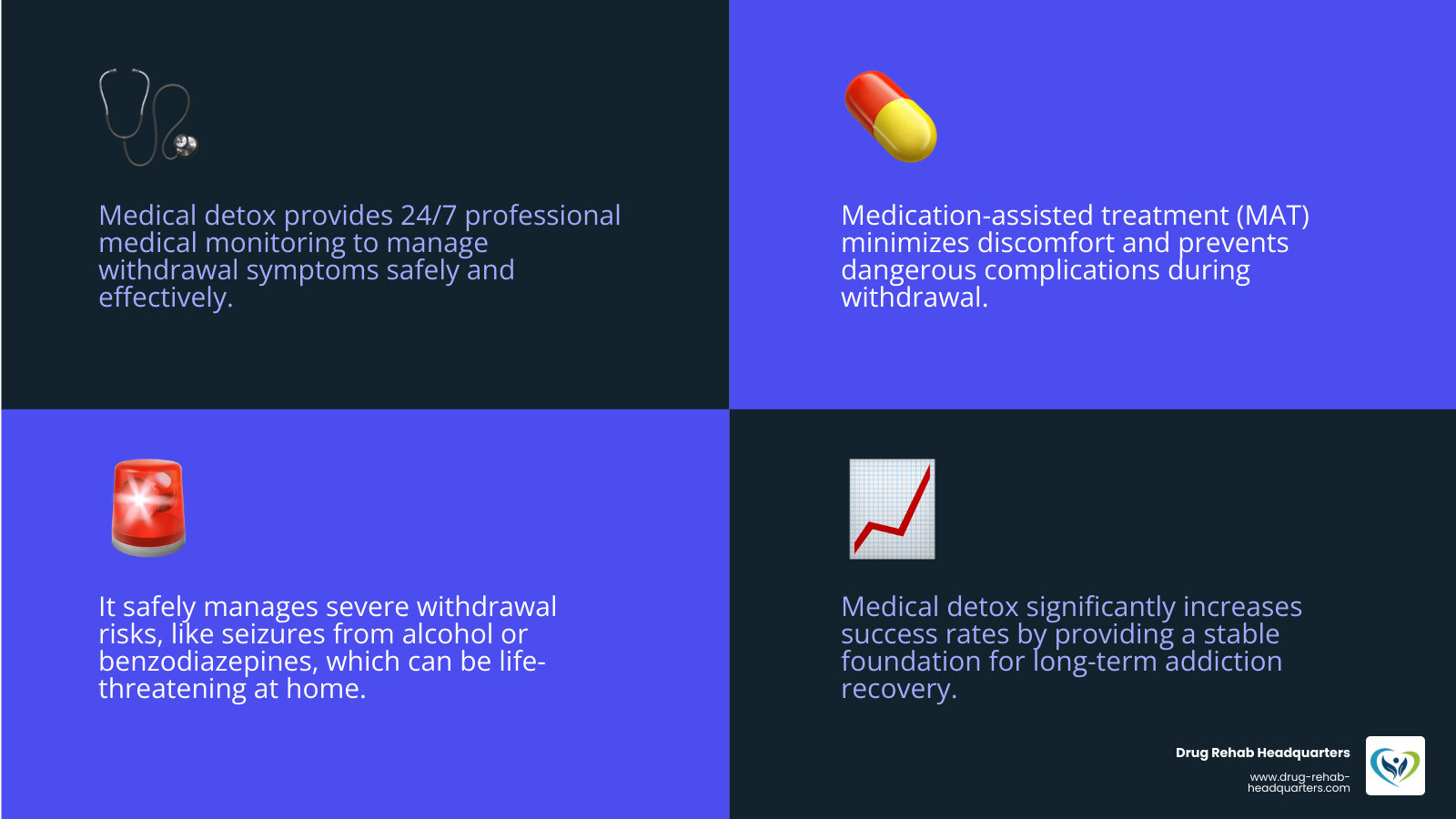
- 24/7 medical monitoring by physicians and nurses who manage withdrawal symptoms
- Medication-assisted treatment to reduce discomfort and prevent dangerous complications
- Safe management of withdrawal from alcohol, benzodiazepines, opioids, and other substances
- Duration of 5-7 days on average, though timelines vary by substance and individual factors
- Foundation for recovery, not a standalone treatment—requires follow-up care
Ontario is dealing with a worsening substance use crisis, with over 3,787 apparent opioid toxicity deaths, averaging 21 deaths per day. For many people struggling with addiction, the idea of quitting “cold turkey” seems like the fastest path to recovery. But attempting detox without medical supervision can be dangerous and even life-threatening.
Withdrawal from substances like alcohol and benzodiazepines can cause seizures, severe dehydration, and other medical emergencies. Even substances with less dangerous withdrawal symptoms—like opioids and stimulants—create such intense discomfort that most people relapse without proper support. This is where medically supervised detox becomes crucial.
Medical detox provides the safety, comfort, and medical intervention needed to successfully steer withdrawal. With around-the-clock monitoring, medications to ease symptoms, and a team of professionals ready to address complications, patients can focus on healing rather than surviving each painful hour.
At Drug Rehab Headquarters, we’ve helped thousands of individuals and families steer the complex landscape of addiction treatment, specializing in connecting people with quality medically supervised detox programs that provide the safest foundation for long-term recovery. Our mission is to guide you through every step of this journey with accurate information and personalized support.
Understanding Medical Detox: The First Step to Healing
When we talk about recovery from substance use disorder, the first image that often comes to mind is the struggle of withdrawal. This critical initial phase, known as detoxification or detox, is where the body rids itself of harmful substances. For many, this process is not only uncomfortable but can be incredibly dangerous without professional oversight. That’s why medically supervised detox is not just an option, but a necessary first step towards healing for most individuals.
The primary goal of medical detox is to manage acute physical withdrawal symptoms and minimize the medical risks associated with stopping drug or alcohol use. Imagine trying to steer a severe illness without a doctor – that’s what attempting to detox at home can feel like. Our bodies become physically dependent on certain substances, and when those substances are removed, withdrawal symptoms can range from mild discomfort to severe, life-threatening conditions.
This is where the necessity of 24/7 medical supervision comes into play. A dedicated team of medical professionals can monitor vital signs, administer medications to alleviate symptoms, and respond immediately to any complications. This constant care ensures not only safety but also a much greater degree of comfort, making the arduous process of withdrawal more manageable. This supportive environment significantly reduces the risk of relapse during this vulnerable period. In fact, research shows that supervised detox increases the chances of completing treatment and achieving long-term recovery.

What is Medically Supervised Detox?
At its core, medically supervised detox is a systematic and safe process of withdrawing from addictive substances under the direct care of medical professionals. It’s important to understand that this is far more than simply “cleansing” your body. It’s a precise medical procedure designed to:
- Manage acute physical withdrawal: The medical team focuses on mitigating the intense and often painful physical symptoms that arise when a substance leaves the body.
- Safely rid the body of substances: Under controlled conditions, the body is given the time and support it needs to process and eliminate toxins.
- Provide professional medical care: This includes continuous monitoring, symptom assessment, and the administration of medications to ensure safety and comfort.
- Stabilize for long-term treatment: Detox is the vital bridge to comprehensive addiction treatment. Once physical stability is achieved, individuals are better prepared to engage in the deeper psychological and behavioral work of recovery.
Think of it this way: addiction is a chronic condition, much like diabetes or asthma. A medically supervised detox plays a similar role to an emergency room visit for an acute asthma attack – it addresses the immediate, life-threatening crisis to stabilize the patient, preparing them for ongoing management. We understand that this first step can feel overwhelming, but connecting with specialized Medical Detox Programs can make all the difference.
Substances That Require Medical Detox
While any substance dependency can benefit from professional support during withdrawal, some substances pose particularly severe risks if detox is attempted without medical supervision. For these, medically supervised detox is not just recommended, it’s often critical for safety. Here are some of the primary substances that require such care:
-
Alcohol: Alcohol withdrawal can be life-threatening. Symptoms can include tremors, hallucinations, seizures, and a severe condition known as delirium tremens (DTs), which can be fatal. Constant medical supervision is essential, particularly for substances like alcohol, where withdrawal can lead to life-threatening conditions. The average length of alcohol detox ranges from two to eight days, with symptoms often leveling off within a week. For more specific information, explore our resources on Alcohol Detox.
-
Benzodiazepines (e.g., Xanax, Valium, Klonopin): Often prescribed for anxiety or sleep, these central nervous system depressants can cause severe and prolonged withdrawal symptoms, including seizures, extreme anxiety, psychosis, and even death if stopped abruptly. Benzodiazepine withdrawal can be particularly challenging, sometimes requiring up to two weeks or longer for detox. This is another instance where constant medical supervision is essential. If you’re struggling with prescription drug dependency, our guide on Detox From Prescription Drugs can offer further insight.
-
Opioids (e.g., Heroin, Fentanyl, OxyContin, Vicodin): While opioid withdrawal is rarely fatal, it is incredibly painful and uncomfortable, often described as a severe flu. Symptoms include intense muscle aches, nausea, vomiting, diarrhea, abdominal cramping, and profound psychological distress. The severity of these symptoms makes relapse highly likely without medical support. Withdrawal from short-acting opioids like heroin typically starts within 12 hours after the last use and can last 4-7 days. An opioid detox can sometimes last much longer, from 0–120 days depending on the type of opioid and individual factors. Our Heroin Detox Process page offers more details.
-
Stimulants (e.g., Cocaine, Methamphetamine, Adderall): While not typically associated with life-threatening physical withdrawal symptoms like alcohol or benzodiazepines, stimulant withdrawal can lead to severe depression, intense cravings, fatigue, and suicidal ideation. The psychological discomfort is significant, making medical supervision crucial to prevent relapse and ensure mental well-being.
It’s clear that for these substances, professional medical intervention during detox is paramount for both safety and the likelihood of successful entry into long-term recovery.
The Process and Timeline of Medically Supervised Detox
Starting on a medically supervised detox journey means stepping into a structured, supportive environment where your unique needs are prioritized. We understand that every individual’s path to addiction is different, and therefore, their path to recovery must also be individualized. This process is designed with personalized treatment plans, ensuring that the care you receive is custom to your specific substance use history, physical health, and psychological well-being.
The backbone of this process is the dedicated role of medical professionals. Physicians, nurses, and other clinical staff work together to provide continuous oversight, managing symptoms and adjusting care as needed. A key component of modern medical detox is Medication-Assisted Treatment (MAT). This evidence-based approach uses approved medications, alongside counseling and behavioral therapies, to manage withdrawal symptoms, reduce cravings, and prevent relapse. Medications like Buprenorphine (often found in Suboxone) and Naltrexone are commonly used, particularly in opioid detox, to make the process safer and more comfortable.
The Three Stages of Medical Detox
While the specific details of your detox journey will be individualized, the overall process typically follows three crucial stages:
-
Evaluation: This is the starting point, where a comprehensive assessment is conducted. Our medical team will gather your medical history, substance use patterns, and conduct physical and mental health screenings. This might include blood tests and a review of any co-occurring disorders. This thorough evaluation ensures that a safe, effective, and personalized detox plan can be developed, addressing all your needs.
-
Stabilization: During this stage, the focus is on safely managing withdrawal symptoms. This is where medical professionals actively intervene with medications and supportive therapies to alleviate discomfort and prevent complications. Constant medical supervision is essential during detox to monitor vital signs, treat symptoms, administer medications, and address any complications quickly. Psychological support is also a critical component, helping individuals cope with the emotional distress that often accompanies withdrawal. The goal is to bring the body back to a stable state, making the patient as comfortable and safe as possible.
-
Transition to Treatment: Once physically stabilized, the final stage involves preparing you for the next phase of recovery. Detox is merely the first step; it doesn’t address the underlying causes of addiction. The medical team will work with you to familiarize you with the subsequent treatment process, whether that’s an inpatient or outpatient rehab program. This seamless transition is crucial for building a strong foundation for long-term sobriety.
How Long Does Detox Take?
The duration of medically supervised detox is not a one-size-fits-all answer. It’s a highly individualized process influenced by several factors:
- Substance type: Different drugs have different withdrawal timelines.
- Usage history: How long and how much of a substance was used significantly impacts detox duration.
- Individual health: A person’s overall physical and mental health, metabolism, and any co-occurring conditions play a role.
In most cases, medical detox lasts for five to seven days. However, this is an average, and specific substances can vary:
- Alcohol detox timeline: The average length of alcohol detox ranges from two to eight days. Withdrawal symptoms from alcohol may level off inside of a week.
- Opioid detox timeline: Withdrawal from short-acting opioids like heroin typically starts within 12 hours after the last use and can last 4-7 days. However, an opioid detox can last much longer, sometimes from 0–120 days, depending on the specific opioid and the individual. You can find more detailed information on Opioid withdrawal timeline research.
- Benzodiazepine detox timeline: Other drugs, like benzodiazepines, may require a longer detox timetable; it could be up to 2 weeks or longer, due to the complex nature of their withdrawal.
While the physical symptoms of withdrawal may subside relatively quickly, the psychological aspects of addiction require ongoing treatment. The length of detox is less critical than establishing long-term changes and managing triggers for sustained recovery.
Navigating Your Detox Journey: Settings and Next Steps
Completing medically supervised detox is a monumental achievement, a testament to your courage and commitment to change. However, it’s crucial to understand that detox is not a cure for addiction. It’s the essential first step, clearing the physical hurdle of withdrawal. Addiction is a complex disease that affects the brain, behavior, and overall well-being. Therefore, the journey to lasting recovery requires continued treatment to address the psychological aspects of addiction, heal underlying issues, and develop healthy coping mechanisms.
Choosing the Right Setting for Medically Supervised Detox
Selecting the appropriate setting for medically supervised detox is a critical decision that impacts safety, comfort, and the foundation for long-term recovery. The best choice depends on the severity of your addiction, the substances used, your physical and mental health, and your personal circumstances.
Here’s a comparison of common settings:
| Feature | Inpatient/Residential Detox | Outpatient Detox | Hospital-Based Detox |
|---|---|---|---|
| Supervision | 24/7 medical and clinical care | Scheduled visits, medical monitoring, return home nightly | 24/7 intensive medical care in a hospital setting |
| Ideal For | Severe substance use disorders, high risk of severe withdrawal, co-occurring mental or physical health issues, lack of stable home environment | Milder substance dependencies, stable home environment, strong support system, ability to manage daily responsibilities | Severe medical complications, high risk of life-threatening withdrawal symptoms, complex co-occurring medical conditions |
| Environment | Structured, therapeutic, safe, and substance-free environment | Flexible, allows individuals to maintain daily responsibilities | Clinical, acute care setting with access to full hospital resources |
| Comfort/Safety | High; immediate response to symptoms, medication management, emotional support | Moderate; requires self-management between visits, less immediate response to severe symptoms | Highest; equipped for critical care, advanced medical interventions |
-
Inpatient/Residential Detox: This setting provides the highest level of care, offering 24/7 medical supervision and support. It’s ideal for individuals with severe dependencies, a history of complicated withdrawals, or co-occurring mental or physical health conditions. Inpatient programs ensure a safe, structured, and substance-free environment where you can focus entirely on your recovery. Our Inpatient Drug Detox resource provides more details.
-
Outpatient Detox: For those with milder dependencies and a stable home environment, outpatient detox can be an option. You attend scheduled appointments for medical monitoring and medication management but return home afterward. While offering flexibility, it requires a strong commitment and support system.
-
Hospital-Based Detox: In cases of severe medical complications or a very high risk of life-threatening withdrawal symptoms, a hospital-based detox program may be necessary. These programs offer intensive medical care, often in an acute care setting, with immediate access to advanced medical interventions.
The choice of setting is a deeply personal one, and our certified counselors can help you weigh the options to find the program that best suits your needs.
A Word of Caution on Rapid Detox
In your search for detox options, you might encounter methods advertised as “rapid” or “ultra-rapid” detox. These methods promise to speed up the withdrawal process, often under heavy sedation. While the idea of a quick fix can be appealing, we urge extreme caution.
Rapid detox programs can come with high costs, sometimes up to $10,000, and aren’t generally covered by insurance. More importantly, they carry significant health risks. These procedures can lead to serious complications such as heart attack, paranoia, high body temperature, infection, nausea, vomiting, choking, and even death. According to the Coleman Institute, approximately 1 in 500 people die from ultra-rapid detox.
Beyond the immediate dangers, rapid detox methods are often ineffective for long-term recovery. They bypass the crucial psychological and emotional work needed to address addiction, leaving individuals vulnerable to relapse once the physical effects wear off. We believe in evidence-based, safe, and comprehensive approaches to detox that prioritize your well-being and set the stage for lasting sobriety.
Life After Detox: The Path to Lasting Recovery
Once medically supervised detox is complete, the true work of recovery begins. Detox addresses the physical dependence, but it doesn’t “cure” the addiction itself. Addiction is a chronic disease with psychological, emotional, and behavioral components that require ongoing treatment. The next steps are crucial for building a foundation for lasting sobriety:
- Transitioning to Rehab: The seamless transition from detox to a comprehensive rehabilitation program is vital. This can include:
- Inpatient Programs: Providing a structured, residential environment where you live at the facility and receive intensive therapy and support.
- Outpatient Programs (IOP/PHP): Intensive Outpatient Programs (IOPs) and Partial Hospitalization Programs (PHPs) allow you to attend therapy and treatment during the day while living at home or in a sober living environment.
- Counseling and Therapy: Individual and group therapy sessions help you explore the underlying causes of your addiction, develop coping strategies, manage triggers, and address any co-occurring mental health conditions.
- Support Groups: Participation in peer support groups like Alcoholics Anonymous (AA) or Narcotics Anonymous (NA) offers a community of understanding, shared experience, and accountability, which are powerful tools in sustaining recovery.
The journey to sobriety is a marathon, not a sprint. It’s about learning new ways of thinking, feeling, and behaving. By embracing continued treatment after detox, you significantly increase your chances of achieving long-term recovery and building a fulfilling life free from substance use. If you’re ready to take this vital next step, we can help you Find comprehensive addiction treatment centers that align with your needs.
Frequently Asked Questions about Medical Detox
We understand that you might have many questions about medically supervised detox. Here, we address some of the most common concerns to help you feel more informed and prepared.
Is medical detox safe?
Yes, medically supervised detox is unequivocally the safest method for withdrawing from drugs or alcohol. Unlike attempting to detox at home, a medical detox program offers:
- 24/7 monitoring by medical staff: Physicians and nurses are always on hand to observe your condition, check vital signs, and respond to any changes.
- Management of potentially life-threatening withdrawal symptoms: For substances like alcohol and benzodiazepines, withdrawal can cause seizures, heart complications, and delirium tremens. Medical professionals are equipped to prevent and treat these severe symptoms.
- Comfort and support: Medications are administered to alleviate discomfort, reduce cravings, and ensure the process is as tolerable as possible.
As experts emphasize, constant medical supervision is essential during detox to monitor vital signs, treat symptoms, administer medications, and address any complications quickly. Your safety and well-being are the top priority.
What are the side effects of detox and how are they managed?
While medically supervised detox aims to minimize discomfort, some unavoidable side effects are common as your body adjusts. These can include:
- Nervousness or anxiety
- Insomnia and disturbed sleep patterns
- Nausea, vomiting, or diarrhea
- Body discomfort, aches, and pains
- Mood swings, irritability, or depression
- Difficulty concentrating
The good news is that in a medically supervised detox setting, these side effects are actively managed. The medical team will use prescribed medications to reduce the severity of withdrawal symptoms. For example, anti-nausea medications can help with stomach upset, and specific drugs can ease anxiety or prevent seizures. Psychological support and a calm environment also play a crucial role in managing emotional symptoms. The goal is always to maximize your comfort and safety throughout the process, allowing you to focus on healing.
Does insurance cover medical detox?
The question of insurance coverage is a common and important one. The good news is that many insurance plans do cover medically supervised detox as it is recognized as a necessary medical service for treating substance use disorder. However, the extent of coverage can vary significantly based on:
- Your specific insurance plan: Different plans offer different benefits, deductibles, and co-pays.
- The level of care required: Inpatient detox, for example, might have different coverage terms than outpatient services.
- Your state of residence: Insurance regulations can vary by state.
We recommend that you take the crucial first step of verifying your benefits directly with your insurance provider or by contacting us at Drug Rehab Headquarters. Our certified counselors can help you understand your coverage and guide you through the process of finding a program that works with your insurance.
Conclusion
The journey to recovery from substance use disorder can feel daunting, but the first step, medically supervised detox, is a critical and empowering one. We’ve seen how this process offers unparalleled benefits: ensuring your safety, maximizing your comfort through challenging withdrawal symptoms, and ultimately providing an effective foundation for lasting sobriety. It’s a testament to medical science and compassionate care that such a dangerous initial phase can be steerd with professional support.
Detox is not the end of the road; it’s the vital beginning. Addiction is a complex condition that requires ongoing treatment to address its psychological and behavioral aspects. By completing detox, you’re not just clearing your body of substances; you’re opening the door to a future of healing, growth, and freedom.
If you or a loved one are ready to take this first, courageous step, Drug Rehab Headquarters offers 24/7 support from certified counselors to help you find the right medical detox program for your needs. We are here to provide personalized guidance and connect you with evidence-based, holistic treatment options across North America. Your path to recovery starts here, and we’re with you every step of the way.