
Introduction to Finding Addiction Treatment in Texas
Texas drug and alcohol rehab centers offer a full spectrum of care for substance use disorders, including medical detox, residential, and outpatient programs. With over 400 centers in cities like Houston, Dallas, and Austin, options range from state-funded care to private facilities with specialized programs for veterans, LGBTQ+ individuals, and those with co-occurring mental health conditions.
Quick Guide to Texas Rehab Options:
- Levels of Care: Medical detox, residential/inpatient treatment, outpatient programs (PHP & IOP), sober living
- Average Cost: ~$56,688 total ($629/day inpatient, $57/day outpatient)
- Payment Options: Private insurance, Medicaid, Medicare, VA benefits, state-funded programs, sliding scale fees
- State-Funded Care: Available through Texas Health and Human Services OSAR program for eligible residents
- Top Considerations: Accreditation (Joint Commission, CARF), dual diagnosis capability, evidence-based therapies, aftercare support
Substance use disorders are widespread in Texas, yet many who need help don’t receive it. Fortunately, access to quality care has expanded, and recovery is achievable with the right support.
Choosing the right rehab can feel overwhelming. The environment, treatment approach, and cost are all critical factors. If you need immediate help finding treatment, contact Drug Rehab Headquarters for a free, confidential assessment.
At Drug Rehab Headquarters, we help people steer the complexities of finding texas drug and alcohol rehab centers. Our team connects individuals with accredited facilities matching their needs and insurance, offering 24/7 guidance toward recovery.
Quick look at texas drug and alcohol rehab centers:
Understanding the Landscape of Addiction Treatment in Texas
When considering Texas drug and alcohol rehab centers, understand the available levels of care. Effective treatment requires a customized approach, and Texas offers a robust array of services for every stage of recovery.
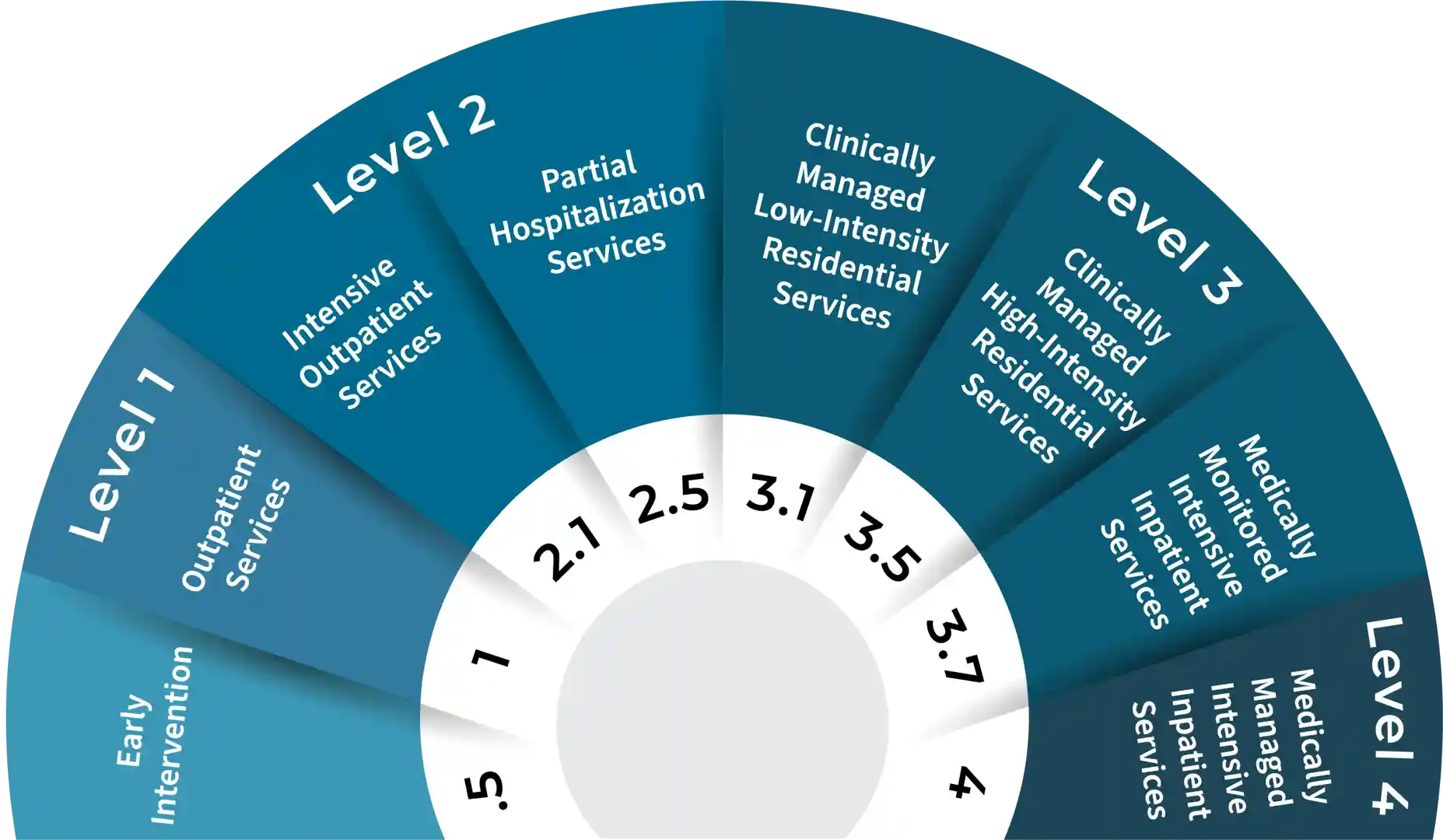
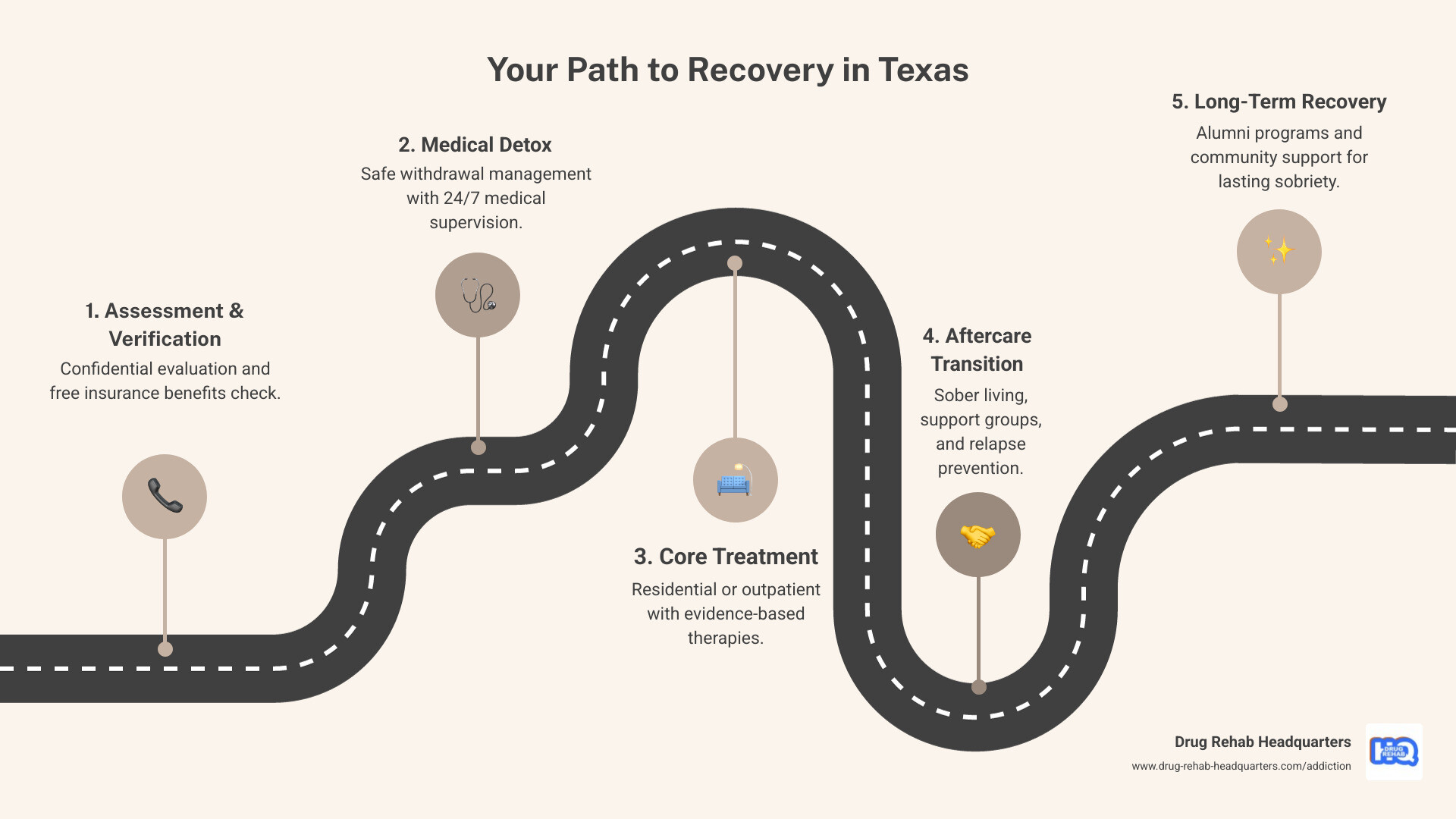
Recovery usually begins with an assessment to determine the right level of care. As individuals progress, they can step down to less intensive support.
-
Detoxification (Detox): Often the first step, medical detox provides a safe, supervised environment to manage withdrawal symptoms. These facilities offer 24/7 medical oversight for patient safety and comfort.
-
Inpatient/Residential Treatment: These programs offer 24/7 care in a structured, trigger-free environment. Clients live on-site, focusing entirely on recovery through individual and group counseling, behavioral therapies, and educational sessions. For more detailed information, explore our guide on Inpatient Drug Rehab in Texas.
-
Outpatient Programs (PHP & IOP): These programs offer flexible treatment for those with a stable home environment. Partial Hospitalization Programs (PHP) are intensive, meeting several hours a day, multiple days a week. Intensive Outpatient Programs (IOP) are a step-down, with fewer hours per week, allowing for easier reintegration.
-
Dual Diagnosis Treatment: Many people with substance use disorders also have co-occurring mental health conditions like anxiety or depression. Dual diagnosis treatment addresses both simultaneously for more effective, lasting recovery.
-
Medication-Assisted Treatment (MAT): MAT combines FDA-approved medications (like Suboxone) with counseling. It is highly effective for opioid and alcohol use disorders, helping to reduce cravings and prevent relapse.
The Texas Health & Human Services Commission oversees and licenses Texas drug and alcohol rehab centers, ensuring they meet state and federal SAMHSA standards for quality and safety.
Types of Substance Use Services Available
Key services available in Texas drug and alcohol rehab centers include:
- Withdrawal Management: Safe, medically supervised detox.
- Residential Care: A structured living environment for immersive therapy away from daily triggers.
- Outpatient Services: Treatment while living at home, ideal for those with strong support systems.
- Co-occurring Disorder Treatment: Integrated care for both substance use and mental health disorders.
- Specialized Female Services: Programs for women addressing unique challenges like trauma and parenting in a supportive environment. Learn more about Behavioral Health Support in the Community.
The Importance of Accredited, Evidence-Based Care
Always choose an accredited facility that uses evidence-based therapies. Accreditation ensures a program meets high standards for quality and safety. Key bodies include:
- The Joint Commission: Their Gold Seal of Approval is a strong indicator of a facility’s commitment to quality.
- CARF (Commission on Accreditation of Rehabilitation Facilities): CARF accreditation shows a program’s dedication to continuous improvement and positive client outcomes.
Proven, evidence-based therapies include:
- Cognitive Behavioral Therapy (CBT): Helps individuals change negative thought patterns and behaviors related to substance use.
- Dialectical Behavior Therapy (DBT): Teaches skills for managing painful emotions and improving relationships.
At Drug Rehab Headquarters, we advocate for scientifically-grounded treatment from qualified professionals, which offers the best chance for lasting recovery. You can learn More about our treatment philosophy.
The Cost of Rehab in Texas and How to Pay for It
Understanding the financial aspect of addiction treatment is a critical step for many seeking help from Texas drug and alcohol rehab centers. The cost of rehab can vary significantly based on the type of program, duration, location, and amenities offered.
According to recent data, the average cost for a person in Texas who seeks substance abuse treatment is approximately $56,688. Breaking this down further, inpatient rehab in Texas costs approximately $629.14 per day without insurance coverage. For outpatient rehab, the cost is significantly lower, averaging around $56.60 per day without insurance. These figures highlight the importance of exploring all available payment options.
How to Find State-Funded or Low-Cost Rehab
For individuals with limited financial resources, state-funded or low-cost Texas drug and alcohol rehab centers can be a lifeline. These programs are often supported by a combination of funding sources:
-
Federal grants from SAMHSA: The Substance Abuse and Mental Health Services Administration provides significant federal funding to states to support substance use prevention and treatment services.
-
State budgets: The Texas state government allocates funds to help its residents access necessary behavioral health services.
-
Medicaid reimbursements: Many state-funded programs accept Medicaid, making treatment accessible to low-income individuals and families.
To find these crucial resources, we recommend taking a few actionable steps:
- Contact your local Outreach, Screening, Assessment, and Referral (OSAR) provider: OSARs are designated entities in Texas that serve as the point of entry for people seeking substance use disorder services. They assess needs and refer individuals to appropriate state-funded programs.
- Contact your Local Mental Health Authority or Local Behavioral Health Authority: These authorities can also provide information and access to state-funded treatment options in your area.
- Use online resources: Websites like the Texas Health and Human Services (HHS) offer tools to locate state-funded programs.
Using Insurance, Medicaid, and VA Benefits
Navigating insurance coverage for addiction treatment can be complex, but it’s a vital step in making treatment affordable.
-
Private Insurance Coverage: Thanks to the Affordable Care Act (ACA), most private health insurance plans are mandated to provide coverage for substance use disorder and mental health treatment. The Affordable Care Act (ACA) expanded access to these services, allowing more Americans to receive the care they need. When considering private insurance, you’ll need to:
- Verify your plan: Contact your insurance provider directly (the number on the back of your card is a good start) to understand your specific benefits, deductibles, co-pays, and out-of-pocket maximums.
- In-network vs. out-of-network: Determine if a prospective rehab center is in-network with your plan, as this typically results in lower costs.
-
Medicaid: Texas Medicaid provides health coverage for low-income Texans, and it often covers substance use disorder treatment services, including detox, inpatient, and outpatient care. Eligibility requirements apply, but if you qualify, Medicaid can significantly reduce or eliminate the cost of treatment.
-
VA Benefits: Veterans and eligible family members can use VA benefits to cover substance use disorder treatment. The U.S. Department of Veterans Affairs offers comprehensive programs, and a Veteran Liaison can help determine care needs.
At Drug Rehab Headquarters, we understand that navigating insurance can be daunting. That’s why we offer a free service to help you verify your insurance coverage. Call us at 866-720-3784 to verify your insurance coverage for free and let us help you understand your options.
Navigating State-Funded Texas Drug and Alcohol Rehab Centers
State-funded Texas drug and alcohol rehab centers are a crucial, affordable resource for residents with limited financial means, providing essential care to a broad population.

State funding from federal grants, Medicaid, and state budgets is distributed to providers who then offer free or low-cost services to eligible individuals.
While state-funded programs are affordable, it’s important to understand their pros and cons:
-
Benefits: The primary benefit is cost-effectiveness, often providing free or very low-cost treatment. These programs are typically evidence-based and foster strong peer support.
-
Limitations: State-funded facilities might have basic accommodations, fewer amenities, and potential waitlists.
Your local OSAR (Outreach, Screening, Assessment, and Referral) is the best starting point for finding a state-funded provider. If you’re feeling overwhelmed, call us at 866-720-3784 for help finding a state-funded option that fits your needs.
Eligibility, Waitlists, and Access
To access state-funded rehab in Texas, you must meet eligibility requirements, which often include:
- Proof of residency: You must be a resident of Texas.
- Income limits: Programs are typically for low-income individuals.
- Clinical assessment: A professional evaluation will determine your need for care.
A significant challenge is waitlists due to high demand. However, Texas prioritizes certain vulnerable populations for timely access, including:
- Pregnant women who are substance users.
- Individuals who inject drugs.
- Those at high risk of overdose.
- People referred by the Department of Family and Protective Services (DFPS).
While waiting, some programs offer interim services like outpatient counseling to provide support. To explore state-funded options and understand eligibility, use the official resource: Find State Funded Substance Use Programs in Texas.
Comparing State-Funded vs. Private Rehab Programs
To help you make an informed decision, here’s a comparison of state-funded and private Texas drug and alcohol rehab centers:
| Feature | State-Funded Rehab Programs | Private Rehab Programs |
|---|---|---|
| Cost | Free or very low-cost, often covered by Medicaid or state funds. | Higher cost, often covered by private insurance, self-pay, or financing. |
| Amenities | Basic, functional accommodations and facilities. | Can range from comfortable to luxury, often with extensive amenities. |
| Wait Times | Can have significant waitlists, especially for residential care. | Generally shorter wait times, often immediate admission. |
| Staff-to-Patient Ratio | May be higher due to limited resources. | Typically lower, allowing for more individualized attention. |
| Therapeutic Options | Primarily evidence-based therapies (CBT, DBT), group therapy. | Broad range of therapies, including holistic, experiential, and specialized programs. |
| Admission Process | Requires eligibility screening, income verification, and clinical assessment. | Typically faster, focusing on clinical need and financial arrangements. |
How to Choose the Right Rehab Center in Texas
Choosing the right Texas drug and alcohol rehab center is a critical, personal decision. Consider these key factors for a successful outcome.
Key decision factors you should consider include:
- Staff Credentials and Expertise: Ensure the staff includes experienced, licensed, and certified professionals like doctors, nurses, and therapists.
- Treatment Philosophy: Does the center’s approach (e.g., 12-step, holistic, evidence-based) align with your needs?
- Location and Environment: The setting can impact recovery. Texas offers urban centers and serene rural campuses. Consider proximity to family versus distance from triggers. For insights, see our guide on 12 Best Texan Cities Addiction Treatment.
- Aftercare Planning: A good rehab prepares you for life after treatment. Comprehensive aftercare planning is crucial for long-term sobriety.
Specialized Programs for Diverse Populations
Many Texas drug and alcohol rehab centers offer specialized programs for diverse populations with unique challenges:
- Programs for Veterans: Address trauma, PTSD, and co-occurring conditions common among veterans.
- LGBTQ+ Affirming Care: Provide a safe, inclusive, and confidential environment where clients feel respected.
- Gender-Specific Treatment: Men-only or women-only programs allow focus on shared experiences without distraction.
- Programs for Pregnant Women and Mothers: Address the unique medical and emotional needs of expectant mothers, often including parenting support. You can learn more about Behavioral Health Treatment for Mothers.
The Importance of Treatment Duration and Aftercare
Research from the National Institute on Drug Abuse (NIDA) shows that longer treatment durations are associated with better outcomes. While 30-day programs are a start, 60 or 90-day programs provide more time to develop robust coping skills.
Recovery is a lifelong journey, not a destination. Comprehensive aftercare is vital and includes:
- Sober Living Homes: A structured, drug-free environment that bridges the gap between intensive treatment and independent living.
- Alumni Programs: Provide ongoing support and community connection.
- Support Groups: Peer-led groups like Alcoholics Anonymous (AA), Narcotics Anonymous (NA), and SMART Recovery offer invaluable ongoing support and accountability.
Top-Rated Drug and Alcohol Rehab Centers in Texas for 2025
When seeking a Texas drug and alcohol rehab center, look for top-rated facilities offering the best chance for lasting recovery. Quality is defined by the care, staff expertise, and long-term support provided.
Top-rated centers typically exhibit several key characteristics:
- Strong Accreditations: Look for certifications from reputable organizations like The Joint Commission and CARF, which signify high standards.
- Full Continuum of Care: The best centers offer everything from on-site medical detox to residential, outpatient, and aftercare planning.
- Dual Diagnosis Capabilities: Expertise in treating co-occurring mental health conditions is crucial for holistic recovery.
- Individualized Treatment Plans: Top centers create personalized plans that address each client’s unique needs and life circumstances.
- High Client Satisfaction: Positive alumni reviews and testimonials indicate effective, compassionate care.
At Drug Rehab Headquarters, we carefully evaluate Texas drug and alcohol rehab centers to help you find the best fit. Call Drug Rehab Headquarters at 866-720-3784 for a personalized recommendation based on your specific requirements and insurance.
Finding the Best Texas Drug and Alcohol Rehab Centers for Your Needs
Finding the right rehab is manageable. Follow these steps:
- Using a Trusted Directory: Use online resources like ours at Drug Rehab Headquarters to narrow options based on location, services, and payment methods.
- Verifying Insurance and Costs: Always verify your insurance benefits directly with the center or through a service like ours. Inquire about all potential out-of-pocket expenses.
- Speaking with an Admissions Specialist: Call centers directly to ask questions, learn about their programs, and guide you through intake.
- Asking About Specific Therapies: If you have specific needs (e.g., trauma-informed care, family therapy), ask if these are integrated into treatment plans.
Your journey to recovery is unique, and we’re committed to helping you find the ideal support system. Let us help you Find a treatment provider near you that can offer the compassionate, effective care you deserve.
Frequently Asked Questions about Texas Rehab
We understand that you likely have many questions as you consider Texas drug and alcohol rehab centers. Here, we address some of the most common inquiries to provide clarity and guidance.
How long does rehab in Texas typically last?
The duration of rehab in Texas varies by individual need. Common residential program lengths are 30, 60, or 90 days. However, NIDA research suggests that longer stays often lead to better outcomes. Outpatient care, like Intensive Outpatient Programs (IOPs) or Partial Hospitalization Programs (PHPs), can last for several months, providing ongoing support as individuals reintegrate into their daily lives.
Can I use my insurance for rehab in Texas?
Yes, in most cases. The Affordable Care Act (ACA) requires most private insurance plans to cover substance use disorder treatment. Additionally, Medicaid and Medicare are accepted at many facilities in Texas. It’s crucial to verify your specific benefits with your insurance provider or the rehab center’s admissions team. Don’t let insurance uncertainty stop you from seeking help. Call Drug Rehab Headquarters at 866-720-3784 for a free insurance verification.
What happens after I complete a rehab program in Texas?
Completing a rehab program is a major achievement, but recovery is a lifelong journey. The next step is aftercare, which is crucial for maintaining sobriety and building a fulfilling life. This can involve:
- Step-down programs: Such as Intensive Outpatient Programs (IOPs) or sober living homes, which offer continued support with increasing independence.
- Building a community support system: Connecting with peers, family, and friends who support your sobriety.
- Attending support groups: Regular participation in groups like Alcoholics Anonymous (AA), Narcotics Anonymous (NA), or SMART Recovery provides ongoing peer support and accountability.
- Ongoing therapy: Many individuals continue with individual or group therapy to address underlying issues and develop coping strategies.
Effective aftercare planning, often initiated during the primary treatment program, is essential for long-term success.
Your Path to Recovery Starts Today
The journey to overcome substance use disorder is challenging but deeply rewarding. We want to emphasize that recovery is possible, and you don’t have to go through it alone. Texas drug and alcohol rehab centers offer a wide range of options, ensuring there is a path forward for everyone. Taking the first step is the most crucial decision you can make.
At Drug Rehab Headquarters, we are here to provide expert guidance and connect you with the right resources for your unique needs. Your path to recovery starts today, and we’re ready to walk it with you.