
Your Path to Recovery Starts Here
Addiction recovery treatment centers offer comprehensive programs designed to help individuals overcome substance use disorders through evidence-based therapies, medical support, and structured environments. If you’re seeking immediate help, here’s what you need to know:
Key Types of Treatment Centers:
- Medical Detox Centers – Supervised withdrawal management with 24/7 medical care
- Inpatient/Residential Programs – Immersive, round-the-clock treatment in a facility setting (typically 30-90 days)
- Outpatient Programs – Flexible treatment while living at home (IOP, PHP options)
- Sober Living Homes – Transitional housing with peer support and structure
- Specialized Centers – Programs custom for specific populations (veterans, LGBTQ+, young adults, women)
Over 46 million Americans aged 12 or older struggle with a substance use disorder, yet according to the Substance Abuse and Mental Health Services Administration, 94% of those people did not receive any treatment. If you or someone you love is part of that overwhelming statistic, this guide is for you.
Taking the first step toward recovery can feel daunting. The landscape of addiction treatment is vast, with options ranging from state-operated facilities to private residential centers. Understanding what each type of center offers and which approach aligns with your unique needs is crucial to beginning your healing journey.
Recovery is a deeply personal journey requiring the right mix of medical care, therapy, and community support. Whether you’re considering detox, residential treatment, or flexible outpatient options, this guide will walk you through every aspect of addiction recovery treatment centers.
At Drug Rehab Headquarters, we help individuals and families steer addiction recovery treatment centers. We provide accurate information and connect users with reputable facilities nationwide. Our mission is to empower you with the knowledge to make informed decisions, break down the stigma of addiction, and find a supportive community for lasting sobriety.
Understanding Addiction and When to Seek Help

Addiction is a complex brain disease that affects millions of Americans across all states we serve, from Alabama to Wyoming. This understanding shapes how we approach treatment. The journey to healing begins with recognizing the signs of addiction and taking the brave step to seek help. As the Mayo Clinic emphasizes, diagnosing a substance use disorder requires a thorough evaluation by a qualified professional using criteria from the Diagnostic and Statistical Manual of Mental Disorders (DSM-5).
Understanding that addiction is a medical condition, not a personal weakness, is the first step toward overcoming the denial and shame that prevent people from seeking help. As Hackensack Meridian Health notes, factors like stress, pain, and genetics can contribute to addiction. When coping skills fail and addiction impacts your life, it’s a clear sign that professional intervention is needed.
Recognizing the Signs and Symptoms of Addiction
Recognizing the signs of addiction can be challenging due to denial. However, several indicators suggest it’s time to seek help:
- Behavioral Changes: Secrecy about substance use, neglecting responsibilities, engaging in risky behaviors, loss of control over use, social isolation, or losing interest in hobbies.
- Physical Symptoms: Changes in appearance (poor hygiene, weight changes), track marks, unusual pupil size, frequent illness, or withdrawal symptoms when not using.
- Psychological Signs: Mood swings, irritability, anxiety, depression, paranoia, personality changes, lack of motivation, or memory problems.
- Social and Functional Decline: Pulling away from family and friends, financial difficulties, legal troubles, and a general decline in functioning at work, school, or home.
If you recognize these patterns, it’s crucial to know that help is available. Our detailed guide on alcohol addiction signs can provide further insights.
Overcoming the Stigma of Seeking Treatment
The stigma of addiction is a major barrier to recovery. Many fear judgment or losing their jobs and relationships. It’s vital to remember that addiction is a medical condition, not a personal failure. Viewing it as such helps challenge misconceptions and shows that seeking help is a sign of strength, not weakness.
Organizations like SAMHSA actively work to “Turn the Page on Stigma” by encouraging person-first language and promoting acceptance. By using phrases like “person with a substance use disorder” instead of “addict,” we focus on a treatable health condition.
The courage to ask for help is immense. Finding supportive communities, through therapy or peer groups, helps individuals realize they are not alone. Stories of recovery, like Stephanie’s Addiction Recovery Story, are powerful reminders that healing is possible. We believe everyone deserves the chance to lead a healthy life free from addiction.
The Spectrum of Addiction Recovery Treatment Centers and Programs
When someone decides to seek help, they enter a diverse landscape of addiction recovery treatment centers and programs. The “right” path is highly individualized, as treatment plans are often customized to address the specific substance, addiction severity, and any co-occurring mental health conditions.
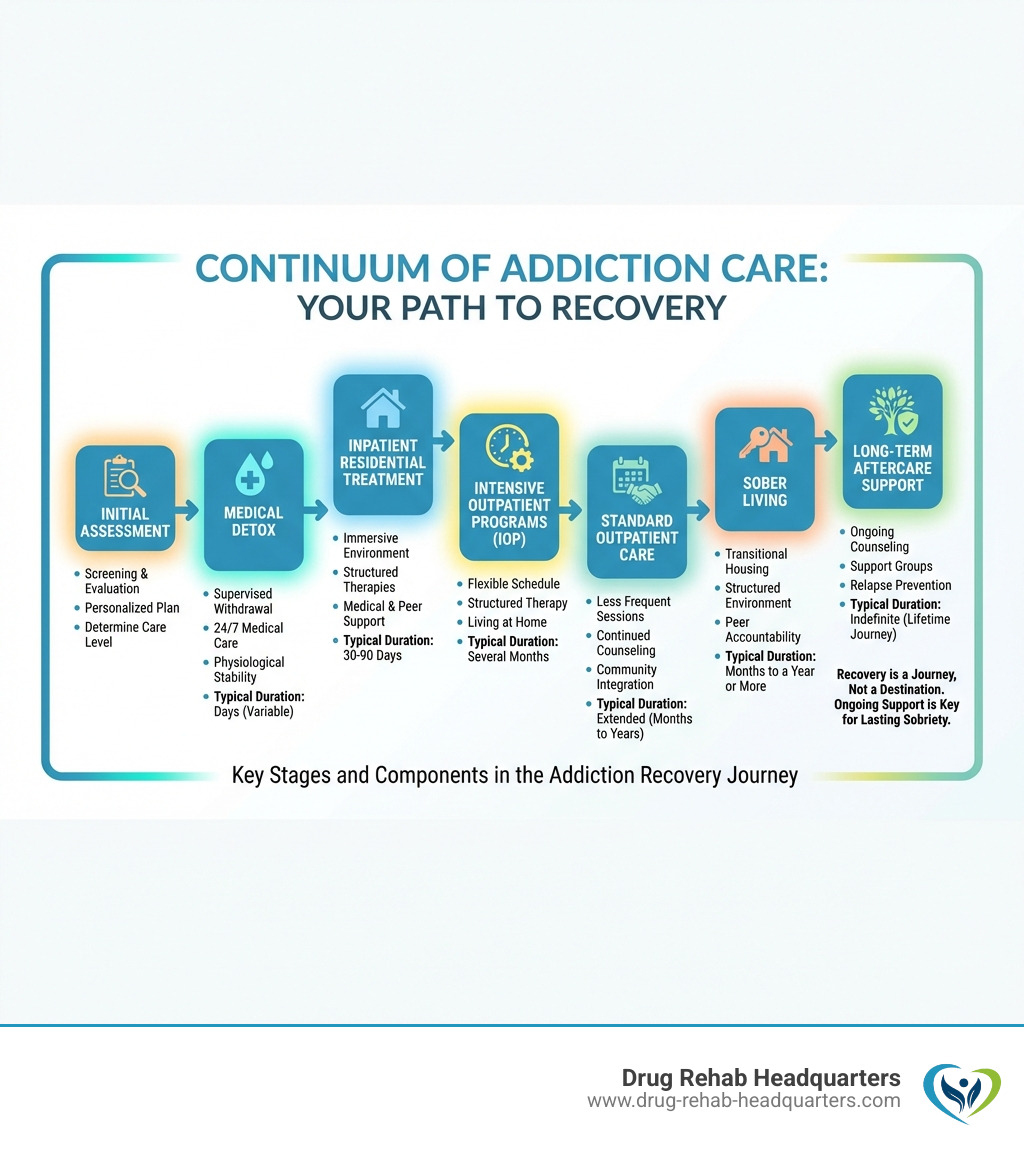
The continuum of care, often guided by criteria from the American Society of Addiction Medicine (ASAM), ensures individuals receive the appropriate level of support at each stage. From medical detox to long-term aftercare, various programs are designed to meet different needs. If you’re wondering where to start, you can always find addiction rehab centers near you through our resources.
Medical Detoxification: The First Step to Safety
For many, medical detoxification (detox) is the first critical step. This process safely manages the uncomfortable and sometimes dangerous withdrawal symptoms that occur when substances leave the body. Supervised detox is crucial for substances like alcohol, benzodiazepines, and opioids, where withdrawal can be life-threatening.
The goal of detox is to stabilize the individual and prepare them for further treatment. Our medical teams provide 24/7 care, monitoring vital signs and administering medications to ease symptoms. As the Mayo Clinic explains, this initial phase is essential to ensure safety and comfort before engaging in more intensive therapeutic work. You can learn more about detox treatment explained and specifically the heroin detox process.
Inpatient and Residential Treatment
After detox, many individuals transition to inpatient or residential treatment. These programs offer a highly structured environment where patients live at the center for a period, typically ranging from 30 to 90 days, with some programs offering longer-term care. This setting provides 24/7 support, removing individuals from triggers in their home environment.
Inpatient programs are ideal for those with severe substance use disorders or who need high levels of support. They provide a full schedule of individual and group therapy, educational sessions, and activities. This immersive setting fosters strong peer support, allowing individuals to connect with others on similar journeys. We provide resources for various options, from standard programs to inpatient drug rehab programs and even explore luxury rehab facilities for those seeking a premium experience.
Outpatient Programs: Flexibility in Recovery
Outpatient programs offer a more flexible approach, allowing individuals to live at home while attending scheduled therapy. These programs are suitable for those with less severe addictions, strong support systems, or as a “step-down” option after inpatient care.
Different levels of outpatient care include:
- Intensive Outpatient Programs (IOPs): Involve several hours of treatment per day, multiple days a week, allowing individuals to maintain work or family responsibilities.
- Partial Hospitalization Programs (PHPs): Offer a higher level of care than IOPs, with daily treatment for most of the week but without an overnight stay.
- Standard Outpatient Programs: Involve fewer hours of treatment per week, focusing on ongoing support and relapse prevention.
Outpatient programs help integrate recovery strategies into daily life. You can learn more about intensive outpatient treatment options.
Sober Living and Transitional Housing
Sober living homes serve as a crucial bridge between intensive treatment and full independence. These residences provide a structured, substance-free environment where individuals can strengthen their recovery skills and build healthy routines.
Residents typically adhere to house rules, participate in chores, attend meetings, and seek employment or education. This peer-supported environment fosters accountability and community, reinforcing healthy habits learned in treatment. Sober living is an integral part of post-rehab aftercare and can significantly reduce the risk of relapse.
Inside the Treatment Process: Therapies and Approaches
The heart of any effective addiction recovery treatment center lies in its therapeutic approaches. Our centers emphasize evidence-based practices, which are therapies proven through scientific research to be effective. We believe in personalized therapy plans that treat the whole person—mind, body, and spirit—for lasting recovery. We encourage you to explore various treatment programs to find what resonates with your journey.
Core Therapies in Addiction Recovery
Several core therapeutic approaches are commonly used in addiction recovery:
- Cognitive Behavioral Therapy (CBT): This therapy helps individuals identify and change problematic thought patterns and behaviors related to substance use. It teaches coping skills to manage triggers and cravings and is also helpful in treating co-occurring conditions like depression.
- Dialectical Behavior Therapy (DBT): Often used for individuals with co-occurring disorders, DBT focuses on emotion regulation, distress tolerance, interpersonal effectiveness, and mindfulness.
- Motivational Interviewing (MI): This client-centered approach helps individuals resolve their ambivalence about change, strengthening their motivation for recovery.
- Family Therapy: Addiction affects the entire family. Family therapy helps improve communication and build a supportive home environment for recovery.
- Group Counseling: This provides a safe space for individuals to share experiences, gain peer perspective, and develop social skills for a substance-free life.
Our behavioral health services often integrate these and other therapies to create a comprehensive treatment experience.
The Importance of Dual Diagnosis Treatment
Many people with substance use disorders also have mental health conditions like depression, anxiety, or PTSD. This is called a “dual diagnosis” or co-occurring disorder. Treating both conditions at the same time is crucial for a successful recovery. As NewYork-Presbyterian points out, millions of Americans live with both a substance use disorder and a co-existing psychiatric disease.
Ignoring one condition while treating the other often leads to relapse. Our addiction recovery treatment centers offer integrated treatment plans where mental health and addiction are addressed in a coordinated manner. This ensures that psychiatric disorders are assessed and treated throughout the recovery process, as highlighted by Mayo Clinic. Understanding why mental health treatment is crucial is key, and we provide specialized dual diagnosis treatment facilities to address these complex needs.
The Role of Medication in Treatment (MAT)
Medication-Assisted Treatment (MAT) combines FDA-approved medications with counseling and behavioral therapies for a “whole-patient” approach. MAT is particularly effective for opioid and alcohol addictions.
- For Opioid Addiction: Medications like buprenorphine, methadone, and naltrexone can reduce cravings and help prevent relapse. As Mayo Clinic emphasizes, these medicines are powerful tools to support long-term recovery.
- For Alcohol Addiction: Medications such as naltrexone, acamprosate, and disulfiram can help reduce alcohol cravings or produce unpleasant side effects if alcohol is consumed.
MAT is most effective when integrated into a comprehensive treatment program. Our addiction treatment offerings include options for medication-assisted approaches when clinically appropriate.
Holistic and Alternative Approaches
Holistic approaches treat the whole person—mind, body, and spirit. These therapies complement traditional methods by addressing underlying issues and promoting overall wellness. A holistic approach empowers individuals to develop healthier coping skills and a more balanced lifestyle.
Common holistic therapies include:
- Mind-Body Connection: Practices like yoga, meditation, and mindfulness help reduce stress and improve self-awareness.
- Creative Arts Therapy: Art, music, and improv can provide non-verbal outlets for processing emotions and fostering creativity.
- Equine Therapy: Interacting with horses can help individuals develop trust, communication skills, and self-esteem.
- Nutritional Counseling: Promoting healthy eating habits can improve physical health and mood, supporting the recovery process.
We believe in offering comprehensive holistic drug addiction treatment options to nurture every aspect of your well-being.
Navigating the Logistics of Recovery
Finding the right addiction recovery treatment center can feel like a maze. Our goal at Drug Rehab Headquarters is to simplify this process, providing personalized guidance to help you find the “right fit”—a center that aligns with your specific needs, values, and financial situation. A critical first step is to verify your insurance coverage.
How to Find the Right Addiction Recovery Treatment Centers
Finding the ideal center involves considering several factors:
- Personal Needs: Consider the substances used, any co-occurring mental health conditions, addiction severity, and personal preferences (e.g., gender-specific, faith-based).
- Location: Decide if a center close to home or one further away is better. A new environment can be beneficial, while a local center allows for family involvement.
- Program Philosophy: Look into the center’s approach. Do they use 12-step models, evidence-based therapies, or holistic methods? A low patient-to-staff ratio can also indicate more personalized care.
- Accreditation and Licensing: Verify that the facility is licensed by the state and accredited by organizations like The Joint Commission, which signals a commitment to quality.
- Staff Qualifications: Ask about the credentials and experience of the clinical team. Our certified counselors often have lived experience, providing unique empathy.
Our comprehensive addiction treatment center complete guide can further assist you in this crucial decision-making process.
Insurance Coverage and Payment Options
The cost of treatment is a significant concern, but help is often more accessible than you might think.
- Understanding Your Policy: Most health insurance plans are required to cover substance use disorder treatment under the ACA and MHPAEA. It’s essential to understand your specific policy, including deductibles, co-pays, and in-network vs. out-of-network facilities. Insurance can often help pay for rehab, but coverage depends on your specific plan’s rules.
- Private Pay: For those without insurance or who prefer more privacy, private payment is an option. Many centers offer payment plans or sliding scale fees.
- State-Funded Programs: Many states offer public funding for treatment for individuals who meet specific income or residency requirements. Resources like SAMHSA’s website provide guidance on free or low-cost options.
Don’t let financial concerns be a barrier. We can help you steer these options. Learn more about does insurance cover rehab? and understand rehab costs.
Specialized Addiction Recovery Treatment Centers
Recognizing that diverse populations have unique needs, many centers offer specialized programs:
- Programs for Veterans: These programs provide trauma-informed care and support for the unique challenges veterans face, including PTSD.
- Gender-Specific Rehab: Women and men often benefit from environments custom to their specific needs, addressing gender-specific trauma and social pressures. We offer resources for rehab for women.
- LGBTQ+ Affirming Care: These programs provide a safe, inclusive space, addressing unique stressors and discrimination.
- Treatment for Young Adults: Custom to the developmental stage of younger individuals, these programs focus on life skills and peer relationships. Explore rehab for young adults.
- Executive Programs: Designed for professionals, these programs offer more privacy and amenities, often allowing for continued work responsibilities.
- Older Adults: As NewYork-Presbyterian highlights, specialized care is available for older adults, recognizing their unique medical and psychological needs.
Building a Foundation for Lifelong Sobriety
Recovery is a lifelong journey, not a destination. While addiction recovery treatment centers provide the foundation, maintaining sobriety requires ongoing commitment, a strong support system, and relapse prevention strategies. With the right tools and community, lifelong sobriety is achievable. Just as Mike’s opiate and alcohol recovery story (available at this link) shows, commitment and support can lead to profound change.
The Crucial Role of Aftercare and Support Systems
After initial treatment, aftercare planning is paramount. It focuses on relapse prevention and integrating recovery into daily life.
- Relapse Prevention Planning: This involves identifying triggers, developing coping mechanisms, and creating a plan to steer high-risk situations.
- Alumni Programs: Many treatment centers offer alumni networks that provide a community for ongoing support, mentorship, and social events.
- Ongoing Therapy: Continuing individual or group therapy provides consistent support and addresses emerging challenges.
- Case Management: A case manager can help coordinate housing, employment, education, and ongoing medical or mental health care.
Our post-rehab drug rehab aftercare resources are designed to help you build this crucial support network.
Peer Support Groups: Strength in Community
Peer support groups are an invaluable component of long-term recovery, providing a sense of belonging and practical advice from others with shared experiences.
- 12-Step Programs: Organizations like Alcoholics Anonymous (AA) and Narcotics Anonymous (NA) are globally recognized. Many experts and organizations acknowledge the widespread use and effectiveness of the 12-step model, which provides a structured path to recovery.
- SMART Recovery: This program uses cognitive behavioral tools to help individuals manage their thoughts, feelings, and behaviors.
- Al-Anon and Nar-Anon: These groups are for friends and family of individuals with addiction, offering a space to find coping strategies and support.
These groups offer continuous encouragement and accountability. Our guide to the 12-step program model provides more in-depth information.
How Family and Loved Ones Can Help
Family and loved ones play a critical role in recovery, but it’s important to offer support in healthy ways.
- Set Healthy Boundaries: Establish clear limits on acceptable behaviors and their consequences to protect your own well-being.
- Support, Don’t Enable: Encourage treatment and healthy choices rather than facilitating or excusing substance use.
- Participate in Family Counseling: Heal strained relationships, improve communication, and learn about the recovery process.
- Be Encouraging and Patient: Recovery is a long process with potential setbacks. Consistent encouragement is vital.
- Consider an Intervention: A professionally guided intervention can help a loved one recognize their need for treatment. Our pre-rehab addiction intervention resources can help.
Supporting a loved one is challenging, but with the right tools, families can become powerful allies in recovery.
Frequently Asked Questions about Addiction Recovery
How long does rehab last?
The duration of rehab varies based on individual needs, addiction severity, and the program type. Programs can be 30, 60, or 90 days, with options for longer-term care or a step-down approach to outpatient programs. The length of stay is tied to clinical needs and progress, not a fixed number. For those exploring different timelines, we have resources on short-term rehab options.
What should I pack for inpatient rehab?
Packing thoughtfully for inpatient rehab can make your stay more comfortable. Here’s a general guide:
- Comfortable Clothing: Pack several days’ worth of casual clothes, sleepwear, and workout attire.
- Toiletries: Bring basic, unsealed toiletries like shampoo, soap, and a toothbrush. Avoid products containing alcohol.
- Journal and Reading Material: A journal is a valuable tool for processing emotions, and books can provide healthy downtime.
- Important Documents: Bring your ID, insurance card, and any prescription medications in their original bottles.
- Small Amount of Cash: For vending machines or small purchases.
Items typically prohibited include illicit substances, alcohol, weapons, revealing clothing, and often personal electronics like cell phones (policies vary). Always check with the specific addiction recovery treatment center for their detailed packing list.
Can I lose my job for going to rehab?
Fear of losing a job prevents many from seeking treatment, but legal protections are in place:
- Family and Medical Leave Act (FMLA): If you are eligible, FMLA provides up to 12 weeks of unpaid, job-protected leave for medical reasons, including addiction treatment.
- Americans with Disabilities Act (ADA): The ADA protects individuals with a history of addiction (who are not currently using illicit drugs) from workplace discrimination.
- Confidentiality: Your treatment records are protected by federal confidentiality laws (42 CFR Part 2) and HIPAA. Your employer cannot be informed without your consent.
- Communicating with Your Employer: While you don’t have to disclose the specific reason, communicating with your HR department about your need for medical leave is often beneficial.
Understanding your rights is crucial. Seeking treatment is a medical necessity, and legal protections support your path to recovery.
Conclusion: Take the First Step Today
We understand that the journey to recovery from addiction can seem overwhelming, but we want to assure you that hope and healing are always possible. This guide has explored the diverse world of addiction recovery treatment centers, from medical detox and inpatient care to outpatient programs and sober living, highlighting the crucial role of therapies, medication, and holistic approaches. We’ve also emphasized the importance of addressing co-occurring mental health disorders, securing appropriate funding, and building robust aftercare and support systems.
The path to lifelong sobriety is deeply personal, requiring individualized care and a commitment to continuous growth. At Drug Rehab Headquarters, we are here to walk alongside you. Our 24/7 free support from certified counselors, many with lived experience, offers personalized guidance to find suitable, evidence-based, holistic treatment options across North America. We believe that everyone deserves the chance to reclaim their life from addiction.
Don’t let fear or uncertainty hold you back. The first step, though often the hardest, is the most profound. We are ready to listen, to guide, and to connect you with the resources you need to begin your healing journey.
Contact us to explore your addiction treatment options or Call our 24/7 addiction helpline today. Your path to freedom starts now.