
Understanding Teen Alcohol Addiction and Treatment Options
Alcohol rehab for teens is a specialized treatment approach designed to help adolescents overcome alcohol use disorders. Unlike adult programs, teen rehab uses age-appropriate therapies and addresses the unique needs of young people whose brains are still developing.
Quick Overview of Teen Alcohol Rehab:
- Inpatient/Residential Treatment: 24/7 care in a structured, substance-free environment (typically 30-90+ days)
- Outpatient Programs: Teens attend therapy sessions while living at home (IOP, PHP options)
- Key Therapies: Cognitive-Behavioral Therapy (CBT), Dialectical Behavior Therapy (DBT), Motivational Interviewing, and Family Therapy
- Family Involvement: Essential for recovery success; includes family therapy and parent education
- Co-Occurring Disorders: Over 60% of teens in treatment also have mental health issues requiring integrated care
- Insurance Coverage: Most health insurance plans cover some or all teen substance use treatment
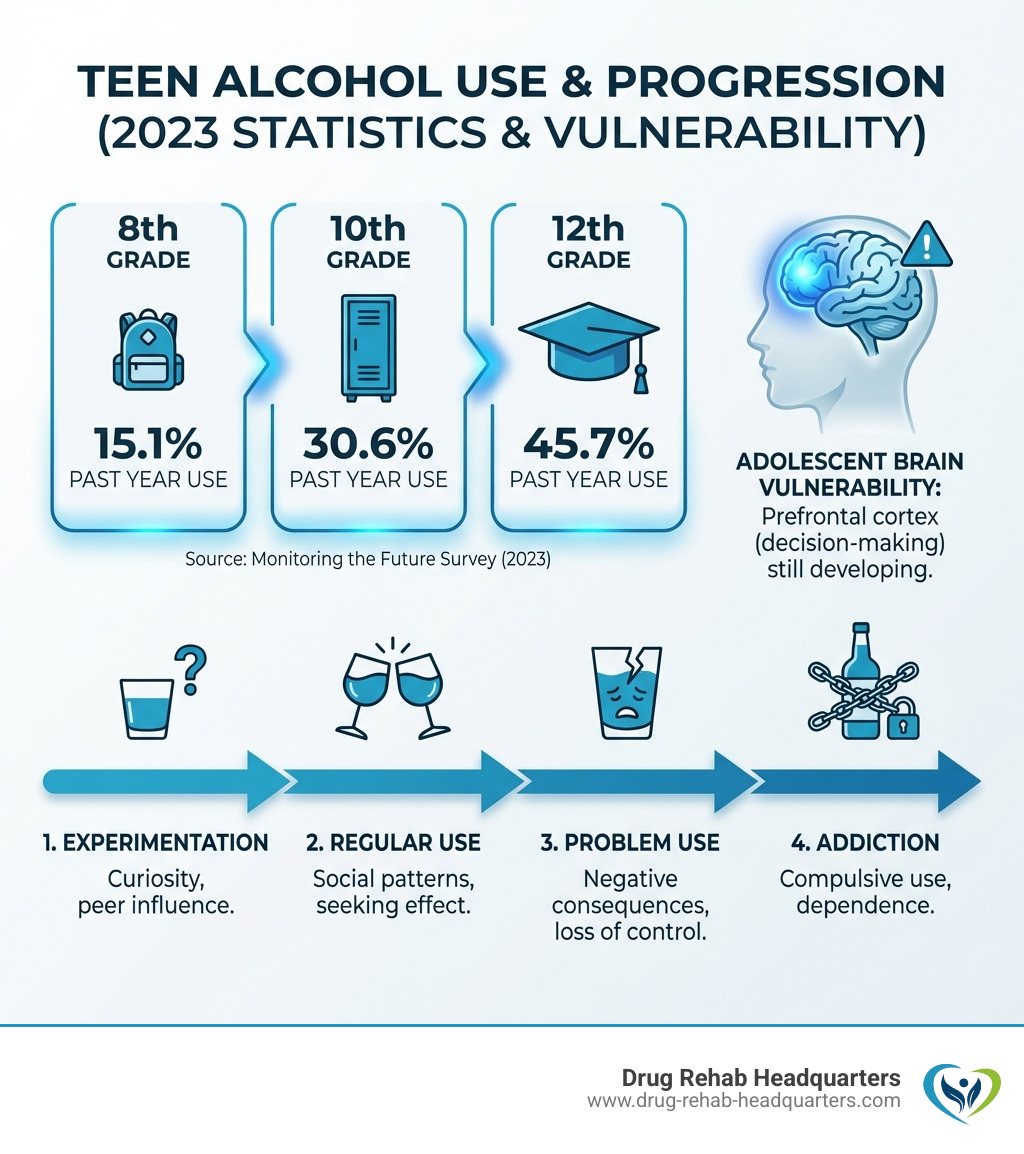
The statistics paint a concerning picture. According to the Monitoring the Future survey, 45.7% of 12th graders reported past-year alcohol use in 2023. Even more troubling, the CDC reports that the greatest percentage increase in drug overdose deaths from 2019 to 2020—a staggering 49%—occurred among young people aged 15-24.
But there’s hope. Research shows that early intervention works. Teens who receive proper treatment can achieve lasting recovery, especially when families are involved in the process.
At Drug Rehab Headquarters, we help families steer the complexities of alcohol rehab for teens, connecting them with evidence-based programs that address both substance use and its underlying causes. We empower parents with the knowledge to make informed decisions for their teen’s care.
Terms related to alcohol rehab for teens:
Recognizing the Need for Professional Help
Differentiating between typical teenage angst and alcohol addiction can be challenging. While adolescence involves mood swings and a desire for independence, escalating behaviors linked to substance use signal a need for professional help. Early intervention improves the chances of a successful recovery, and recognizing the signs is the first crucial step.
What are the Signs a Teen Might Need Alcohol Rehab?
Signs a teen needs alcohol rehab for teens can be behavioral, physical, and emotional. A dramatic shift in personality or habits, especially when multiple signs are present, can indicate a substance use problem.
Here are some key indicators to watch for:
- Changes in Social Circles: Suddenly dropping old friends for a new group known for risky behavior, and becoming secretive about their social life.
- Secrecy and Lying: Increased secrecy, evasiveness, or lying about their activities, often becoming defensive when questioned.
- Poor Hygiene and Appearance: A noticeable decline in personal grooming and hygiene.
- Mood Swings and Behavioral Changes: Sudden, severe mood swings (euphoria, irritability, anger), aggression, defiance, or withdrawal. Loss of interest in hobbies, paranoia, or anxiety.
- Lethargy and Sleep Changes: Excessive sleeping, insomnia, or constant fatigue and lack of energy.
- Academic Decline: A sudden drop in grades, increased school absences, or a lack of academic motivation.
- Finding Alcohol or Paraphernalia: Finding alcohol, empty bottles, or paraphernalia like flasks in their room or belongings.
- Symptoms of Alcohol Overdose: This is a medical emergency. Symptoms include mental confusion, difficulty remaining conscious, vomiting, seizures, trouble breathing, slow heart rate, clammy skin, dulled responses, and extremely low body temperature. If you suspect an alcohol overdose, call 911 immediately.
- Co-Occurring Disorders: Over 60% of teens in treatment have a co-occurring mental illness like depression, anxiety, or trauma. Alcohol is often used to cope, making integrated treatment for both issues vital. Find support through our Mental Help resources.
Understanding these signs helps determine if a teen’s drinking is experimentation or a problem requiring intervention. Learn more in our guides on Alcohol Addiction Signs and The Risk Factors of Substance Abuse for Teens.
The Impact of Alcohol on the Developing Teen Brain
The adolescent brain is still developing, especially the prefrontal cortex, which controls decision-making and impulse control. Introducing alcohol during this critical period can have lasting consequences.
When alcohol enters this delicate system, it interferes with normal brain development, which can lead to:
- Impaired Decision-Making: Alcohol further impairs a teen’s underdeveloped ability to weigh consequences, increasing risky behaviors.
- Increased Impulsivity: Alcohol worsens natural teen impulsivity, leading to poor choices with serious repercussions.
- Higher Risk of Addiction: Early alcohol use can rewire the sensitive adolescent brain, increasing the risk of lifelong addiction.
- Long-Term Cognitive Issues: Chronic use can impair memory, learning, and academic performance, causing long-term cognitive deficits.
- Mental Health Vulnerability: Alcohol can worsen or trigger mental health conditions, leading to a complex dual diagnosis.
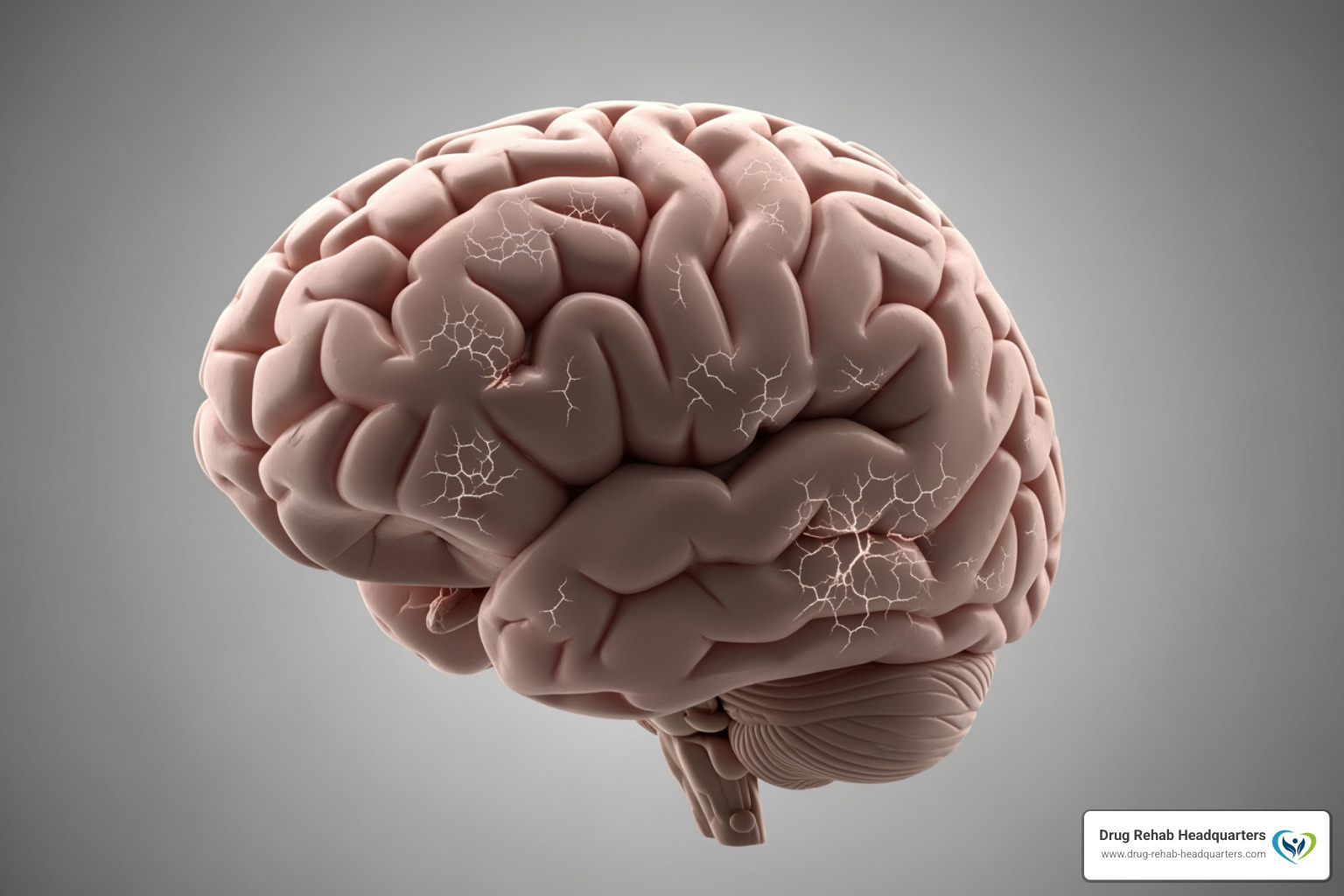
This vulnerability highlights the need for early intervention and specialized alcohol rehab for teens. Addressing alcohol use early protects a teen’s brain and future. Learn more in our resource on Adolescent Substance Abuse Health Risks.
A Guide to Alcohol Rehab for Teens
Once a teen needs help, the next step is understanding treatment options. Alcohol rehab for teens requires a customized approach. It begins with a thorough assessment of the teen’s alcohol use, mental health, and family dynamics to create an individualized treatment plan. Our Addiction Treatment and Alcohol Rehab guides offer more insight.
Types of Teen Alcohol Rehab Programs
When considering alcohol rehab for teens, parents will find various program types with different levels of care. The best choice depends on the teen’s addiction severity, home environment, and any co-occurring mental health issues.
Here’s a comparison of the main types of programs:
| Program Type | Description | Structure | Ideal For |
|---|---|---|---|
| Inpatient (Residential) Treatment | The teen lives at the facility 24/7 in a structured, substance-free environment. Includes medical supervision, individual and group therapy, educational support, and recreational activities. | High intensity, 24/7 supervision, highly structured daily schedule. | Severe addiction, unstable home environment, co-occurring disorders requiring constant monitoring, past failed outpatient attempts, significant withdrawal risk. |
| Partial Hospitalization Programs (PHP) | Teens attend treatment during the day (often 5-7 days a week for several hours) and return home in the evenings. More intensive than IOP but less restrictive than inpatient. | Medium-high intensity, structured daily therapy, allows for living at home. | Stepping down from inpatient care, strong home support, moderate to severe addiction not requiring 24/7 supervision. |
| Intensive Outpatient Programs (IOP) | Teens attend therapy sessions several times a week for a few hours per session. Less intensive than PHP, allowing more flexibility for school and family life. | Medium intensity, flexible schedule, focused therapy sessions. | Moderate addiction, stable home environment, motivation for recovery, ability to manage triggers outside of treatment. |
| Outpatient Programs | Teens attend weekly individual or group therapy sessions. The least intensive level of care. | Low intensity, minimal disruption to daily life, ongoing support. | Early stages of alcohol use, aftercare following more intensive programs, strong coping skills, high motivation. |
Inpatient Drug Rehab offers the highest level of care for severe cases or when other treatments have failed. It provides a safe, focused environment for recovery. Explore our Treatment Options guide for more information.
Therapeutic Approaches Proven to Help Teens
Effective alcohol rehab for teens uses evidence-based therapies custom to adolescents. These methods build coping skills, address underlying issues, and promote a sober lifestyle.
Some of the most effective therapeutic approaches include:
- Cognitive-Behavioral Therapy (CBT): CBT helps teens change negative thoughts and behaviors related to alcohol use, teaching them to manage triggers, cravings, and stress.
- Dialectical Behavior Therapy (DBT): DBT is ideal for teens with co-occurring mental health issues, focusing on emotional regulation, distress tolerance, and mindfulness.
- Motivational Interviewing (MI): MI is a client-centered approach that helps teens find their own motivation to change their drinking habits and become active in their recovery.
- Family Therapy: Family therapy is paramount for teen recovery. It improves communication, resolves conflict, and creates a supportive home, which is crucial for positive outcomes.
- Trauma-Informed Care: This approach recognizes that many teens with substance use issues have experienced trauma. It integrates this understanding into treatment to promote healing.
- Peer Group Therapy: Peer groups provide community and mutual support, reducing isolation for teens in recovery.
- Holistic Therapies: Holistic therapies like art, music, or yoga promote well-being, reduce stress, and make recovery more engaging for teens.
These strategies, combined with a focus on Behavioral Health, are key to comprehensive alcohol rehab for teens.
What is the Typical Duration of a Program?
The duration of alcohol rehab for teens varies based on the individual’s needs, including addiction severity and co-occurring conditions. While there’s no set timeline, research shows longer programs often yield better outcomes.
Here’s a general breakdown:
- Short-Term Programs (30 days or less): Often residential, these provide intensive stabilization and therapy, best for less severe cases or as a start to longer care.
- 60-Day Programs: These offer more time for therapy and skill-building, suitable for moderate cases. Learn more about 60 Day Rehab Programs.
- 90-Day Programs: Experts often recommend 90-day inpatient programs for the best chance at success, as this allows for deeper therapy and skill development.
- Long-Term Residential Care (90+ days): For severe or complex cases, long-term programs offer continuous, structured support for sustained recovery.
Factors influencing duration include:
- Severity of Addiction: Severe or chronic addiction requires longer treatment.
- Co-Occurring Conditions: Co-occurring mental health disorders require more time to treat both issues.
- Response to Treatment: Progress is individual; the treatment team assesses readiness for the next step.
- Support System: A stable home environment can influence the transition from intensive care.
The goal is to allow enough time to build a strong foundation for lasting sobriety by developing coping skills and addressing underlying issues.
The Crucial Role of Family in Teen Recovery
A teen’s alcohol struggle is a family issue, affecting everyone and influenced by family dynamics. Based on family systems theory, where each member impacts the whole, healing the family is crucial for the teen’s recovery. Alcohol rehab for teens must involve the family to improve communication, set boundaries, and create a supportive home. A professional intervention can help align the family towards treatment, as detailed in our Pre-Rehab Addiction Intervention guide.
How Family Involvement Improves Recovery Outcomes
Research consistently highlights the profound impact of family involvement on a teen’s recovery journey. A study in the Journal of Substance Abuse Treatment emphasizes that family involvement can “increase the likelihood of maintaining recovery and abstinence, providing a stable and supportive home environment and continued engagement in treatment”.
Here’s how family involvement makes a difference:
- Increased Likelihood of Abstinence: Active family engagement provides support and accountability, making teens more likely to stay sober.
- Building Trust: Family therapy provides a safe space to rebuild trust and foster the honest communication vital for recovery.
- Addressing Enabling Behaviors: Family therapy helps parents identify and stop enabling behaviors, teaching them healthier ways to provide support.
- Parent Education Programs: Parent education programs teach families about addiction and recovery, empowering them to be effective allies.
- Family Counseling: Family counseling helps resolve conflicts and improve communication, aligning everyone toward the goal of sobriety.
By actively participating in the recovery process, families become part of the solution, changing their home into a sanctuary for sobriety.
How Parents Can Support Their Teen
Supporting a teen through recovery is a long-term commitment requiring patience and empathy. Here’s how parents can provide crucial support:
- Active Participation in Therapy: Attend all family therapy and parent education programs to show your teen you’re invested in their recovery.
- Creating a Sober Home Environment: Remove all alcohol from the home to create a trigger-free space and show your commitment.
- Encouraging Healthy Hobbies: Help your teen find new, healthy hobbies that don’t involve alcohol to foster positive connections and purpose.
- Patience and Empathy: Recovery has ups and downs. Offer unwavering patience and empathy, avoiding judgment and focusing on encouragement.
- Celebrating Milestones: Acknowledge and celebrate all progress, big or small, to motivate your teen.
- Planning for Aftercare: Work with the facility to create a strong aftercare plan, which is critical for success. Our Post Rehab Drug Rehab Aftercare guide can help.

You don’t have to steer this alone. We are here to help you find resources and support systems for both you and your teen.
How to Choose the Right Alcohol Rehab Program for a Teenager
Choosing the right alcohol rehab for teens is a critical, often overwhelming, decision. It’s vital to select a program specifically designed for adolescents, as they have unique developmental and social needs that differ from adults.
Consider the following factors when making your choice:
- Accreditation and Licensing: Ensure the facility is state-licensed and accredited by recognized bodies, which indicates quality and ethical standards.
- Staff Qualifications: The program should have a multidisciplinary team of licensed professionals (therapists, doctors, addiction specialists) experienced in adolescent development.
- Evidence-Based Practices: Confirm the program uses evidence-based therapies for teens, like CBT, DBT, and family therapy.
- Location and Environment: Consider whether a local or distant program is better. A local facility allows for easier family involvement, while a distant one removes the teen from negative influences. The environment must be safe and supportive.
- Age-Specific Programs: Choose a program exclusively for adolescents (ages 12-18) or specialized Rehab for Young Adults to avoid exposing teens to inappropriate influences from mixed-age groups.
- Gender-Specific Options: Gender-specific programs can provide a safer space for some teens. Our guide, Beyond the General: Finding the Right Rehab for Women and Teens, provides more context.
Addressing Co-Occurring Mental Health Disorders
A crucial factor is ensuring the program treats co-occurring mental health disorders (dual diagnosis). Over 60% of teens in treatment have issues like depression or anxiety. Untreated, these increase the relapse risk.
An effective dual diagnosis treatment facility will offer:
- Integrated Treatment: Both the addiction and mental health condition should be treated simultaneously by a coordinated team.
- Comprehensive Psychiatric Assessment: A psychiatrist should conduct a thorough assessment to diagnose conditions and create a treatment plan, which may include medication.
- Specialized Therapies: The program must offer specialized therapies like CBT for anxiety or DBT for emotional regulation.
- Experienced Staff: The clinical team must have expertise in both adolescent addiction and mental health.
Learn more about integrated care in our resources on Dual Diagnosis Treatment Facility and Why Mental Health Treatment Centers Are In High Demand. Treating the whole person is paramount for recovery.
Understanding Costs and Insurance Coverage
Cost is a major concern for families and varies by program type, duration, and location.
- Cost of Inpatient vs. Outpatient: Inpatient is more expensive than outpatient due to 24/7 care and accommodation. See our Cost of Rehab guide for an overview.
- Insurance Verification: Most insurance plans cover some costs, but coverage varies. Use our Verify Insurance tool or contact facilities directly to confirm benefits. Our guide on Does Insurance Cover Rehab can also help.
- Payment Plans and State-Funded Options: If insurance is insufficient, ask about payment plans, financial aid, or state-funded options.
Don’t let cost deter you from seeking help. Our certified counselors can help you explore all options to make alcohol rehab for teens accessible.
Frequently Asked Questions about Teen Alcohol Rehab
It’s natural for parents to have many questions when considering alcohol rehab for teens. Here are some common questions and answers to help guide you.
How do I know if my teen’s drinking is a problem or just experimenting?
It can be hard to tell experimentation from a problem. Key differences include:
- Frequency and Quantity: Frequent binge drinking or regular use is a red flag.
- Negative Consequences: Drinking that leads to problems at school, with family, or with the law.
- Behavioral Changes: Significant mood swings, aggression, secrecy, or loss of interest in hobbies.
- Inability to Stop: Continuing to drink despite negative consequences or being unable to stop.
- Tolerance and Withdrawal: Needing more alcohol for the same effect (tolerance) or experiencing withdrawal symptoms.
If you see several of these signs, it’s likely a problem. A professional assessment can provide a clear diagnosis.
Can I force my teenager into rehab?
Legally, parents can often make medical decisions for minors, including rehab enrollment. However, treatment is more effective when the teen is motivated. While forcing a teen into rehab can be a necessary safety measure, long-term success is greater with voluntary participation. If a teen is a danger to themselves or others, legal commitment may be an option, but it’s a last resort. A professional interventionist can help encourage a teen to accept help voluntarily by facilitating a supportive, non-confrontational conversation, which improves treatment engagement.
What happens after my teen completes an alcohol rehab program?
Completing rehab is a major step, but recovery is an ongoing journey. Aftercare planning is essential for sustained sobriety and preventing relapse, as the transition home can be challenging.
Aftercare typically includes:
- Continued Therapy: Ongoing individual or family therapy helps teens practice coping skills and address new challenges.
- Support Groups: Peer support groups like Alcoholics Anonymous (AA) for young people offer a community for encouragement and accountability.
- Sober Living Environments: For teens with high relapse risk, sober living homes can provide a structured transition after residential treatment.
- Relapse Prevention Skills: Aftercare reinforces relapse prevention skills learned in rehab, such as identifying triggers and managing cravings.
- Building a Sober Social Network: Helping your teen build a sober social network is crucial to replace old, unhealthy patterns.
The goal of aftercare is to provide the tools and support for a fulfilling, sober life long after they leave the structured environment of rehab.
Conclusion
Navigating teen alcohol addiction is challenging, but hope and help are available. Recognizing the signs, understanding adolescent brain development, and choosing the right alcohol rehab for teens are the first steps to recovery. Early intervention is powerful, protecting your teen’s health and future, and family involvement is critical for success.
If you’re feeling overwhelmed, know that you are not alone. Taking the first step by gathering information is an act of courage. Drug Rehab Headquarters provides 24/7 support to help you find the right alcohol addiction rehab center for your teen. Our certified counselors offer personalized guidance, connecting you with evidence-based treatment at our facilities in Alabama, Alaska, Arizona, Arkansas, California, Colorado, Connecticut, Delaware, Florida, Georgia, Hawaii, Idaho, Illinois, Indiana, Iowa, Kansas, Kentucky, Louisiana, Maine, Maryland, Massachusetts, Michigan, Minnesota, Mississippi, Missouri, Montana, Nebraska, Nevada, New Hampshire, New Jersey, New Mexico, New York, North Carolina, North Dakota, Ohio, Oklahoma, Oregon, Pennsylvania, Rhode Island, South Carolina, South Dakota, Tennessee, Texas, Utah, Vermont, Virginia, Washington, West Virginia, Wisconsin, and Wyoming. Reach out to us today—we’re here to help.