
Your Guide to a New Beginning
Alcohol rehab centers provide specialized treatment programs designed to help individuals overcome alcohol use disorder through medical detoxification, therapy, and ongoing support. Here’s what you need to know:
Key Types of Alcohol Rehab Centers:
- Medical Detox – Supervised withdrawal management (5-10 days)
- Inpatient/Residential – 24/7 care in a structured setting (30-90 days)
- Partial Hospitalization (PHP) – Intensive daily treatment while living at home
- Intensive Outpatient (IOP) – Treatment 3-5 days per week
- Standard Outpatient – Weekly therapy sessions with maximum flexibility
Essential Services to Look For:
- Evidence-based therapies (CBT, DBT, Motivational Interviewing)
- Medication-assisted treatment (Naltrexone, Acamprosate, Disulfiram)
- Dual diagnosis care for co-occurring mental health conditions
- Personalized treatment plans
- Comprehensive aftercare planning
Nearly 30 million Americans aged 12 and older struggle with alcohol use disorder in 2025. That’s almost a quarter of the adult population facing the same challenges you or your loved one might be experiencing right now.
The good news? Recovery is absolutely possible.
Finding the right alcohol rehab center can feel overwhelming. There are thousands of treatment facilities across the country, each offering different programs, therapies, and levels of care. Some charge tens of thousands of dollars. Others accept Medicaid or offer sliding scale fees. Some require you to stay for 30 days or more. Others let you continue working while getting treatment.
How do you choose?
This guide breaks down five smart strategies to help you find quality alcohol rehab centers that match your specific needs, budget, and recovery goals. You’ll learn how to evaluate different levels of care, identify evidence-based treatments, assess facility quality, steer costs and insurance, and plan for long-term success.
Whether you’re in Nevada struggling with alcohol addiction or supporting a family member who needs help, understanding your options is the first step toward healing.
At Drug Rehab Headquarters, we’ve helped thousands of individuals and families steer the path to recovery by connecting them with appropriate treatment resources and providing compassionate support at every stage of their journey. Our team of addiction specialists understands the challenges of finding quality alcohol rehab centers and is available 24/7 at 866-720-3784 to provide free, confidential guidance.
Strategy 1: Understand the Different Levels of Care
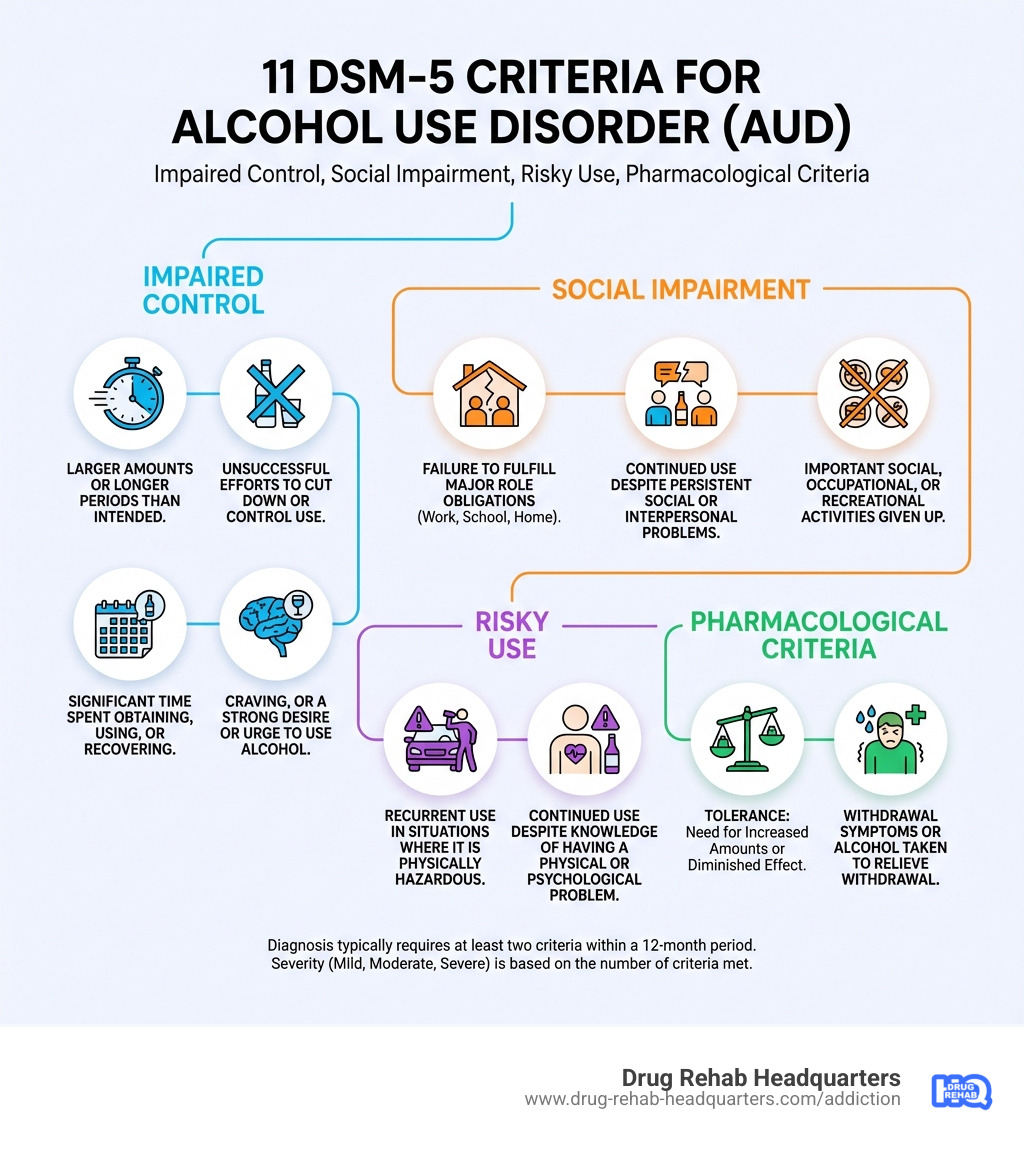
When you’re looking for an alcohol rehab center, one of the first and most crucial steps is to understand the different levels of care available. Alcohol use disorder (AUD) is a complex condition, and what works for one person might not be suitable for another. This is where the concept of a “continuum of care” comes into play, guided by frameworks like The ASAM Criteria. The American Society of Addiction Medicine (ASAM) criteria provide a comprehensive, multidimensional assessment process to determine the most appropriate level of care for an individual based on their unique needs.
An initial assessment by qualified professionals is essential to pinpoint the right fit. This assessment considers various factors, including the severity of your alcohol use, any co-occurring mental or physical health conditions, your living situation, and your support system. We believe in individualized treatment because a “one-size-fits-all” approach rarely leads to lasting recovery. Our goal is to help you find a program that provides the right intensity and structure to support your journey. If you’re feeling overwhelmed by the options, don’t hesitate to call our 24/7 helpline at 866-720-3784 for a free assessment and guidance.
Medical Detoxification
For many individuals, the very first step in overcoming alcohol addiction is medical detoxification. This isn’t just about stopping drinking; it’s about safely managing the physical withdrawal symptoms that can occur when alcohol is suddenly removed from the body. Alcohol withdrawal can be dangerous and, in severe cases, life-threatening. That’s why medically supervised withdrawal is paramount.
During medical detox, you’ll receive 24/7 care and monitoring from medical professionals. They’ll assess your condition, manage any alcohol detox symptoms like tremors, seizures, hallucinations, or delirium tremens, and administer medications to ensure your safety and comfort. Benzodiazepines, for instance, are commonly used to alleviate withdrawal symptoms and prevent complications. This initial phase, typically lasting 5-10 days, provides a stable foundation for the therapeutic work ahead. You can find a more detailed overview of detoxification from the National Institutes of Health.
Inpatient/Residential Treatment
Once detox is complete, or if detox isn’t medically necessary, inpatient or residential treatment often follows. These programs offer a highly structured environment with 24/7 care, providing a safe haven away from triggers and distractions. It’s an immersive therapeutic experience where you live at the facility for a set period, typically 30, 60, or 90 days, though some programs can be longer.
Inpatient treatment is ideal for individuals with severe AUD, those who have struggled with relapse in the past, or those who have co-occurring mental health disorders that require integrated care. The structured routine often includes individual and group therapy, educational sessions, recreational activities, and peer support. This intensive level of care allows for profound healing and the development of essential coping skills in a supportive community. To learn more about this and other options, explore our resources on alcohol addiction rehab options.
Outpatient Programs (OP, IOP, PHP)
Not everyone requires 24/7 residential care. Outpatient programs offer more flexibility, allowing individuals to receive treatment while continuing to live at home, attend work or school, and maintain their daily responsibilities. These programs vary in intensity:
- Partial Hospitalization Programs (PHP): Often referred to as “day treatment,” PHP is the most intensive form of outpatient care. You attend treatment for several hours a day, five to seven days a week, similar to a full-time job. It provides a structured therapeutic environment with a strong focus on therapy and skill-building, without requiring an overnight stay.
- Intensive Outpatient Programs (IOP): IOPs offer a step down in intensity from PHP. Participants typically attend therapy sessions for a few hours a day, three to five days a week. This allows for greater flexibility while still providing significant support and accountability.
- Standard Outpatient Programs (OP): This is the least intensive level of outpatient care, involving weekly individual or group therapy sessions. It’s suitable for individuals with milder AUD, those transitioning from more intensive programs, or those needing ongoing support to maintain sobriety.
All outpatient programs typically include group therapy, individual counseling, and sometimes family therapy, focusing on relapse prevention, coping strategies, and addressing underlying issues. For a deeper dive into the various approaches, refer to the types of alcohol treatment available.
Strategy 2: Prioritize Evidence-Based Treatments
When seeking an alcohol rehab center, it’s crucial to prioritize programs that use evidence-based treatments. These are therapies and interventions that have been rigorously studied and proven effective through scientific research. Choosing programs with scientific backing means you’re investing in methods that have a higher likelihood of leading to successful, long-term recovery. Conversely, relying on unproven or ineffective programs can be a waste of time, money, and precious hope.
An integrated treatment approach, combining various evidence-based modalities, often yields the best results. This might include individual therapy, group counseling, and medication-assisted treatment, all custom to your specific needs. We can help you connect with centers that prioritize these proven methods. Call us at 866-720-3784 to find alcohol rehab centers committed to evidence-based care.

Behavioral Therapies and Counseling
Behavioral therapies are a cornerstone of effective alcohol addiction treatment. They help individuals understand the root causes of their drinking, identify triggers, and develop healthier coping mechanisms. Some of the most common and effective therapies include:
- Cognitive Behavioral Therapy (CBT): This therapy helps you identify and change negative thought patterns and behaviors that contribute to alcohol use. It teaches you how to recognize high-risk situations and develop strategies to avoid or manage them. Research, such as studies on CBT for substance use disorders, consistently demonstrates its effectiveness.
- Dialectical Behavior Therapy (DBT): Often used for individuals with co-occurring mental health issues, DBT focuses on teaching skills in mindfulness, emotional regulation, distress tolerance, and interpersonal effectiveness.
- Motivational Interviewing (MI): This client-centered approach helps you explore and resolve ambivalence about changing your drinking behavior. Therapists guide you to articulate your own reasons for change, fostering intrinsic motivation.
- Family Counseling: Alcohol addiction affects the entire family system. Family counseling helps loved ones understand addiction, improve communication, and heal strained relationships, creating a more supportive home environment for recovery.
These therapies equip you with the tools to build coping skills, manage cravings, and steer life’s challenges without resorting to alcohol.
Medication-Assisted Treatment (MAT)
Medication-Assisted Treatment (MAT) combines FDA-approved medications with counseling and behavioral therapies to provide a “whole-patient” approach to alcohol recovery. MAT helps reduce cravings, manage withdrawal symptoms, and prevent relapse, making it easier for individuals to engage in and benefit from therapy. These medications are non-addictive and are not simply “trading one addiction for another”; rather, they are tools to manage a chronic medical condition.
Three primary medications are approved for alcohol use disorder:
- Naltrexone (Vivitrol): Available in oral form or as an injectable (Vivitrol), naltrexone blocks the euphoric effects of alcohol, reducing the pleasure associated with drinking and decreasing cravings.
- Acamprosate (Campral): Acamprosate helps reduce long-term cravings by affecting brain chemicals that become imbalanced with chronic alcohol use. It’s often prescribed after detox to help maintain abstinence.
- Disulfiram (Antabuse): Disulfiram works as a deterrent. If you consume alcohol while taking this medication, it causes unpleasant physical reactions like nausea, vomiting, and flushing, discouraging alcohol use.
MAT can significantly improve treatment outcomes, especially when integrated into a comprehensive treatment plan. You can find more about alcohol abuse treatment and the role of MAT in our resources.
Dual Diagnosis for Co-Occurring Disorders
It’s common for individuals with alcohol use disorder to also struggle with co-occurring mental health conditions. These can include depression, anxiety, PTSD, bipolar disorder, and other issues. When both an addiction and a mental health disorder are present, it’s referred to as a “dual diagnosis.” Treating only one condition often leads to relapse in the other.
Effective alcohol rehab centers recognize the importance of integrated care, meaning they treat both the AUD and any co-occurring mental health disorders simultaneously. This holistic approach ensures that all aspects of your well-being are addressed, leading to more sustainable recovery. For more information on mental health resources, you can visit the National Institute of Mental Health. An integrated approach treats the whole person, not just the addiction, acknowledging that mental health is intrinsically linked to substance use.
Strategy 3: Evaluate the Quality and Logistics of Alcohol Rehab Centers
Choosing an alcohol rehab center is a significant decision, and making an informed choice can profoundly impact your recovery journey. Beyond understanding the levels of care and types of therapy, evaluate the quality and logistical aspects of potential facilities. Key quality indicators will help you discern which programs are truly effective and safe.
The philosophy of a program, the staff-to-client ratio, and their commitment to long-term success are all crucial factors. We want to ensure you find a place where you feel supported, respected, and empowered to heal.
What to Look For in Quality Alcohol Rehab Centers
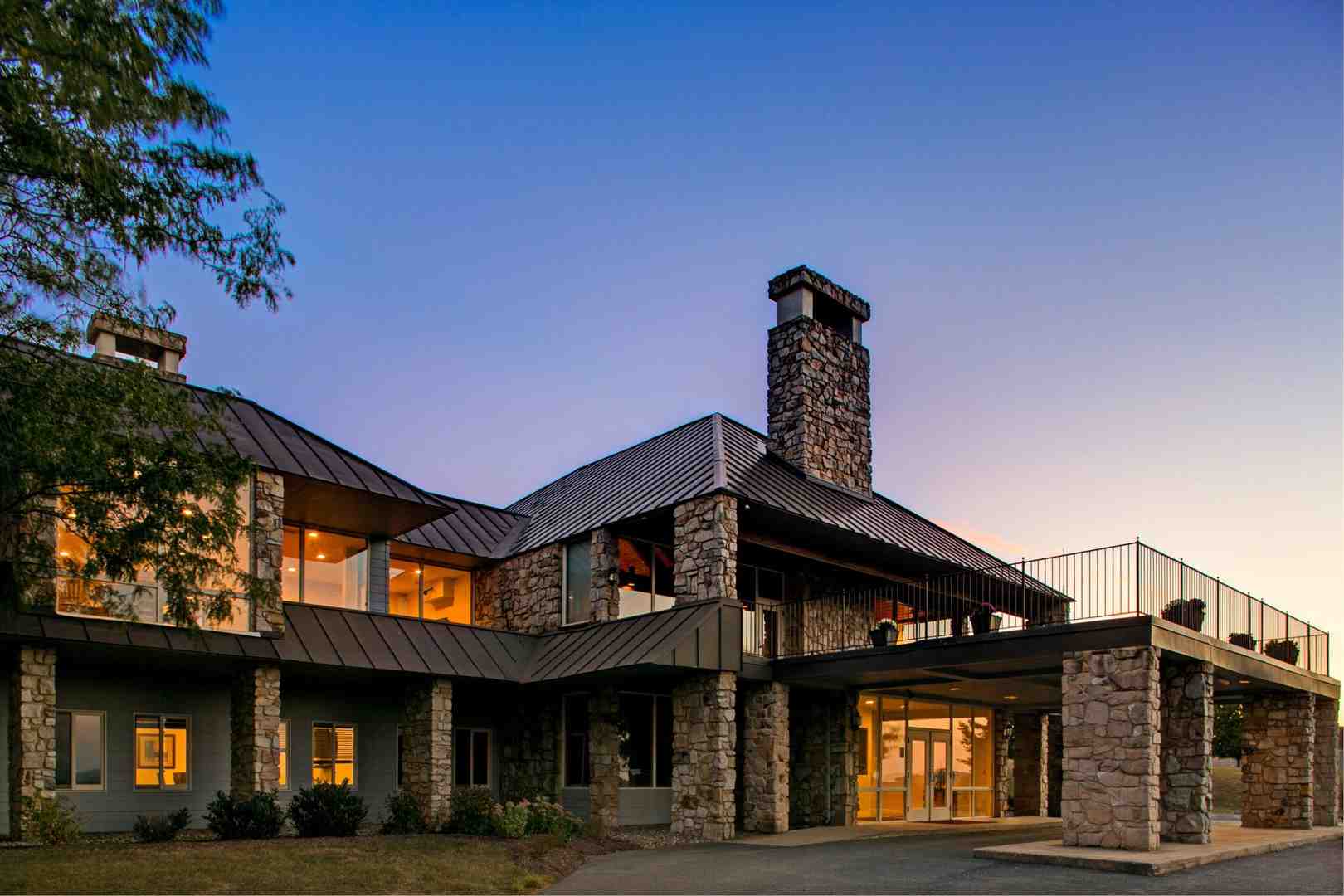
Not all alcohol rehab centers are created equal. Here’s what we recommend looking for to ensure you’re choosing a high-quality facility:
- Accreditation and Licensure: Reputable centers will hold accreditations from organizations like CARF (Commission on Accreditation of Rehabilitation Facilities) or the Joint Commission. These accreditations signify that the facility meets rigorous standards for quality and safety. State licensure is also a non-negotiable requirement.
- Staff Credentials: Inquire about the qualifications and experience of the clinical staff, including doctors, therapists, nurses, and counselors. Look for licensed and certified professionals with expertise in addiction treatment.
- Personalized Treatment Plans: A quality center will conduct a thorough assessment and develop a customized treatment plan custom to your unique needs, rather than a generic approach.
- Evidence-Based Practices: As discussed earlier, ensure the center uses therapies and medications backed by scientific research.
- Aftercare Planning: Long-term recovery doesn’t end when you leave rehab. A good program will begin planning for your aftercare from day one, connecting you with resources for ongoing support.
- Positive Reviews and Outcomes: While individual experiences vary, positive testimonials and transparent information about patient outcomes can offer valuable insights.
For more detailed guidance on selecting a facility, consult our guide on how to choose a rehab center.
Local vs. Out-of-State Treatment
The decision of whether to seek treatment close to home or travel out of state is a personal one, with distinct pros and cons for each.
Pros of Staying Local (e.g., in California, New York, or Texas):
- Family Involvement: Proximity allows for greater family participation in therapy sessions and support groups, which is often crucial for healing the family system.
- Established Support Network: You can lean on existing friends, family, and community resources during and after treatment.
- Cost Savings: Reduced travel expenses and easier logistics can make local treatment more accessible.
- Continuity of Care: Easier transition back to your home environment and existing healthcare providers.
Pros of Traveling Out of State (e.g., from Nevada to a specialized center in another state):
- Fewer Triggers: A change of scenery can remove you from environments, people, and situations that trigger alcohol use, allowing for a fresh start.
- Increased Privacy: For some, traveling away offers a greater sense of anonymity and privacy, which can be particularly appealing for professionals or public figures.
- Access to Specialized Programs: Some unique or highly specialized programs might only be available in specific locations, making travel necessary to access the best fit.
- Focus on Self: Being away from daily responsibilities and familiar pressures can allow for a deeper focus on personal healing.
The best choice depends on your individual circumstances, the severity of your addiction, and your personal preferences. We can help you explore alcohol rehab centers near you or facilities further afield.
Finding Specialized Programs
Addiction affects people from all walks of life, and sometimes, a specialized approach is necessary. Many alcohol rehab centers offer programs custom to specific populations, recognizing that unique life experiences and challenges require targeted support. These might include:
- Veterans Programs: Designed to address the specific traumas and mental health challenges often faced by service members and veterans.
- Support for First Responders: Catering to the high-stress, demanding nature of their professions and the associated risk factors for addiction.
- LGBTQ+ Affirming Care: Providing a safe, inclusive, and understanding environment that addresses the unique social and psychological factors impacting the LGBTQ+ community.
- Programs for Professionals: Offering discreet, flexible, and career-conscious treatment options for doctors, lawyers, executives, and other professionals.
- Adolescent Rehab: Custom for younger individuals, focusing on developmental needs, family dynamics, and educational support.
- Gender-Specific Treatment: Creating single-gender environments that allow for open discussion of gender-specific issues without the distractions of mixed-gender groups.
Finding a program that understands and addresses your specific background can improve the effectiveness of treatment. Our resources on specialized alcohol rehab programs can guide you to these options.
Strategy 4: Steer Costs, Insurance, and Payment
The financial aspect of seeking help for alcohol addiction is often a major concern. We understand that navigating the costs of alcohol rehab centers and understanding your insurance coverage can feel daunting. However, financial planning and exploring all payment options are crucial steps toward making treatment affordable and accessible.
Understanding your policy and verifying your benefits before committing to a program can save you significant stress and expense. Our team at Drug Rehab Headquarters is here to help you with this complex process. Call us at 866-720-3784 for a free insurance verification; we’ll help you understand what your plan covers.
The Cost of Alcohol Rehab
The cost of alcohol rehab centers can vary widely depending on the level of care, duration, location, and amenities offered. While the average cost for a person in Maryland seeking substance abuse treatment is around $56,783, let’s look at some general estimates for 2025:
- Inpatient/Residential Programs: These are typically the most expensive due to 24/7 care, lodging, meals, and comprehensive services. In 2025, inpatient programs can average around $58,000 for a standard stay, though a 30-day stay in Maryland, for example, could cost around $18,927.60 without insurance.
- Outpatient Programs (PHP, IOP, OP): These are generally more affordable as they don’t include lodging. In 2025, intensive outpatient programs might average around $12,000 for a full course of treatment. A 30-day outpatient program in Maryland might cost approximately $1,701 without insurance.
While these figures might seem high, view treatment as an investment in your health and future. The consequences of untreated alcohol addiction—including health complications, job loss, legal issues, and damaged relationships—can far outweigh the cost of treatment. For instance, in Pennsylvania in 2025, the state documented 5,168 overdose-related fatalities, translating to approximately 14 lives lost each day. While not all are alcohol-related, this stark statistic highlights the severe risks of untreated substance use disorders. Investing in recovery is an investment in life itself.
Payment and Insurance Options
Fortunately, several options exist to help cover the cost of alcohol rehab centers:
- Private Health Insurance: Most private insurance plans (PPO, HMO) are mandated by law to cover at least a portion of addiction treatment costs. Many states, like Pennsylvania, have insurance parity laws, ensuring that addiction treatment is covered similarly to other medical conditions. We work with most major commercial insurances.
- Medicaid/Medicare: These government-funded programs provide comprehensive coverage for addiction treatment for eligible individuals. For example, Delaware’s Division of Substance Abuse and Mental Health (DSAMH) offers free addiction treatment services for individuals without health insurance or with inadequate coverage. Many of our listed states, including Maryland, accept Medicaid.
- State-Funded Programs: Many states offer publicly funded treatment programs or grants for individuals who lack insurance or have limited financial resources. Delaware, for example, provides public drug and alcohol treatment services primarily through contracts with private agencies.
- Sliding Scale Fees: Some treatment centers offer fees based on your income, making treatment more accessible.
- Financing Options: Many facilities offer payment plans or work with third-party lenders to help you finance your treatment.
It’s always best to contact the alcohol rehab center directly or call our helpline at 866-720-3784 to discuss your specific payment and insurance options. Our team can help you steer these complexities and verify your benefits. For more information, explore our page on insurance and payment options.
Strategy 5: Take Action and Plan for Lifelong Recovery
Starting the journey to recovery from alcohol addiction is a courageous step, but recovery is a lifelong process. It doesn’t end when you complete a rehab program; that’s just the beginning. The fifth smart strategy involves taking decisive action to start treatment and then diligently planning for ongoing support to build a strong foundation for sobriety. Building a robust support system and committing to relapse prevention are critical for sustaining sobriety. Research, including a systematic review and meta-analysis on long-term treatment efficacy, consistently shows that longer engagement in treatment and aftercare leads to better outcomes.
How to Start the Search for Alcohol Rehab Centers
The idea of finding an alcohol rehab center can be daunting, but there are clear steps you can take to begin your search:
- Contact a Helpline: Helplines, like our 24/7 confidential alcohol addiction hotline at 866-720-3784, are excellent first points of contact. Our compassionate specialists can provide immediate support, answer your questions, and guide you toward appropriate treatment options in your area, whether you’re in Florida, Georgia, or Washington.
- Consult a Doctor: Your primary care provider is an important resource. They can assess your drinking patterns, discuss potential health complications, and provide referrals to mental health professionals or alcohol rehab centers. They can also help determine if medical detox is necessary.
- Use Trusted Directories: Resources like the NIAAA Alcohol Treatment Navigator or SAMHSA’s Behavioral Health Treatment Services Locator can help you find alcohol rehab centers that meet quality standards. We also provide extensive listings for various states, including alcohol rehab centers in Georgia and our comprehensive drug and alcohol rehab California guide.
- Reach Out for Support: Talk to a trusted friend or family member. Having someone support you through the search process can make a significant difference.
Taking the first step is often the hardest, but it’s also the most empowering.
The Importance of Aftercare and Support Systems
After completing an initial alcohol rehab center program, whether inpatient or outpatient, aftercare becomes your lifeline to sustained sobriety. This continuing care is designed to help you transition back into daily life, manage triggers, and reinforce the skills learned in treatment. Key components of a robust aftercare plan include:
- Relapse Prevention Planning: Working with your treatment team to identify potential relapse triggers and develop strategies to cope with them effectively.
- Sober Living Homes: These provide a structured, substance-free environment for individuals transitioning from residential treatment, offering a supportive community as they regain independence.
- Family Support: Continued family therapy and education can help mend relationships and create a supportive home environment. Organizations like Al-Anon Family Groups offer invaluable support for loved ones affected by addiction.
- Peer Support Groups: These groups provide a sense of community, shared experience, and accountability. Popular options include:
- Alcoholics Anonymous (AA): A 12-step program focusing on spiritual principles and mutual support.
- SMART Recovery: A science-based program that teaches self-empowerment and self-reliance using cognitive behavioral therapy (CBT) and motivational tools.
- Other groups like LifeRing, Women for Sobriety, and Secular AA offer diverse approaches to peer support.
Consistent engagement in aftercare and a strong support system significantly reduces the risk of relapse and fosters long-term well-being. Recovery is a journey best traveled with others.
Your Path to Recovery Starts Today
Navigating alcohol rehab centers can feel overwhelming, but by employing these five smart strategies, you can approach the process with clarity and confidence. We’ve explored how understanding different levels of care, prioritizing evidence-based treatments, evaluating facility quality, managing costs, and planning for lifelong recovery are all crucial steps.
Recovery from alcohol use disorder is not just a possibility; it’s a reality for millions of people. Taking that first step, no matter how small, is the most powerful action you can take toward a healthier, happier future. We believe in your ability to heal and thrive.
Drug Rehab Headquarters is here to be your trusted resource, helping you steer your options and connect with the support you need. For confidential help and to explore your treatment path, call 866-720-3784 today, or learn more about your alcohol addiction rehab options.