
Why Finding Free Inpatient Rehab Can Change Your Life
Free inpatient rehab programs provide residential addiction treatment at no cost to individuals who cannot afford private care, funded through government programs, non-profit organizations, and community support. Here’s how to access free inpatient rehab:
Quick Access Guide:
- Contact your primary care provider for a referral to government-funded treatment centers
- Provide proof of residency and income to verify eligibility
- Expect wait times of 3-6 months for admission to publicly funded programs
- Explore state-funded options through local health departments and social services
- Consider non-profit centers that offer sliding scale or no-cost programs
The financial burden of addiction treatment, with private rehab costing $10,000 to $25,000 for a 30-day stay, stops many from seeking help. But you don’t need money for life-saving treatment. Free inpatient rehab centers, funded by government programs and charities, exist nationwide. Research shows that 75% of adults overcome their addiction, proving recovery is possible regardless of cost.
Wait times for free programs can be 3-6 months and amenities are basic, but the core treatment is effective. It includes medically supervised detox, evidence-based therapies like CBT, group counseling, and relapse prevention. Success depends on program completion and aftercare, not luxury.
The path to free treatment usually starts with a healthcare provider referral and requires demonstrating financial need. While the application process requires patience, the alternative—continued addiction—is far more costly.
At Drug Rehab Headquarters, we’ve helped thousands of individuals steer the complex landscape of free inpatient rehab options, connecting people with quality treatment regardless of their ability to pay. This guide will walk you through everything you need to know about finding, qualifying for, and accessing free inpatient addiction treatment.
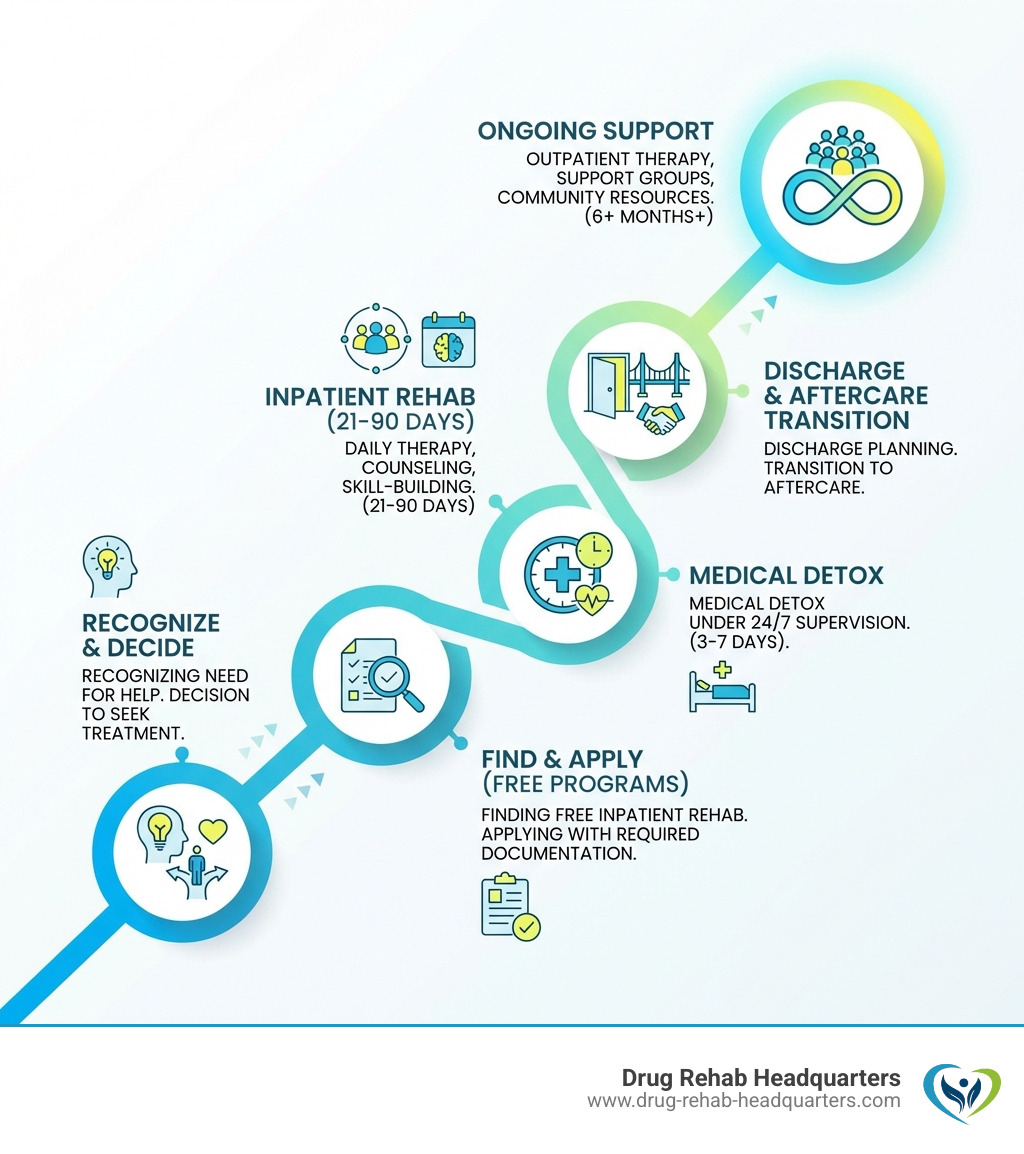
Free inpatient rehab terms explained:
Understanding Free Inpatient Rehab Options
When we talk about free inpatient rehab, we’re referring to residential treatment programs that offer comprehensive addiction care without charging the patient directly. These programs are vital for individuals and families who are struggling with substance use disorder but face significant financial barriers to accessing care. The funding that makes these programs possible comes from a variety of sources, primarily government initiatives, non-profit organizations, and community efforts.
Government funding, whether federal, state, or local, plays a crucial role in establishing and maintaining many of these facilities. This can include federal block grants allocated to states for substance abuse treatment, as well as state-specific programs like Medicaid, which covers treatment for eligible low-income individuals. Non-profit organizations often supplement these efforts, relying on charitable donations and grants to provide services. These organizations are driven by a mission to help, ensuring that the cost of care doesn’t stand in the way of recovery.
Understanding these funding mechanisms is the first step toward finding a suitable program. For more on the costs of treatment and finding affordable options, you can refer to The Price of Recovery: Understanding Rehab Costs and Finding Free Options.
Here’s a quick comparison to help illustrate the differences between free inpatient rehab and paid options:
| Feature | Free Inpatient Rehab | Paid Inpatient Rehab |
|---|---|---|
| Cost | $0 for eligible patients | Typically $10,000 – $25,000+ per month |
| Wait Times | Often 3-6 months, can be longer | Usually 3-7 business days, immediate admission possible |
| Amenities | Basic, focusing on essential care (e.g., shared rooms) | Varied, from comfortable to luxury (e.g., private rooms, gourmet meals, spa) |
| Program Customization | More standardized, often 12-step based | Highly individualized, diverse therapeutic approaches |
| Staff-to-Patient Ratio | Higher (e.g., 10:1) | Lower (e.g., 3:1), more individualized attention |
How Free Inpatient Rehab Differs from Paid Options
While the fundamental goal of both free and paid inpatient rehab is recovery, they differ in their operational models, largely due to funding.
- Program Duration and Customization: Free programs often have fixed, shorter durations (e.g., 21 days) and standardized, evidence-based treatment plans using models like 12-Step and CBT. This optimizes resources. In contrast, private options offer flexible stays (14-90+ days) and highly customized therapy plans. Research suggests longer programs (60-90 days) generally have higher success rates.
- Amenities and Environment: Free programs focus on a safe, structured environment with basic amenities like shared rooms. They foster a strong sense of community but typically have higher patient-to-counselor ratios (e.g., 10:1). Private centers provide more comforts, from private suites to specialized therapies, and lower staff ratios (e.g., 3:1) for more individual attention.
- Aftercare Limitations: While aftercare planning is crucial, free programs might have more limited resources, often relying on referrals to community-based support groups. Private centers frequently provide more extensive support, such as alumni networks and long-term recovery coaching.
The Role of Public and Community Funding
The existence of free inpatient rehab centers is a testament to the commitment of various public and community entities to address the widespread issue of addiction. These programs are not “free” in the sense that they cost nothing, but rather that the cost is covered by external sources, making them accessible to those who cannot pay out-of-pocket.
Public Assistance Programs: At the forefront are public assistance programs like Medicaid, which provides health coverage for millions of low-income Americans. For eligible individuals, Medicaid can cover the full cost of medically necessary addiction treatment, including inpatient rehab. Additionally, many states operate their own substance abuse treatment agencies that receive federal block grants and state appropriations to fund programs for uninsured or underinsured residents.
Federal Grants: The Substance Abuse and Mental Health Services Administration (SAMHSA) is a key federal agency that provides grants and funding to states and local organizations to improve the quality and availability of substance abuse prevention and treatment services. These grants are instrumental in supporting many free inpatient rehab initiatives across the country.
State and Local Health Departments: These departments often serve as direct providers or administrators of state-funded addiction treatment services. They can guide individuals to local resources, conduct assessments, and manage waitlists for publicly funded programs. They are excellent first points of contact when seeking information about local options.
Community Fundraising and Charitable Organizations: Beyond government support, a significant portion of free inpatient rehab services are sustained by the dedication of non-profit organizations and community groups. These organizations raise funds through donations, grants, and community events to operate their facilities and offer services at no cost or on a sliding scale. Their mission-driven approach ensures that compassionate care is available to those who need it most, regardless of their financial situation.
The impact of this funding is profound. It directly influences the capacity of these centers, the types of services they can offer, and the eligibility criteria for admission. By pooling resources and focusing on underserved populations, public and community funding creates a critical safety net, ensuring that addiction treatment is a right, not a privilege. To explore more state-funded options, you can visit Find a State-Funded Drug and Alcohol Rehab Near You.
What to Expect from a Free Inpatient Rehab Program
While the amenities might be basic compared to luxury private facilities, the core components of a free inpatient rehab program are designed to provide comprehensive and effective treatment. Our goal is to offer a structured, supportive environment where individuals can focus entirely on their recovery, free from the distractions and triggers of their daily lives.

A typical day in free inpatient rehab is highly structured, fostering discipline and new routines. It often begins early, with activities planned throughout the day, including:
- Medical Detoxification: For many, the first critical step is medical detox. This involves safely removing addictive substances from the body under 24/7 medical supervision. This phase is crucial for managing potentially dangerous withdrawal symptoms, which can last 5-7 days. The average cost of detox is typically $1000-$1500 unless government funded, highlighting the value of free programs.
- Withdrawal Management: During detox, medications may be administered to ease withdrawal symptoms, ensuring a more comfortable and safer process. The medical team monitors vital signs and addresses any complications.
- Daily Routines: Expect a consistent schedule that includes group therapy, individual counseling, educational workshops, meals, and designated time for reflection or recreational activities. This structure helps build healthy habits and provides a sense of stability.
- Therapeutic Environment: The entire facility is designed to be a therapeutic space, free from drugs and alcohol. Peer support is a cornerstone, as residents share their experiences and encourage one another.
- Relapse Prevention Skills: A significant focus is placed on teaching coping mechanisms, identifying triggers, and developing strategies to prevent relapse once you leave the program. This includes practical skills for managing stress, resolving conflict, and building a supportive network.
Core Addiction Services and Therapies
The services and therapies offered in free inpatient rehab are rooted in evidence-based practices, aiming to address the multifaceted nature of addiction.
- Medically Supervised Detox: As mentioned, this is often the initial phase, ensuring a safe and managed withdrawal from substances. The medical team provides necessary care and comfort.
- Individual Counseling: Patients engage in one-on-one therapy sessions with a trained counselor. These sessions allow for a personalized exploration of the underlying causes of addiction, development of coping strategies, and setting individual recovery goals.
- Group Therapy: This is a cornerstone of most inpatient programs. Group sessions provide a platform for peer support, shared experiences, and collective healing. Participants learn from others, practice communication skills, and develop a sense of belonging.
- Family Therapy: Where appropriate and available, family therapy sessions involve loved ones in the recovery process. This can help mend strained relationships, educate family members about addiction, and establish a supportive home environment for post-treatment.
- Behavioral Therapies: These are widely used and highly effective.
- Cognitive Behavioral Therapy (CBT): Helps individuals identify and change negative thought patterns and behaviors that contribute to substance use.
- Dialectical Behavior Therapy (DBT): Focuses on emotional regulation, distress tolerance, interpersonal effectiveness, and mindfulness, particularly beneficial for those with co-occurring mental health issues.
- Motivational Interviewing (MI): A client-centered approach that helps individuals explore and resolve ambivalence about behavior change, building their intrinsic motivation for recovery.
- 12-Step Facilitation: Many free programs incorporate the principles of 12-Step programs like Alcoholics Anonymous (AA) and Narcotics Anonymous (NA), providing a framework for spiritual and personal growth and connecting individuals to a broader recovery community.
Addressing Co-Occurring Mental Health Disorders
Addiction rarely exists in isolation. A significant portion of individuals struggling with substance use disorders also experience co-occurring mental health conditions, often referred to as a “dual diagnosis.” In fact, research indicates that approximately 50% of people with substance use disorders have dual diagnoses. Common mental health conditions that might co-occur with addiction include anxiety disorders, depression, PTSD, and bipolar disorder.
Free inpatient rehab programs are increasingly equipped to address these complex needs through an integrated treatment approach. This means that both the addiction and the mental health disorder are treated simultaneously, rather than in isolation, leading to better long-term outcomes.
Key components of addressing dual diagnosis in these settings include:
- Psychiatric Evaluation: Upon admission, individuals typically undergo a comprehensive psychiatric evaluation to accurately diagnose any underlying mental health conditions. This assessment helps tailor a treatment plan that addresses all aspects of their well-being.
- Medication Management: For individuals with diagnosed mental health disorders, medication may be a crucial part of their treatment. Psychiatrists within the program can prescribe and monitor psychotropic medications to help stabilize mood, reduce anxiety, or manage other symptoms.
- Integrated Therapy: Therapy sessions will often incorporate strategies that address both substance use and mental health. For instance, a therapist might use CBT to help an individual manage both cravings and symptoms of depression, or DBT to improve emotional regulation for someone dealing with both addiction and a personality disorder.
- Support for Anxiety and Depression: These are among the most common co-occurring conditions. Programs provide specific therapeutic interventions, coping skills, and support groups designed to help individuals manage anxiety and depression without resorting to substance use.
By adopting an integrated approach, free inpatient rehab centers aim to treat the whole person, understanding that true recovery involves healing both the mind and the body from the intertwined challenges of addiction and mental illness.
How to Qualify and Find Free Inpatient Rehab
Navigating the path to free inpatient rehab can seem daunting, but with the right information and guidance, it’s entirely achievable. The process often involves a clear application process, a referral system, and sometimes navigating waitlists.
Finding local resources is key, and we’re here to help you every step of the way. While the specific steps might vary slightly by state and program, the general pathway for accessing free inpatient rehab in the US typically involves demonstrating need and eligibility. Many resources, like Find Free Drug & Alcohol Rehab Centers Near You, can help you begin your search.
Eligibility Criteria for Free Inpatient Rehab
To ensure resources are allocated to those most in need, free inpatient rehab programs have specific eligibility criteria. These generally include:
- Proof of Residency: You typically must be a legal resident of the state or county where the program is located. This often requires providing documentation such as a driver’s license, utility bills, or other official records.
- Income Verification: A primary criterion for free programs is financial need. You will likely need to provide proof of income (e.g., pay stubs, tax returns, unemployment benefits statements) to demonstrate that you fall below a certain poverty line or lack the financial means for private treatment.
- Lack of Insurance or Underinsurance: Priority is often given to individuals who do not have health insurance or whose existing insurance coverage is insufficient to cover the costs of inpatient treatment.
- Clinical Assessment of Addiction Severity: A medical professional or addiction specialist will conduct a thorough assessment to determine the severity of your addiction and ascertain if inpatient care is the most appropriate level of treatment for your needs. This ensures that resources are used effectively.
- Priority Populations: Some programs prioritize specific populations due to higher vulnerability or specific funding mandates. These can include:
- Pregnant women with substance use disorders
- Parents with dependent children
- Veterans
- Individuals with severe co-occurring mental health disorders
- Injecting drug users
- Individuals recently released from incarceration
Meeting these criteria is essential for securing a spot in a free inpatient rehab program. We understand that gathering this documentation can be challenging, but our counselors are here to help guide you through the process.
Steps to Find and Access a Free Inpatient Rehab Center
Finding and accessing a free inpatient rehab center might require persistence, but the journey to recovery is worth every effort. Here are the steps we recommend:
- Contact your primary care provider or a local healthcare professional: Your doctor or a local clinic can be an excellent first point of contact. They can conduct an initial assessment, provide a referral to state-funded or non-profit programs, and help you understand your medical needs. If you need to Find a doctor near you, we can assist.
- Call the Drug Rehab Headquarters helpline: Our certified counselors are available 24/7 to offer personalized guidance. Many of our counselors have lived experience with addiction, providing compassionate and informed support. We can help you identify suitable, evidence-based, holistic treatment options in your area that align with your needs and financial situation.
- Use the Drug Rehab Headquarters online treatment locator: Our website provides a comprehensive tool to search for rehab centers across North America. Filter your search to find free or low-cost inpatient options in your state.
- Check with local social services or county health departments: These government agencies often have detailed lists of free or low-cost addiction treatment programs available in your community. They can also provide information on eligibility requirements and application procedures for state-funded initiatives.
- Visit FindTreatment.gov: This is a confidential and anonymous resource provided by the US government (SAMHSA) for persons seeking treatment for mental and substance use disorders in the United States and its territories. It allows you to search for facilities by location and type of service.
- Inquire about grants and scholarships: Some non-profit organizations, community groups, and even specific rehab centers offer grants or scholarships that can cover the cost of treatment for eligible individuals. Don’t hesitate to ask about these options when contacting centers.
You don’t have to steer this alone. We are committed to helping you find the right path to recovery.
Frequently Asked Questions about Free Rehab
We understand that seeking free inpatient rehab comes with many questions. Here, we address some of the most common concerns to help you feel more informed and prepared.
How long is the average wait time for free inpatient rehab?
Wait times are a significant factor to consider when seeking free inpatient rehab. While private facilities can often admit patients within days, government-funded and non-profit free programs typically have a waiting list.
- Factors Influencing Wait Times: Several elements contribute to these delays, including:
- Funding Availability: Limited budgets mean fewer beds and staff.
- Program Capacity: The number of available spots is often lower than the demand.
- Demand: High rates of addiction in a community lead to longer lists.
- State Regulations: Policies can impact how quickly admissions can occur.
- Priority Populations: As mentioned, certain groups may receive expedited admission, which can mean longer waits for others.
- Average Duration: Research suggests that wait times for government-funded programs can average 3-6 months, and sometimes even longer depending on the state and specific program.
- How to Manage While Waiting: It’s crucial to stay engaged in some form of support while on a waitlist. This might include attending local support groups (like AA or NA), engaging in outpatient counseling if available, utilizing crisis hotlines, or exploring harm reduction strategies. Maintaining contact with the facility and your referring healthcare provider is also important.
- Priority Admissions: If your situation is critical (e.g., severe overdose risk, pregnant), you might be prioritized. Ensure your healthcare provider clearly communicates the urgency of your need.
What if I don’t qualify for free rehab or can’t wait?
If you find that you don’t meet the strict eligibility criteria for free inpatient rehab or if the wait times are simply too long for your urgent needs, don’t lose hope. There are still many avenues to pursue affordable and accessible treatment.
- Sliding Scale Fees: Many non-profit and community-based treatment centers offer services on a sliding scale. This means the cost of treatment is adjusted based on your income and ability to pay, making it significantly more affordable than fixed-price private programs.
- Insurance Options:
- Medicaid: If you have a low income, check if you qualify for Medicaid in your state. Medicaid often covers comprehensive addiction treatment, including inpatient rehab, for eligible individuals.
- Medicare: For individuals 65 and older or those with certain disabilities, Medicare can cover medically necessary inpatient hospital stays for alcohol detoxification and rehabilitation. Coverage typically requires that the care is deemed medically necessary in an inpatient setting, and that less intensive options have been unsuccessful.
- Private Insurance: Thanks to the Affordable Care Act (ACA) and the Mental Health Parity and Addiction Equity Act (MHPAEA), most health insurance plans are required to cover addiction treatment to the same extent as other medical conditions. We can help you understand your policy’s benefits. Check out our guide on Does Insurance Cover Rehab? to learn more.
- Payment Plans: Many treatment centers, both private and non-profit, are willing to work with patients to establish manageable payment plans, allowing you to pay for services over time.
- Medical Loans and Credit: As a last resort, medical loans or personal lines of credit can help cover treatment costs. Some treatment centers partner with lending institutions to offer specialized financing options.
- Grants and Scholarships: As mentioned earlier, explore grants and scholarships from non-profit organizations or even the facilities themselves.
The cost of treatment shouldn’t be a barrier to recovery. For a deeper dive into understanding treatment costs, refer to Cost of Rehab.
Is free rehab as effective as paid rehab?
This is a common and understandable question. The effectiveness of any rehab program, whether free or paid, ultimately depends more on the individual’s commitment to recovery and the quality of the clinical care provided, rather than the price tag.
- Success Factors: Research consistently shows that the most critical factors for successful recovery include:
- Program Completion: Individuals who complete their treatment programs have significantly higher success rates. Studies indicate success rates between 50% and 68% for those who complete inpatient treatment, compared to 35% to 45% for outpatient treatment.
- Motivation: A strong personal desire and motivation to achieve sobriety are paramount. A highly motivated individual will benefit immensely from any quality program.
- Engagement in Aftercare: Long-term recovery is heavily reliant on consistent engagement in aftercare services, support groups, and ongoing therapy once the inpatient phase is complete.
- Inpatient Treatment Effectiveness: Regardless of cost, inpatient treatment generally has a higher success rate than outpatient treatment. This is primarily because it removes individuals from their triggering environments, provides 24/7 professional care, and offers an immersive, structured therapeutic setting. Inpatient treatment has a higher success rate than outpatient treatment due to this intensive, supportive environment.
- Quality of Care: While paid programs might offer more luxurious amenities or a wider variety of specialized therapies, free inpatient rehab centers are often staffed by dedicated professionals who provide evidence-based, compassionate care. The core therapeutic components—detox, individual and group therapy, and relapse prevention—are fundamental to both models.
The best rehab is the one that you can access, complete, and that motivates you to build a sober life. The most important thing is to get help.
Your Path to Recovery Starts Today
Recovery from addiction is not just a dream; it’s an achievable goal. We firmly believe that the cost of treatment should never be a barrier to obtaining life-saving care. Free inpatient rehab programs offer a guide of hope for countless individuals, providing the structured environment, professional support, and therapeutic tools needed to reclaim their lives.
Taking the first step is often the hardest, but it is undoubtedly the most important. You don’t have to face this journey alone. Our team at Drug Rehab Headquarters is here to offer compassionate, knowledgeable, and free support. We understand the challenges you face, and we are dedicated to helping you steer the options available, connecting you with the right resources, whether they are free, state-funded, or covered by insurance.
Your journey to a healthier, happier, and substance-free life can begin today. Don’t let financial concerns or the complexity of the process deter you. Contact us for 24/7 personalized guidance to find the right inpatient drug rehab for you. We are ready to help.