Your Path to Recovery Starts Here
Broward county detox centers offer critical first steps toward recovery, providing medically supervised detoxification, residential treatment, intensive outpatient programs, and specialized care for co-occurring mental health disorders. These facilities range from state-funded community centers like the Broward Addiction Recovery Center (BARC) to private treatment facilities, with options for every insurance type and budget.
Key Options in Broward County:
- Broward Addiction Recovery Center (BARC) – Joint Commission accredited, offers 24/7 detox (50 beds), residential treatment (93 beds), and sliding scale fees based on income
- Detox Services – Medically supervised withdrawal management, typically 3-7 days, with 24-hour nursing care
- Treatment Levels – Inpatient residential, Partial Hospitalization (PHP), Intensive Outpatient (IOP), and general outpatient programs
- Specialized Programs – Dual diagnosis treatment, medication-assisted treatment (MAT), perinatal programs for pregnant women
- Payment Options – Private insurance, Medicaid, Medicare, sliding scale fees, and self-pay options
The statistics are sobering. In Broward County, approximately 1.42% of residents reported cocaine use, 0.26% reported heroin use, and 3.76% misused prescription pain relievers. Meanwhile, 27% reported monthly alcohol use and 8% engaged in binge drinking. These numbers represent real people—perhaps you or someone you love—who need professional help to break free from addiction.
The good news? Recovery is possible. With proper medical supervision during detox and comprehensive treatment that addresses both substance use and underlying mental health conditions, thousands of Broward County residents have successfully reclaimed their lives.
At Drug Rehab Headquarters, we’ve guided countless individuals and families through the overwhelming process of finding appropriate Broward county detox centers and treatment programs that match their specific needs, insurance coverage, and personal circumstances. Our mission is to cut through the confusion and connect you with quality care that offers real hope for lasting recovery.
The Reality of Substance Use in Broward County
Addiction is a pervasive issue that affects communities across Florida, and Broward County is no exception. Understanding the scope of the problem is the first step toward finding solutions and offering help. When we look at the numbers, we see that substance use disorders are a significant public health concern, impacting many lives.
According to annual averages from 2016, 2017, and 2018, the landscape of drug and alcohol abuse in Broward County reveals specific challenges:
- Cocaine Use: An estimated 1.42% of people in Broward County reported cocaine use. This highlights a persistent issue with stimulant abuse in the region.
- Heroin Use: Heroin use, though lower, was reported by 0.26% of the population. Even small percentages represent significant individual and community struggles.
- Prescription Drug Misuse: A more widespread concern, 3.76% of residents reported misusing prescription pain relievers. The opioid crisis has left its mark, and prescription drug misuse often acts as a gateway to other, more dangerous substances.
- Alcohol Use: Alcohol remains the most commonly used substance, with 27% of people reporting monthly alcohol use. A concerning 8% reported binge drinking during the same period. Alcohol use disorder (AUD) affects approximately 721,000 Floridians annually, underscoring the need for accessible alcohol detox centers.
These local statistics contribute to a broader state-wide picture. The National Institute on Drug Abuse reported a tragic 4,698 drug overdoses in Florida in 2018. These numbers are not just statistics; they represent lives lost, families shattered, and communities striving for healing. You can find more detailed information on drug abuse in Florida and Florida substance use data from reliable sources.
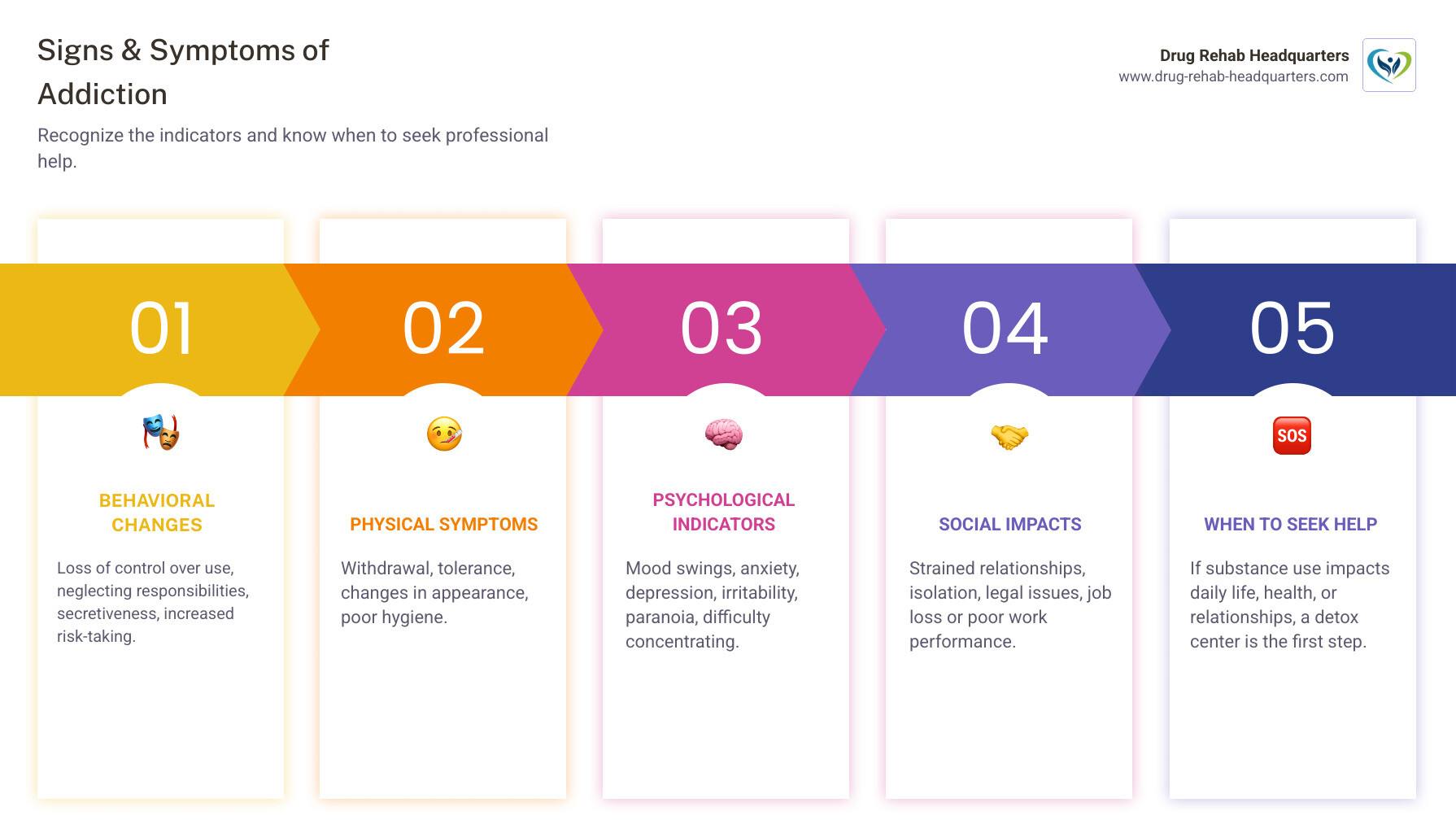
Recognizing the need for help is crucial. The signs and symptoms of drug and alcohol addiction can manifest in various ways, affecting a person’s physical health, mental well-being, relationships, and daily functioning. These can include:
- Behavioral Changes: Secretiveness, lying, sudden changes in friends or hobbies, neglecting responsibilities, engaging in risky behaviors.
- Physical Symptoms: Changes in appearance (unexplained weight loss or gain, poor hygiene), dilated or constricted pupils, slurred speech, tremors, or withdrawal symptoms when not using the substance.
- Psychological Indicators: Mood swings, irritability, anxiety, depression, paranoia, loss of interest in previously enjoyed activities, or an inability to control substance use despite negative consequences.
- Social Impacts: Strained relationships with family and friends, job loss, financial problems, or legal issues.
If you or a loved one are exhibiting these signs, it’s a clear indication that professional help is needed. The journey to recovery begins with acknowledging the problem and seeking the right support.
Understanding the Levels of Addiction Care
When starting on the path to recovery, it’s important to understand that addiction treatment is not a one-size-fits-all solution. It’s a continuum of care, designed to meet individuals at their specific point of need and guide them through various stages of healing. Our goal is to help you find personalized treatment that incorporates evidence-based therapies to address the unique challenges of your situation.

The different types of treatment programs available in Broward County are designed to provide comprehensive support, from the initial medical stabilization of detox to long-term aftercare. The typical durations for these different levels of addiction treatment vary, offering flexibility based on individual needs and progress.
The First Step: Medically Supervised Detox
For many struggling with substance use, the very first and often most critical step is medical detoxification, or “detox.” This is where the body is safely cleansed of drugs and alcohol under constant medical supervision. Withdrawal symptoms can be severe and even life-threatening, particularly with alcohol, opiates, and benzodiazepines. Medical detox ensures patient safety, manages discomfort, and prevents complications.
In Broward County, facilities like the Broward Addiction Recovery Center (BARC) offer dedicated medical detox services. BARC’s Triage and Detoxification Unit, for example, is a 50-bed center providing 24/7 medically managed detoxification with round-the-clock nursing supervision. This means a team of doctors, mid-level practitioners, and nurses are always on hand to monitor vital signs, administer FDA-approved medications to ease withdrawal, and provide comfort.
The typical duration for detox is generally short, lasting about 3 to 7 days. However, this can vary depending on the substance used, the duration and severity of addiction, and individual physiological factors. During this crucial period, patients also receive individual counseling, case management, and educational groups to prepare them for the next stages of their recovery journey. It’s a supportive environment designed to stabilize both body and mind. We understand the unique challenges of alcohol withdrawal, and can connect you with specialized alcohol detox centers and medical detox programs. For those struggling with opioid or prescription drug addiction, specialized drug detox and detox from prescription drugs services are also available.
Inpatient vs. Outpatient Treatment
Once detox is complete, or if detox isn’t medically necessary, individuals transition into the next phase of treatment. The primary distinction here is between inpatient (residential) and outpatient care. Understanding this difference is key to choosing the right environment for healing.
| Feature | Inpatient (Residential) Treatment | |
|---|---|---|
| Structure | Full-time residency at the facility. | Attends sessions at the facility while living at home. |
| Intensity | High; 24/7 supervision and structured schedule. | Varies; several hours a day, multiple days a week (IOP/PHP) or fewer hours (OP). |
| Living Situation | Resides at the treatment center. | Lives at home or in a sober living environment. |
| Ideal Candidate | Severe addiction, unstable home environment, co-occurring mental health issues requiring constant care, high risk of relapse, needs a strong break from triggers. | Stable home environment, strong support system, less severe addiction, able to manage daily responsibilities, stepping down from inpatient care. |
Intensive Outpatient Programs (IOP) and Partial Hospitalization Programs (PHP) are crucial components of outpatient care. PHPs offer more intensive, structured care than IOPs, often resembling a day treatment program where clients return home in the evenings. IOPs provide a step down from PHP or inpatient, offering several hours of therapy a few days a week. These programs allow individuals to integrate back into their daily lives while receiving consistent therapeutic support.
Choosing the right level of care depends on an individual’s medical and mental health history, the severity of their issues, and their treatment goals. Our counselors at Drug Rehab Headquarters can help assess your situation and guide you toward the most appropriate option, whether it’s inpatient drug detox or a less intensive outpatient program.
The Role of Medication-Assisted Treatment (MAT)
Medication-Assisted Treatment (MAT) is a powerful, evidence-based approach that combines FDA-approved medications with counseling and behavioral therapies. It’s a cornerstone of modern addiction treatment, particularly for opioid use disorder and alcohol use disorder.
The role of MAT is multifaceted:
- Reducing Cravings: Medications like buprenorphine and methadone (for opioid use disorder) or naltrexone and acamprosate (for alcohol use disorder) can significantly reduce cravings, making it easier for individuals to focus on therapy and recovery.
- Easing Withdrawal: MAT helps to alleviate the severe physical symptoms of withdrawal, making the detox process safer and more comfortable. This can prevent early relapse.
- Increased Abstinence Rates: Research consistently shows that MAT, when combined with therapy, leads to higher rates of long-term abstinence and reduces the risk of overdose.
Broward county detox centers and treatment facilities often integrate MAT into their programs. For example, BARC offers Medication-Assisted Treatment (MAT) as part of its comprehensive services, recognizing its effectiveness in supporting recovery. This approach acknowledges addiction as a chronic brain disease and provides a medical solution alongside therapeutic interventions.
Long-Term vs. Short-Term Programs
The duration of treatment is another critical factor in effective recovery. While short-term programs can provide a vital initial break from substance use, longer programs often offer more profound and lasting change.
- 30-Day Programs: These are often the first step after detox, providing an intensive, structured environment to stabilize, begin therapy, and develop initial coping skills. They are excellent for interrupting the cycle of addiction and initiating the recovery process.
- 60-Day Programs: Building on the foundation of a 30-day program, 60-day options allow for deeper engagement in therapy, further skill-building, and addressing more underlying issues.
- 90-Day Programs and Longer: These long-term programs are often considered the gold standard for sustained recovery. The benefits are significant:
- Building New Habits: It takes time to rewire the brain and establish healthy routines. 90 days provides ample opportunity to practice new coping mechanisms, communication skills, and self-care strategies.
- Addressing Root Causes: Longer durations allow for in-depth exploration of the psychological, emotional, and environmental factors contributing to addiction, such as trauma, mental health conditions, or family dynamics.
- Relapse Prevention Skills: More time in treatment means more practice in identifying triggers, developing relapse prevention plans, and building a robust support network.
- BARC’s residential treatment generally lasts about 60 days, providing a solid foundation for many individuals.
The “best” duration is highly individualized. What works for one person might not work for another. Our counselors can discuss these options with you, helping you weigh the benefits and find a program that aligns with your specific recovery goals.
How to Find Quality Broward County Detox Centers
Navigating the landscape of addiction treatment options can feel overwhelming, especially when you’re already dealing with the stress of addiction. Our mission at Drug Rehab Headquarters is to simplify this process, helping you make an informed choice and find a high-quality facility.
Finding a suitable detox center or addiction treatment facility in Broward County means vetting facilities carefully and asking the right questions. We understand that you want the best for yourself or your loved one, and we’re here to guide you through the process of selecting a facility that truly meets your needs.
What to Look for in Broward County Detox Centers
When choosing a rehab facility, quality is paramount. Here’s what we advise you to look for in high-quality Broward county detox centers:
- Accreditation: This is a key indicator of quality and patient safety. Look for facilities accredited by independent, non-profit organizations like The Joint Commission or CARF (Commission on Accreditation of Rehabilitation Facilities). The Joint Commission accreditation signifies a commitment to improving patient care and safety, ensuring the treatment center has met rigorous standards. For example, the Broward Addiction Recovery Center (BARC) is accredited by The Joint Commission, demonstrating its dedication to quality.
- State Licensing: Ensure the facility is fully licensed by the Florida Department of Children and Families (DCF). Licensing means the center adheres to state regulations for healthcare providers, guaranteeing a certain standard of care. BARC, for instance, is fully licensed by the Florida DCF.
- Staff Qualifications: A high-quality facility employs licensed and certified clinicians, including Licensed Mental Health Counselors (LMHC), Licensed Marriage and Family Therapists (LMFT), and Licensed Clinical Social Workers (LCSW). These professionals bring expertise and ethical practice to patient care.
- Individualized Treatment Plans: Effective treatment is never generic. Look for centers that develop personalized treatment plans custom to your specific needs, substance use history, co-occurring conditions, and life circumstances.
- Low Patient-to-Staff Ratio: A lower ratio often means more individualized attention, better supervision, and a more supportive environment, especially during critical phases like detox.
- Aftercare Planning: Recovery is a lifelong journey. A good facility will emphasize comprehensive aftercare planning, including referrals to sober living, outpatient therapy, support groups, and other community resources to support long-term sobriety.
Seeking treatment at accredited facilities offers numerous benefits. It means you’re choosing a provider that has voluntarily undergone a rigorous evaluation process, demonstrating a commitment to continuous improvement in service quality and patient safety. This commitment translates into better outcomes and a more reliable path to recovery.
The Importance of Dual Diagnosis Treatment
It’s increasingly recognized that addiction rarely exists in a vacuum. A significant number of individuals struggling with substance use disorders also have co-occurring mental health conditions, such as anxiety, depression, bipolar disorder, or trauma. This is known as a dual diagnosis.
- What is Dual Diagnosis Treatment? It’s an integrated approach where both the substance use disorder and the mental health disorder are treated simultaneously and holistically. Rather than treating one condition after the other, dual diagnosis treatment acknowledges their interconnectedness and addresses them concurrently.
- Why is it Important? For individuals with co-occurring mental health and substance use disorders, integrated treatment is crucial for several reasons:
- Improved Outcomes: Treating both conditions together leads to better long-term recovery rates. If one condition is left unaddressed, it can easily trigger a relapse in the other.
- Addresses Root Causes: Often, mental health issues contribute to substance use as a coping mechanism. Integrated treatment helps uncover and heal these underlying issues.
- Comprehensive Healing: It provides a more complete path to healing, fostering mental stability alongside sobriety.
Approximately 50% of people with substance use disorders have dual diagnoses, and two-thirds of individuals struggling with addiction also have co-occurring mental health needs. This highlights the critical need for facilities equipped to provide this specialized care. Many Broward county detox centers and rehabs, including BARC, offer services for co-occurring disorders like depression, anxiety, and trauma, administered by licensed and certified clinicians. For more in-depth information, you can refer to strategies for co-occurring disorders.
Finding Immediate Help and Resources
When you’re ready to seek help, knowing where to turn for immediate support is vital. Broward County offers several resources and hotlines to connect individuals with the help they need:
- 211 Broward: This is an invaluable resource for crisis intervention, information, and referrals to health and human services. You can contact them at 211 Broward for immediate assistance.
- Broward Behavioral Health Coalition (BBHC): As a managing entity contracted with the Department of Children and Families, BBHC plays a crucial role in coordinating behavioral health services in the county. They can provide guidance and referrals to various providers, including BARC. Visit their site at Broward Behavioral Health Coalition.
- Drug Free Broward: This initiative focuses on drug prevention and family resources, offering support and information for individuals and families affected by substance use. You can find more information at Drug Free Broward.
- Broward Addiction Recovery Center (BARC) Admissions: For direct access to BARC’s services, you can call their Admissions Department at 954-357-4851 to schedule an assessment. Their Medical Triage Unit for medical detoxification is available 24 hours a day, seven days a week. For general program information, call 954-357-4880.
- Local Hotlines: That many facilities also offer their own helplines for immediate inquiries and admissions.
You don’t have to face this alone. These resources are designed to provide support, guidance, and a pathway to recovery when you need it most.
Paying for Treatment and Accessing Public Services
One of the most common concerns when considering addiction treatment is the cost. It’s natural to worry about how to afford quality care, but we assure you that numerous payment options and public services are available to make treatment accessible. Viewing treatment as an investment in health—an investment in a future free from addiction—can shift perspective and empower you to explore all possibilities.
Paying for Treatment at Broward County Detox Centers
Addiction treatment can be expensive, but there are various ways to cover the costs, ensuring that financial barriers don’t prevent you from getting the help you need.
- Private Insurance: Most private health insurance plans are required by the Affordable Care Act (ACA) to cover addiction treatment services. The extent of coverage depends on your specific policy, the treatment provider, and the type of services. Many Broward county detox centers accept a wide range of private insurance plans. We always recommend contacting your insurance provider directly to understand your benefits and coverage for in-network and out-of-network facilities.
- Medicaid: Medicaid is a state-based program that provides health coverage for lower-income individuals and families. It is the largest healthcare insurance program in the country and can cover a significant portion, if not all, of addiction treatment costs. BARC, for example, accepts Medicaid.
- Medicare: Medicare provides health insurance for individuals aged 65 and older, as well as younger people with certain disabilities. It can also help cover addiction treatment services, including inpatient and outpatient care. BARC accepts Medicare.
- Sliding Scale Fees: Many public and non-profit facilities, like BARC, offer services on a sliding scale basis. This means the cost of treatment is adjusted based on your income level and family size, making it more affordable for those without extensive insurance or financial resources.
- Payment Plans: Some facilities offer flexible payment plans, allowing you to pay for treatment in installments over time.
- Grants and Scholarships: Various organizations and treatment centers offer grants or scholarships to help individuals cover treatment costs. These often require an application process.
- Self-Pay: For those without insurance, self-pay is an option, though it can be costly. However, exploring sliding scale options, payment plans, and grants can significantly reduce this burden.
Always remember to verify your insurance coverage and discuss financial options directly with the admissions department of any facility you are considering.
Accessing Community-Based Services
Broward County is fortunate to have robust community-based services, with the Broward Addiction Recovery Center (BARC) playing a central role. BARC, overseen by the Broward County Human Services Department, is a prime example of a government-subsidized facility that offers high-quality, comprehensive care comparable to private institutions, making it an accessible option for many.
Let’s dig into what services BARC offers, as it’s a key resource for individuals seeking help in Broward County:
- Comprehensive Services: BARC provides a wide range of services to men and women aged 18 and older, addressing both substance use disorders and co-occurring mental health conditions like depression, anxiety, and trauma.
- Admissions Process: The Admissions Unit conducts substance use assessments seven days a week, from 7 AM to 9 PM (last assessment at 6 PM). The Medical Triage Unit for medical detoxification operates 24/7. To schedule an assessment, you can call 954-357-4851. Walk-ins are also seen if time permits.
- Detoxification Services: BARC’s Triage and Detoxification Unit is a 50-bed center, providing medically managed detox with 24-hour nursing supervision. These services are individualized to meet each person’s needs, including advocacy, assessment, evaluations, stabilization, individual counseling, case management, and educational groups.
- Residential Treatment: For those requiring a more structured environment, BARC offers residential treatment in a 93-bed facility, typically lasting about 60 days. This includes a specialized residential perinatal addiction program for pregnant women and a program for women with children under 8 years old.
- Outpatient Services: BARC provides various outpatient options, including Intensive Outpatient Programs (IOP) and general Outpatient Services. These are available at BARC Central (Fort Lauderdale), Edgar P. Mills Multi-Purpose Center (Fort Lauderdale), and South Regional Family Success Center Carver Ranches (Hollywood), operating Monday through Friday from 8:30 AM to 9 PM.
- Medication-Assisted Treatment (MAT): MAT is integrated into BARC’s services, helping to reduce cravings and ease withdrawal symptoms, combined with counseling for long-term recovery.
- Quality of Care and Patient Safety: BARC ensures quality of care and patient safety through its accreditation by The Joint Commission and licensing by the Florida Department of Children and Families (DCF). This means they adhere to stringent national and state standards for healthcare delivery, staffing, and patient outcomes. Their team comprises licensed and certified clinicians (LMHC, LMFT, LCSW) and medical professionals, ensuring expert and compassionate care.
- Financial Accessibility: BARC accepts many public, private, and commercial insurance plans, and for uninsured or underinsured individuals, fees may be available on a sliding scale basis.
- Community Support and Resources: BARC collaborates with the legal system, providing reports to probation/parole and conducting in-custody assessments, demonstrating its commitment to comprehensive community integration.
BARC is a vital component of the Broward county detox centers network, offering a comprehensive, accredited, and financially accessible pathway to recovery for many residents.
Take the Next Step on Your Recovery Journey
We understand that seeking help for addiction is a brave and often daunting decision. The journey to recovery is unique for everyone, but one thing remains constant: hope and healing are possible. Broward County offers a diverse landscape of detox and treatment options, from community-based programs like BARC to private facilities, each with its own strengths and specialties.
Whether you’re looking for medically supervised detox, inpatient residential care, flexible outpatient programs, or specialized dual diagnosis treatment, the resources are available. We’ve explored the critical role of medication-assisted treatment, the benefits of long-term programs, and the importance of choosing accredited facilities with qualified staff.
Professional guidance is key to navigating these choices. At Drug Rehab Headquarters, our certified counselors, many with lived experience in recovery, offer 24/7 free support. We provide personalized guidance to help you find suitable, evidence-based, and holistic treatment options. We’re here to cut through the confusion, answer your questions, and connect you with the right Broward county detox centers and rehabs that match your unique needs, insurance, and budget.
Don’t let the fear of the unknown hold you back from a healthier, happier future. Your path to recovery starts now. Let us help you find the right Florida rehab center for you.