
Your Path to Recovery Starts Here
Drug alcohol rehabs offer comprehensive care for substance use disorders, with multiple levels of care from medically supervised detox to residential treatment and outpatient programs. A critical component is dual diagnosis treatment, which addresses both addiction and co-occurring mental health conditions. According to 2025 data, approximately 50% of people with substance use disorders require this integrated approach.
Key Options for Finding Drug Alcohol Rehabs:
- Emergency Support: Call or text 988 for crisis support, or contact Drug Rehab Headquarters at 866-720-3784 for immediate guidance.
- Treatment Locators: Use directories like FindTreatment.gov to search by location, insurance, and treatment type.
- Levels of Care: Detox, residential/inpatient, intensive outpatient (IOP), partial hospitalization (PHP), and aftercare.
- Payment Options: Private insurance, Medicare/Medicaid, state-funded programs, sliding scale fees, and free/low-cost options.
- Dual Diagnosis Centers: Facilities offering integrated care for substance use and mental health conditions like depression, anxiety, and PTSD.
According to 2025 national data, among people aged 12 or older who needed substance use treatment, only about 1 in 5 actually received it. This treatment gap highlights the urgent need for accessible care.
If you’re reading this, you’ve taken a crucial first step. Whether you’re seeking help for yourself or a loved one in Nevada, Virginia, or anywhere in the U.S., understanding your options can feel overwhelming. The good news? Recovery is possible, and the right treatment makes all the difference.
Drug Rehab Headquarters connects individuals and families with effective drug alcohol rehabs custom to their unique needs. Our experienced team provides compassionate guidance and accurate information to help you choose the right path.
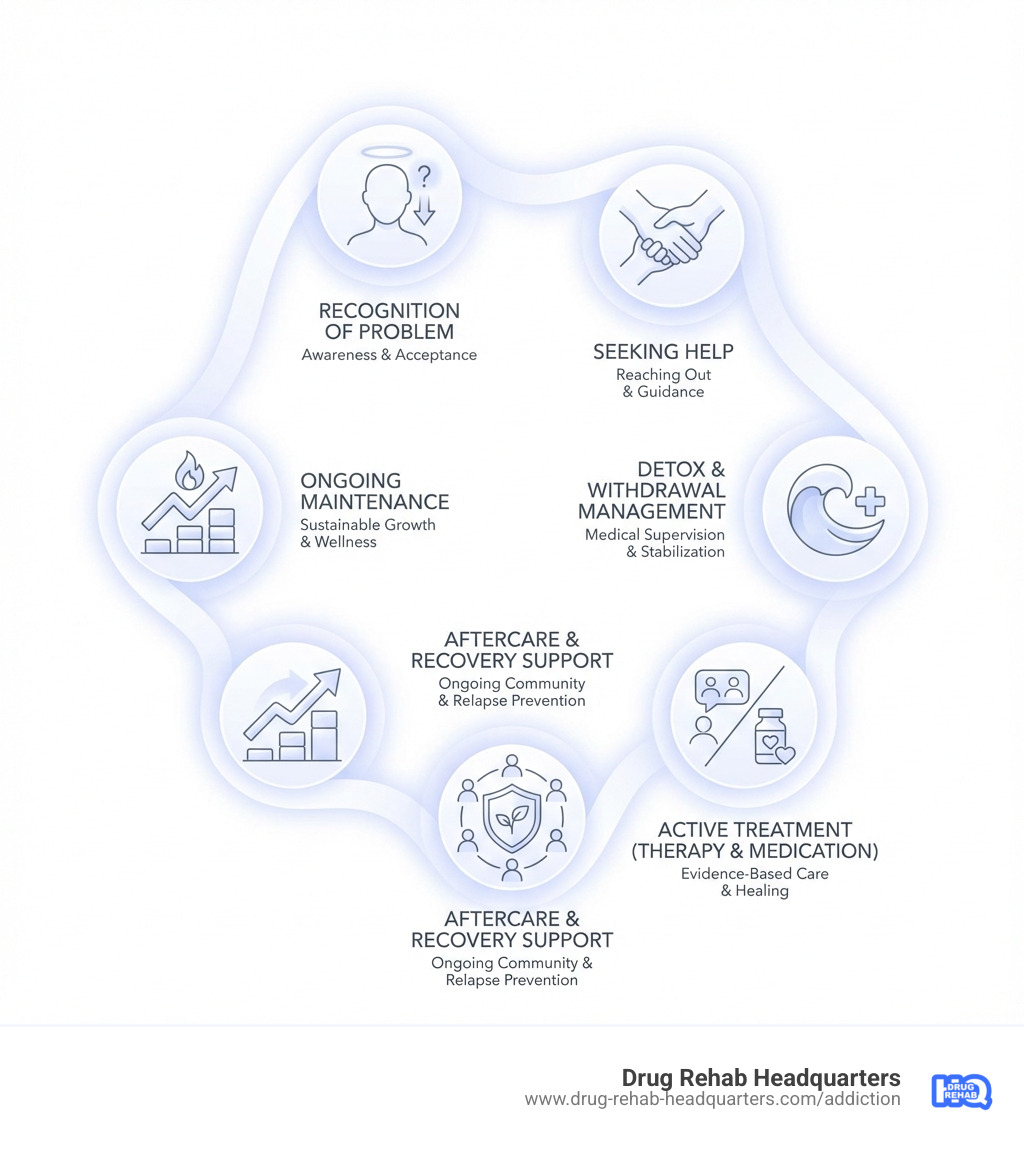
Understanding Addiction and the Importance of Dual Diagnosis
Addiction is a complex disease, not a moral failing. The first step toward healing is recognizing its signs and understanding the interplay between substance use and mental health—a combination known as dual diagnosis. Professional treatment is needed when substance use negatively impacts your life, work, or relationships, or when you experience withdrawal symptoms when trying to stop. You don’t have to face these challenges alone.
What is Dual Diagnosis Treatment?
Dual diagnosis, or co-occurring disorders, is the presence of both a substance use disorder and a mental health disorder. According to 2025 data, it’s incredibly common, affecting approximately 50% of people with substance use disorders. Many individuals with addiction also battle conditions like anxiety, depression, or PTSD.
Historically, these conditions were treated separately, leading to incomplete recovery. An integrated care approach addresses both issues simultaneously, recognizing they often fuel each other. For example, treating alcohol use without addressing the underlying anxiety that drives it is less effective. Our approach ensures both aspects of your health receive the attention they deserve. For more insights, explore why mental health treatment centers are in high demand and dig into scientific research on co-occurring disorders.
Recognizing the Need for Professional Help
Certain indicators can signal that it’s time to seek professional help. Look for these signs in yourself or a loved one:
- Behavioral Signs: Secretiveness about substance use, neglecting responsibilities, risky behaviors, sudden changes in social circles, or financial and legal troubles.
- Physical Symptoms: Changes in appearance (poor hygiene, weight changes), dilated or constricted pupils, frequent illness, tremors, or slurred speech.
- Psychological Indicators: Increased irritability, mood swings, paranoia, anxiety, depression, or loss of interest in once-enjoyed activities.
- Impact on Daily Life: Inability to stop or cut down on use, intense cravings, and spending significant time obtaining, using, or recovering from substances despite negative consequences.
If these signs resonate, it may be time for a professional evaluation. We encourage you to call us at 866-720-3784 for a free, confidential assessment. Our team is here to listen without judgment.
Navigating the Different Levels of Care in Drug Alcohol Rehabs
Addiction treatment isn’t a one-size-fits-all solution. Just like any medical condition, it requires a personalized approach with various levels of care designed to meet individual needs. From the moment someone decides to seek help, they start on a journey that might involve several stages, each offering a different intensity of support.

The duration of treatment depends on many factors: the severity of the addiction, the presence of co-occurring disorders, individual progress, and even insurance coverage. The National Institute on Drug Abuse (NIDA) emphasizes that remaining in treatment for the full duration yields better outcomes. Whether it’s a short-term rehab program or a longer commitment, the goal is always to equip you with the tools for lasting recovery.
Medically Supervised Detoxification
The first step for many individuals entering drug alcohol rehabs is detoxification. This is a medically supervised process crucial for safely managing withdrawal symptoms that can arise when the body stops using a substance it has become dependent on. Withdrawal symptoms can range from uncomfortable to life-threatening, especially with alcohol or benzodiazepine addiction.
- Purpose of Detox: To safely eliminate substances from the body and manage acute withdrawal symptoms.
- Managing Withdrawal: Medical professionals provide monitoring and, if necessary, medication to alleviate discomfort and prevent complications. For example, benzodiazepines are often used in alcohol detox to prevent seizures. You can learn more about what to expect with alcohol detox symptoms.
- Medical Supervision: 24/7 medical oversight ensures safety and comfort during this critical phase.
- Typical Duration: Detox usually lasts between 3 to 7 days, depending on the substance and the individual’s physiological response.
- Medication-Assisted Treatment (MAT): This involves using medications like Naltrexone, Acamprosate, or Disulfiram to help reduce cravings or prevent relapse, often integrated into detox and ongoing treatment.
For a deeper dive into this initial phase, explore our guide on inpatient drug detox.
Inpatient and Residential Treatment
Once detox is complete, or if detox isn’t required, many individuals transition into inpatient or residential treatment. This level of care provides a structured, immersive environment away from daily triggers, allowing for focused healing and personal growth.
- 24/7 Structured Care: Patients live at the facility, receiving round-the-clock support and supervision. This removes them from environments where substance use might be prevalent.
- Immersive Environment: The focus is entirely on recovery, with a daily schedule packed with therapeutic activities.
- Typical Duration: While it varies, residential rehab often lasts 28 days or more. Some individuals may benefit from longer stays depending on their needs.
- Therapeutic Modalities:
- Individual Therapy: One-on-one sessions with a therapist to explore root causes of addiction, develop coping strategies, and address co-occurring mental health issues.
- Group Therapy: Peer support and shared experiences are powerful tools. Group sessions foster community and allow individuals to practice new social skills.
- Holistic Approaches: Many programs incorporate therapies like yoga, meditation, art therapy, and music therapy to support overall well-being.
- Evidence-Based Treatments: Cognitive Behavioral Therapy (CBT), Dialectical Behavioral Therapy (DBT), and Motivational Interviewing (MI) are commonly used to help individuals change thought patterns and behaviors.
Inpatient drug rehab offers a safe haven where individuals can rebuild their lives with comprehensive support.
Outpatient Programs and Aftercare
For those with less severe addictions, or as a step-down from residential care, outpatient programs offer flexibility while continuing treatment.
- Intensive Outpatient Programs (IOP) & Partial Hospitalization Programs (PHP): These provide structured therapy for several hours a day, multiple days a week, allowing individuals to live at home or in a sober living environment. PHP is typically more intensive than IOP.
- Standard Outpatient: This offers the most flexibility, with fewer scheduled sessions per week, ideal for maintaining recovery while reintegrating into daily life.
- Flexibility & Continued Support: Outpatient options allow individuals to continue working, attending school, and caring for family while receiving vital treatment.
- Sober Living Homes: These residences provide a supportive, substance-free environment, bridging the gap between inpatient care and independent living. They help individuals practice newly learned coping skills in a real-world setting.
- Alumni Programs: Many drug alcohol rehabs offer alumni programs to provide ongoing support, community, and resources long after formal treatment ends. This continuous connection is vital for sustained sobriety.
Exploring your alcohol addiction rehab options means finding the right fit for your unique journey.
How to Pay for Treatment: A Guide to Your Financial Options
Cost is a major concern when seeking drug alcohol rehabs, but financial barriers shouldn’t prevent you from getting help. Numerous options can make treatment affordable and accessible.
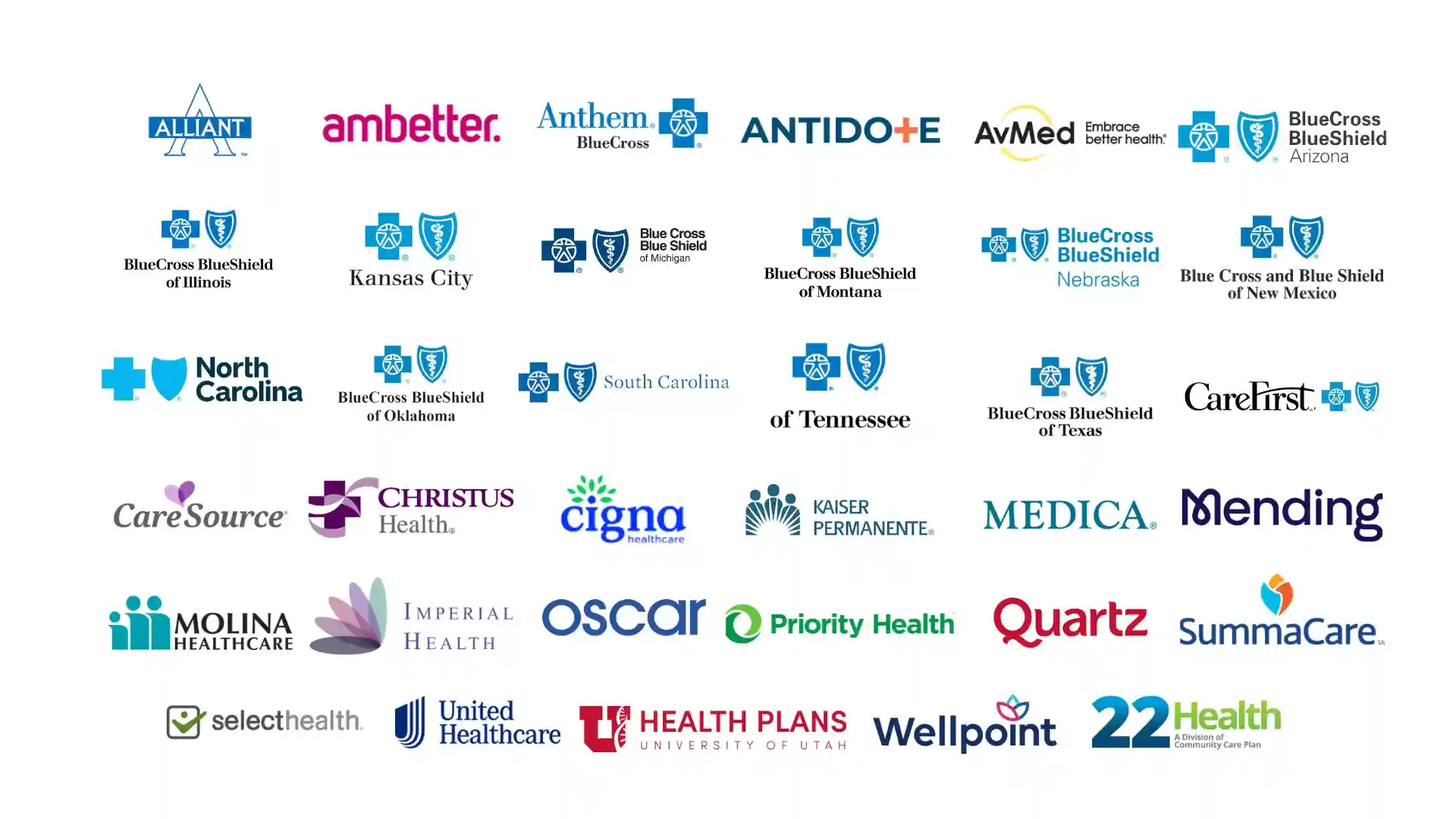
Using Insurance and Benefits
Thanks to the Affordable Care Act (ACA), many health insurance plans cover substance use disorder treatment. This has significantly expanded access to care.
- Private Insurance: Most private plans offer some level of coverage. Call us at 866-720-3784 for a free, confidential insurance verification. Our team can explain your policy’s deductibles, co-pays, and out-of-pocket maximums.
- Parity Laws: Mental health and substance use benefits are often required to be comparable to medical benefits.
- Options for Veterans: VA benefits can cover a wide range of SUD treatments for veterans, active-duty military, and eligible family members.
- COBRA: If you’ve recently lost your job, COBRA may allow you to continue your employer-sponsored health insurance to cover rehab.
Understanding State-Funded Drug Alcohol Rehabs
For those with limited resources or no insurance, state-funded drug alcohol rehabs offer free or low-cost services. These facilities are supported by government funds and serve individuals who meet eligibility criteria, often related to income and residency.
While these programs provide excellent, evidence-based care, they may have longer waitlists or fewer amenities than private facilities. It’s important to explore all options while awaiting a spot.
To find a state-funded program, you can:
- Contact your state’s substance use services agency. SAMHSA’s State Agencies directory can help.
- Inquire about Medicaid eligibility.
- Reach out to local community health centers.
- Call Drug Rehab Headquarters at 866-720-3784 for assistance.
Finding Free or Low-Cost Drug Alcohol Rehabs
Other resources can reduce the financial burden of treatment:
- Non-Profit Organizations: Many non-profits offer free or reduced-cost services.
- Faith-Based Programs: These programs can be very affordable or free.
- Sliding Scale Fees: Some facilities base treatment costs on your income.
- Grants and Scholarships: Organizations and treatment centers may offer financial aid.
Don’t let cost stop you. Call 866-720-3784 to explore payment options that fit your budget.
Finding Quality Rehab in Virginia: A Case Study
When seeking drug alcohol rehabs, especially in a specific region like Virginia, it’s vital to ensure you’re choosing a quality facility. The “best” rehab is truly one that meets your individual needs, but certain hallmarks of quality can guide your decision.
Accreditation is a key indicator of a facility’s commitment to high standards of care. Look for centers accredited by:
- CARF (Commission on Accreditation of Rehabilitation Facilities): This accreditation signifies that a program meets rigorous international standards for quality, effectiveness, and person-centered care.
- The Joint Commission: A voluntary process that evaluates healthcare organizations based on performance standards designed to improve quality and safety for patients.
When evaluating a center’s services, don’t hesitate to ask detailed questions about their treatment philosophy, staff credentials, and success measurement.
Featured Center: Drug Rehab Headquarters Partner Facility in Virginia
We are proud to partner with exceptional drug alcohol rehabs across the country, including those in Virginia. For instance, a premier partner facility in Virginia offers a comprehensive continuum of care designed for deep healing and long-term recovery.
Our Virginia partner facilities often provide:
- Detox: Medically supervised detox programs ensure safe and comfortable withdrawal from substances, often with 24/7 medical care and expert psychiatric oversight.
- Residential Treatment: Immersive residential programs offer a structured, supportive environment where individuals live on-site, focusing entirely on their recovery. These programs typically integrate individual and group therapy, life skills training, and holistic therapies.
- IOP (Intensive Outpatient Programs): For those transitioning from residential care or with less severe needs, IOPs provide intensive therapy while allowing clients to live at home.
- Specialized Programs: Many facilities offer custom programs, such as those for veterans or first responders, recognizing their unique needs and experiences. They also provide dual diagnosis treatment for co-occurring mental health conditions.
- Accepted Insurances: Our partner facilities typically work with a wide range of insurance providers, making treatment accessible. We can help verify your specific insurance coverage, including major commercial plans.
- Costs: Costs vary based on the level and duration of care, but our partners are committed to transparency and helping you understand your financial options.
To learn more about our trusted partner facilities in Virginia and how they can support your journey, call us at 866-720-3784.
Where to Find Dual Diagnosis Treatment in Virginia
Given that, according to 2025 data, approximately 50% of people with substance use disorders also have co-occurring mental health needs, finding integrated dual diagnosis treatment is paramount. In Virginia, as in all our service areas, we prioritize connecting individuals with programs that understand this crucial link.
Key features of a quality dual diagnosis program include:
- Integrated Treatment Teams: Professionals from both addiction and mental health fields work together, ensuring a holistic and coordinated approach to care.
- Individualized Therapy: Treatment plans are custom to address both the substance use disorder and the specific mental health condition(s) (e.g., anxiety, depression, PTSD).
- Medication Management: Access to psychiatrists for medication evaluation and management for mental health conditions, often alongside medication-assisted treatment (MAT) for addiction.
- Holistic Care: Incorporating therapies that support overall well-being, such as mindfulness, yoga, and art therapy, which can be particularly beneficial for managing mental health symptoms.
You can use Drug Rehab Headquarters’ online directory to find local options for dual diagnosis treatment in Virginia. We aim to connect you with facilities that offer comprehensive, integrated care to address all aspects of your health.
National Resources and How to Support a Loved One
Addiction impacts entire families and communities. Knowing how to support a loved one and where to find national resources are crucial parts of the recovery journey. Family support involves expressing concern without judgment, setting healthy boundaries, and avoiding enabling behaviors. It’s also vital for family members to seek their own support through groups like Al-Anon and Nar-Anon.
The Role of National Helplines and Resources
National resources provide essential guidance. SAMHSA (Substance Abuse and Mental Health Services Administration) leads public health efforts, offering data, publications, and information on evidence-based practices.
- National Helplines: Resources like SAMHSA’s National Helpline and the Veterans Crisis Line offer 24/7, free, confidential support and treatment referrals.
- Crisis Support: For immediate help, you can contact the 988 Suicide & Crisis Lifeline by calling or texting 988.
- Personalized Guidance: At Drug Rehab Headquarters, our dedicated helpline at 866-720-3784 provides personalized guidance, connecting you to appropriate drug alcohol rehabs.
How to Help Someone Struggling with Addiction
Watching a loved one struggle is overwhelming. Here’s how you can help:
- Express Concern Non-Judgmentally: Approach them with compassion, focusing on specific behaviors and their impact.
- Offer Support: Let them know you’re there to help them find solutions, like researching treatment options together.
- Consider a Professional Interventionist: If your loved one is in denial, an interventionist can facilitate a structured conversation to encourage treatment.
- Remember Self-Care: Supporting someone with an addiction is emotionally draining. Seek your own support through therapy or family support groups.
Frequently Asked Questions about Drug and Alcohol Rehab
Here are answers to some common questions about drug alcohol rehabs.
How long does rehab last?
The duration of rehab is highly individualized. It depends on the addiction’s severity, co-occurring disorders, individual progress, and level of care.
- Detox: Typically 3-7 days.
- Residential: Often 28 to 90 days or more.
- Outpatient: Can last for several months to a year.
The National Institute on Drug Abuse (NIDA) states that adequate treatment length is critical for success, with better outcomes generally linked to longer engagement. For more details, you can read about long-term rehab.
What happens after rehab is completed?
Recovery is an ongoing journey. Aftercare is crucial for sustaining sobriety.
- Aftercare Plan: A comprehensive plan is created before you leave treatment, outlining continued support.
- Ongoing Support: This often includes continued therapy, participation in support groups (like AA or NA), and living in a sober living home.
- Alumni Programs: Many drug alcohol rehabs offer alumni programs for a continued support network.
- Relapse Prevention: You will continue to build on strategies to identify triggers and use healthy coping skills.
Can I lose my job for attending rehab?
Legal protections are in place for those seeking treatment. Concerns about employment should not be a barrier to getting help.
- FMLA and ADA: The Family and Medical Leave Act (FMLA) may provide up to 12 weeks of unpaid, job-protected leave for treatment. The Americans with Disabilities Act (ADA) protects individuals with a history of addiction from workplace discrimination.
- Confidentiality (HIPAA): Your medical information is protected, and your employer cannot disclose your participation in rehab without your consent.
- Employer Communication: While not always required, honest communication can foster support. Many employers are willing to work with employees seeking help.
We recommend discussing your rights with an HR representative or legal professional if you have concerns.
Conclusion: Take the First Step Towards a New Life
Starting on the path to recovery is one of the most courageous decisions you can make. It’s a journey, not a destination, filled with challenges and triumphs, but ultimately leading to a life of renewed purpose and well-being. Effective treatment is not just available; it’s within your reach. For those navigating the complexities of co-occurring mental health conditions, dual diagnosis care is a key for lasting success, offering integrated support that addresses all aspects of your health.
Hope and healing are not just possibilities; they are realities waiting to be acceptd. At Drug Rehab Headquarters, we understand the immense courage it takes to seek help, and we are here to guide you every step of the way. Our mission is to connect you with the right drug alcohol rehabs that align with your unique needs, whether you’re in Virginia, Nevada, or any of our service locations.
Don’t let uncertainty or fear hold you back from the brighter future you deserve. Recovery is possible, and a fulfilling life free from the grip of addiction awaits. Call our 24/7 helpline at 866-720-3784 to find the right drug alcohol rehab for you or your loved one.