
Why Finding the Right Alcohol Rehab Center Matters
Top rated alcohol rehab centers offer specialized, evidence-based treatment programs designed to help individuals overcome alcohol addiction through medical detox, therapy, and comprehensive aftercare. These facilities are distinguished by accreditation, qualified staff, individualized treatment plans, and proven success in supporting long-term recovery.
Quick Guide to Top Rated Centers:
| Key Factor | What to Look For |
|---|---|
| Accreditation | CARF or Joint Commission certification |
| Treatment Approach | Evidence-based therapies (CBT, DBT) plus holistic options |
| Staff Credentials | Licensed therapists, medical doctors, addiction specialists |
| Dual Diagnosis | Treats co-occurring mental health conditions |
| Levels of Care | Detox, inpatient, outpatient (PHP/IOP), aftercare |
| Success Indicators | High ratings, positive reviews, transparent outcomes |
For many people struggling with alcohol addiction, the hardest part isn’t admitting they need help—it’s figuring out where to go. With over 14,500 licensed rehab centers in the U.S. alone, the options can feel overwhelming. Some facilities offer luxury amenities with price tags exceeding $30,000 per month, while others provide sliding scale payments or accept Medicaid. Some specialize in detox and medical supervision, while others focus on long-term residential care or flexible outpatient programs.
The truth is, not all rehab centers are created equal. A facility that’s perfect for one person might be completely wrong for another. The “top rated” designation depends on clinical excellence, accreditation, qualified staff, evidence-based treatment approaches, and most importantly—whether the program fits your specific needs, circumstances, and budget.
This guide cuts through the noise. We’ve reviewed research on thousands of facilities, analyzed what actually makes a center effective, and identified the key factors you need to consider. Whether you’re seeking help for yourself or a loved one, you’ll learn what questions to ask, what red flags to avoid, and how to match your unique situation with the right treatment program.
At Drug Rehab Headquarters, we’ve dedicated ourselves to helping individuals and families steer the complex world of top rated alcohol rehab centers by providing accurate, comprehensive information about treatment options, costs, and recovery support. Our mission is to connect you with the right care so you can focus on what matters most—getting well.
Decoding “Top-Rated”: Key Factors for Choosing an Alcohol Rehab Center
When searching for top rated alcohol rehab centers, it’s easy to get lost in a sea of marketing claims. Wanting the best care for yourself or a loved one means looking beyond surface-level appeals. The true measure of a top-rated center lies in its commitment to clinical excellence, its dedicated staff, the effectiveness of its treatment programs, and its ability to provide truly individualized care.
We believe every person’s journey to sobriety is unique, and the ideal rehab center should reflect that. This section explains the critical factors for finding suitable, evidence-based, and holistic treatment options. For more information about various treatment options, explore our guide on Addiction Treatment. If you’re ready to take the next step, don’t hesitate to Contact Drug Rehab Headquarters for Support.
What Defines Top Rated Alcohol Rehab Centers?
Top rated alcohol rehab centers distinguish themselves through a blend of rigorous standards and compassionate care. Here’s what truly sets them apart:
- Accreditation and Licensing: A non-negotiable first step. We look for centers accredited by reputable organizations such as the Commission on Accreditation of Rehabilitation Facilities (CARF) or The Joint Commission. CARF accreditation, for instance, is a “gold standard” for excellence, signifying a commitment to quality. These accreditations mean a facility has met stringent national standards for treatment, safety, and ethical practices.
- Qualified and Experienced Staff: The people delivering care are paramount. Top rated alcohol rehab centers employ licensed therapists, medical doctors, nurses, psychiatrists, and addiction specialists. Many of our certified counselors have lived experience, bringing invaluable empathy to their guidance. We seek centers with staff who are not only highly educated but also deeply dedicated and compassionate.
- Evidence-Based Treatment Approaches: Effective treatment isn’t based on guesswork. We prioritize centers that use therapies proven by scientific research to be effective for alcohol addiction. These include various behavioral therapies, medication-assisted treatment (MAT) when appropriate, and other modalities with a solid foundation in clinical outcomes.
- Dual-Diagnosis Capabilities: Many individuals struggling with alcohol addiction also grapple with co-occurring mental health conditions like depression, anxiety, or PTSD. This is known as a dual diagnosis. Top rated alcohol rehab centers understand that treating both the addiction and the underlying mental health issues simultaneously is crucial for lasting sobriety. They integrate mental health services directly into their addiction treatment plans, ensuring a holistic approach to healing. Underlying mental health issues are often a root cause of addiction and must be addressed for successful recovery. To learn more about how these complex conditions are treated, visit our page on Alcohol Abuse Treatment.
For example, the UF Health Florida Recovery Center, a facility within one of our service states, has consistently received national recognition, ranking No. 1 in Florida and No. 6 in the U.S. by Newsweek in their ‘America’s Best Addiction Treatment Centers 2023’ rankings. This ranking, based on professional surveys and SAMHSA data, exemplifies the clinical excellence we look for.
Essential Therapies and Treatment Philosophies
An effective rehab program’s heart is its therapeutic approaches. Top rated alcohol rehab centers offer a diverse toolkit of therapies, ensuring that treatment can be customized to each individual’s unique needs and background.
- Cognitive Behavioral Therapy (CBT): A cornerstone of addiction treatment, CBT helps individuals identify and change negative thought patterns and behaviors that contribute to alcohol use. It equips patients with coping mechanisms to handle triggers and cravings.
- Dialectical Behavior Therapy (DBT): Often used for individuals with co-occurring mental health disorders, DBT focuses on emotion regulation, distress tolerance, mindfulness, and interpersonal effectiveness.
- Holistic Approaches: We advocate for holistic care, which addresses the mind, body, and spirit. This includes therapies like mindfulness, art or music therapy, yoga, and equine therapy. Many centers also integrate comprehensive nutrition and fitness routines, recognizing that physical well-being is vital for mental and emotional recovery.
- 12-Step Facilitation: Programs like Alcoholics Anonymous (AA) provide a structured path to recovery and a strong support community. Many top rated alcohol rehab centers integrate 12-step principles or facilitate participation in these groups as part of their comprehensive treatment plan.
- Family Involvement: Addiction affects the entire family system. Effective programs include family therapy sessions, educational programs, and support for loved ones. This helps families heal, understand addiction, and learn how to provide healthy support, which is crucial for long-term sobriety.
For a comprehensive look at the various therapeutic approaches available, visit our Treatment Options page.
Facility, Amenities, and Supportive Environment
While the clinical aspects are primary, the environment in which recovery takes place significantly impacts the experience. Top rated alcohol rehab centers strive to create a setting that is not only safe and comfortable but also conducive to healing and self-reflection.

When we evaluate facilities, we consider:
- Comfortable Accommodations: This can range from private rooms offering solitude to semi-private rooms that foster community. The goal is to provide a restful and safe place for healing.
- Health and Wellness Facilities: Many top centers feature gyms, fitness rooms, and areas for yoga or meditation. Physical activity is often integrated into the treatment plan, recognizing its benefits for mental health and stress reduction.
- Nutritional Programs: Healthy, chef-prepared meals are a hallmark of quality centers. Good nutrition is essential for restoring physical health and supporting brain function during recovery.
- Common Areas and Recreational Spaces: Comfortable common areas and outdoor spaces contribute to a welcoming environment where patients can relax, socialize, and engage in therapeutic activities.
- Natural Settings: Research suggests that being in nature can aid in healing. Many top rated alcohol rehab centers are located in serene, nature-filled settings, offering peaceful surroundings for reflection and recovery.
“Luxury” doesn’t always equate to “top-rated.” While some facilities offer upscale amenities, many excellent centers provide a supportive and healing environment without the exorbitant price tag. The key is finding a place where you feel safe, respected, and focused on your recovery. Our Alcohol Rehab Centers Guide offers more insights into what to expect from different facilities.
A Guide to Top Rated Alcohol Rehab Programs
Understanding the different types of programs and levels of care available is crucial when selecting a rehab center. Top rated alcohol rehab centers typically offer a continuum of care, meaning they provide various program types designed to meet individuals at different stages of their recovery journey. This ensures that as your needs evolve, your treatment plan can adapt accordingly. For a deeper dive into your options, check out our Alcohol Addiction Rehab Options page.
Medical Detoxification
The very first step for many individuals seeking recovery from alcohol addiction is detoxification. Alcohol withdrawal can be dangerous, even life-threatening, due to severe symptoms like seizures, delirium tremens, and extreme agitation. This is why medical detoxification is not just recommended, but often essential.

- Medically Supervised Withdrawal: In a top rated alcohol rehab center, detox is always medically supervised. This means a team of healthcare professionals, including doctors and nurses, monitors your vital signs, manages withdrawal symptoms with medication, and ensures your safety and comfort 24/7.
- Safety First: The primary goal of medical detox is to safely remove alcohol from your system. This process prepares your body and mind for the therapeutic work that follows.
- Managing Symptoms: Medications are often used to alleviate the discomfort and dangers of withdrawal, making the process as humane as possible.
- The First Step: While detox is crucial, it’s not a standalone treatment. It’s the vital first step that stabilizes an individual, allowing them to engage fully in the subsequent stages of therapy and recovery.
To understand more about this critical phase, refer to our pages on Alcohol Detox and Alcohol Detox Symptoms.
Inpatient and Residential Treatment
For many, inpatient or residential treatment offers the most immersive and effective path to initial sobriety. These programs provide a structured, drug- and alcohol-free environment where individuals can focus entirely on their recovery, away from the triggers and stresses of daily life.
- 24/7 Care and Support: Patients live at the facility and receive round-the-clock medical and therapeutic support. This constant oversight is particularly beneficial for those with severe addictions, co-occurring mental health disorders, or unstable home environments.
- Structured Environment: Days are filled with a carefully planned schedule of individual therapy, group sessions, educational workshops, holistic activities, and recreational outings. This structure helps build healthy routines and discipline.
- Immersive Therapy: Inpatient programs allow for intensive, daily engagement with a variety of therapies, fostering deep self-exploration and skill-building.
- Community Support: Living with peers who are also on a recovery journey creates a powerful sense of community and mutual support. Sharing experiences and challenges can be incredibly validating and motivating.
- Treatment Duration: While specific durations vary based on individual clinical needs, common program lengths include 30, 60, or 90 days. However, some individuals may benefit from longer stays.
If you’re considering this intensive level of care, our Rehab Centers for Alcoholics guide can provide more detailed information.
Outpatient Programs (PHP & IOP)
Not everyone requires or can commit to residential treatment. Outpatient programs offer flexibility, allowing individuals to receive intensive therapy while continuing to live at home, attend work or school, and care for family responsibilities. These programs are often suitable for those with less severe addictions, a strong support system at home, or as a step-down from inpatient care.
- Partial Hospitalization Programs (PHP): Often called “day treatment,” PHP is the most intensive form of outpatient care. Participants attend therapy sessions for several hours a day, multiple days a week, similar to a hospital day program, but return home in the evenings.
- Intensive Outpatient Programs (IOP): IOPs offer fewer hours per week than PHP, typically involving a few hours of therapy sessions three to five days a week. This allows for greater flexibility while still providing significant therapeutic support.
- Flexibility and Work-Life Balance: The main advantage of outpatient programs is the ability to integrate treatment into daily life, applying newly learned coping skills in real-time situations.
- Supportive Environment: While living at home, participants still engage in individual and group therapy, benefit from peer support, and develop relapse prevention strategies.
To explore options near you that offer this level of flexibility, visit our Alcohol Treatment Center Near Me page.
The Financial Side of Recovery: Costs and Payment Options
We know that concerns about cost can be a major barrier when seeking help for alcohol addiction. It’s a natural worry, but we want to assure you that recovery is an investment in your health and future, and there are almost always viable financial solutions. Understanding the costs and payment options is a crucial step in your journey. For more detailed information on typical expenses, please see our Cost of Rehab page.
What is the Typical Cost of Top Rated Alcohol Rehab Centers?
The cost of top rated alcohol rehab centers can vary dramatically, and there’s no single price tag. Several factors influence the overall expense:
- Program Type: Detoxification, inpatient/residential, and outpatient programs each have different cost structures, with residential being the most comprehensive and generally the most expensive due to 24/7 care, accommodations, and meals.
- Length of Stay: Naturally, a 90-day program will cost more than a 30-day program.
- Location: Treatment costs can vary by state and even by region within a state.
- Amenities and Services: Facilities offering luxury amenities, private rooms, specialized therapies (like equine therapy or advanced holistic treatments), or a higher staff-to-patient ratio will typically have higher price points.
- Private Pay Rates: For those without insurance or who prefer not to use it, private pay rates can range from several thousand dollars per month for standard programs to upwards of $30,000 to $50,000 per month for ultra-luxury or highly specialized facilities.
- Financing Options and Sliding Scales: Many centers understand the financial burden and offer financing plans, payment arrangements, or sliding scale fees based on income and ability to pay. Don’t let perceived cost deter you from exploring options; our certified counselors can help you steer these possibilities.
The Role of Insurance in Covering Treatment
Thankfully, the landscape of addiction treatment coverage has improved significantly. Most health insurance plans now cover at least a portion of alcohol rehab costs, thanks to legislation like the Affordable Care Act (ACA) and the Mental Health Parity and Addiction Equity Act (MHPAEA).
- Verifying Benefits: This is where we can be incredibly helpful. Our team can assist you in verifying your insurance benefits to understand exactly what your plan covers. This includes checking your deductible, co-pays, out-of-pocket maximums, and any pre-authorization requirements.
- In-Network vs. Out-of-Network: In-network providers have contracts with your insurance company, usually resulting in lower out-of-pocket costs. Out-of-network providers may still be covered, but typically at a lower percentage, meaning you’ll pay more.
- PPO vs. HMO: Preferred Provider Organization (PPO) plans generally offer more flexibility in choosing providers, including out-of-network options, while Health Maintenance Organization (HMO) plans usually require you to stay within a network.
- Medicaid and Medicare: These government-funded programs provide crucial coverage for addiction treatment for eligible individuals. Many top rated alcohol rehab centers accept Medicaid or Medicare, ensuring access to care for a broader population.
- Common Insurance Providers: Many facilities work with major insurance companies such as Aetna, Anthem, BlueCross BlueShield, Cigna, Humana, United Healthcare, and Tricare.
Never assume you can’t afford treatment. We encourage you to reach out to us, and our team will help you explore all avenues for covering the cost. Learn more about how insurance can assist you on our Does Insurance Cover Rehab? page.
Beyond Treatment: Aftercare and Long-Term Sobriety
Completing an alcohol rehab program is a monumental achievement, but it’s not the end of the journey—it’s the beginning of a new chapter. Top rated alcohol rehab centers understand that sustained sobriety requires ongoing support and a robust aftercare plan. We know that support doesn’t end at discharge; the steps you take afterward are just as important as the treatment itself. For a comprehensive overview of post-treatment support, explore our Addiction Recovery Services Complete Guide.
Sober Living and Support Groups
Transitioning back into daily life can be challenging, and having a supportive environment is key to preventing relapse.
- Sober Living Homes: These provide a structured, alcohol- and drug-free living environment for individuals transitioning from residential treatment. They offer accountability, peer support, and help individuals practice sober living skills in a real-world setting.
- Peer Support Groups: Organizations like Alcoholics Anonymous (AA) and other 12-Step programs offer invaluable peer support, shared experiences, and a framework for continuous recovery. Many individuals find immense strength and connection in these communities.
- Alumni Programs: Most top rated alcohol rehab centers offer alumni programs, providing ongoing connection to the facility, staff, and fellow graduates. These programs often include regular meetings, social events, and opportunities to mentor newcomers, reinforcing a sense of belonging and purpose.
Ongoing Therapy and Relapse Prevention
Long-term sobriety is built on a foundation of continuous self-care, skill development, and professional guidance.
- Individual Counseling: Continuing one-on-one therapy sessions after rehab provides a safe space to process ongoing challenges, explore underlying issues, and refine coping strategies.
- Group Therapy: Participating in group therapy sessions allows individuals to connect with others facing similar struggles, share insights, and practice communication skills in a supportive setting.
- Developing Coping Skills: Aftercare focuses heavily on strengthening relapse prevention skills. This includes identifying triggers, developing healthy coping mechanisms, managing stress, and building a strong support network.
- Creating a Long-Term Wellness Plan: This involves setting goals for physical health, mental well-being, career, relationships, and personal growth. A comprehensive wellness plan helps individuals build a fulfilling life that supports their sobriety.
We are committed to helping you find these vital resources. For additional tools and information, please visit our Support Resources page.
Frequently Asked Questions about Alcohol Rehab
We often hear similar questions from individuals and families considering alcohol rehab. Here, we address some of the most common concerns to help you feel more informed and confident in your decisions.
How do I know if I really need alcohol rehab?
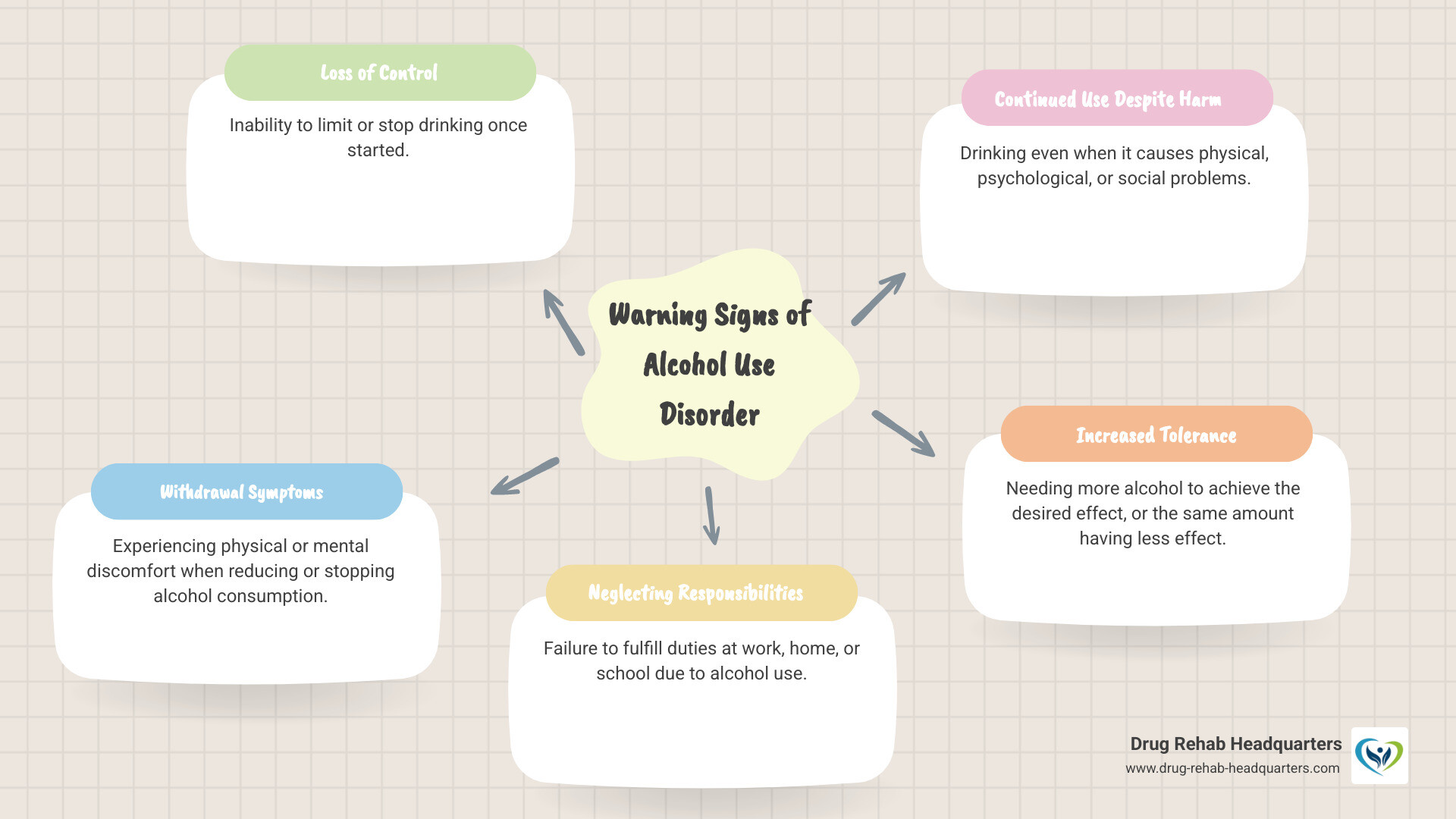
Admitting you need help is a courageous first step. If you’re questioning whether you need rehab, it’s likely a sign that alcohol is causing problems in your life. Here are some common indicators that professional help, such as that offered by top rated alcohol rehab centers, may be necessary:
- Inability to Control Drinking: You consistently drink more than you intend, or for longer periods than planned, despite efforts to cut back or stop.
- Negative Consequences: Alcohol use is leading to problems in your relationships, job, finances, or legal standing.
- Cravings: You experience intense urges or cravings for alcohol that are difficult to ignore.
- Tolerance: You need to drink increasing amounts of alcohol to achieve the desired effect.
- Withdrawal Symptoms: You experience physical or psychological symptoms (e.g., tremors, anxiety, nausea, sweating, insomnia) when you stop drinking or reduce your intake.
- Neglecting Responsibilities: You miss work, school, or family obligations due to drinking or recovering from its effects.
- Continued Use Despite Harm: You continue to drink even when you know it’s causing physical or psychological problems.
- Failed Attempts to Quit: You’ve tried to stop drinking on your own multiple times but haven’t been successful.
- Giving Up Activities: You’ve reduced or given up important social, occupational, or recreational activities because of alcohol use.
If any of these resonate with you, it’s a strong indication that you could benefit from professional intervention. Our Alcohol Addiction Signs page provides more detailed information on these symptoms.
How long does a typical alcohol rehab program last?
There isn’t a single “typical” length for an alcohol rehab program because effective treatment is highly individualized. The duration depends on several factors, including the severity of the addiction, the presence of co-occurring mental health disorders, an individual’s response to treatment, and their specific clinical needs.
However, common program durations include:
- 30-day programs: These are often an excellent starting point, providing a period of detox and initial intensive therapy to stabilize an individual.
- 60-day programs: Offering a more extended period of immersion, these allow for deeper therapeutic work and skill development.
- 90-day programs or longer: These are frequently recommended for individuals with more severe addictions or complex needs, as research suggests that longer treatment durations often correlate with better long-term outcomes.
The goal is to ensure you receive sufficient time and support to build a solid foundation for lasting recovery. We can help you assess your needs and find a program with an appropriate duration.
What is the success rate of alcohol rehab?
The concept of a “success rate” in addiction treatment can be complex and is often misunderstood. Success isn’t just about achieving initial sobriety; it’s about sustaining it, improving overall quality of life, and developing healthy coping mechanisms.
- Defining Success: What one center defines as success (e.g., completing the program) may differ from another’s (e.g., maintaining sobriety for one year post-treatment). We encourage you to ask centers how they define and measure success.
- Varies by Center and Individual: The effectiveness of rehab varies greatly depending on the quality of the program, the individual’s commitment, the presence of co-occurring disorders, and the strength of their aftercare plan.
- Long-Term Sobriety: While immediate sobriety rates upon leaving rehab are often high, the true measure of success lies in long-term sobriety. This is why top rated alcohol rehab centers place such a strong emphasis on comprehensive aftercare.
- Quality of Life Improvement: Beyond abstinence, success also includes improvements in physical health, mental well-being, relationships, employment, and overall life satisfaction.
- Importance of Aftercare: Engaging in aftercare programs, such as sober living, support groups, and ongoing therapy, significantly increases the chances of sustained recovery. Without robust aftercare, the likelihood of relapse increases.
While no center can guarantee a “cure” for addiction, as it’s a chronic, relapsing disease, top rated alcohol rehab centers provide the tools, support, and environment necessary to manage the disease effectively and live a fulfilling, sober life.
Conclusion
Navigating the path to recovery from alcohol addiction can feel overwhelming, but you don’t have to do it alone. We’ve explored what makes top rated alcohol rehab centers truly exceptional: a commitment to clinical excellence, highly qualified staff, evidence-based and holistic treatment approaches, and a supportive environment designed for healing. We’ve also covered the various program types, financial considerations, and the critical role of aftercare in maintaining long-term sobriety.
Recovery is possible, and choosing the right center for your unique needs is a pivotal step. At Drug Rehab Headquarters, we are here to provide personalized guidance and support 24/7. Our certified counselors, many with lived experience, are experts in connecting individuals across North America with suitable, evidence-based, holistic treatment options. We understand the complexities and are ready to help you or your loved one find the path to a healthier, sober future.
Don’t let uncertainty hold you back. Take the courageous step towards healing.