
Why Aftercare Planning Services Are the Missing Piece in Your Recovery Journey
Aftercare planning services are structured support programs and resources designed to help individuals maintain sobriety and prevent relapse after completing primary addiction treatment. Here’s what they typically include:
- Ongoing therapy and counseling (individual, group, and family sessions)
- Peer support networks (12-step meetings, alumni programs, SMART Recovery)
- Structured living arrangements (sober living homes, halfway houses)
- Life skills development (employment support, financial planning, wellness activities)
- Crisis management resources (24/7 hotlines, emergency contacts, relapse prevention plans)
If you or someone you love has just finished rehab, you might be wondering: What comes next? The truth is, completing a treatment program is just the beginning. Research shows that between 40% and 60% of people recovering from addiction experience a relapse—and the risk is highest in those critical first few months after leaving treatment.
This is where aftercare planning services become essential. They bridge the gap between the structured support of formal treatment and the challenges of everyday life. Without a solid aftercare plan, you’re navigating recovery alone during its most vulnerable phase.
Think of aftercare as your ongoing support system—a personalized roadmap that helps you practice the coping skills you learned in rehab, connect with others who understand your journey, and build a life that makes sobriety worth maintaining. It’s not about being “fixed” and moving on. It’s about recognizing that recovery is a lifelong process that requires continued attention and support.
At Drug Rehab Headquarters, we’ve spent years connecting individuals and families with comprehensive aftercare planning services that transform short-term treatment success into lasting recovery. Our expertise lies in helping you understand the full spectrum of aftercare options and finding the right combination of support for your unique situation.
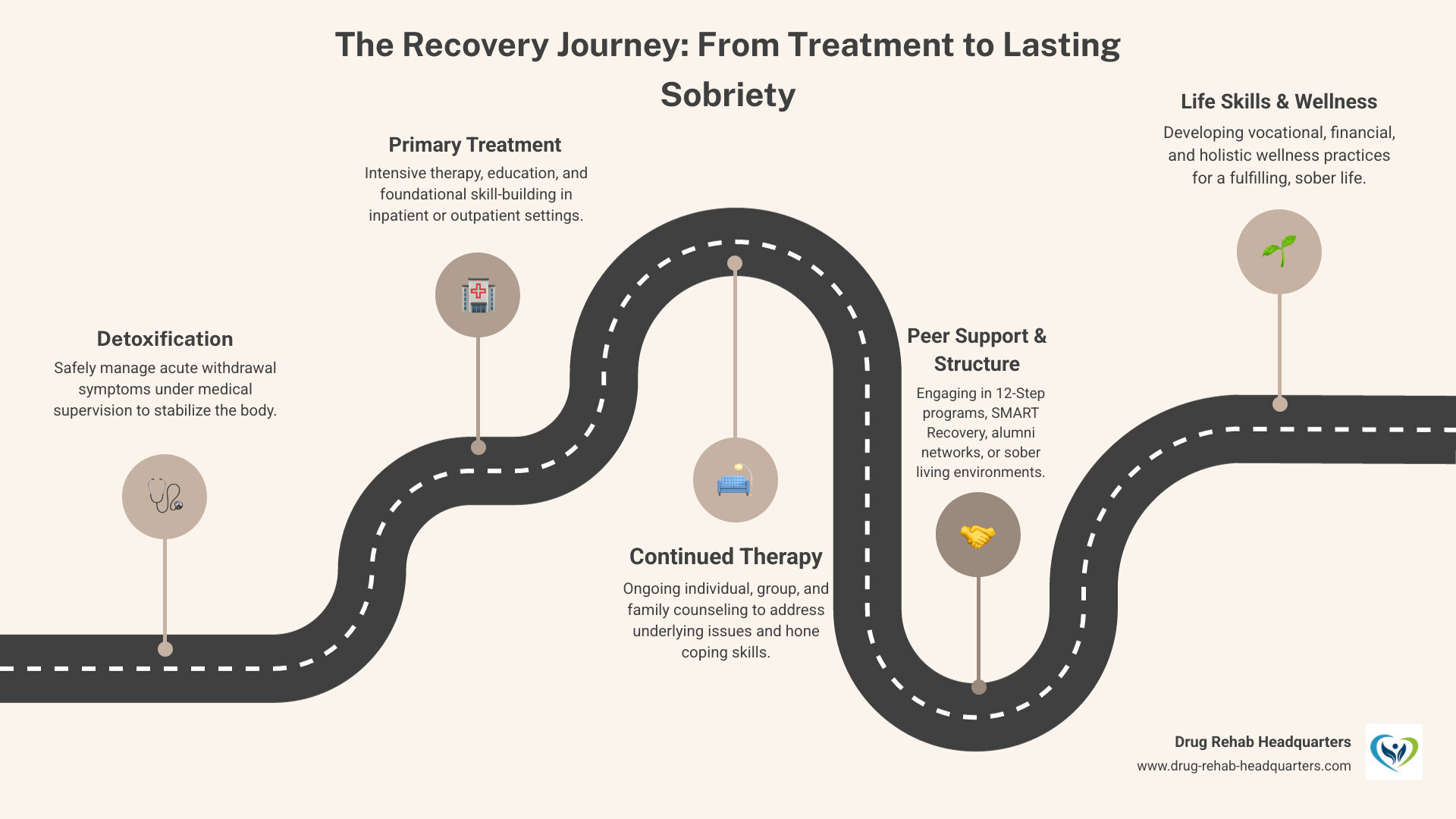
The Core Components of an Effective Aftercare Plan
An effective aftercare plan isn’t a one-size-fits-all solution; it’s a dynamic, personalized strategy built on a foundation of ongoing support, a structured environment, accountability, and robust relapse prevention. Our goal is to help you solidify the gains made during initial treatment and equip you with the tools to steer life’s complexities in sobriety. After all, the strength gained in treatment can diminish as you return to everyday life, making continued support crucial for long-term success.
Aftercare provides a “map” to manage challenges, offering crucial support and accountability, especially in early recovery when triggers and temptations are most prevalent. It helps refine coping strategies, address underlying issues, and fosters a sense of community. For more information on how these services contribute to lasting healing, explore our guide on Addiction Recovery Services.

Continued Therapy and Counseling
Therapy and counseling are integral to successful aftercare. While primary treatment provides a foundation, ongoing sessions help sustain recovery momentum and address new issues before they become serious challenges. We find that continued counseling helps track progress, manage emotions, and modify negative thought patterns related to substance use.
Our network of providers offers various therapeutic modalities as part of aftercare planning services, including:
- Individual Therapy: Provides a confidential space to work through triggers, emotions, and personal challenges.
- Group Therapy: Encourages shared understanding, empathy, and peer accountability, allowing you to connect with others facing similar struggles.
- Family Counseling: Helps improve communication, rebuild trust, and heal damaged relationships within the family system. This is particularly important as addiction often impacts the entire family.
- Cognitive Behavioral Therapy (CBT): Focuses on identifying and modifying negative thought patterns and behaviors that contribute to substance use.
- Dialectical Behavior Therapy (DBT): Helps manage intense emotions, reduce self-destructive behaviors, and improve interpersonal relationships.
- Motivational Interviewing (MI): Works to resolve ambivalence about change and build intrinsic motivation for maintaining sobriety.
- Medication Management: For individuals with co-occurring mental health disorders or those utilizing Medication-Assisted Treatment (MAT), ongoing psychiatric care and medication management are vital. Regular check-ups ensure medications are effective and adjusted as needed.
These continued therapy options are a cornerstone of effective aftercare, helping you steer life’s ups and downs with professional guidance. To learn more about different approaches to healing, refer to our page on Treatment Options.
Peer Support: Recovery Meetings and Alumni Programs
You don’t have to walk the path of recovery alone. Peer support is an essential component of successful long-term sobriety. Connecting with others who understand your experiences provides invaluable encouragement and a safety net during challenging times.
Common forms of peer support in aftercare include:
- 12-Step Programs (AA, NA): Alcoholics Anonymous (AA) and Narcotics Anonymous (NA) are free, informal mutual-help groups that provide a structured pathway to recovery through shared experiences and a focus on spiritual principles. Research consistently indicates that higher involvement in 12-Step meetings and programs yields better outcomes in sustained recovery. These groups also emphasize finding a sponsor—a more experienced member who can provide guidance and support through the steps.
- SMART Recovery: For those who prefer alternatives to 12-Step programs, SMART Recovery is a research-based mutual-help group based on Cognitive Behavioral Therapy (CBT) principles. It focuses on self-empowerment and practical tools for managing urges and maintaining motivation.
- Alumni Programs: Many treatment centers offer alumni programs for individuals who have completed their initial treatment. These programs allow you to maintain contact with the treatment provider and connect with others who have also completed treatment, offering ongoing support and fostering healthy friendships. Benefits often include in-person meetings, online support groups, and sober social events.
These peer-based networks are crucial for building a sober community and leveraging the power of shared experience.
Structured Living: Sober Living and Halfway Houses
Sometimes, returning directly to your previous living environment after treatment can be challenging, especially if it’s not conducive to sobriety. Structured living arrangements provide a safe, substance-free transition environment, offering accountability and peer support as you gradually reintegrate into daily life.
- Sober Living Homes: These are group homes that provide a substance-free environment where residents live together, adhering to house rules (e.g., curfews, chores, regular drug testing) and often participating in 12-Step meetings or other recovery activities. They offer a person-centered and strength-based approach, promoting accountability and practice in managing daily responsibilities.
- Halfway Houses: Often government-funded, these facilities also offer transitional housing for individuals in recovery. They provide similar structures to sober living homes, focusing on gradual reintegration into society while maintaining sobriety.
- Transitional Housing Facilities: A broader term that encompasses various supportive living arrangements, including sober living homes and halfway houses.
These options are particularly beneficial for individuals who are not ready to move directly back home due to personal or family healing needs, or for those whose previous living environment posed a high risk of relapse. They provide a vital step between intensive treatment and independent living. For a deeper dive into post-rehab options, read our guide on Post-Rehab Drug Rehab Aftercare.
Life Skills and Holistic Wellness
Recovery is about more than just abstaining from substances; it’s about building a fulfilling and meaningful life. Aftercare planning services often include components focused on developing essential life skills and promoting holistic wellness, equipping you for long-term success.
- Vocational Support: Assistance with job searching, resume building, interview skills, and maintaining employment in a sober environment.
- Financial Literacy: Guidance on budgeting, managing finances, and addressing any addiction-related debt.
- Educational Guidance: Support for continuing education, pursuing new skills, or completing academic goals.
- Nutrition Planning: Learning about healthy eating habits to support physical and mental well-being.
- Exercise Routines: Incorporating regular physical activity to reduce stress, improve mood, and boost overall health.
- Mindfulness and Yoga: Practices that bolster both physical and emotional well-being, helping to manage stress, improve focus, and develop healthy coping mechanisms. Recreational therapy activities also promote physical fitness and stress reduction.
Turning your attention toward wellness routines and balanced habits is a cornerstone of aftercare. These elements empower you to develop a structured, healthy lifestyle that supports your sobriety and fosters personal growth.
How Comprehensive Aftercare Planning Services Work
The beauty of comprehensive aftercare planning services lies in their collaborative and individualized nature. Recovery is unique for everyone, and your aftercare plan should reflect that. We believe in crafting a “roadmap” that guides you through barriers, crisis events, and relapse prevention, establishing a strong support system before you fully tackle the journey of long-term recovery outside a treatment program. This often involves a thoughtful process of “stepping down” through various levels of care. For a full understanding of the treatment continuum, visit our page on the Addiction Treatment process.
Aftercare vs. Primary Treatment: Key Differences
It’s important to understand how aftercare differs from the initial treatment you received. While both are crucial, their focus and intensity vary significantly.
| Feature | Primary Treatment (e.g., Inpatient/Residential) | Aftercare (e.g., Outpatient, Sober Living) –
| Intensity | Primarily structured, often requiring full-| Primarily less intensive, allowing for greater flexibility and independence. |
| Focus | Immediate stabilization, immediate symptom management, initial detox, building foundational coping skills. | Maintaining sobriety, preventing relapse, developing life skills, integrating back into daily life, addressing underlying issues. |
| Environment | Inpatient or residential facilities, highly controlled and supportive. | Outpatient programs, sober living homes, community support groups, home environment. |
| Duration | Typically shorter-term, from a few days (detox) to several weeks or months (residential). | Longer-term, ranging from months to years, or even a lifetime for some individuals. |
| Goals | Achieving initial abstinence, addressing acute crises, stabilizing physical and mental health. | Sustaining long-term recovery, improving overall quality of life, building healthy relationships, achieving personal and professional goals, preventing relapse. |
How an Aftercare Plan is Developed
Developing an effective aftercare plan is a collaborative and highly personalized process. It’s not something that happens overnight or is handed to you; it’s a living document that evolves with your recovery journey.
Here’s how we approach the development of an aftercare plan:
- Collaboration with Your Treatment Team: As you near the completion of your primary treatment program, you’ll meet with your therapists, counselors, or case managers. This team has a deep understanding of your progress, challenges, and specific needs.
- Individualized Assessment: We work closely with you to conduct a thorough assessment. This involves understanding your personal goals, preferences, and the unique challenges you anticipate facing outside of treatment. Factors such as your living situation, employment status, family dynamics, and mental health history are all taken into account.
- Identifying Triggers and Coping Strategies: A crucial part of the plan is identifying your known triggers (people, places, things) and developing practical, healthy coping strategies. This includes a list of self-soothing techniques and how to engage with crisis hotlines or safe contacts if needed.
- Setting Realistic Goals: Together, we’ll establish achievable, short-term and long-term goals for your recovery. These might span areas like continued therapy, peer support involvement, educational pursuits, vocational aspirations, and personal wellness.
- Building a Support Network: The plan will outline how you can build and maintain a strong support network, including professional contacts, peer mentors, and supportive family and friends. For individuals in states like California, Florida, or Georgia, this might involve connecting with local alumni programs or community resources.
- Family Involvement: If appropriate and beneficial, family members are included in the conversation. Family counseling and educational programs can foster mutual understanding and help rebuild trust, creating a more supportive home environment.
- Flexibility and Adaptability: We emphasize that your aftercare plan is not set in stone. It’s designed to be flexible and modified over time as your needs and goals change. Regular check-ins with your treatment team will allow for adjustments and ensure the plan remains relevant and effective.
The development of your aftercare planning services begins early in your treatment, not just at the end, ensuring a seamless transition and continuous support.
How Long Does Aftercare Last?
One of the most common questions we hear is, “How long does aftercare last?” The simple answer is: it varies. Just as every individual’s journey to addiction is unique, so too is their path to recovery. There’s no fixed timeline, and the duration of aftercare is highly individualized.
- Variability is Key: Some individuals may engage in aftercare for several weeks or months, while others find support beneficial for a year or more. For some, aftercare becomes a lifelong commitment, evolving as their needs change.
- Research Supports Longer Engagement: Studies consistently show that the longer you engage in aftercare planning services, the better your outcome. People who participated in aftercare for six months or longer had significantly higher rates of sustained abstinence (lower relapse rates) compared to those who received shorter-term aftercare or no aftercare at all. This research suggests that while 30-90 day programs can be a good start, sustained engagement leads to more robust, long-term recovery.
- Individual Needs Assessment: The duration is determined through ongoing assessment of your progress, stability, and current life circumstances. Factors like the severity of your addiction, the presence of co-occurring mental health disorders, your support system, and your living environment all play a role.
- Plan Flexibility: Your aftercare plan is a living document. It can and should be modified over time as your needs and goals change. What works for you in the first few months post-rehab might evolve into different forms of support as you gain more confidence and stability.
The goal is to engage in aftercare for as long as you find it beneficial for your sobriety and overall well-being. We encourage our clients to view aftercare as a continuous investment in their health, not a temporary obligation.
The Benefits of Aftercare for Long-Term Recovery
Investing in aftercare planning services is one of the most crucial decisions you can make for your long-term recovery. It’s not merely about preventing relapse; it’s about sustaining the momentum you gained in treatment, building self-confidence, and ultimately creating a fulfilling life free from the grip of addiction. Aftercare significantly improves mental health, family relationships, employment status, and overall quality of life. For more detailed information on comprehensive support, refer to our page on Rehabilitation Services.

Reducing Relapse and Sustaining Sobriety
The period immediately following primary treatment is often the most vulnerable. The risk of relapse is highest in the first few months after leaving rehab, as individuals transition back into daily routines and face real-world triggers. This is precisely where aftercare shines.
- Ongoing Support and Accountability: Aftercare provides the consistent support and accountability that are crucial during this early, high-risk phase. Regular check-ins, counseling sessions, and access to a supportive network act as a safety net, helping you stay focused on your recovery goals.
- Practicing Coping Skills: Aftercare offers a safe space to practice the coping skills learned in treatment within real-world scenarios. This helps to internalize these skills, making them more effective when stress or temptation arises.
- Evidence of Efficacy: Research consistently demonstrates the efficacy of aftercare planning services in supporting people with substance use and addiction issues. Participating in aftercare significantly increases the likelihood of maintaining sobriety and reducing the risk of relapse. It helps sustain treatment gains and addresses potential problems early, before they escalate.
By providing this ongoing structure and support, aftercare helps to bridge the gap between treatment and sustained, independent sobriety.
Tailoring Aftercare Planning Services for Dual Diagnosis
One of the leading causes of relapse is an untreated co-occurring mental health disorder, often referred to as a dual diagnosis. It’s not uncommon for individuals struggling with addiction to also experience conditions like depression, anxiety, bipolar disorder, or trauma. Effective aftercare planning services must address both the addiction and the mental health challenges concurrently.
- Integrated Treatment: For individuals with a dual diagnosis, aftercare involves integrated treatment, where both conditions are treated in a coordinated manner. This ensures that addressing one doesn’t inadvertently worsen the other.
- Continued Psychiatric Care and Medication Management: Individuals with dual diagnoses must monitor their mental health long after primary treatment. Aftercare includes continuing therapy or counseling specifically custom to mental health, managing medications for mental illness, and potentially seeing symptoms diminish as brain chemicals balance with sobriety. Some individuals may require ongoing medication adjustments, while others might find their need for medication decreases over time.
- Specialized Therapy: Aftercare programs for dual diagnosis often incorporate specialized therapies that address the interplay between substance use and mental health. This might include trauma-informed counseling, which is crucial for those whose addiction is linked to past traumatic experiences.
Addressing underlying mental health issues in aftercare is not just beneficial; it’s essential for preventing relapse and achieving holistic, lasting recovery.
Rebuilding Your Life and Relationships
Recovery is about more than just stopping substance use; it’s about rebuilding your life, fostering healthy relationships, and finding purpose. Aftercare planning services provide invaluable support in these critical areas.
- Family Therapy and Communication: Addiction often damages family relationships. Aftercare includes family counseling sessions designed to improve communication, address past hurts, and re-establish trust. Involving family members in this process can create a more supportive and understanding home environment, which is vital for long-term recovery.
- Vocational and Educational Support: Many individuals in recovery need assistance with finding stable employment, pursuing educational opportunities, or developing new vocational skills. Aftercare programs can offer guidance and resources to help you achieve these goals, fostering a sense of accomplishment and stability.
- Fostering Healthy Social Connections: Aftercare encourages building a sober support network and engaging in healthy social activities. This helps replace old social circles associated with substance use, reducing isolation and promoting positive social engagement. Through alumni programs, support groups, and sober events, you can form new friendships and build a community that champions your recovery.
By focusing on these areas, aftercare helps you not only maintain sobriety but also to construct a fulfilling, meaningful life that makes your recovery journey truly worthwhile.
Frequently Asked Questions about Aftercare
We understand that aftercare can seem like a complex topic. To help clarify, here are some common questions we receive about aftercare planning services.
Who qualifies for aftercare programs?
Generally, individuals who have completed a primary addiction treatment program, such as detox, residential, or intensive outpatient treatment, qualify for aftercare programs. The core criteria often include:
- Completion of Primary Treatment: This is usually a prerequisite, as aftercare builds upon the foundation laid during initial treatment.
- Commitment to Sobriety: A genuine desire to maintain abstinence and continue working on recovery is essential.
- Adherence to Program Rules: Willingness to follow the guidelines and expectations set by the aftercare program, whether it’s attending meetings, participating in therapy, or adhering to house rules in a sober living environment.
- Participation in Meetings: Many programs require or strongly encourage engagement in peer support groups like AA, NA, or SMART Recovery.
- Avoiding Substance Use: Naturally, a commitment to remaining drug and alcohol-free is fundamental.
Specific programs may have additional criteria, such as age or gender specifications, or considerations related to health status or ability to pay. Our network of Addiction Treatment Centers can help you understand the specific qualifications for various aftercare options.
Can my aftercare plan change over time?
Absolutely! Your aftercare plan is a dynamic, evolving document, not a rigid contract. We firmly believe that your plan should adapt as your recovery journey progresses and your life circumstances change.
- Dynamic Process: What works for you in the immediate aftermath of rehab may not be what you need six months or a year down the line. Your needs, goals, and challenges will naturally evolve.
- Regular Reassessment: This is why regular check-ins with your therapists, counselors, or case managers are so important. These sessions allow for ongoing assessment of your progress and current situation.
- Adapting to New Challenges and Goals: As you gain confidence, stability, and new life skills, your plan can be modified to reflect new goals—perhaps focusing more on career development, advanced education, or deeper community involvement. Conversely, if new challenges or stressors arise, your plan can be adjusted to provide increased support.
- Collaboration is Key: Any modifications to your aftercare plan should always be a collaborative effort between you and your treatment team, ensuring it remains custom to your individual needs.
The flexibility of aftercare planning services is one of their greatest strengths, ensuring you always have the right level and type of support.
How are effective aftercare planning services structured?
Effective aftercare planning services are designed with a multi-faceted approach to provide continuous support and facilitate a smooth transition back into daily life. While specifics can vary, a typical structure often includes:
- Regular Check-ins: Consistent contact with counselors or case managers to monitor progress, address emerging issues, and provide ongoing guidance.
- Counseling Sessions:
- Individual Therapy: One-on-one sessions to dig into personal triggers, emotions, and coping strategies.
- Group Therapy: Facilitated sessions where individuals share experiences, provide mutual support, and learn from peers.
- Support Group Participation: Active involvement in peer-led groups like AA, NA, or SMART Recovery, which offer a sense of community and shared understanding.
- Life Skills Workshops: Educational sessions focused on practical skills for independent living, such as financial management, healthy relationship building, communication, and stress management.
- Graduated Levels of Care: For many, aftercare involves a “step-down” approach, transitioning from more intensive programs to less intensive ones while still receiving structured support:
- Partial Hospitalization Programs (PHPs): Typically involve 6 to 8 hours of therapy and counseling sessions each day, allowing clients to return home at night.
- Intensive Outpatient Programs (IOPs): Generally require attending treatment for at least 9 hours per week, often in 3, 3-hour sessions, offering flexibility for work or family commitments.
- Standard Outpatient Programs: Consist of less than 9 hours of treatment per week, providing ongoing support with maximum independence.
This structured approach ensures that you receive the right amount of support at each stage of your recovery, gradually empowering you toward full independence.
Find the Right Path to a Lasting Recovery
The journey to lasting recovery is a marathon, not a sprint. While primary treatment provides the essential foundation, aftercare planning services are the crucial investment that transforms initial sobriety into a fulfilling, long-term reality. It’s not an afterthought; it’s a vital, evolving stage of your healing process, offering the ongoing support, accountability, and practical tools needed to steer life’s challenges without returning to substance use.
We’ve seen countless individuals across North America, from the busy cities of California to the tranquil landscapes of Tennessee, build incredible lives in recovery thanks to comprehensive aftercare. Whether you’re in Florida, Georgia, Illinois, or anywhere else in our extensive network, the principles of effective aftercare remain the same: continued support, personalized strategies, and a commitment to your well-being.
At Drug Rehab Headquarters, we understand the profound importance of this stage. Our mission is to ensure that you or your loved one has every resource possible to maintain the momentum of recovery. Our 24/7 helpline connects you with certified counselors—many of whom have lived experience—who offer personalized guidance to find suitable, evidence-based, holistic treatment options, including robust aftercare planning.
Don’t let the hard work of treatment fade away. Let us help you build a strong foundation and a comprehensive aftercare plan for a sober, brighter future. Contact us today to learn more about how we can connect you with an addiction treatment program that includes the essential aftercare support you deserve.