Finding Hope and Healing in the Keystone State
Rehab Centers in Pennsylvania offer a wide range of treatment options for individuals and families struggling with substance abuse. Here’s what you need to know:
- 691+ licensed facilities across the state provide detox, inpatient, outpatient, and specialized care
- Average treatment cost: $56,708 (varies by program type and duration)
- Insurance accepted: Most facilities accept Medicaid, Medicare, and major private insurance plans
- 24/7 state helpline: Drug Rehab Headquarters at 866-720-3784 for immediate assistance
- Treatment options include: Medical detox, residential programs, partial hospitalization (PHP), intensive outpatient (IOP), and sober living
- Specialized programs available for co-occurring disorders, veterans, LGBTQ+ individuals, and professionals
Finding quality addiction treatment shouldn’t be out of reach because of cost concerns. Pennsylvania has more than 690 licensed rehab centers offering everything from medical detox to outpatient therapy—and many provide financial assistance, sliding scale fees, and accept various insurance plans.
The reality is that treatment works. With the right support and professional care, recovery is possible no matter your budget. Pennsylvania’s treatment landscape includes state-funded programs, nonprofit centers, and private facilities that prioritize accessibility alongside quality care.
Whether you’re dealing with alcohol addiction, opioid dependence, methamphetamine use, or co-occurring mental health challenges, help is available close to home. You don’t need to travel out of state or spend tens of thousands of dollars to access evidence-based treatment that can change your life.
At Drug Rehab Headquarters, we specialize in connecting individuals and families throughout Pennsylvania with compassionate, affordable addiction treatment that fits their unique needs and budget—call us 24/7 at 866-720-3784 for immediate support. Our experienced team understands the Pennsylvania treatment landscape and can guide you to licensed facilities that accept your insurance or offer financial assistance.
Navigating Costs and Insurance for Rehab Centers in Pennsylvania
Let’s face it, the cost of healthcare can be a major hurdle, and addiction treatment is no exception. However, understanding the financial landscape of rehab centers in Pennsylvania is the first step toward making treatment a reality. We’re here to help you steer these waters.
Understanding the Average Cost of Treatment
When you’re looking into rehab centers in Pennsylvania, one of the first questions that comes to mind is often, “How much will this cost?” We understand that concern deeply. The average cost for a person seeking substance abuse treatment in Pennsylvania is estimated at $56,708. This figure, while substantial, is an average and can vary widely based on several critical factors.
For instance, an inpatient program, which typically involves a 30-day stay with 24/7 care, can cost around $630.09 per day without insurance. On the other hand, an outpatient program, offering more flexibility for individuals to live at home while attending treatment, averages about $56.87 per day for a 30-day program without insurance coverage.
These prices are influenced by:
- Program length: Longer programs generally incur higher total costs, but may offer better long-term outcomes.
- Level of care: Inpatient care is more intensive and thus more expensive than outpatient options.
- Amenities: Luxury facilities with private rooms, gourmet meals, and extensive recreational activities will naturally have higher price tags than more basic, yet equally effective, centers.
- Specific therapies: Some specialized or cutting-edge therapies might add to the overall cost.
These numbers represent the sticker price without insurance. Many individuals pay significantly less out-of-pocket, thanks to insurance coverage, financial aid, or state-funded programs.
Contact Drug Rehab Headquarters at 866-720-3784 for help understanding costs and finding affordable options custom to you. We can help explain these figures and connect you with programs that align with your financial situation.
Insurance Coverage for Addiction Treatment
Good news! Most health insurance plans, including those offered in Pennsylvania, now cover addiction treatment. This is a huge win for accessibility, as it can drastically reduce the financial burden on individuals and families.
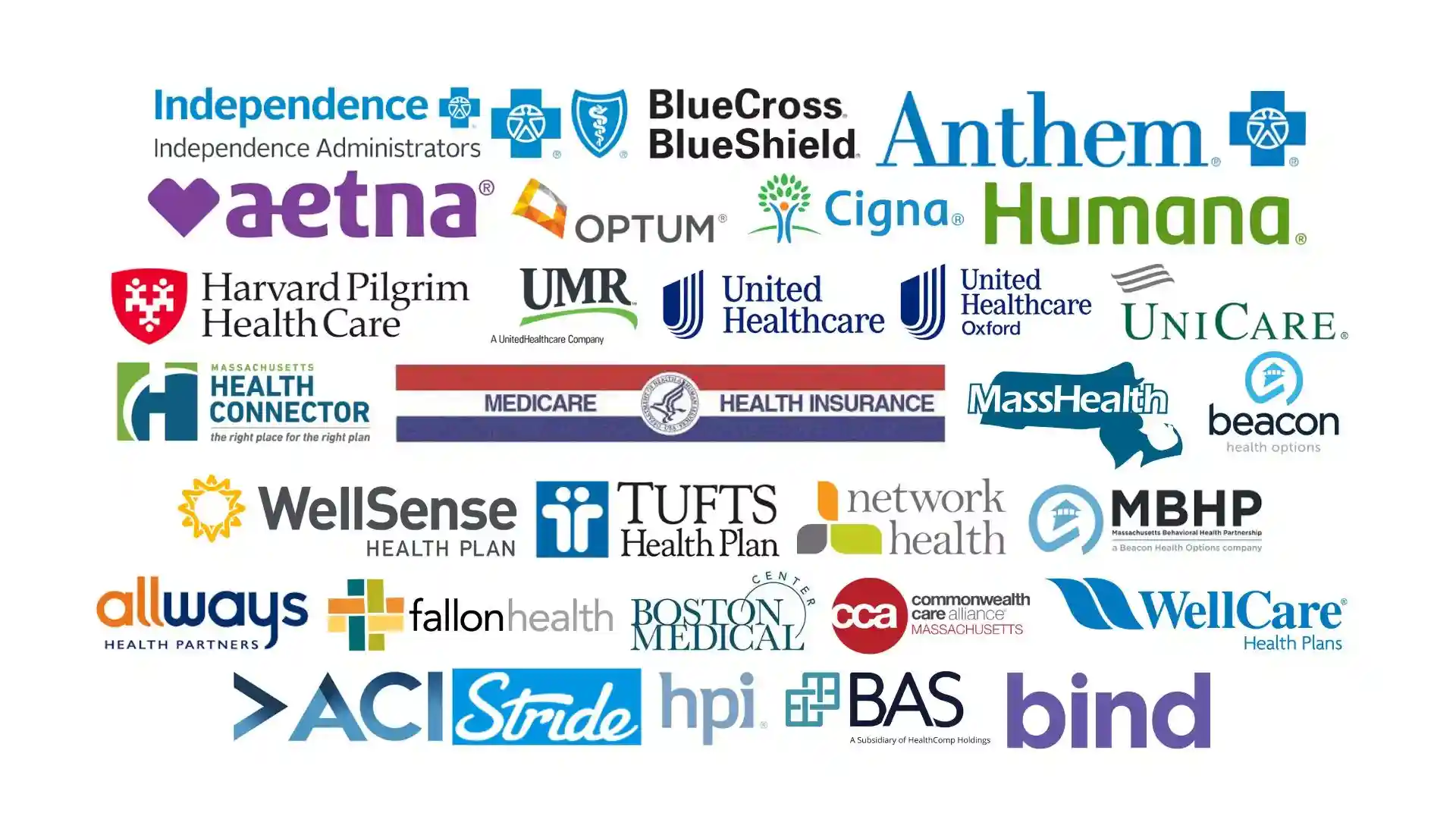
Commonly accepted insurance plans at rehab centers in Pennsylvania include major private providers. Additionally, government-funded programs like Medicaid and Medicare also provide coverage for substance abuse and mental health treatment. For example, over 148 centers in Pennsylvania accept Medicaid, making treatment accessible for many.
To maximize your coverage and avoid unexpected costs, it’s crucial to verify your benefits. This involves understanding your deductible, co-pays, out-of-pocket maximums, and any specific requirements your plan might have for addiction treatment. Our team can help you steer this process, ensuring you get the most out of your insurance. We’ll assist you in understanding what your plan covers, what facilities are in-network, and how to make your benefits work for you.
Call Drug Rehab Headquarters at 866-720-3784 for a free, confidential insurance verification and expert guidance on your options. We’ll do the legwork so you can focus on what truly matters: getting better.
Finding Affordable and Low-Cost Rehab Centers in Pennsylvania
We firmly believe that financial limitations should never be a barrier to life-saving treatment. If the average costs still seem daunting, know that there are many avenues for finding affordable and low-cost rehab centers in Pennsylvania.
- Medicaid and Medicare: As mentioned, these government programs are vital resources for individuals with limited income or disabilities. They cover a wide range of addiction treatment services, from detox to outpatient therapy.
- State and County Funding: The Pennsylvania Department of Drug and Alcohol Programs (DDAP) works with local County Drug and Alcohol Offices (Single County Authorities – SCAs). These offices can assist with treatment funding, conduct assessments, and provide referrals to state-funded programs or facilities that offer financial assistance.
- Sliding Scale Fees: Many non-profit and some private rehab centers offer a “sliding scale” payment system. This means the cost of treatment is adjusted based on your income and ability to pay, making quality care accessible to more people.
- Payment Plans and Financial Aid: Some facilities offer internal payment plans, allowing you to pay for treatment in installments. Additionally, some non-profit organizations and foundations provide grants or scholarships for individuals seeking addiction treatment.
- Free Programs: While less common for comprehensive medical care, some community-based organizations and support groups offer free services, particularly for ongoing recovery support.
Our network includes many facilities that actively work to make treatment affordable. We can help you explore all these options and connect you with programs that fit your budget without compromising on quality of care.
Reach out to us at 866-720-3784 for help finding affordable or low-cost treatment options. We’re experts at connecting individuals with the financial solutions they need for recovery.
Types of Addiction Treatment Programs in Pennsylvania
Addiction treatment is not a one-size-fits-all solution. Rehab centers in Pennsylvania offer a spectrum of programs, each designed to meet varying needs and stages of recovery. Understanding these options is crucial for choosing the right path.
Levels of Care Explained
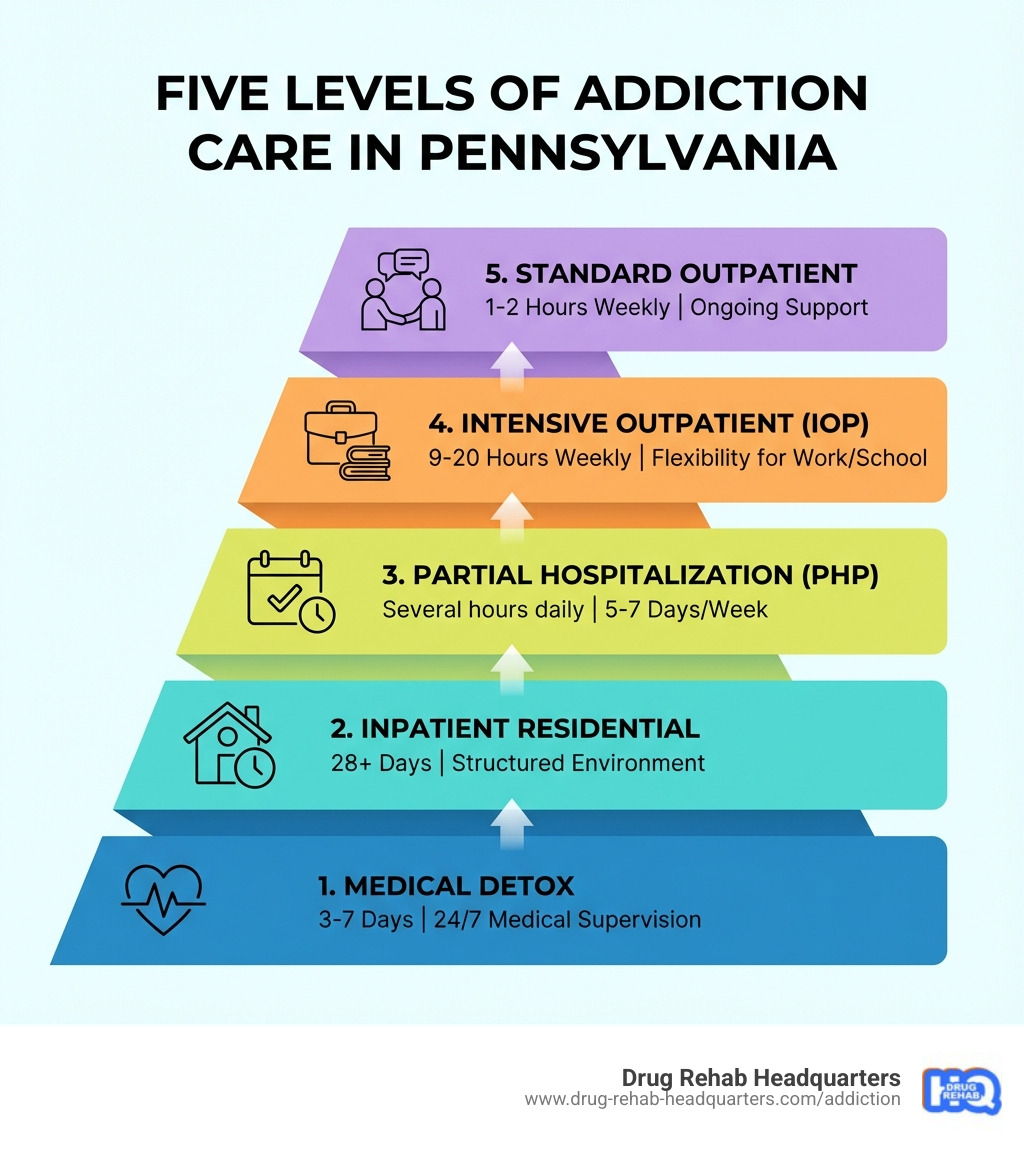
The journey to recovery often involves progressing through different levels of care, each offering a distinct intensity of support.
- Medical Detoxification: This is often the first step for individuals with physical dependence. It involves medically supervised withdrawal from substances to safely manage acute physical symptoms. Detox facilities in Pennsylvania ensure patient safety and comfort during this critical phase, typically lasting 3-7 days.
- Inpatient Residential Programs: After detox, many individuals transition to inpatient residential treatment. These programs offer a structured, 24/7 therapeutic environment, usually for 28 days or longer. Patients live at the facility, engaging in intensive therapy, education, and support group meetings. It’s an immersive experience designed to break the cycle of addiction and build foundational recovery skills.
- Partial Hospitalization Programs (PHP): Often referred to as “day treatment,” PHP provides a high level of care without requiring an overnight stay. Patients attend treatment sessions for several hours a day, 5-7 days a week, and return home or to a sober living environment in the evenings. This level is ideal for those who need intensive support but have a stable home environment.
- Intensive Outpatient Programs (IOP): IOP offers more flexibility than PHP, with treatment typically involving 9-20 hours of therapy per week. This allows individuals to maintain work, school, or family commitments while receiving structured support. It’s a great step-down option from inpatient or PHP, or a starting point for those with less severe addiction.
- Standard Outpatient and Aftercare: Standard outpatient programs involve fewer hours of therapy per week, focusing on ongoing support and relapse prevention. Aftercare planning is a vital component of any successful treatment, providing continued resources like support groups, individual counseling, and alumni networks to help sustain long-term sobriety.
- Sober Living Homes: These are structured, drug-free residences that provide a supportive environment for individuals transitioning from inpatient care back into independent living. Sober living homes promote accountability, peer support, and a routine focused on recovery.
Call Drug Rehab Headquarters at 866-720-3784 to discuss which level of care is right for you. Our specialists can help assess your needs and guide you to appropriate programs.
Evidence-Based Therapies and Modalities
The best rehab centers in Pennsylvania use evidence-based therapies—treatments proven effective through scientific research. These modalities form the backbone of modern addiction recovery.
- Cognitive Behavioral Therapy (CBT): A widely used therapy that helps individuals identify and change negative thought patterns and behaviors that contribute to substance abuse. It teaches coping skills for high-risk situations.
- Dialectical Behavior Therapy (DBT): An offshoot of CBT, DBT focuses on emotional regulation, mindfulness, distress tolerance, and interpersonal effectiveness. It’s particularly effective for individuals with co-occurring mental health disorders like borderline personality disorder.
- Motivational Interviewing: A client-centered approach that helps individuals explore and resolve their ambivalence about change, strengthening their motivation for recovery.
- Medication-Assisted Treatment (MAT): Combining medications (like buprenorphine, naltrexone, or acamprosate) with counseling and behavioral therapies. MAT is highly effective for opioid and alcohol use disorders, reducing cravings and preventing relapse. Pennsylvania has even implemented programs to incentivize emergency room doctors to incorporate MAT with buprenorphine for high-risk patients.
- Trauma-Informed Care: Many individuals with addiction have experienced trauma. This approach recognizes the widespread impact of trauma and integrates this understanding into all aspects of treatment, creating a safe and healing environment.
- Holistic Therapies: Complementing traditional therapies, holistic approaches address the mind, body, and spirit. These can include:
- Yoga and Mindfulness: Promote relaxation, stress reduction, and self-awareness.
- Art Therapy and Music Therapy: Provide creative outlets for emotional expression and processing.
- Adventure Therapy or Equine Therapy: Engage individuals in physical and outdoor activities, fostering self-esteem, teamwork, and connection with nature.
Call Drug Rehab Headquarters at 866-720-3784 to learn which therapies are available at affordable centers near you. We’ll help you find programs that offer the therapeutic approaches best suited for your recovery journey.
The Role of Family in the Recovery Process
Addiction is often called a family disease because its impact reverberates through loved ones. Therefore, family involvement is a fundamental, and often overlooked, element for long-term success in recovery. Many rehab centers in Pennsylvania recognize this and integrate family-focused components into their programs.
- Importance of Family Therapy: Family therapy sessions provide a safe space for open communication, allowing family members to express their feelings, address resentments, and heal together. It helps to break down barriers and rebuild trust that may have been eroded by addiction.
- Rebuilding Trust and Communication: Addiction often leads to dishonesty and strained relationships. Therapy helps families develop healthier communication patterns and work towards rebuilding trust, which is vital for a supportive recovery environment.
- Educational Programs for Families: Many rehabs offer educational workshops for family members, teaching them about the disease of addiction, enabling behaviors, and how to best support their loved one without enabling. Understanding addiction as a disease, not a moral failing, is key.
- Creating a Supportive Home Environment: Family involvement helps create a recovery-oriented home environment, reducing triggers and promoting healthy coping mechanisms. When families are educated and engaged, they become powerful allies in the recovery process.
Ask our team at 866-720-3784 about family support resources in Pennsylvania. We can connect you with centers that prioritize family healing alongside individual recovery.
How to Choose the Right Pennsylvania Rehab Center for You
Choosing a rehab center is a deeply personal decision, and with hundreds of rehab centers in Pennsylvania, it can feel overwhelming. We’re here to simplify the process and help you make an informed choice.

What to Look for in Top-Rated Rehab Centers in Pennsylvania
When evaluating rehab centers in Pennsylvania, we recommend looking beyond just the immediate cost. Quality indicators are paramount for effective, lasting recovery.
- Accreditation and Licensing: Always ensure a facility is licensed by the Pennsylvania Department of Drug and Alcohol Programs (DDAP). Beyond state licensing, look for national accreditations from reputable national accrediting bodies. These accreditations signify that the center meets rigorous standards for quality and patient safety.
- Staff Credentials and Experience: Qualified staff are the heart of any effective program. Look for centers with licensed therapists, medical doctors (especially those board-certified in addiction medicine), nurses, and support staff with relevant certifications and experience. Many centers highlight that their staff are often in recovery themselves, offering a unique blend of professional expertise and lived experience.
- Client Satisfaction and Reviews: Patient testimonials and reviews can offer invaluable insights into the daily experience, staff interactions, and perceived effectiveness of a program. While individual experiences vary, consistent positive feedback often indicates a high-quality center.
- Individualized Treatment Plans: Effective treatment is never generic. A good rehab center will conduct a thorough assessment and develop a personalized treatment plan custom to your specific needs, history, and goals.
- Low Client-to-Staff Ratio: A lower client-to-staff ratio generally means more individualized attention, more frequent therapy sessions, and a greater opportunity for meaningful connection with caregivers.
Let Drug Rehab Headquarters help you compare and choose—call 866-720-3784 for personalized recommendations. We streamline your search by connecting you with top-rated, accredited facilities that fit your criteria.
Specialized Programs for Unique Needs
Addiction rarely exists in a vacuum. Many individuals have unique circumstances or co-occurring conditions that require specialized care. Fortunately, many rehab centers in Pennsylvania offer programs custom to these specific needs.
- Co-occurring Disorders (Dual Diagnosis): Approximately 50% of people with substance use disorders also have a co-occurring mental health condition such as anxiety, depression, PTSD, or bipolar disorder. Integrated treatment for dual diagnosis is crucial, addressing both the addiction and the mental health disorder simultaneously.
- Programs for Veterans: Veterans often face unique challenges, including PTSD and trauma, which can contribute to addiction. Specialized programs understand these complexities and offer custom therapies in a supportive environment.
- LGBTQ+ Individuals: The LGBTQ+ community can face specific stressors and discrimination, making culturally competent and affirmative care essential. Some centers have dedicated LGBTQIA+ tracks with certified clinicians.
- Gender-Specific Care: Some individuals thrive in gender-separate environments, feeling safer and more open to sharing personal experiences without the distractions or dynamics of mixed-gender groups. Programs for men and women address gender-specific issues in recovery.
- Programs for Professionals: Executives, healthcare providers, and legal professionals often require discreet, high-discretion programs that understand their unique career pressures and need for confidentiality. These programs allow individuals to maintain professional obligations while receiving intensive treatment.
Contact Drug Rehab Headquarters at 866-720-3784 to find specialized programs that fit your needs. We can help you locate centers that offer the specific support you require.
Benefits of Seeking Treatment Close to Home
While some people prefer the anonymity of out-of-state treatment, there are significant advantages to choosing rehab centers in Pennsylvania that are close to home.
- Reduced Travel Stress and Lower Costs: Traveling long distances for treatment can add significant stress and expense. Opting for a local center eliminates these burdens, allowing you to focus your energy and resources on recovery.
- Easier Family Involvement: Proximity makes it much simpler for family members to participate in therapy sessions, educational programs, and visitation. As we discussed, family involvement is a cornerstone of lasting recovery.
- Access to Local Support Networks: Starting your recovery journey in your home community allows you to immediately begin building a local support network. This includes connecting with local 12-step groups, community resources, and sober living options that will be accessible post-treatment.
- Familiar Environment: Being in a familiar geographic area can provide a sense of comfort and stability, which can be beneficial during the vulnerable early stages of recovery.
- Building a Local Recovery Community: Establishing connections with peers in recovery from your local area can be invaluable for long-term sobriety. These relationships provide ongoing support, accountability, and a sense of belonging in your home community.
Call us at 866-720-3784 to find quality care close to home. We understand the importance of local support and can help you find excellent rehab centers in Pennsylvania convenient to you.
Immediate Help and Pennsylvania State Resources
When you’re ready for help, every moment counts. We want to ensure you have immediate access to support and resources for addiction in Pennsylvania.
24/7 Helplines and Support
The most crucial step is reaching out. Pennsylvania offers a dedicated helpline, and we at Drug Rehab Headquarters are also here for you around the clock.
- PA Get Help Now Helpline: The toll-free PA Get Help Now helpline at 1-800-662-HELP (4357) is available 24 hours a day, 365 days a year. It’s staffed by trained professionals who can provide immediate, confidential guidance and connect you with resources.
- Text and Chat Options: For those who may not be comfortable speaking on the phone, the PA Get Help Now helpline also offers text support at 717-216-0905 and a live chat option online.
- Drug Rehab Headquarters: We are proud to offer a compassionate, expert team available 24/7 at 866-720-3784 for immediate and confidential help. Our specialists can provide guidance, answer your questions, and start the process of finding the right treatment center for you in Pennsylvania. We’re here to listen, understand, and act.
Our Drug Rehab Headquarters team is available 24/7 at 866-720-3784 for compassionate, expert help. Don’t hesitate to reach out, day or night.
How to Find Licensed Providers in Pennsylvania
Ensuring that a treatment facility is licensed is paramount for your safety and the quality of care you receive. The Pennsylvania Department of Drug and Alcohol Programs (DDAP) is the official body that licenses and oversees rehab centers in Pennsylvania.
While DDAP provides tools like the “Care Provider Search” and the “Drug and Alcohol Facility Locator” to find licensed facilities and review inspection results, navigating these databases can sometimes be complex.
At Drug Rehab Headquarters, we simplify this process for you.
- Overview of how Drug Rehab Headquarters can help: We maintain an extensive network of licensed and accredited rehab centers in Pennsylvania. Our specialists are familiar with the state’s regulations and can quickly identify reputable providers.
- Step-by-step support: When you call us, we’ll discuss your specific needs, preferences, and financial situation. We then use this information to create a curated list of suitable, licensed facilities, saving you hours of research and phone calls.
- Personalized matching: We don’t just give you a list; we help you understand the nuances of each program, their specializations, and how they align with your recovery goals.
Skip the search—call Drug Rehab Headquarters at 866-720-3784 for a free, personalized treatment match. Let us connect you with a licensed, quality provider in Pennsylvania today.
Take the First Step Towards Recovery Today
The decision to seek help for addiction is one of the most courageous steps a person can take. We understand the fear, uncertainty, and hope that come with this moment. Finding the right treatment is not just important; it’s a critical first step towards reclaiming your life and building a future free from the grips of substance abuse.
You don’t have to do it alone. The journey to recovery is challenging, but with the right support system, it is entirely achievable. Drug Rehab Headquarters is here to be your steadfast partner, guiding you through every question and every concern, and connecting you with the resources you need.
Pennsylvania offers a rich and diverse landscape of addiction treatment options, with a path for every budget and every unique set of needs. From state-funded programs to luxury private facilities, from specialized therapies for co-occurring disorders to gender-specific care, the Keystone State is equipped to support your journey. Our specialists are intimately familiar with these options and are dedicated to helping you steer through them with ease and confidence.
We believe in your potential for recovery. We believe in the power of quality treatment. And we believe that finding that treatment should be as accessible and straightforward as possible.
Explore our comprehensive directory of drug treatment centers to begin your healing journey today.