The Hidden Epidemic: Understanding Your Path to Recovery
Prescription drug rehab is specialized treatment designed to help individuals overcome addiction to legally prescribed medications like opioids, benzodiazepines, and stimulants. These programs typically include:
- Medical detox with 24/7 supervision to safely manage withdrawal symptoms
- Evidence-based therapies like CBT and DBT to address psychological aspects of addiction
- Medication-Assisted Treatment (MAT) when appropriate for opioid or benzodiazepine dependence
- Inpatient or outpatient options depending on addiction severity and personal circumstances
- Aftercare planning including support groups and continued counseling for long-term recovery
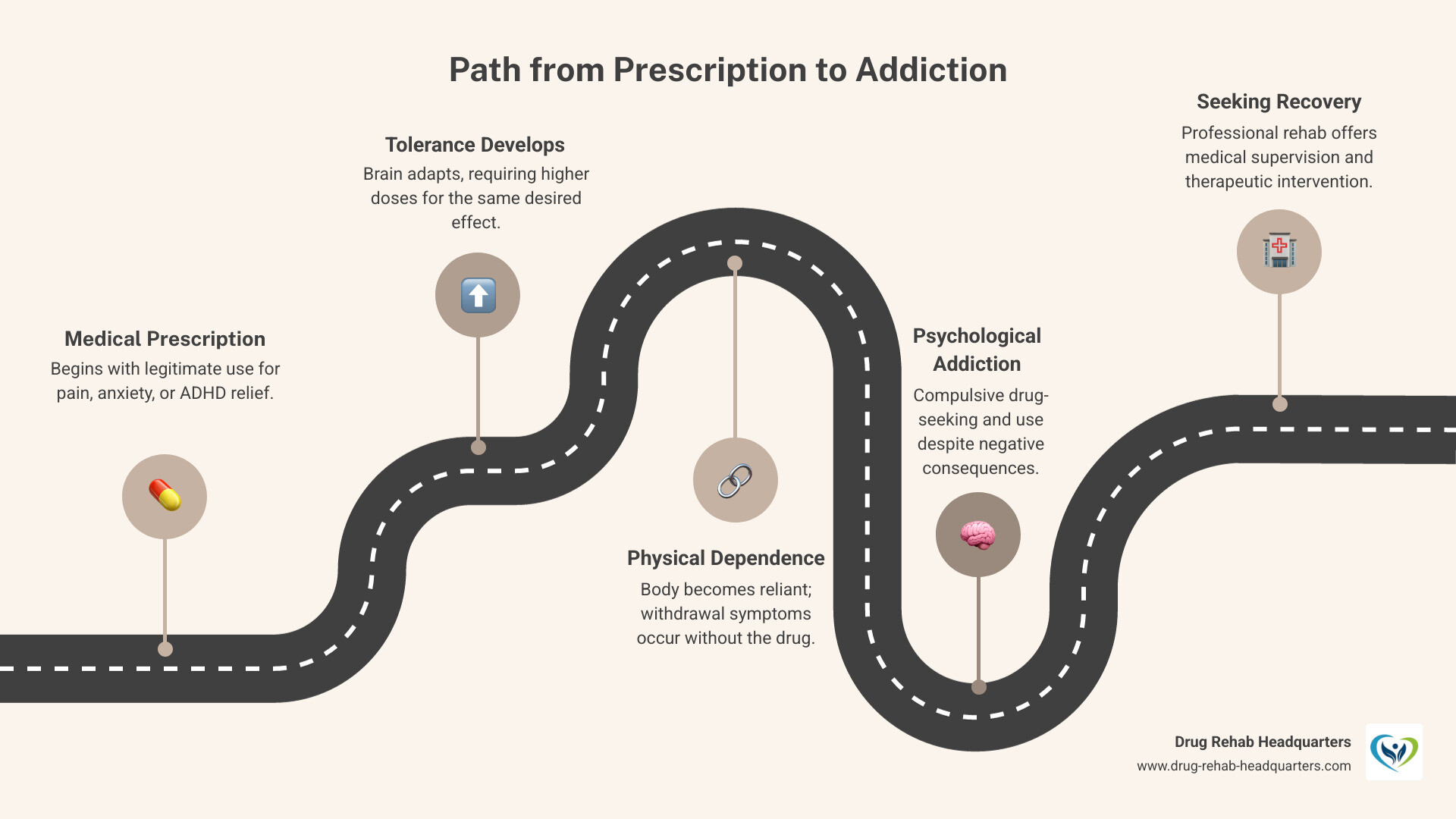
The path from legitimate prescription to addiction is more common than most people realize. In 2022, over 14 million Americans misused prescription drugs, according to the National Survey on Drug Use and Health. What often begins as prescribed pain management, anxiety relief, or ADHD treatment can evolve into physical dependence and psychological addiction as tolerance builds and the brain’s chemistry changes.
The good news? Recovery is absolutely possible with the right support. Professional prescription drug rehab provides the medical supervision, therapeutic intervention, and comprehensive care needed to break free from addiction safely and effectively.
At Drug Rehab Headquarters, we’ve guided countless individuals and families through the complexities of prescription drug rehab by connecting them with accredited treatment centers that match their unique needs. Our mission is to simplify your path to recovery by providing clear, accurate information about treatment options, costs, and what to expect—so you can focus on healing.
Understanding Prescription Drug Addiction
Understanding prescription drug addiction begins with recognizing its insidious nature. It often starts with a doctor’s prescription for a legitimate medical need, but the drug’s powerful effects can lead to a cycle of misuse and dependence, making it difficult to escape without professional help.
How Addiction Develops
Prescription drug addiction is a complex illness. It often starts with physical dependence, where the body adapts to a medication, leading to tolerance (needing higher doses for the same effect). Physical dependence means the body needs the drug to function “normally,” and stopping it causes withdrawal.
Addiction, however, is a chronic brain disorder characterized by uncontrollable drug craving and compulsive use despite harmful consequences. It changes brain chemistry over time, reinforcing drug-seeking behaviors and weakening self-control.
Psychological factors, genetics, and environment all influence how addiction develops. What begins as a way to manage pain or anxiety can become a destructive cycle where the drug is the primary focus of life.
Common Signs and Symptoms of Abuse
Recognizing the signs of prescription drug abuse can be difficult, as they vary by drug. However, a pattern of behaviors often emerges.

Behavioral Signs:
- Doctor shopping: Visiting multiple doctors to obtain additional prescriptions.
- Running out of medication early: Needing refills before they are due.
- Secrecy and isolation: Hiding drug use or withdrawing from social activities.
- Neglecting responsibilities: Failing at work, school, or home duties.
- Financial difficulties: Spending excessive amounts of money on drugs or stealing to support the habit.
- Prioritizing drug use: Putting drug use above relationships, hobbies, or personal health.
- Failed attempts to quit: Expressing a desire to stop but being unable to do so.
- Stashing medication: Hiding pills in various places around the home or car.
- Crushing or breaking up pills: Altering the drug’s form to achieve a more intense effect.
Physical Signs:
- Drowsiness or sedation (for depressants)
- Hyperactivity or restlessness (for stimulants)
- Changes in pupil size
- Slurred speech
- Weight changes (gain or loss)
- Frequent complaints of illness or pain to justify medication use
Psychological Signs:
- Mood swings, irritability, or hostility
- Increased anxiety or paranoia
- Depression
- Loss of interest in previously enjoyed activities
- Impaired judgment or confusion
If you or a loved one show these signs, seeking help is crucial. Our guide on alcohol addiction signs, which shares many similarities with prescription drug abuse, offers more information.
Commonly Abused Prescription Drugs
While many medications can be misused, certain categories are particularly prone to abuse due to their psychoactive effects.
- Opioids: These powerful pain relievers, like OxyContin, Vicodin, and fentanyl, create euphoria by releasing dopamine in the brain. This effect is highly addictive and can lead to rapid dependence, even when taken as prescribed.
- CNS Depressants: This category includes benzodiazepines (like Xanax, Valium, and Klonopin), barbiturates, and certain sleep aids (like Ambien and Lunesta). They produce a calming effect and are prescribed for anxiety and sleep issues. The DEA highlights common depressant medications like Xanax, Valium, Ambien, and Lunesta. You can learn more about Xanax Treatment and find DEA information on depressants for further details.
- Stimulants: Medications like Adderall and Ritalin are prescribed for ADHD. They boost alertness and energy by increasing dopamine. When misused, they can overstimulate the brain’s reward system, leading to addiction. For more information on treatment, see our guide on stimulant addiction treatment.
- Other categories: Barbiturates, antidepressants, sedatives, and hypnotics can also be misused. Specific examples include Lortab, Norco, Promethazine, Robitussin, Seroquel, Wellbutrin, Opana, Trazodone, Soma, Gabapentin, and Phenobarbital.
The Scope of the Problem: A National Crisis
The misuse of prescription drugs is a significant public health crisis. Statistics from the National Institute on Drug Abuse (NIDA) paint a stark picture:
- 14.3 million (5.1%) people reported misusing psychotherapy prescription drugs in the last year.
- 3.7 million (1.3%) people reported misusing prescription stimulants in the last year.
- 4.9 million (1.7%) people reported misusing prescription tranquilizers or sedatives in the last year.
- 3.9 million (1.4%) people reported misusing benzodiazepines in the last year.
- 8.7 million (3.1%) people reported misusing prescription pain relievers in the past year.
These numbers highlight the widespread nature of the problem. The consequences are dire, with overdose rates being a tragic indicator. Nationally, more than 50,000 individuals died in 2019 as a result of overdosing on prescribed medications.
Beyond the human cost, substance abuse costs the U.S. over $600 billion annually, highlighting the need for effective treatment. You can explore more detailed NIDA data on prescription drug misuse.
The Critical Role of Professional Prescription Drug Rehab
When facing prescription drug addiction, professional intervention isn’t just an option; it’s often a necessity for safe and effective recovery. The complexities of withdrawal, the entrenched patterns of addiction, and the psychological factors involved make quitting alone incredibly dangerous and often unsuccessful.
Why Quitting Alone is Dangerous
Attempting to quit prescription drugs “cold turkey” or without medical supervision can be extremely hazardous, even life-threatening, particularly for certain types of medications like benzodiazepines or opioids. The body, having become physically dependent, reacts severely when the substance is removed.
Potential dangers of unsupervised withdrawal include:
- Severe withdrawal symptoms: These can range from intense nausea, vomiting, diarrhea, and flu-like symptoms to extreme anxiety, depression, and agitation.
- Life-threatening complications: For CNS depressants, abrupt cessation can trigger seizures, delirium tremens, and cardiac complications. Opioid withdrawal, while rarely fatal, is painful and can lead to dehydration and other issues if not managed.
- High relapse rates: The intense discomfort of withdrawal often drives individuals back to drug use as a way to alleviate symptoms, making relapse highly probable.
- Psychological distress: Without professional support, individuals may experience severe psychological distress, including intense cravings, anxiety, panic attacks, and suicidal thoughts, which they are ill-equipped to manage alone.
- Inability to manage cravings: Cravings are a powerful physiological and psychological response that can overwhelm an individual’s resolve without therapeutic strategies and support.
For a comprehensive understanding of what to expect during withdrawal, refer to our guide to drug withdrawal symptoms.
The First Step: Medically Supervised Detox
Given the dangers of unsupervised withdrawal, medical detox is almost always the critical first step in prescription drug rehab. This process involves safely eliminating the drug from the body under continuous medical supervision.

During medical detox, you can expect:
- 24/7 medical monitoring: Healthcare professionals oversee your physical and mental well-being, ensuring your safety and stability.
- Alleviating discomfort: Medications are often administered to manage and minimize the severity of withdrawal symptoms, making the process as comfortable as possible. For instance, gabapentin or carbamazepine might be used for some withdrawals, while methadone or buprenorphine are common for opioid dependence.
- Preventing complications: Medical staff are prepared to intervene immediately if any serious complications arise, such as seizures or dangerous fluctuations in blood pressure or heart rate.
Medical detox is not a cure for addiction, but it provides a safe foundation upon which treatment can begin. It allows individuals to move past the acute physical phase of dependence so they can engage more fully in therapeutic interventions. We offer detailed information on Medical Detox Programs and specific guidance on Detox from Prescription Drugs.
Benefits of a Professional Treatment Environment
Beyond detox, a professional treatment environment offers a multitude of benefits that are simply unavailable when trying to quit alone.
- Structured setting: Rehab provides a structured, drug-free environment that removes individuals from the triggers and temptations of their daily lives. This allows for focused healing and a break from destructive patterns.
- Peer support: Being surrounded by others who understand the struggles of addiction fosters a sense of community and reduces feelings of isolation. Group therapy and shared experiences are powerful motivators.
- Accountability: A professional setting provides accountability through regular check-ins, therapy sessions, and a clear treatment plan, which is crucial for maintaining progress.
- Access to multiple therapies: Rehab centers offer a wide array of evidence-based and holistic therapies designed to address the physical, psychological, and spiritual aspects of addiction. This multidisciplinary approach ensures comprehensive care.
- Safe space for healing: A professional treatment center is designed to be a safe, supportive space where individuals can explore the underlying causes of their addiction, develop new coping mechanisms, and begin to rebuild their lives without judgment.
These benefits collectively create a powerful framework for recovery. For more insights into the advantages of professional care, explore our benefits of an addiction treatment center guide.
What to Expect from a Treatment Program
Starting on a prescription drug rehab program can feel daunting, but understanding the process can alleviate anxieties. While each program is custom to individual needs, there are common goals and components you can expect.
Primary Goals of Treatment
The overarching goal of any effective prescription drug rehab program is to help individuals achieve lasting sobriety and reclaim a fulfilling life. This involves several key objectives:
- Achieving abstinence: The immediate goal is to safely and completely stop the use of the misused prescription drug.
- Physical healing: Addressing any physical health issues caused or exacerbated by drug abuse, and restoring the body to a healthier state.
- Psychological healing: Understanding and addressing the underlying psychological factors, traumas, and mental health conditions that contribute to addiction.
- Understanding root causes: Exploring the reasons behind drug use, including emotional triggers, past experiences, and behavioral patterns.
- Developing healthy habits: Learning and integrating new, positive routines related to nutrition, sleep, exercise, and self-care.
- Relapse prevention: Equipping individuals with strategies and tools to identify triggers, manage cravings, and avoid returning to drug use.
- Reintegration into society: Preparing individuals to return to their communities, often involving life skills training, vocational support, and rebuilding healthy relationships.
What Happens During Prescription Drug Rehab?
A typical prescription drug rehab program is a structured journey designed to support healing and growth.
- Initial Assessment: Upon entry, a thorough evaluation is conducted by medical and clinical professionals. This assessment covers your physical health, mental health history, specific drug use patterns, and any co-occurring disorders. This information is crucial for developing a personalized treatment plan.
- Individualized Treatment Plan: Based on the assessment, a unique plan is created, outlining the therapies, medications, and support services best suited for your needs.
- A Typical Day Schedule: Days in rehab are structured, often starting early and filled with a variety of activities. A typical day might include:
- Morning: Breakfast, meditation or mindfulness exercises, and group therapy sessions.
- Mid-day: Individual counseling, educational workshops on addiction and recovery, or specialized therapy sessions.
- Afternoon: Recreational activities, holistic therapies (like yoga or art therapy), or family therapy sessions.
- Evening: Dinner, support group meetings (e.g., 12-Step programs), and time for reflection or journaling.
- Night: Lights out, ensuring adequate rest.
This structured environment helps establish routines, fosters discipline, and keeps individuals engaged in their recovery journey.
Inpatient vs. Outpatient: Which is Right for You?
The choice between inpatient and outpatient prescription drug rehab depends on several factors, including the severity of addiction, personal responsibilities, and the level of support needed.
| Feature | Inpatient (Residential) Rehab | Outpatient Rehab (IOP/PHP) |
|---|---|---|
| Intensity | High; 24/7 medical and therapeutic support | Moderate to high; structured therapy several times a week |
| Environment | Live at the facility; drug-free, immersive | Live at home; attend sessions at a facility |
| Cost | Generally higher due to accommodation and constant care | Generally lower; no live-in costs |
| Flexibility | Limited; removed from daily life and external distractions | High; allows continuation of work, school, and family responsibilities |
| Ideal Candidate | Severe addiction, co-occurring disorders, unstable home environment, history of relapse | Moderate addiction, strong support system at home, need to maintain daily routines |
Inpatient rehab offers a complete removal from triggers and a highly supportive, structured environment, often recommended for more severe cases. Our Inpatient Drug Rehab guide provides more details. Outpatient options, including Intensive Outpatient Programs (IOPs) and Partial Hospitalization Programs (PHPs), allow individuals to receive treatment while living at home, offering flexibility for those with milder addictions or who are transitioning from inpatient care. Explore Intensive Outpatient Treatment options for more information.
Evidence-Based Therapies and Modalities
Effective prescription drug rehab relies on a combination of evidence-based therapies and holistic modalities to address the multifaceted nature of addiction. The National Institute on Drug Abuse (NIDA) emphasizes that successful treatment often incorporates several components, including detoxification, counseling, and medications. For a comprehensive overview, refer to NIDA’s Principles of Drug Addiction Treatment.
Commonly used therapies include:
- Cognitive Behavioral Therapy (CBT): Helps individuals identify and change negative thought patterns and behaviors that lead to drug use. It equips them with healthier coping mechanisms.
- Dialectical Behavior Therapy (DBT): Focuses on emotional regulation, distress tolerance, interpersonal effectiveness, and mindfulness, particularly beneficial for individuals with co-occurring mental health conditions.
- Medication-Assisted Treatment (MAT): Combines medications (like buprenorphine, methadone, or naltrexone for opioid addiction) with behavioral therapies. MAT can prevent withdrawal symptoms, reduce cravings, and improve treatment adherence. MAT is not replacing one addiction with another; it’s a controlled treatment that stabilizes individuals.
- Family Therapy: Involves family members in the recovery process, helping to heal relationships, improve communication, and create a supportive home environment.
- Group Counseling: Provides a platform for individuals to share experiences, receive support from peers, and practice new social skills in a safe setting.
- Dual Diagnosis Treatment: Many individuals struggling with addiction also have co-occurring mental health disorders (e.g., anxiety, depression). Integrated treatment addresses both conditions simultaneously, as one can exacerbate the other. For more on this, see our Dual Diagnosis Treatment Facility information.
- Holistic and Experiential Therapies: These may include yoga, meditation, art therapy, equine therapy, or adventure therapy, which complement traditional treatments by promoting overall well-being and self-findy.
Building a Foundation for Lasting Recovery
Completing a prescription drug rehab program is a significant achievement, but it’s just the beginning of a lifelong journey. Building a strong foundation for lasting recovery requires developing robust coping skills and establishing ongoing support systems.
Developing Coping Skills and Relapse Prevention
One of the most crucial aspects of rehab is learning how to steer life without relying on substances. This involves developing effective coping mechanisms and a personalized relapse prevention plan.
Rehab centers help individuals:
- Identify triggers: Understanding what situations, emotions, people, or places might prompt a craving or urge to use.
- Stress management techniques: Learning healthy ways to deal with stress, such as exercise, deep breathing, progressive muscle relaxation, or engaging in hobbies.
- Mindfulness: Practicing mindfulness to stay present, observe thoughts and feelings without judgment, and reduce reactivity to cravings.
- Healthy communication: Developing assertive communication skills to express needs, set boundaries, and resolve conflicts without resorting to drug use.
- Creating a relapse prevention plan: A detailed strategy that outlines specific actions to take if triggers arise, including whom to contact and what healthy activities to engage in.
- Building a sober support network: Connecting with peers in recovery, family members, and mentors who can offer encouragement and accountability.
These skills empower individuals to face life’s challenges head-on, changing potential pitfalls into opportunities for growth and resilience.
Aftercare and Ongoing Support
Recovery is not a destination but a continuous process. Aftercare and ongoing support are vital for maintaining sobriety and preventing relapse once formal treatment concludes.
Common aftercare options include:
- Sober living homes: These provide a structured, drug-free living environment that bridges the gap between inpatient rehab and independent living. They offer continued support and accountability.
- Alumni programs: Many rehab centers offer alumni programs that connect former clients, providing a network of support, regular meetings, and events.
- 12-Step programs: Groups like Narcotics Anonymous (NA) and Alcoholics Anonymous (AA) offer a structured pathway to recovery through shared experiences and spiritual principles.
- SMART Recovery: A science-based self-help program that teaches self-empowerment and self-reliance, focusing on motivation, coping with urges, problem-solving, and lifestyle balance.
- Continued therapy: Regular individual or group therapy sessions can provide ongoing support, help process new challenges, and reinforce coping skills.
- Importance of community: Staying connected with a supportive community of sober friends, family, and recovery peers is paramount for long-term success.
Our Addiction Recovery Services guide offers further details on the various forms of support available for sustained recovery.
Frequently Asked Questions about Prescription Drug Rehab
It’s natural to have many questions when considering prescription drug rehab for yourself or a loved one. We’re here to provide clarity and guidance.
How Do I Choose the Right Prescription Drug Rehab for My Needs?
Choosing the right prescription drug rehab is a deeply personal decision that can significantly impact the success of your recovery. Here are key factors to consider:
- Accreditations: Look for facilities accredited by reputable organizations like The Joint Commission, which signifies adherence to high standards of care.
- Staff qualifications: Ensure the treatment team includes licensed medical professionals, therapists, and addiction specialists with experience in treating prescription drug addiction.
- Treatment philosophy: Understand the center’s approach. Do they prioritize evidence-based therapies, holistic methods, or a combination? Does their philosophy resonate with your values?
- Levels of care offered: Does the center provide a full continuum of care, from detox to inpatient, outpatient, and aftercare, allowing for a seamless transition as your needs change?
- Location: Consider whether a local facility or one further away would be more beneficial. Sometimes, a change of environment away from triggers is crucial.
- Specialized programs: If you have co-occurring mental health disorders, a history of trauma, or specific demographic needs (e.g., women-only programs), look for centers that specialize in these areas.
The most effective way to determine the best fit is to speak directly with representatives from potential rehab centers. Our certified counselors at Drug Rehab Headquarters can provide personalized guidance, helping you steer these choices. You can also use resources like our Find Drug Rehab Centers Near Me tool to locate facilities in your area.
Will Insurance Cover the Cost of Rehab?
Concerns about the cost of prescription drug rehab are common, but the good news is that most insurance plans do offer coverage. The Affordable Care Act (ACA) mandates that substance abuse treatment be covered under ACA insurance plans, ensuring that mental health and substance use disorder services are treated similarly to other medical conditions.
- Verifying benefits: We strongly recommend contacting your insurance provider directly or having the rehab center’s admissions team verify your benefits. They can clarify what services are covered, your deductible, co-pays, and out-of-pocket maximums.
- In-network vs. out-of-network: If a facility is in-network with your insurance, your out-of-pocket costs will generally be lower. Some PPO plans may cover out-of-network providers, but at a higher cost. HMO plans typically require treatment to be within their network.
- Private pay options: If insurance coverage is limited, many centers offer flexible payment plans, sliding-scale fees, or financial assistance. Medicaid may also cover treatment costs, depending on your state and eligibility.
For more detailed information on navigating insurance and financing, please visit our guide on Does Insurance Cover Rehab?.
How Can I Help a Loved One Struggling with Addiction?
Supporting a loved one through prescription drug addiction can be incredibly challenging, but your role can be pivotal.
- Approaching the conversation: Begin with empathy and understanding. Express your concerns without judgment, focusing on specific behaviors and their impact, rather than using accusatory language.
- Avoiding judgment: Addiction is a disease, not a moral failing. Approaching your loved one with compassion can help them feel safe enough to open up.
- Setting boundaries: While support is crucial, enabling behaviors can hinder recovery. Establish clear, healthy boundaries to protect yourself and encourage your loved one to seek help.
- The role of intervention: In some cases, a professional intervention led by a certified interventionist can be effective. This structured process helps loved ones confront the person struggling with addiction and present a clear path to treatment.
- Family therapy benefits: Engaging in family therapy can be immensely beneficial. It helps heal damaged relationships, improves communication patterns, and educates family members on addiction and how to support recovery effectively. Family therapy can be a crucial component of the recovery process, helping everyone understand their role and fostering a supportive home environment.
You don’t have to steer this alone. Resources like the 988 Suicide & Crisis Lifeline offer immediate support and guidance for those in crisis or seeking help for themselves or a loved one.
Conclusion: Taking the First Step Towards Freedom
Overcoming prescription drug addiction is a profound journey, one that demands courage, commitment, and comprehensive support. It’s a journey that begins with a single, brave step: acknowledging the problem and seeking professional help. While the path from legitimate prescription to addiction can be subtle and insidious, reclaiming your life from its grip is absolutely possible.
At Drug Rehab Headquarters, we understand the complexities and emotional toll of addiction. That’s why we offer 24/7 free support from certified counselors, many with lived experience, who provide personalized guidance to help you find suitable, evidence-based, holistic treatment options across North America. We are here to simplify your search, answer your questions, and connect you with the resources you need to begin your healing.
Don’t let the fear of the unknown or the stigma associated with addiction prevent you from finding the freedom and healthy life you deserve. We’re ready to help you take that crucial first step. Find an inpatient drug rehab program today and start your journey toward lasting recovery.