Understanding Your Path to Recovery
Addiction treatment centers provide specialized care and support to help individuals overcome substance use disorders through evidence-based therapies, medical supervision, and personalized recovery programs. Here’s what you need to know:
Quick Guide to Finding Treatment:
-
Types of Programs Available
- Inpatient/Residential: 24/7 care in a structured environment
- Outpatient: Flexible treatment while living at home
- Partial Hospitalization (PHP): Intensive day programs
-
Services Offered
- Medically-supervised detox
- Individual and group therapy
- Medication-assisted treatment (MAT)
- Dual diagnosis care for co-occurring mental health issues
-
How to Get Started
- Use FindTreatment.gov for confidential searches
- Verify your insurance coverage
- Contact facilities directly for assessment
- Check for Medicaid/Medicare acceptance if needed
If you or someone you love is struggling with addiction, you’re not alone. Over 46 million Americans aged 12 or older have a substance use disorder, yet 94% do not receive treatment. The good news? Recovery is absolutely possible, and acknowledging the need for help is the most courageous and important first step you can take.
Finding the right treatment can feel overwhelming. With so many options—inpatient programs, outpatient therapy, medication-assisted treatment, holistic approaches—it’s hard to know where to start. You might be worried about costs, insurance coverage, taking time off work, or what treatment actually involves. These concerns are completely normal.
This guide cuts through the confusion. We’ll walk you through the different levels of care, explain what services addiction treatment centers offer, show you how to steer costs and insurance, and help you understand what to expect. Whether you’re seeking help for yourself or a loved one, you’ll find clear, practical information to make informed decisions.
At Drug Rehab Headquarters, we’ve helped thousands of individuals and families steer the complex world of addiction treatment centers and find the right path to recovery. Our mission is to provide you with accurate, compassionate guidance so you can take that crucial first step toward healing.
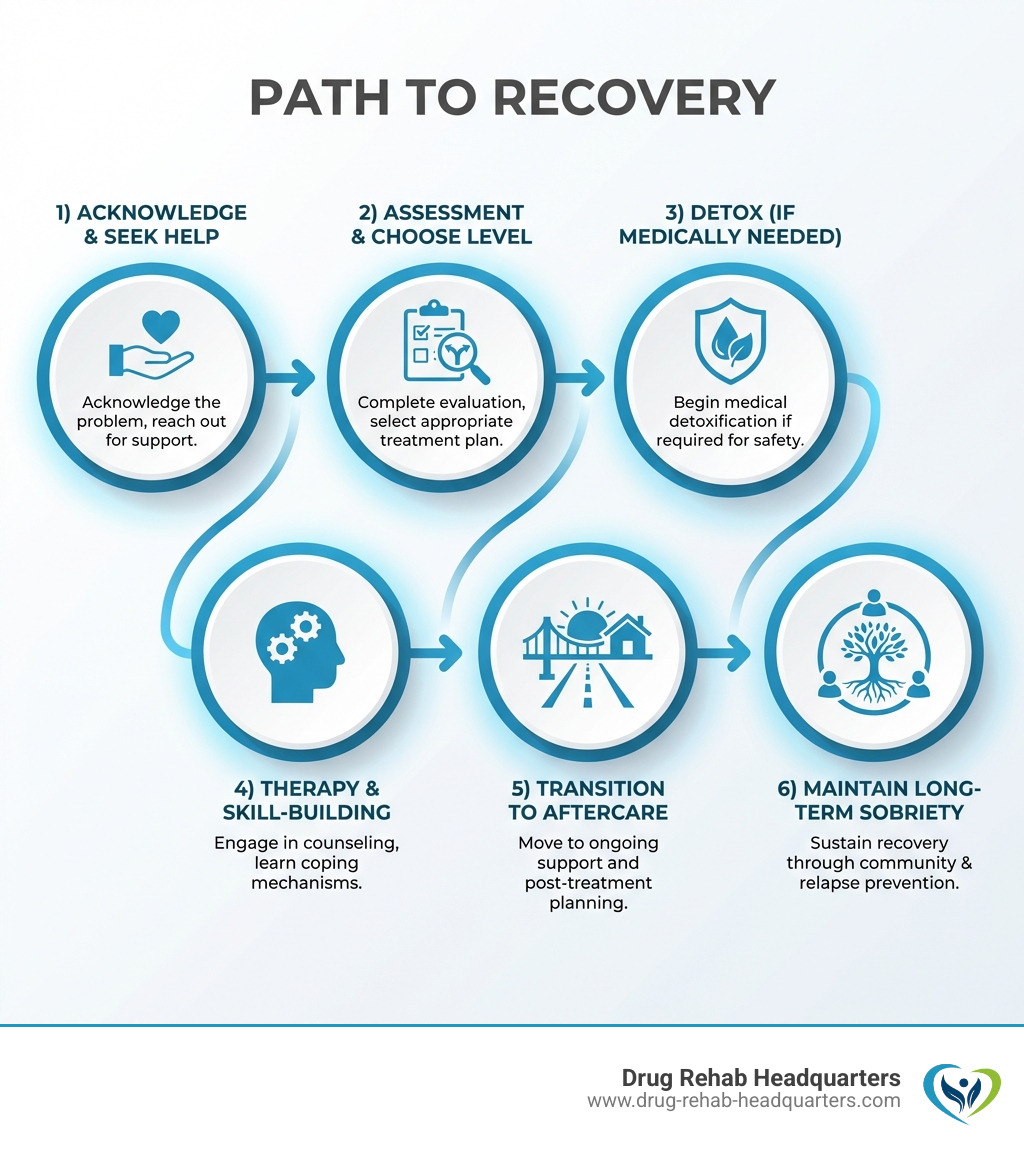
Relevant articles related to Addiction treatment centers:
Understanding the Different Levels of Care
Finding the right addiction treatment center often begins with understanding the different levels of care available. There’s no one-size-fits-all approach to recovery; instead, a continuum of care exists to match the intensity of the program to your unique needs and situation. This ensures you receive the most effective support, whether you require round-the-clock supervision or more flexible options.
Let’s compare the main types of programs:
| Feature | Inpatient/Residential Programs | Outpatient Programs (OP/IOP) | Partial Hospitalization Programs (PHP) |
|---|---|---|---|
| Living Arrangement | Live at the treatment facility | Live at home | Live at home |
| Supervision | 24/7 medical and therapeutic supervision | Scheduled sessions, otherwise independent | Scheduled sessions, otherwise independent |
| Time Commitment | Full-time, highly structured | Part-time, flexible | High-intensity, several hours/day, 5-7 days/week |
| Ideal Candidate | Severe SUDs, unstable home environment, need for medical detox, co-occurring disorders | Mild to moderate SUDs, strong support system, stable home, step-down from higher care | Transition from inpatient, need for structured support without 24/7 residential care, intense day treatment |
Inpatient and Residential Programs
Inpatient or residential programs offer a highly structured, substance-free environment where you live at the treatment facility and receive 24-hour care and supervision from medical professionals, including doctors, nurses, and counselors. This immersive setting provides a complete break from triggers and daily stressors, allowing you to fully focus on your recovery.
These programs are ideal for individuals with severe substance use disorders, those requiring medical monitoring during detoxification, or people with co-occurring mental health conditions that need integrated treatment. Studies have shown that 90 days or more of inpatient treatment give individuals their best chance at positive, long-term recovery outcomes. This extended period allows for deep therapeutic work, skill-building, and a comprehensive understanding of addiction and relapse prevention.
For more details on this intensive form of care, you can explore More on Inpatient Drug Rehab.
Outpatient Programs (OP) and Intensive Outpatient Programs (IOP)
Outpatient programs, including Intensive Outpatient Programs (IOPs), offer a more flexible approach to addiction treatment. These programs allow you to continue living at home while attending scheduled therapy sessions and treatment activities. This option is particularly beneficial for those who need to balance their recovery journey with daily responsibilities such as work, school, or family commitments.
Outpatient programs can be effective for individuals with mild to moderate substance use disorders, or as a step-down level of care after completing an inpatient program. They provide ongoing treatment and support, including educational and counseling sessions focused on understanding addiction, identifying triggers, and adjusting to a healthier lifestyle. An Intensive Outpatient Program (IOP) offers a higher level of clinical intensity than a standard outpatient program but still allows you to live at home.
You can find more detailed information about this flexible treatment option here: Intensive Outpatient Treatment details.
Partial Hospitalization Programs (PHP)
Partial Hospitalization Programs (PHPs) serve as a crucial bridge between inpatient and outpatient care. They offer high-intensity day treatment, typically involving structured therapy for several hours a day, five to seven days a week. While participating in a PHP, you attend treatment during the day but return home or to a sober living environment in the evenings.
PHPs are designed for individuals who require more intensive support than traditional outpatient services but do not need 24-hour medical supervision. This level of care provides a structured therapeutic environment, focusing on comprehensive treatment plans that include individual, group, and family therapy, as well as educational sessions. It’s an excellent option for those transitioning from inpatient care, offering robust support as they reintegrate into their daily lives.

Core Services Offered at Addiction Treatment Centers
Effective addiction treatment centers provide a comprehensive array of services designed to address every facet of substance use disorder. These centers often integrate evidence-based practices with holistic wellness approaches to ensure a well-rounded and sustainable recovery. From initial detoxification to ongoing therapy and support, these core services are foundational to helping individuals build a healthier, substance-free life.

Medically-Supervised Detox and Withdrawal Management
For many individuals, the first critical step in recovery is medically-supervised detoxification. Detoxing from drugs or alcohol on your own can be incredibly dangerous, leading to severe withdrawal symptoms and potentially life-threatening complications. Our medical detox programs prioritize your safety and comfort, managing physical withdrawal symptoms under the careful supervision of medical professionals.
During this phase, medications may be administered to alleviate discomfort and prevent dangerous side effects, ensuring a smoother transition to the next stages of treatment. This medically monitored stabilization is crucial for preparing your body and mind for ongoing community-based recovery services. To learn more about this vital initial step, visit Medical Detox Programs explained. You can also gain a deeper understanding of the physical challenges involved by reviewing our Drug Withdrawal Symptoms guide.
Medication-Assisted Treatment (MAT)
Medication-Assisted Treatment (MAT) is an evidence-based approach that combines FDA-approved medications with counseling and behavioral therapies. MAT is particularly effective in treating opioid use disorder and alcohol use disorder. The medications used in MAT, such as buprenorphine, methadone, and naltrexone, help to manage cravings, alleviate withdrawal symptoms, and prevent relapse, improving treatment outcomes and helping individuals sustain recovery.
For example, buprenorphine is approved for adolescents aged 16 and over with opioid use disorder, highlighting its utility across different age groups. MAT is not simply substituting one drug for another; it’s a comprehensive approach that supports individuals in regaining control over their lives. To understand more about how medication can aid in recovery, especially for opioid addiction, explore Learn about Opiate Addiction Treatment.
Addressing Co-Occurring Disorders (Dual Diagnosis)
It’s common for individuals struggling with substance use disorders to also experience co-occurring mental health conditions. These can include depression, anxiety, PTSD, bipolar disorder, and ADHD. When both a substance use disorder and a mental health disorder are present, it’s referred to as a dual diagnosis. Effective addiction treatment centers recognize the critical importance of treating both conditions simultaneously and in an integrated manner.
Ignoring one while treating the other often leads to poorer outcomes and a higher risk of relapse. Integrated care plans address the complex interplay between mental health and substance use, providing comprehensive therapy, medication management, and support custom to your unique needs. Ideally, co-occurring mental health conditions should be treated in tandem with the substance use disorder to foster lasting recovery. To find facilities specializing in this integrated approach, you can search for a Dual Diagnosis Treatment Facility.
The Role of Therapy and Peer Support
Therapy forms the cornerstone of addiction recovery, helping individuals understand the root causes of their substance use and develop healthy coping mechanisms. Common therapeutic modalities include:
- Cognitive Behavioral Therapy (CBT): Helps identify and change negative thought patterns and behaviors contributing to substance use.
- Dialectical Behavior Therapy (DBT): Focuses on emotional regulation, distress tolerance, interpersonal effectiveness, and mindfulness.
- Group Therapy: Provides a supportive environment for individuals to share experiences, gain perspective, and practice new skills with others facing similar challenges.
- Family Counseling: Involves family members in the healing process, addressing relational dynamics affected by addiction and fostering a supportive home environment.
Beyond professional therapy, peer support services play a vital role. Peer support specialists, many of whom have lived experience in recovery, offer invaluable guidance, encouragement, and understanding. They can provide pre-admission and post-discharge support, helping individuals steer the challenges of recovery and maintain long-term sobriety. Self-help support groups, often using the 12-step model (like Alcoholics Anonymous and Narcotics Anonymous), also provide a powerful community for ongoing recovery. Learn more about these foundational programs at Information on 12-Step Programs.
Navigating Costs and Finding a Center
One of the most significant concerns for individuals seeking addiction treatment is the cost. Financial worries can sometimes deter people from getting the help they desperately need. However, many options exist to make treatment accessible and affordable. Understanding the various payment methods, insurance coverage, and public funding programs is a crucial step in your recovery journey.
Understanding the Cost of Rehab and Insurance Options
The cost of rehab can vary widely depending on the type of program (inpatient, outpatient, PHP), the length of stay, the services offered, and the facility’s location and amenities. While some programs can be expensive, many addiction treatment centers work with various insurance providers to make treatment more affordable.
Most private insurance plans offer some level of coverage for substance use disorder treatment, though the extent of coverage can differ based on your plan, deductible, and whether the facility is in-network or out-of-network. It’s always a good idea to verify your benefits directly with your insurance provider or with the treatment center’s admissions team. Our team can help you understand your coverage; you can find more information here: Does Insurance Cover Rehab? and Verify your insurance coverage now.
Utilizing Public Funding: Medicare and Medicaid
For those with limited financial resources or specific eligibility, public funding options like Medicare and Medicaid can significantly reduce the financial burden of addiction treatment.
-
Medicare Coverage: Medicare covers a wide range of behavioral health services.
- Medicare Part A covers inpatient behavioral health services, such as when you’re admitted to a general or psychiatric hospital.
- Medicare Part B covers various outpatient and intensive outpatient behavioral health services, including individual and group therapy, and services at Opioid Treatment Programs (OTPs). It also covers partial hospitalization services if specific requirements are met, and behavioral health integration services to manage care for health conditions.
- Medicare Part D covers many prescription drugs used to treat mental health conditions, which can be crucial for MAT.
- It’s worth noting that for services at places like Pyramid Healthcare Asheville (in North Carolina), Medicare is accepted for individual therapy and medication management services.
-
Medicaid Coverage: Medicaid is a state and federal program that provides health coverage to low-income individuals and families. Medicaid benefits for substance use disorder treatment can vary by state, but many states, including those where we operate, offer comprehensive coverage for various treatment types. For example, in North Carolina, state-operated facilities like the Alcohol and Drug Abuse Treatment Centers (ADATCs) serve adults in need of substance use disorder treatment and psychiatric stabilization. Admission is available to any adult in North Carolina regardless of financial resources or insurance status, with daily rates based on a sliding scale. Health insurance, Medicare, and/or Medicaid coverage can be applied. If you are eligible for both Medicare and Medicaid, you may have even more comprehensive coverage. To understand what specific health services may be covered in your state, we encourage you to contact your State Medical Assistance (Medicaid) office.
How to Find the Right Addiction Treatment Centers for You
Finding the right addiction treatment center is a personal journey, and find a facility that aligns with your needs, values, and financial situation.
Here are key steps to guide your search:
- Use Trusted Treatment Locators: Resources like FindTreatment.gov, a confidential and anonymous government-backed portal, allow you to search for treatment centers across the United States and its territories. This is an excellent starting point to identify facilities near you or in a desired location. The Substance Abuse and Mental Health Services Administration (SAMHSA) website also provides comprehensive treatment locators, including specialized directories for Opioid Treatment Programs and Buprenorphine practitioners.
- Ask for Referrals: Your primary care physician, a mental health professional, or even trusted friends and family who have experience with addiction can provide valuable referrals.
- Check for Accreditation: Reputable treatment centers often hold accreditations from recognized organizations such as The Joint Commission (JCAHO) or the Commission on Accreditation of Rehabilitation Facilities (CARF). These accreditations signify that the center meets high standards of care and safety.
- Consider Your Specific Needs: Do you need a program that specializes in co-occurring disorders? Are you looking for a faith-based approach or a holistic program? Do you need gender-specific treatment? Tailoring your search to these specific requirements will help you narrow down your options.
- Contact Facilities Directly: Once you have a shortlist, reach out to the admissions teams. Ask about their treatment philosophies, success rates, staff qualifications, and what a typical day in their program looks like.
At Drug Rehab Headquarters, we offer 24/7 free support from certified counselors, many with lived experience, who can provide personalized guidance to help you find suitable, evidence-based, holistic treatment options across the United States. Don’t hesitate to reach out for assistance in this crucial search. You can also start by exploring Find Addiction Rehab Centers Near Me.
Specialized Treatment and Emergency Support
Addiction doesn’t affect everyone in the same way, and treatment shouldn’t be one-size-fits-all. Many addiction treatment centers offer specialized programs custom to specific populations, such as adolescents, or for particular situations that require immediate, emergency support. These custom programs acknowledge unique challenges and provide targeted interventions for more effective recovery.
What to Expect from Addiction Treatment Centers for Adolescents
Adolescents with substance use problems have unique developmental needs that require specialized treatment programs. Their brains are still developing, making them particularly vulnerable to the effects of drug use, which can impact decision-making, judgment, planning, and self-control.
Adolescent treatment programs typically feature:
- Custom Approaches: Programs are specifically designed for younger individuals, often incorporating behavioral treatments like Cognitive Behavioral Therapy (CBT) and contingency management, which are proven effective for this age group.
- Family Involvement: Family counseling and therapy are often central components, as family dynamics play a significant role in an adolescent’s recovery.
- Co-Occurring Disorders: These programs are equipped to address common co-occurring mental health disorders in teens, such as ADHD, conduct problems, depression, and anxiety, treating them in tandem with the substance use disorder.
- Age-Appropriate Activities: Many programs include pro-social recreational activities and educational components to help adolescents develop healthy coping skills and interests.
- Medication Options: For opioid use disorder, buprenorphine is an FDA-approved medication for adolescents aged 16 and over.
If you’re seeking support for a young person, explore Rehab for Young Adults and learn about Adolescent Substance Abuse Health Risks.
Accessing Immediate Help: Crisis and Emergency Hotlines
In moments of crisis, immediate help is crucial. Whether it’s a mental health emergency, an overdose, or an overwhelming urge to use, knowing where to turn can be life-saving.
Signs that you or a loved one might need emergency help include:
- Thoughts of self-harm or suicide.
- Symptoms of overdose (e.g., severe breathing difficulties, unresponsiveness, extreme confusion).
- Intense withdrawal symptoms that are unmanageable or dangerous (e.g., seizures, delirium tremens).
- Experiencing a severe psychotic episode.
- An immediate threat to safety due to substance use.
For immediate support, the 988 Suicide & Crisis Lifeline is available 24/7 across the United States. You can call or text 988 to connect with trained crisis counselors who can provide support and resources. Additionally, many addiction treatment centers and national organizations offer 24/7 confidential support lines. These helplines can offer guidance, assess your situation, and connect you with local resources or emergency services. Reaching out is a sign of strength, and help is always available. Find continuous support and resources through our page on 24/7 Support Connecting with a Drug Addiction Helpline.
Frequently Asked Questions about Addiction Treatment
As you consider your options for addiction treatment, it’s natural to have many questions. Here, we address some of the most common inquiries to provide clarity and peace of mind.
How long does rehab last?
The duration of rehab programs varies significantly based on individual needs, the severity of the substance use disorder, and the type of treatment chosen. Common program lengths include:
- 30-day programs: Often a good starting point for detoxification and initial stabilization, or for individuals with less severe addictions.
- 60-day programs: Provide more time for therapeutic work and skill development.
- 90-day programs: Studies have shown that 90 days or more of inpatient treatment give individuals their best chance at positive, long-term recovery outcomes. This extended period allows for deeper engagement in therapy, habit formation, and relapse prevention strategies.
- Long-term programs (6 months to a year or more): These are often residential and provide intensive, ongoing support for chronic or severe addictions, allowing ample time for significant life changes.
The most effective duration is one that allows for comprehensive healing and establishes a strong foundation for sustained sobriety. Rehab is just the beginning; aftercare is key to long-term success.
What happens after I complete a program?
Completing an initial treatment program is a significant achievement, but it’s not the end of the recovery journey. What happens next is crucial for maintaining sobriety and building a fulfilling life. A comprehensive aftercare plan is developed to provide ongoing support and resources, which may include:
- Sober Living Homes: These provide a structured, supportive, and substance-free environment, acting as a bridge between intensive treatment and independent living.
- Ongoing Therapy: Continuing individual or group therapy sessions helps reinforce coping skills, address new challenges, and provide consistent support.
- Support Groups: Participation in 12-step programs (like AA or NA) or other peer-led support groups (like SMART Recovery) offers community, accountability, and shared experience.
- Relapse Prevention Strategies: Developing and regularly reviewing a personalized plan to identify triggers and manage cravings is essential.
- Life Skills Training: Many aftercare programs help individuals with vocational training, educational pursuits, and building healthy relationships.
Aftercare is a dynamic process, adapting to your evolving needs as you steer life in recovery. To learn more about this vital phase, visit Post Rehab Drug Rehab Aftercare.
Can I lose my job for going to rehab?
Concerns about employment are common when considering addiction treatment, but there are important legal protections in place for individuals seeking help:
- Family and Medical Leave Act (FMLA): If you work for a covered employer and meet eligibility requirements, FMLA allows you to take up to 12 weeks of unpaid, job-protected leave for medical reasons, including treatment for a serious health condition like a substance use disorder. Your job, or an equivalent one, must be available to you upon your return.
- Americans with Disabilities Act (ADA): The ADA protects qualified individuals with disabilities, which can include those with a history of substance use disorder who are no longer actively using illegal drugs. Employers are generally required to provide reasonable accommodations for employees in recovery, as long as it doesn’t pose an undue hardship.
- Confidentiality: Addiction treatment centers are bound by strict confidentiality laws (such as 42 CFR Part 2) that protect your privacy. Your employer generally cannot be informed of your treatment without your explicit consent.
It’s always advisable to understand your company’s policies, consult with HR, and seek legal advice if you have specific concerns. Many employers are supportive of employees seeking treatment, recognizing that a healthy workforce benefits everyone.
Conclusion: Take the First Step Today
The journey to recovery from substance use disorder is profound, challenging, and ultimately, deeply rewarding. As we’ve explored, addiction treatment centers offer a diverse range of programs, therapies, and support systems designed to meet you wherever you are on your path. From the intensive structure of inpatient care to the flexible support of outpatient programs, and with specialized services for adolescents and immediate help for crises, there is a path forward for everyone.
Understanding the costs, navigating insurance, and utilizing public funding like Medicare and Medicaid are practical steps that can make treatment accessible. Crucially, you don’t have to steer this complex landscape alone.
Recovery is not a destination, but a continuous journey toward a brighter, healthier future. Taking the first step, acknowledging the need for help, and reaching out for support are the most powerful actions you can take. At Drug Rehab Headquarters, we are here to empower you through this process. We offer 24/7 free, confidential support from certified counselors, many with lived experience, providing personalized guidance to help you find suitable, evidence-based, holistic treatment options across the United States.
Don’t let fear or uncertainty hold you back from the life you deserve. Begin your journey today and find the hope and healing that await you.
Begin your journey with our comprehensive Addiction Treatment guide