
Why Medical Detox is the Safe First Step to Recovery
A Medical detox program is a supervised healthcare process that helps people safely stop using drugs or alcohol while managing withdrawal symptoms under professional medical care. Here’s what you need to know:
Key Components of Medical Detox:
- 24/7 medical supervision by trained healthcare professionals
- Medication management to ease withdrawal symptoms and prevent complications
- Safe environment designed to support physical and mental stabilization
- Average duration of 5-7 days (varies by substance and individual needs)
- First step only – must be followed by ongoing addiction treatment for lasting recovery
If you or someone you care about is struggling with addiction, the idea of stopping can feel terrifying. Withdrawal symptoms are real, and they can be dangerous. That’s exactly why medical detox exists.
Medical detox provides the safety net you need when your body has become dependent on a substance. Unlike trying to quit “cold turkey” at home, a medical detox program gives you access to doctors, nurses, and medications that make withdrawal safer and more comfortable.
But here’s what many people don’t realize: detox alone isn’t enough. It clears the substance from your body, but it doesn’t address why addiction happened or how to prevent relapse. Think of it as the essential first step on a longer journey.
At Drug Rehab Headquarters, we’ve helped countless individuals and families understand their treatment options and connect with quality medical detox programs that lead to comprehensive addiction care. Our mission is to guide you through every step of the recovery process, starting with safe, supervised detoxification.
Basic Medical detox program glossary:
- addiction recovery centers arizona
- addiction recovery centers in kentucky
- addiction recovery treatment centers
Understanding Medical Detox: Safety, Necessity, and Key Differences

The thought of withdrawal can be daunting, often preventing people from seeking help. A Medical detox program provides a structured, safe environment for the initial, most challenging phase of recovery, a crucial distinction from trying to tough it out alone.
What is Medical Detoxification?
Medical detoxification is a supervised process to help individuals safely clear drugs or alcohol from their system. It manages acute intoxication and the uncomfortable, sometimes dangerous, withdrawal symptoms that follow. The goal in a Medical detox program is to minimize physical harm, ensure comfort, and prepare you for the next steps in recovery.
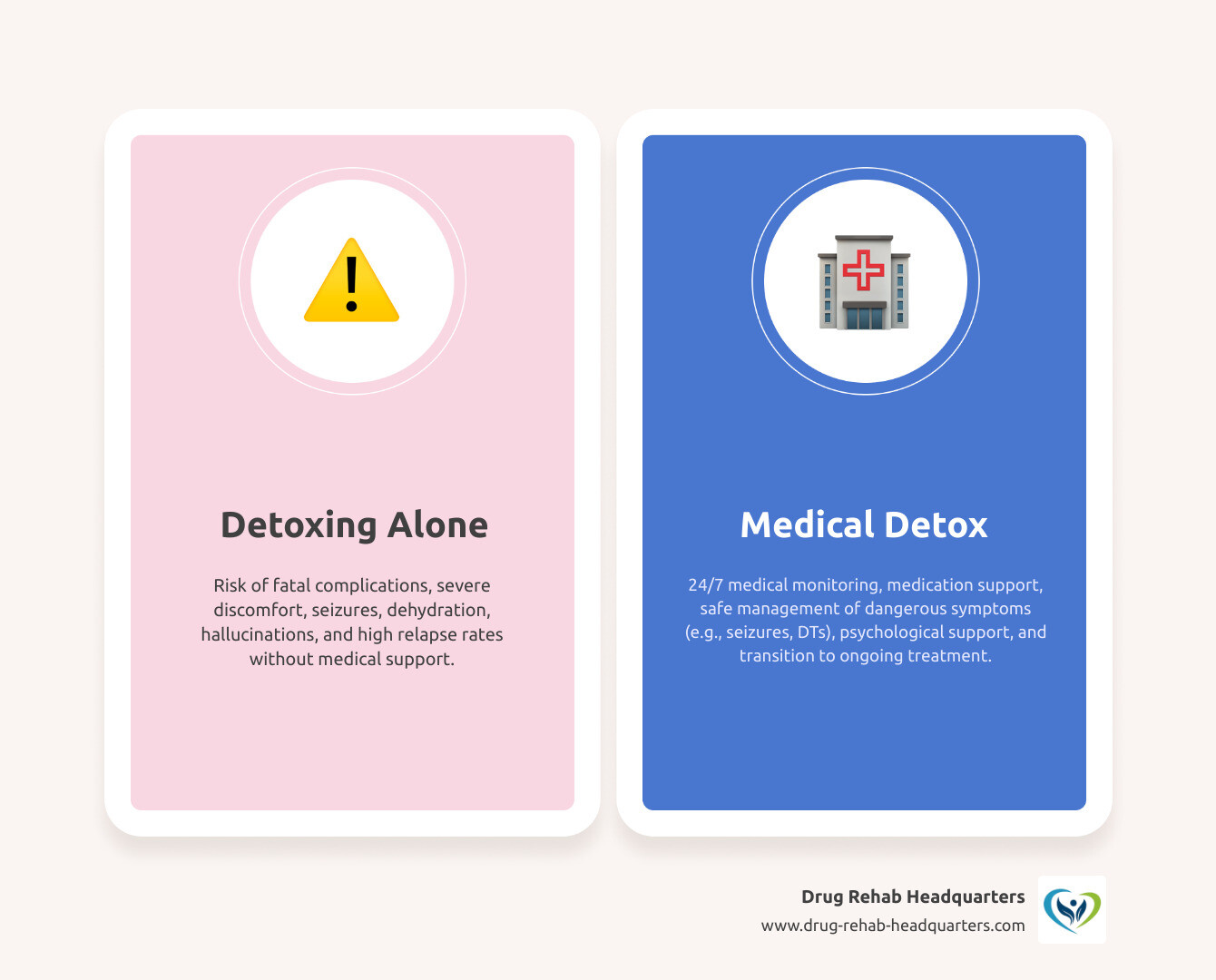
Unlike quitting “cold turkey” at home, which is risky and often unsuccessful, medical detox offers 24/7 medical care. Trained professionals constantly monitor vital signs, assess symptoms, and adjust medications as needed. This support is impossible to replicate outside a specialized facility. While some envision a hospital, many medical detox programs are in dedicated, comfortable facilities, providing a serene environment with strict medical oversight. You can learn more about these supervised processes at our Medical Detox Programs page.
The Dangers of Detoxing Alone
The severe risks of unsupervised withdrawal cannot be stressed enough. Depending on the substance and usage history, detoxing alone can lead to life-threatening complications and serious medical emergencies.
Risks of unsupervised withdrawal include:
- Seizures: Especially common with alcohol and benzodiazepine withdrawal.
- Hallucinations: Visual, auditory, or tactile disturbances that can be terrifying and disorienting.
- Dehydration: Due to vomiting, diarrhea, and reduced fluid intake.
- Heart complications: Irregular heartbeats, high blood pressure, and even heart attack.
- Delirium Tremens (DTs): A severe form of alcohol withdrawal characterized by confusion, rapid heart rate, and fever, which can be fatal without medical intervention.
For a comprehensive look at what to expect, see our Drug Withdrawal Symptoms Complete Guide. It’s also vital to note the dangers of “rapid detox” or “ultra-rapid detox” methods, which use anesthesia to accelerate the process. These methods are expensive and carry significant, potentially fatal outcomes. Studies show that about 1 in 500 individuals who undergo ultra-rapid detox die, highlighting the importance of evidence-based, medically supervised care.
When is a Medical Detox Program Necessary?
Deciding if a Medical detox program is right for you often comes down to physical dependence and the potential severity of withdrawal. We typically recommend medical detox if you exhibit:
- Signs of physical dependence: Your body has adapted to the substance, and you experience physical symptoms when you try to stop or reduce use.
- High dosage or frequency of use: The more you use, and the more often, the higher the likelihood of severe withdrawal.
- History of withdrawal symptoms: If you’ve tried to quit before and experienced significant or dangerous withdrawal, medical detox is essential.
- Co-occurring medical or mental health conditions: These can complicate withdrawal and require integrated care.
- Use of certain substances: Some substances carry a higher risk for severe or fatal withdrawal symptoms. You can explore general detox options on our Detox page.
Here’s a list of substances that commonly require a Medical detox program due to their potential for severe withdrawal:
- Alcohol: Alcohol withdrawal can be life-threatening due to the risk of seizures and Delirium Tremens.
- Opioids (Heroin, Fentanyl, Prescription Painkillers): While typically not fatal, opioid withdrawal is painful and uncomfortable, leading many to relapse. Medications can significantly ease this process.
- Benzodiazepines (Xanax, Valium, Klonopin): Similar to alcohol, benzodiazepine withdrawal can cause seizures, psychosis, and Delirium Tremens, making medical supervision critical.
- Stimulants (Cocaine, Methamphetamine): While physical withdrawal is less severe than with alcohol or opioids, the psychological crash, intense cravings, and severe depression can be debilitating and increase the risk of relapse or self-harm, warranting medical support.
Specific Withdrawal Symptoms and Risks
Understanding the specific symptoms associated with different substances helps illustrate why medical supervision is so vital.
Alcohol Withdrawal Symptoms:
Initial symptoms often include tremors, anxiety, nausea, vomiting, sweating, and headache. These can escalate to more severe conditions like hallucinations and seizures. The most severe manifestation is Delirium Tremens (DTs), which occurs in approximately 5% of cases and can be fatal without immediate medical intervention. DTs involve profound confusion, rapid heart rate, high blood pressure, fever, and severe agitation. Our Alcohol Detox Symptoms page provides more detailed information, and you can dig deeper into the science behind it via this resource: More on alcohol withdrawal.
Opioid Withdrawal Symptoms:
Opioid withdrawal, though rarely life-threatening on its own, is notoriously uncomfortable. Symptoms can feel like a severe flu, including intense muscle aches, joint pain, nausea, vomiting, diarrhea, abdominal cramping, sweating, runny nose, watery eyes, and extreme anxiety. The body’s craving for the drug can be overwhelming, making relapse highly likely without support. Our Heroin Detox Process details how medical detox can alleviate these symptoms.
Benzodiazepine Withdrawal Symptoms:
Benzodiazepine withdrawal can be particularly dangerous and protracted. Symptoms often include severe anxiety, panic attacks, insomnia, muscle spasms, tremors, and sensory hypersensitivity. Like alcohol, severe benzodiazepine withdrawal can lead to seizures and psychosis. Tapering off these medications under medical supervision is crucial to prevent serious complications. Learn more about managing this process at our Benzo Withdrawal Treatment page and from this clinical overview: Information on Benzodiazepine withdrawal.
For stimulants like cocaine and methamphetamine, withdrawal primarily involves intense psychological symptoms such as severe depression, fatigue, increased appetite, and strong cravings. While not typically life-threatening in the same way as alcohol or benzos, the psychological distress can be profound, increasing the risk of self-harm or immediate relapse without a supportive environment.
What to Expect During a Medical Detox Program

Starting on a Medical detox program can feel like stepping into the unknown, but knowing what to expect can ease anxieties. Our programs are structured to provide a safe, supportive, and effective path through withdrawal, guided by experienced medical professionals.
The Three Core Stages: Evaluation, Stabilization, and Transition
Every comprehensive Medical detox program follows a similar three-stage process, ensuring that all aspects of your well-being are addressed.
- Evaluation Phase: This is where we get to know you. Upon admission, a thorough medical assessment is conducted. This includes a physical exam, blood tests, and a detailed review of your medical history, substance use history, and any co-occurring mental health conditions. We also perform a psychological screening to understand your mental state and any immediate needs. This comprehensive evaluation allows us to create a personalized treatment plan custom to your specific needs and risks.
- Stabilization Phase: This is the heart of the detox process, where medical monitoring is constant. Our healthcare team will administer medications to manage withdrawal symptoms, alleviate discomfort, and prevent complications. Psychosocial support is integrated into this phase, with counselors and support staff available to help you steer the emotional challenges of withdrawal. The primary goals here are to ensure your physical safety, stabilize your condition, and prevent any harm that could arise from withdrawal. This phase is crucial for fostering entry into subsequent addiction treatment. You can find more about the specifics of this care on our Detox Treatment page.
- Transition Phase: As your physical symptoms subside and you become medically stable, we begin preparing you for the next steps in your recovery journey. Detox is just the beginning, and a successful transition to ongoing treatment is vital for long-term sobriety. This phase involves discharge planning, connecting you with inpatient, outpatient, or other supportive services, and ensuring you have a clear path forward.
Medications Used to Manage Withdrawal
Medication plays a pivotal role in making a Medical detox program effective and humane. The purpose of these medications is threefold: to provide symptom relief, reduce intense cravings, and prevent potentially dangerous complications. For those detoxing from prescription drugs, this is especially critical to manage the body’s dependence safely. Our page on Detox from Prescription Drugs offers more insights.
Common medications used in detox include:
- Buprenorphine (often combined with Naloxone as Suboxone): Used primarily for opioid withdrawal, it helps reduce cravings and alleviate withdrawal symptoms by acting on the same receptors as opioids, but without the same euphoric effects.
- Methadone: Another opioid agonist medication used for opioid withdrawal, particularly in cases of severe dependence. It is typically administered in a controlled, tapering dose.
- Naltrexone: Can be used after detox for both opioid and alcohol dependence to reduce cravings and block the euphoric effects of these substances.
- Benzodiazepines (e.g., Librium, Valium): Crucial for managing alcohol withdrawal, these medications help prevent seizures and reduce anxiety and agitation.
- Acamprosate: Used after alcohol detox to help individuals abstain from alcohol by reducing cravings and withdrawal discomfort.
- Anticonvulsants (e.g., Gabapentin): May be used to manage seizure risk, particularly in alcohol or benzodiazepine withdrawal, and can help with nerve pain.
Duration and Influencing Factors
The length of stay in a Medical detox program is not one-size-fits-all; it’s highly variable and depends on individual circumstances. We believe in individualized treatment plans, recognizing that each person’s journey is unique.
While the average duration for most substances is typically 5-7 days, this can fluctuate significantly:
- Alcohol detox: Can range from 2-8 days, depending on the severity of dependence and the presence of DTs.
- Opioid detox: Can last anywhere from 5 days to several weeks, with some medication-assisted protocols extending up to 120 days to ensure a smooth transition.
- Benzodiazepine detox: Often requires a gradual taper, which can take weeks or even months in some cases, although the initial acute detox phase in a facility might be shorter.
Factors that influence the duration include:
- Type of substance: Different substances have different withdrawal timelines.
- Duration and frequency of use: Long-term, heavy use typically requires a longer detox.
- Dosage: Higher doses lead to more intense withdrawal.
- Physical health: Underlying health conditions can complicate detox and extend the process.
- Mental health: Co-occurring mental health disorders can impact symptom severity and management.
Addressing Co-Occurring Disorders and Ensuring Privacy
Many individuals entering a Medical detox program also grapple with co-occurring mental health disorders, often referred to as a dual diagnosis. Conditions like depression, anxiety, PTSD, or bipolar disorder can significantly impact the detox process and overall recovery. Our Dual Diagnosis Treatment Facility approach ensures that both the addiction and the mental health condition are treated simultaneously, as they often intertwine and exacerbate each other. Integrated treatment leads to more successful and sustainable recovery outcomes.
We also place the highest priority on patient privacy and confidentiality. We understand that seeking help for addiction is a deeply personal decision, and respecting your privacy is paramount. All our facilities adhere strictly to HIPAA compliance regulations, ensuring that your personal and medical information remains confidential. Our non-judgmental environment is designed to foster trust and open communication, allowing you to focus on your healing without fear of stigma or exposure.
Life After Detox: The Critical Next Steps for Lasting Recovery
Completing a Medical detox program is a monumental achievement, a crucial first step on the path to sobriety. However, understand that detox is not a cure for addiction. It addresses the physical dependence, clearing the body of substances, but the psychological, emotional, and behavioral aspects of addiction remain. The real work of recovery begins after detox.
Detox Center vs. Comprehensive Treatment Facility
It’s important to distinguish between a detox center and a comprehensive addiction treatment facility. A detox center’s primary focus is short-term stabilization, managing acute withdrawal symptoms, and ensuring physical safety. It’s an emergency room for addiction, if you will.
A comprehensive treatment facility, on the other hand, focuses on long-term recovery. These facilities offer a full spectrum of care, including therapy, counseling, education, and relapse prevention strategies designed to address the root causes of addiction. Our Addiction Treatment Center Complete Guide provides an in-depth look at what these centers offer.
Without continued treatment, the likelihood of relapse after detox alone is very high. Statistics show a low rate of treatment follow-up after individuals are discharged from detox programs without a direct transition plan to ongoing care. This underscores the critical need to view detox as merely the essential first step, not the final destination.
Why Continued Treatment is Essential for Sobriety
Addiction is a complex condition that affects the brain’s reward system, motivation, memory, and related circuitry. It’s recognized as a chronic condition, similar to diabetes or heart disease, requiring ongoing management. As NIDA highlights, Addiction as a chronic condition means it’s not simply a matter of willpower.
Continued treatment is essential for several reasons:
- Addressing psychological aspects: Detox doesn’t teach coping mechanisms for stress, triggers, or emotional pain. Therapy helps uncover and address the underlying issues contributing to substance use.
- Relapse prevention: Learning to identify triggers, develop healthy coping skills, and create a strong support network are crucial for preventing relapse.
- Developing coping skills: Treatment provides tools for managing cravings, handling difficult emotions, and navigating high-risk situations without resorting to substance use.
- Building a support system: Connecting with peers and professionals who understand addiction fosters a sense of community and accountability.
Studies consistently demonstrate that linking individuals from detox directly to ongoing treatment significantly increases their chances of long-term recovery. This continuity of care is paramount. Our Post Rehab Drug Rehab Aftercare programs are designed to support this crucial phase.
Building a Long-Term Recovery Plan
A robust, long-term recovery plan is multifaceted and custom to your individual needs. It often involves a combination of therapeutic approaches and supportive environments:
- Inpatient Drug Rehab: Offers a structured, immersive environment away from triggers, providing 24/7 support and intensive therapy. Explore more about Inpatient Drug Rehab.
- Intensive Outpatient Treatment (IOP): Provides a high level of care while allowing you to live at home and attend to daily responsibilities. Learn about Intensive Outpatient Treatment.
- Therapy: Cognitive Behavioral Therapy (CBT) helps identify and change negative thought patterns, while Dialectical Behavior Therapy (DBT) focuses on emotional regulation and distress tolerance.
- 12-Step Programs: Groups like Alcoholics Anonymous (AA) and Narcotics Anonymous (NA) provide peer support and a spiritual framework for recovery. Our 12 Step Program page offers more information.
- Holistic approaches: Incorporating practices like mindfulness, yoga, nutrition, and exercise can support overall well-being and stress reduction.
At Drug Rehab Headquarters, we are dedicated to helping you Find comprehensive addiction treatment that fits your unique journey.
Navigating Access to Care: Costs and Insurance for Detox
Understanding the financial aspects of a Medical detox program is a critical step for many individuals and families. We know that concerns about cost should never be a barrier to seeking life-saving treatment.
Understanding the Cost of Medical Detox
The cost of a Medical detox program can vary widely, influenced by several factors:
- Level of care: The intensity of medical supervision and the types of services provided.
- Duration of stay: Longer detox periods naturally incur higher costs.
- Location: Facilities in different states or regions may have varying price points.
- Amenities: Luxury facilities with extensive amenities will typically be more expensive than standard programs.
While it’s difficult to provide an exact figure without knowing your specific needs, we encourage you not to let potential costs deter you. There are various payment options available, and many facilities are committed to working with individuals to make treatment accessible. Our Cost of Rehab page provides more insights into this topic.
Does Insurance Cover Detox Programs?
The good news is that in the United States, mental health and substance use disorder services, including Medical detox programs, are increasingly covered by insurance. Landmark legislation has helped ensure this:
- Affordable Care Act (ACA): Mandates that most health insurance plans cover substance use disorder treatment as an essential health benefit.
- Mental Health Parity and Addiction Equity Act (MHPAEA): Requires that insurance companies provide coverage for mental health and substance use disorders at parity with medical and surgical benefits. This means co-pays, deductibles, and treatment limits should be no more restrictive for addiction treatment than for other medical conditions.
However, coverage can still vary based on your specific plan, whether a facility is in-network or out-of-network, and the type of program you choose. It’s crucial to verify your benefits directly with your insurance provider or with the admissions team at a treatment center. Our Does Insurance Cover Rehab? page can help explain this process.
To make this process easier, we offer a dedicated service to help you. You can Verify your insurance coverage now through our website, and our team will work with you to understand your benefits and identify suitable treatment options.
Frequently Asked Questions about Medical Detox
We often hear similar questions from individuals and families considering a Medical detox program. Here are some of the most common ones, along with our expert insights.
Is rapid detox safe?
The term “rapid detox” or “ultra-rapid detox” typically refers to procedures that use anesthesia to put a patient into a coma while medications are administered to quickly flush drugs from their system, primarily for opioid dependence. While the idea of a fast-forwarded detox might sound appealing, we strongly advise against these methods.
Rapid detox carries significant risks, including:
- Heart attack and other cardiovascular complications.
- Infection.
- Pulmonary edema (fluid in the lungs).
- And, tragically, death. As mentioned earlier, statistics indicate that approximately 1 in 500 individuals die from ultra-rapid detox.
Beyond the immediate dangers, rapid detox is also extremely costly and has a low long-term success rate. It does not address the psychological components of addiction, often leaving individuals with intense cravings and a high risk of relapse. Evidence-based, medically supervised detox, though it may take longer, prioritizes your safety and prepares you for sustained recovery.
What’s the difference between physical dependence and addiction?
This is a really important distinction! While often used interchangeably, physical dependence and addiction are not the same:
- Physical dependence: This occurs when your body adapts to the presence of a substance and experiences withdrawal symptoms if you stop or reduce its use. You can be physically dependent on a substance without being addicted. For example, someone taking prescribed painkillers for chronic pain might become physically dependent but not compulsively seek the drug or use it despite negative consequences.
- Addiction: This is a chronic, relapsing brain disease characterized by compulsive drug seeking and use despite harmful consequences. It involves changes in brain circuitry related to reward, motivation, and memory. Addiction is about much more than just physical withdrawal; it’s about a loss of control over drug use.
While physical dependence is often a component of addiction, you can be physically dependent without being addicted, and conversely, psychological addiction can occur without severe physical dependence (e.g., with some stimulants). Understanding this difference is key to appropriate treatment. Our Addiction Complete Guide dives deeper into this complex topic.
How do I find a reputable medical detox center?
Finding the right Medical detox program is crucial. Here are key indicators of a reputable center:
- Licensing and Accreditation: Ensure the facility is licensed by the state and ideally accredited by recognized bodies such as The Joint Commission or CARF (Commission on Accreditation of Rehabilitation Facilities). These accreditations signify adherence to high standards of care.
- ASAM Levels of Care: Reputable centers should align with the American Society of Addiction Medicine (ASAM) criteria for levels of care, ensuring you receive the appropriate intensity of treatment for your needs.
- Experienced Medical Staff: Look for centers with a team of qualified medical doctors, registered nurses, and addiction specialists who have experience in managing complex withdrawal symptoms.
- Evidence-Based Practices: The program should use treatments and medications that are backed by scientific research.
- Connection to a Full Continuum of Care: A good detox center understands that it’s only the first step. They should have clear pathways and partnerships for transitioning patients into inpatient, outpatient, or other long-term recovery programs.
At Drug Rehab Headquarters, we connect individuals to a network of Addiction Rehab Centers Near Me that meet these rigorous standards, ensuring you receive the best possible start to your recovery.
Conclusion: Taking the First Step Towards a Healthier Future
Starting on the journey of recovery from addiction is one of the bravest decisions you can make. A Medical detox program stands as a guide of hope, offering a safe, medically supervised pathway through the challenging initial stages of withdrawal. We’ve seen how effective and essential this first step is for countless individuals seeking a healthier, substance-free future.
Medical detox is about more than just clearing substances from your system; it’s about stabilizing your body and mind, minimizing discomfort, and preventing dangerous complications. It provides the crucial foundation upon which lasting recovery can be built. While it is a powerful first step, it is imperative to follow detox with comprehensive, ongoing treatment to address the underlying causes of addiction and develop the skills needed for long-term sobriety.
At Drug Rehab Headquarters, we understand the courage it takes to reach out for help. Our mission is to provide 24/7 free support from certified counselors, many with lived experience, offering personalized guidance to find suitable, evidence-based, holistic treatment options across North America. We are here to help you steer the complexities of addiction treatment and connect you with the right Medical detox program and subsequent care.
You don’t have to face this alone. Taking that first step can feel overwhelming, but with the right support, recovery is absolutely possible. We are ready to help you or your loved one begin this transformative journey.