
Understanding Inpatient Rehab Centers: Your Path to Recovery
Inpatient rehab centers provide 24/7 residential treatment where you live at the facility full-time while receiving intensive medical care, counseling, and support for substance use disorders. If you or a loved one is seeking help, here’s what you need to know:
What Inpatient Rehab Centers Offer:
- 24/7 Medical Supervision – Round-the-clock care from doctors, nurses, and counselors
- Safe, Structured Environment – A trigger-free setting removed from daily stressors and substance access
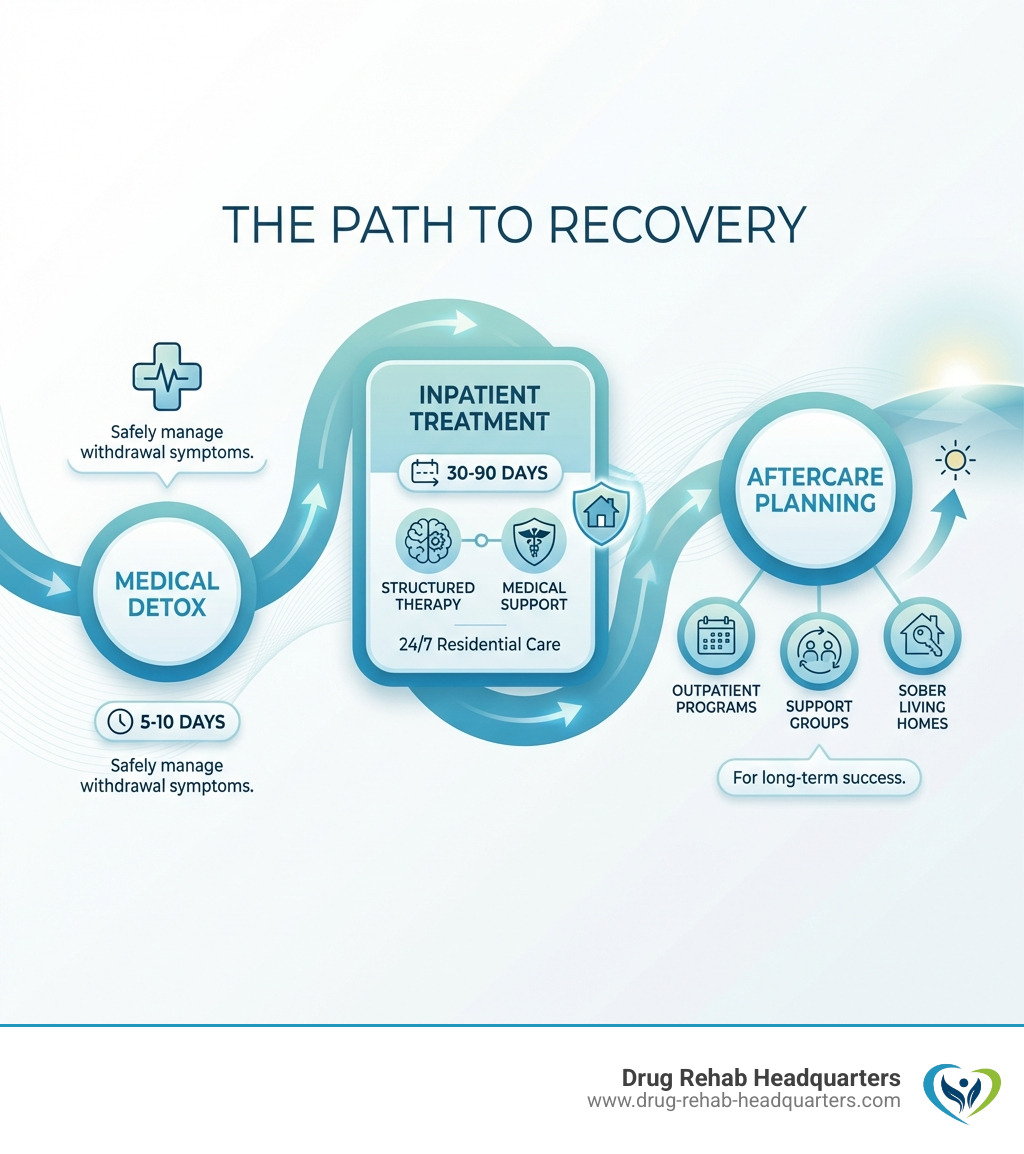
- Comprehensive Treatment – Medical detox (5-10 days), therapy (individual, group, family), and medication-assisted treatment
- Typical Duration – Programs range from 28 to 90 days, with 30 days being the average
- High Success Rates – 50-68% success rate for program completers vs. 35-45% for outpatient treatment
Who Benefits Most:
- Individuals with severe addiction requiring medical detox
- Those with co-occurring mental health disorders
- People in triggering or unstable home environments
- Anyone who has relapsed after outpatient treatment
Seeking help for addiction takes courage. Whether you’ve hit rock bottom or you’re trying to prevent things from getting worse, choosing the right treatment center is a critical first step. The good news? You don’t have to steer this alone.
At Drug Rehab Headquarters, we’ve helped thousands of individuals and families find the right inpatient rehab centers by providing expert guidance, transparent cost information, and personalized recommendations based on each person’s unique situation. This guide will walk you through everything you need to know about inpatient treatment—from what happens on a typical day to how to pay for care—so you can make an informed decision with confidence.
What is Inpatient Rehab and How Does It Work?
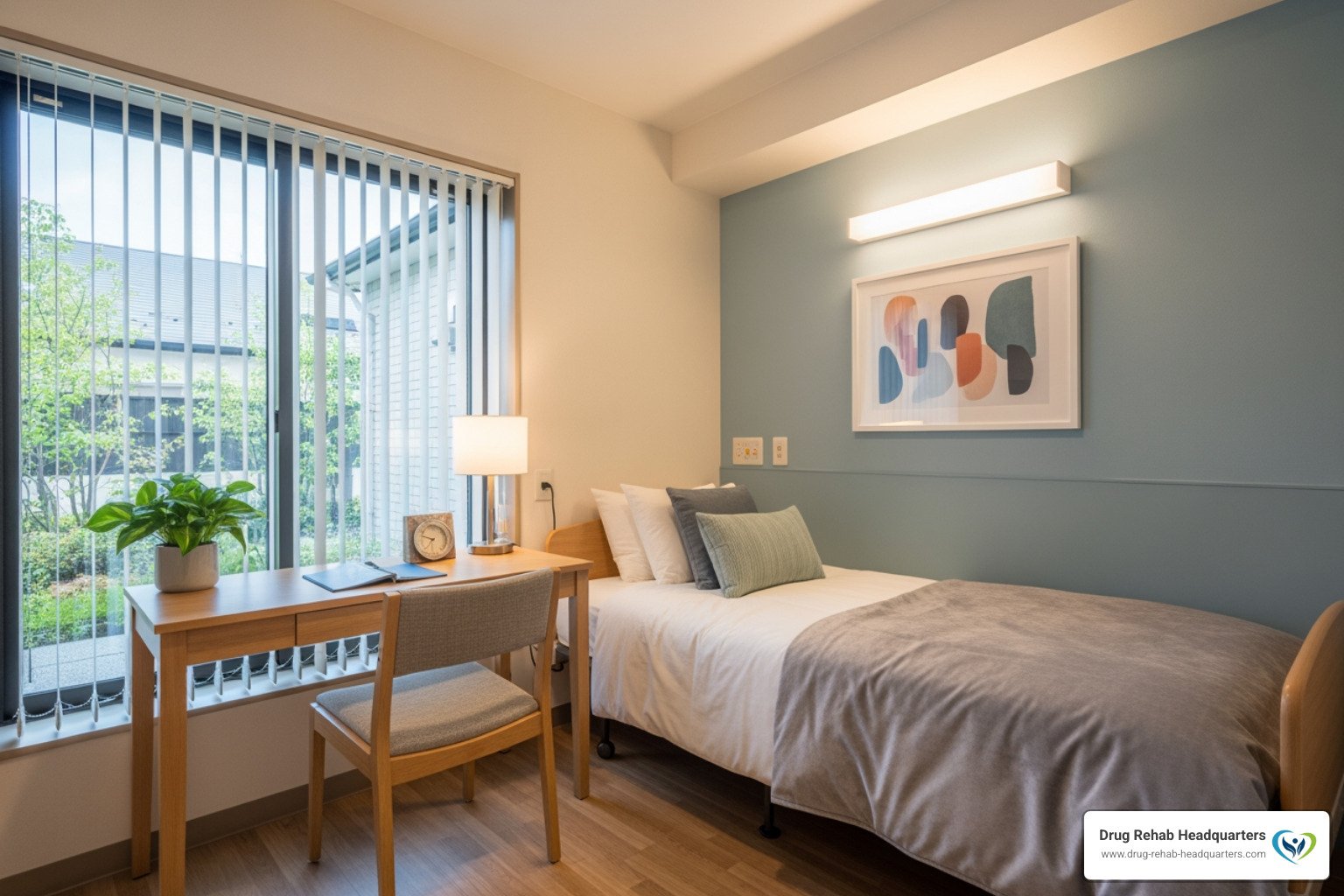
When we talk about inpatient rehab centers, we’re referring to the most intensive level of care for individuals battling substance use disorders. This is where patients reside at a rehabilitation facility 24/7, immersing themselves completely in a supervised and highly structured environment. It’s a chance to step away from daily life, triggers, and the temptations that can make recovery so challenging.
Defining Inpatient vs. Outpatient Treatment
The fundamental difference between inpatient and outpatient treatment lies in the living arrangement and intensity of care.
Inpatient treatment, also known as residential treatment, requires you to live at the facility. This means round-the-clock supervision and access to medical and emotional support. It creates a controlled environment where the focus is solely on healing and recovery, free from external influences that might hinder progress. Think of it as a dedicated recovery retreat, where every aspect of your day is designed to support your journey to sobriety.
On the other hand, outpatient treatment allows individuals to live at home while attending scheduled therapy sessions and appointments at a facility. This model offers more flexibility, enabling people to maintain their work, school, or family responsibilities. While it can be a good option for those with milder substance use disorders or as a step-down from inpatient care, it lacks the immersive, protective environment of a residential program. The choice between flexibility and immersion is crucial, and often depends on the severity of the addiction and the stability of one’s home environment.
The Core Benefits of Choosing an Inpatient Program
Choosing an inpatient rehab center offers a multitude of benefits, particularly for those who need a comprehensive and immersive approach to recovery:
- 24/7 Medical and Emotional Support: In an inpatient setting, medical professionals, counselors, and support staff are always on hand. This is invaluable, especially during the initial detox phase, where medical supervision can safely manage withdrawal symptoms. Beyond detox, constant emotional support helps individuals steer the ups and downs of early recovery.
- Safe, Trigger-Free Setting: One of the most significant advantages is the removal from negative triggers and external influences. By creating a controlled, substance-free environment, inpatient programs allow individuals to focus entirely on their healing without the distractions or temptations of their usual surroundings.
- Peer Community: Living alongside others who are facing similar struggles fosters a powerful sense of community and mutual support. This shared experience can reduce feelings of isolation and provide a strong network for encouragement and accountability.
- Focused Recovery: With daily schedules packed with therapy, education, and wellness activities, inpatient care allows for an intense focus on identifying and addressing the root causes of addiction. This immersion accelerates the healing process.
- Higher Success Rates: Research suggests that inpatient rehab centers generally have higher success rates than outpatient options. Studies show success rates between 50% and 68% for those who complete inpatient treatment, compared to 35% to 45% for outpatient treatment. This is often attributed to the comprehensive, structured, and immersive nature of residential care.
- Comprehensive Care: Inpatient programs offer a holistic approach, integrating various therapies, medical care, and life skills education to treat the whole person—mind, body, and spirit.
Who is the Ideal Candidate for Inpatient Rehab?
While outpatient care works well for many, certain individuals are particularly well-suited for the intensive, structured environment of an inpatient rehab center:
- Severe Substance Use Disorder: If someone is struggling with a long-standing or severe addiction, the 24/7 supervision and medical support of an inpatient program are often essential for safe and effective detoxification and recovery.
- Co-occurring Mental Health Conditions (Dual Diagnosis): Many individuals with substance use disorders also struggle with underlying mental health issues like anxiety, depression, or trauma. Inpatient rehab centers are uniquely equipped to address both conditions simultaneously through integrated treatment plans, which is crucial for long-term sobriety.
- Unstable Home Environment: A home environment filled with triggers, stress, or unsupportive relationships can make recovery nearly impossible. Inpatient care provides a necessary separation from these environments, offering a safe space to heal.
- History of Relapse: For those who have tried to get sober before, especially through less intensive methods, and have relapsed, inpatient treatment offers a higher level of structure and support that can break the cycle.
- Need for Medical Detox: Substances like alcohol, opioids, and benzodiazepines can cause severe, even life-threatening, withdrawal symptoms. Medical detox within an inpatient setting ensures these symptoms are managed safely and comfortably by medical professionals.
A Day in the Life: The Inpatient Treatment Process

Entering an inpatient rehab center might feel like stepping into the unknown, but understanding the typical daily routine can help ease any anxieties. While every facility has its unique rhythm, the core elements are designed to create a structured, healing environment.
The First Stage: Medically Supervised Detoxification
For many, the journey begins with medically supervised detoxification. This critical first stage involves safely removing addictive substances from the body while managing often uncomfortable, and sometimes dangerous, withdrawal symptoms. Our goal during detox is to ensure your safety and comfort, minimizing the risks associated with withdrawal.
Detox typically lasts anywhere from 5 to 10 days, though the exact duration depends on the substance used, the severity of the addiction, and your individual medical condition. Substances such as alcohol, opioids, and benzodiazepines often require careful medical monitoring during detox due to the potential for severe withdrawal symptoms, which can include seizures, delirium, and intense discomfort. As highlighted in the Clinical Guidelines for Withdrawal Management, proper medical oversight is paramount during this vulnerable period. During this phase, medical staff are on hand 24/7 to administer medications that ease symptoms and ensure your well-being.
A Sample Daily Schedule in Rehab
Once detox is complete, or if it wasn’t required, patients transition into the rehabilitation phase, characterized by a structured daily routine designed to promote healing and skill-building. A typical day in an inpatient rehab center might look something like this:
- Mornings: Often begin with a healthy breakfast, followed by mindfulness practices like meditation or light exercise to set a positive tone for the day. Individual therapy sessions might be scheduled, providing a private space to work through personal issues with a dedicated counselor.
- Late Morning/Afternoon: The bulk of the day is usually dedicated to group therapy sessions, educational workshops, and specialized focus groups. These sessions cover topics from understanding addiction as a disease to developing coping mechanisms and relapse prevention strategies. Nutritious meals are served at regular intervals, emphasizing the importance of physical health in recovery.
- Evenings: After dinner, there might be additional support group meetings (like 12-Step programs or SMART Recovery), recreational activities, or opportunities for personal reflection and journaling. Many facilities offer evening lectures or educational programs, ensuring continuous learning.
- Throughout the Day: In addition to structured activities, there’s typically some personal quiet time, allowing for rest, reflection, or engagement in hobbies. The consistent structure, while initially challenging for some, often becomes a source of comfort and stability.
Evidence-Based and Holistic Therapies Offered
Inpatient rehab centers use a blend of evidence-based and holistic therapies to address the multifaceted nature of addiction. Our certified counselors are trained in a variety of modalities to create personalized treatment plans:
- Cognitive Behavioral Therapy (CBT): This therapy helps individuals identify and change negative thought patterns and behaviors that contribute to substance use.
- Dialectical Behavior Therapy (DBT): Often used for co-occurring mental health conditions, DBT focuses on emotional regulation, distress tolerance, and interpersonal effectiveness.
- Motivational Interviewing (MI): This client-centered approach helps individuals explore and resolve their ambivalence about recovery, strengthening their motivation for change.
- Family Therapy: Addiction impacts the entire family system. Family therapy helps mend relationships, improve communication, and educate loved ones on how to support the recovery process effectively.
- Medication-Assisted Treatment (MAT): For certain addictions, such as opioid or alcohol use disorder, FDA-approved medications can be used in conjunction with therapy to reduce cravings and withdrawal symptoms, improving the chances of long-term success.
- Holistic Therapies: Many inpatient rehab centers complement traditional therapies with holistic approaches like yoga, meditation, art therapy, music therapy, equine therapy, and fitness programs. These activities help individuals connect with their inner selves, manage stress, and explore healthier ways to cope.
How to Choose and Pay for Inpatient Rehab Centers
Choosing the right inpatient rehab center is a crucial decision, and understanding the financial aspects can feel overwhelming. But fear not, we’re here to guide you through it, ensuring you find a program that fits both your needs and your budget.
Key Factors for Selecting the Best Inpatient Rehab Centers
When searching for the ideal inpatient rehab center, consider these essential factors:
- Accreditation & Licensing: Always prioritize facilities with high levels of third-party accreditation and proper state licensing. This ensures they meet rigorous standards of care and ethical practices. We can help you verify these credentials.
- Staff Credentials: Inquire about the qualifications and experience of the clinical staff, including doctors, nurses, licensed addiction counselors, and therapists. A multidisciplinary team ensures comprehensive care.
- Treatment Philosophy (Evidence-Based & Holistic): Look for centers that offer evidence-based treatments like CBT, DBT, and MAT, combined with holistic approaches that address your emotional, physical, and spiritual well-being.
- Specialized Programs: Some centers offer specialized tracks for specific needs, such as co-occurring mental health disorders, trauma, LGBTQ+ individuals, veterans, or programs focusing on specific substances. If you have unique needs, a specialized program might be a better fit.
- Aftercare Planning: A good inpatient rehab center doesn’t just focus on your time there; it also prepares you for life after treatment. Comprehensive aftercare planning, including connections to outpatient programs, sober living, and support groups, is vital for long-term sobriety.
- Amenities and Environment: While not the primary concern, the facility’s environment and amenities can contribute to your comfort and healing. Options range from basic, communal settings to luxury accommodations.
Understanding the Costs of Inpatient Rehab Centers
The cost of inpatient rehab centers can vary significantly, ranging from approximately $300 to $800 per day, or between $10,000 to $25,000 for a typical 30-day stay, before any insurance coverage or assistance. This variation depends on the facility’s location, amenities, types of services offered, and the length of the program.
However, many options exist to make treatment affordable:
- Insurance Coverage: Thanks to the Affordable Care Act (ACA) and the Mental Health Parity and Addiction Equity Act, most health insurance plans are required to cover addiction treatment as an essential benefit, often with benefits equivalent to medical treatments. We can help you verify your insurance benefits and find facilities that accept your plan.
- Medicare and Medicaid: These government-funded programs may cover a significant portion of inpatient rehab centers costs, especially for those who qualify.
- Payment Plans and Sliding Scales: Many facilities offer in-house financing, payment plans, or sliding scale fees based on your income.
- Grants and Scholarships: Some treatment centers and non-profit organizations provide grants or scholarships to help cover treatment costs.
Finding a Program That Fits Your Needs
Navigating the options can be daunting, but you don’t have to do it alone. This is where we come in. At Drug Rehab Headquarters, we offer 24/7 free support from certified counselors, many with lived experience. We provide personalized guidance to help you find suitable, evidence-based, and holistic treatment options across North America. Our counselors can help you narrow down your search based on your specific needs, location, and budget.
Ready to explore your options? Explore personalized inpatient drug rehab options with our expert guidance.
Life After Rehab: Building a Foundation for Lasting Sobriety
Completing an inpatient rehab center program is a monumental achievement, but recovery is a lifelong journey, not a destination. The work doesn’t end when you leave the facility; it transforms. Think of inpatient treatment as building a strong foundation, and aftercare as constructing the house of your sober life.
The Importance of Aftercare and Step-Down Programs
A crucial component of successful, long-term recovery is a robust aftercare plan. This continuum of care ensures you have ongoing support and strategies for relapse prevention as you reintegrate into daily life. Aftercare typically involves:
- Step-Down Levels of Care: Many individuals transition from intensive inpatient care to less restrictive programs, such as Partial Hospitalization Programs (PHP) or Intensive Outpatient Programs (IOP). These programs offer continued therapy and support while allowing you to live at home.
- Sober Living Support: Sober living homes or halfway houses provide a supportive, substance-free environment for individuals transitioning from residential treatment. They offer structure, accountability, and a sense of community as you practice your newly acquired coping skills.
- Relapse Prevention: Aftercare plans are designed to equip you with tools and strategies to recognize and manage triggers, cope with cravings, and steer high-risk situations without returning to substance use.
Creating a Strong, Long-Term Support Network
No one achieves lasting sobriety alone. Building and maintaining a strong support network is paramount.
- Support Groups: Peer-led groups like Alcoholics Anonymous (AA), Narcotics Anonymous (NA), and SMART Recovery are invaluable resources. Research shows that participating in these groups significantly improves the likelihood of lasting sobriety. They offer a sense of belonging, shared experience, and practical advice.
- Alumni Programs: Many inpatient rehab centers offer alumni programs, creating a community of individuals who have completed treatment at the same facility. These programs provide ongoing peer support, events, and a connection to the treatment center.
- Ongoing Counseling: Continuing individual or group therapy after inpatient treatment can provide consistent support, help you process new challenges, and reinforce healthy coping mechanisms.
- Family Support: Family involvement isn’t just for during treatment; it’s vital for aftercare too. Continued family therapy or support groups for loved ones (like Al-Anon or Nar-Anon) can help mend relationships, improve communication, and ensure a supportive home environment.
Frequently Asked Questions about Inpatient Rehab
We understand you likely have many questions about what to expect. Here are answers to some of the most common inquiries we receive about inpatient rehab centers:
Can I use my phone or have visitors in rehab?
Policies regarding phone use and visitors vary significantly between inpatient rehab centers. Most facilities limit phone use, especially in the initial stages of treatment, to help clients minimize outside distractions and fully focus on their recovery. This might mean designated phone times or limited access to personal devices.
Similarly, visitation policies differ. Some programs encourage regular family involvement through scheduled visits and family therapy sessions, recognizing the crucial role loved ones play in recovery. Others may have more restricted visitation, particularly early in treatment, to allow for deeper immersion in the healing process. We recommend checking with the specific inpatient rehab center about their communication and visitation rules.
How long does inpatient rehab usually last?
The typical length of stay in an inpatient rehab center is 30 days. However, programs can range anywhere from 3 to 12 weeks, with common durations including 28, 60, or 90 days. The ideal length of treatment is highly individualized and depends on several factors:
- Individual Need: The severity of your addiction, the presence of co-occurring mental health conditions, and your response to treatment will all influence the recommended duration.
- Medical Necessity: Your medical team will assess your progress and determine the most beneficial length of stay for your long-term recovery.
- Insurance Coverage: Your insurance plan may have limitations on the length of covered treatment.
- Better Outcomes with Longer Stays: Research consistently shows that longer inpatient programs, such as those lasting 60 to 90 days, are often linked to higher success rates and a better chance of lasting sobriety. This extra time allows individuals to strengthen sobriety skills, address underlying issues, and adjust to life without substances more thoroughly.
Is treatment voluntary? Can I leave if I want to?
Yes, addiction treatment in inpatient rehab centers is generally voluntary. You have the right to leave the program at any time if you choose to do so. However, leaving before completing your recommended program, often referred to as leaving “Against Medical Advice” (AMA), carries significant risks.
While it’s your choice to leave, we strongly advise against it. Staff at the facility will discuss the potential risks and alternatives if you’re considering leaving early. Completing the full program, as recommended by your treatment team, is crucial for building a strong foundation for recovery and significantly improving your chances of long-term sobriety. Leaving prematurely can hinder your progress and increase the risk of relapse.
Start Your Recovery Journey Today
Taking the first step toward recovery is a brave and powerful act. It’s a sign of immense strength, and we want you to know that recovery is absolutely possible.
At Drug Rehab Headquarters, we’re dedicated to being your partner on this journey. We offer 24/7 free support from certified counselors, many with lived experience, who understand what you’re going through. We provide personalized guidance to help you steer the options and find suitable, evidence-based, holistic treatment options across North America.
Don’t let uncertainty hold you back. Let us help you find the right support. Connect with a counselor to find the right inpatient rehab center for you and take that courageous next step towards a healthier, happier life.