The Growing Crisis of Stimulant Use Disorder
Stimulant addiction treatment is becoming increasingly critical as overdose deaths involving stimulants like methamphetamine and cocaine continue to rise across the United States. In 2022 alone, 35,000 people died from stimulant overdoses, and approximately 35 million people worldwide met the criteria for stimulant use disorder. The good news? Effective treatment exists, and recovery is possible.
Quick Answer: What Are the Main Treatment Options for Stimulant Addiction?
- Behavioral Therapies (most effective): Contingency Management, Cognitive Behavioral Therapy (CBT), Motivational Interviewing
- Treatment Settings: Inpatient/residential programs, outpatient programs, intensive outpatient (IOP)
- Supportive Care: Mental health counseling, peer support groups, case management
- Medical Supervision: Withdrawal management (detox), treatment of co-occurring conditions
- No FDA-approved medications currently exist specifically for stimulant use disorder, though research is ongoing
Unlike opioid or alcohol addiction, there are currently no FDA-approved medications specifically for treating stimulant use disorder. This makes behavioral therapies the cornerstone of effective treatment. Research consistently shows that approaches like Contingency Management and Cognitive Behavioral Therapy can help people reduce or stop their stimulant use and rebuild their lives.
The path to recovery often begins with a single decision—the decision to seek help. Whether you’re struggling with cocaine, methamphetamine, or prescription stimulant misuse, treatment programs can provide the structure, support, and skills needed to break free from addiction.
At Drug Rehab Headquarters, we’ve helped thousands of individuals and families steer the complex landscape of stimulant addiction treatment, connecting them with evidence-based programs that match their unique needs and circumstances. Our mission is to make finding the right stimulant addiction treatment as simple and stress-free as possible during what we know is an overwhelming time.
Understanding Stimulant Use Disorder: Signs, Risks, and Brain Effects
Stimulants are a class of drugs that increase central nervous system activity, leading to greater alertness, attention, and energy. While some, like Adderall, are prescribed for conditions like ADHD, others, such as cocaine and methamphetamine, are illicit. All stimulants carry a significant risk of misuse and the potential for developing a stimulant use disorder.
What are Stimulants?
- Cocaine: An illicit stimulant from the coca plant, often snorted, smoked (as crack), or injected.
- Methamphetamine: A highly addictive illicit stimulant that can be smoked, snorted, injected, or taken orally, leading to rapid and severe addiction.
- Prescription Stimulants: Amphetamines (e.g., Adderall) and methylphenidate (e.g., Ritalin) are prescribed for conditions like ADHD but have a high potential for abuse. Non-medical use is a growing concern, especially among young adults.
How Stimulants Work
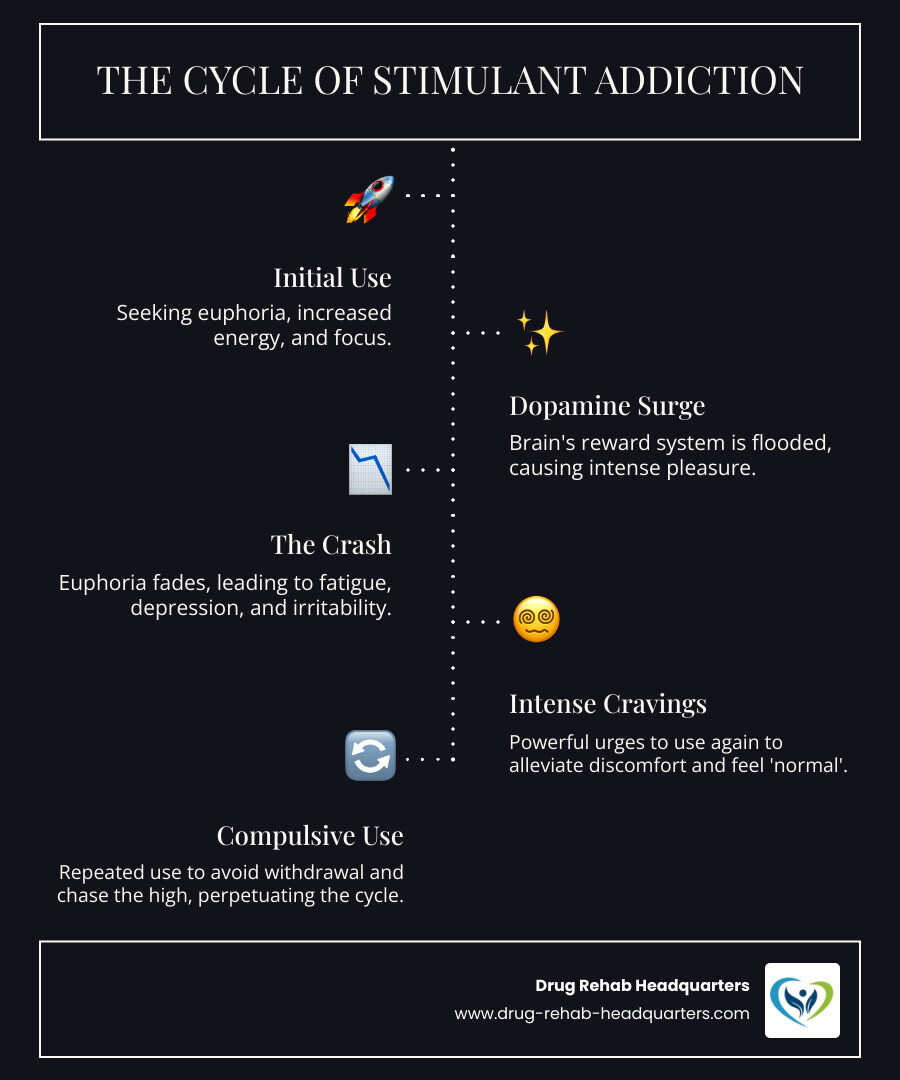
Stimulants significantly increase levels of dopamine and norepinephrine in the brain. Dopamine, the “feel-good” chemical, is crucial to the brain’s reward system. The intense dopamine surge from stimulants produces euphoria and reinforces drug-taking behavior, contributing to the rapid development of addiction. Norepinephrine affects heart rate, blood pressure, and breathing, explaining many of the drug’s physical effects.
Short-Term Effects
Immediately after use, individuals often experience:
- Increased alertness and energy
- Euphoria and lifted mood
- Decreased appetite
- Increased heart rate and blood pressure
Long-Term Risks
The long-term misuse of stimulants can have devastating health consequences:
- Cardiovascular Damage: Chronic use can lead to hypertension, irregular heartbeats, heart attack, and stroke.
- Psychological Effects: Users may experience severe anxiety, paranoia, hallucinations, and stimulant-induced psychosis. Depression is also common, especially during withdrawal.
- Dental and Nutritional Issues: Methamphetamine is notorious for causing severe dental decay (“meth mouth”) and significant weight loss.
- Neurological Changes: Prolonged use can alter brain structure and function, impairing memory, decision-making, and impulse control.
Polysubstance Use Complications
Using stimulants with other substances is extremely common and dramatically increases health risks. In 2022, over 71% of overdoses in many states involved a combination of an opioid and a stimulant.
- Stimulants + Opioids (e.g., Fentanyl): This combination masks the effects of each drug, leading to accidental overdose and respiratory depression. The rise of fentanyl in the illicit drug supply makes this particularly deadly.
- Stimulants + Alcohol: This pairing strains the cardiovascular system. Stimulants can mask alcohol’s intoxicating effects, leading to overconsumption and alcohol poisoning.
- Stimulants + Benzodiazepines: Combining stimulants with depressants to “come down” can cause dangerous central nervous system depression and overdose.
Common Signs and Diagnostic Criteria
Recognizing the signs of a stimulant use disorder is the first step toward getting help. According to the DSM-5, a diagnosis is made if a person’s stimulant use leads to significant impairment, shown by at least two specific symptoms over 12 months. Key signs include:
- Using more of the stimulant or for longer than intended.
- Unsuccessful efforts to cut down or stop use.
- Spending a great deal of time obtaining, using, or recovering from the drug.
- Intense cravings.
- Neglecting major responsibilities at work, school, or home.
- Continued use despite social or interpersonal problems.
- Developing tolerance (needing more for the same effect) and experiencing withdrawal.
Common signs that may indicate a stimulant addiction include:
- Physical Signs: Dilated pupils, rapid heart rate, weight loss, dental problems, nosebleeds, skin sores.
- Behavioral Signs: Increased talkativeness, hyperactivity, insomnia, secretive behavior, financial problems, irritability.
- Psychological Signs: Paranoia, anxiety, depression, hallucinations, mood swings, intense cravings.
If you recognize these signs in yourself or a loved one, it’s crucial to seek professional help. We can connect you with compassionate experts who can offer guidance and support.
Evidence-Based Behavioral Therapies: The Cornerstone of Treatment
Given the current lack of FDA-approved medications specifically for stimulant addiction treatment, behavioral therapies are the most effective and crucial component of recovery. These psychosocial interventions address the underlying thoughts, feelings, and behaviors associated with stimulant use, equipping individuals with essential coping skills for long-term sobriety.

The American Society of Addiction Medicine (ASAM) and American Academy of Addiction Psychiatry (AAAP) emphasize the importance of evidence-based strategies in their clinical practice guideline. You can find comprehensive information on their recommendations here: The ASAM/AAAP Clinical Practice Guideline on the Management of Stimulant Use Disorder.
Here are some of the primary behavioral and counseling-based treatments we rely on:
- Cognitive Behavioral Therapy (CBT): CBT helps individuals identify and change unhelpful thought patterns and behaviors linked to stimulant use. It teaches practical skills to cope with cravings, manage stress, and steer high-risk situations.
- Contingency Management (CM): Consistently ranked as one of the most effective treatments, CM uses motivational incentives (vouchers, prizes) to reinforce positive behaviors like abstinence. This tangible reward system helps motivate and sustain recovery.
- Motivational Interviewing (MI): This client-centered counseling style helps individuals resolve their ambivalence about changing their stimulant use. The counselor helps the person articulate their own reasons for change, moving them from contemplation to action.
- Community Reinforcement Approach (CRA): This comprehensive approach aims to make a sober lifestyle more rewarding than stimulant use by modifying environmental factors and increasing positive, drug-free activities.
- The Matrix Model: Developed for stimulant users, this model combines CBT, relapse prevention, family education, and 12-step facilitation in a structured, intensive outpatient program.
The Role of Mental Health Counseling in Stimulant Addiction Treatment
It’s common for individuals with stimulant use disorder to have co-occurring mental health conditions like depression, anxiety, or PTSD (a “dual diagnosis”). Addressing both conditions simultaneously is crucial for successful recovery.
Mental health counseling is vital for:
- Addressing Underlying Issues: Counseling helps uncover and treat root causes of addiction, such as self-medicating for untreated mental health challenges.
- Managing Symptoms: Therapists teach strategies to manage symptoms of depression, anxiety, or psychosis without relying on stimulants.
- Integrated Treatment: The most effective approach is integrated treatment, where the same team of professionals treats both the substance use and mental health disorders.
- Therapeutic Modalities:
- Individual Therapy: Provides a confidential space to explore personal issues and develop coping skills.
- Group Therapy: Offers peer support and reduces feelings of isolation.
- Family Therapy: Helps repair damaged relationships and educates family on how to support recovery.
Our certified counselors often have lived experience, providing a unique blend of professional expertise and genuine empathy. They understand the challenges of dual diagnosis and can guide you toward integrated treatment programs custom to your needs.
The Search for Medications in Stimulant Addiction Treatment
One of the most significant challenges in stimulant addiction treatment is the absence of FDA-approved medications specifically designed to treat stimulant use disorder. This is a stark contrast to opioid and alcohol use disorders, where several effective pharmacotherapies are available.
Despite this, the scientific community is actively searching for medications to aid in recovery. Understanding the neurobiology of stimulant dependence has allowed researchers to identify potential pharmacological targets. For a detailed look at this research, you can refer to: The Search for Medications to Treat Stimulant Dependence.
Ongoing Research and Challenges in Development
The development of medications for stimulant use disorder is difficult due to the complex neurobiology of addiction, high relapse rates, and historically rigid regulatory expectations. However, recent FDA guidance acknowledging that measures other than complete abstinence can demonstrate clinical benefit may encourage more research.
Investigational Approaches and Future Directions
Research is ongoing, and several promising avenues are being explored to ease withdrawal, reduce cravings, and block the drug’s euphoric effects. Here’s an overview of some medications being investigated for stimulant addiction treatment:
- Modafinil: A wakefulness-promoting agent that may reduce withdrawal symptoms and blunt cocaine’s euphoric effects. Trials show it can improve abstinence in some patients, but efficacy is inconsistent.
- Bupropion: An antidepressant that may ease withdrawal-related mood symptoms and reduce cravings, particularly for less intensive methamphetamine users.
- Propranolol: A beta-blocker investigated for reducing anxiety and cravings during cocaine withdrawal. It can help manage severe symptoms and improve treatment retention.
- GABAergic Medications (e.g., Topiramate): These drugs aim to counteract the dopamine surge from stimulants. Pilot trials show some promise in reducing cocaine use, but side effects like sedation are common.
- Disulfiram: Known for treating alcohol dependence, it creates an unpleasant reaction when combined with cocaine, acting as a deterrent. Studies show it can reduce cocaine use, but adherence can be an issue.
- Monoclonal Antibodies and Vaccines: Novel immunotherapies in early development that aim to prevent stimulants from reaching the brain and causing euphoria. Early trials show good safety.
- Psilocybin: Early trials are exploring psilocybin’s potential to reset neural pathways and reduce cravings, based on its success with other substance use disorders. It requires highly structured, therapist-assisted sessions.
While these investigational treatments offer hope, it’s crucial to remember that behavioral therapies remain the most effective and established standard for stimulant addiction treatment today. We advocate for a comprehensive approach that integrates the best available behavioral therapies with supportive care, while keeping an eye on advancements in pharmacotherapy.
Levels of Care: Finding the Right Treatment Setting
Choosing the right treatment setting is a crucial step in the recovery journey. The ideal level of care depends on the severity of the addiction, the presence of co-occurring conditions, and individual circumstances.
Withdrawal Management (Detox)
The first step is often detox, which safely manages withdrawal symptoms. Stimulant withdrawal involves a “crash” with intense fatigue, severe depression, and powerful cravings. While not typically life-threatening, the psychological distress makes medical supervision highly recommended to ensure safety and comfort. It’s vital to understand that detox only addresses physical dependence and must be followed by ongoing treatment.
Inpatient/Residential Rehab
Inpatient rehab offers the most intensive, structured environment for stimulant addiction treatment. Patients live at the facility, receiving 24/7 care and therapy, removed from daily triggers. Stays typically range from 30 to 90 days and are ideal for severe cases or those with co-occurring disorders. We partner with premier residential treatment centers across the country.
Outpatient Programs
Outpatient programs offer flexibility, allowing individuals to live at home while attending treatment.
- Intensive Outpatient (IOP) & Partial Hospitalization (PHP): These provide structured therapy for several hours, multiple days a week, while allowing for work or school commitments. PHP is more intensive than IOP.
- Flexibility: Outpatient is suitable for those with a strong support system or as a step-down from inpatient care. It can also serve as aftercare, providing ongoing support.
Here’s a quick comparison of inpatient vs. outpatient treatment:
| Feature | Inpatient/Residential Treatment | Outpatient Treatment |
|---|---|---|
| Living Situation | Reside at facility | Live at home or sober living |
| Supervision | 24/7 medical and therapeutic supervision | Scheduled therapy sessions; no overnight supervision |
| Intensity | High; structured daily schedule | Moderate to high (IOP/PHP); allows for external commitments |
| Environment | Drug-free, removed from triggers | Exposure to daily life stressors; requires strong coping skills |
| Duration | Typically 30-90 days, can be longer | Varies; can be long-term, often used as step-down care |
| Cost | Generally higher | Generally lower |
| Suitability | Severe addiction, dual diagnosis, unstable home environment | Less severe addiction, strong support, work/school commitments |
Supportive Approaches for Long-Term Recovery
Recovery is a long-term process. Beyond formal treatment, a variety of supportive approaches are essential for maintaining sobriety.
- Peer Support Groups: Groups like Narcotics Anonymous (NA), Cocaine Anonymous (CA), and SMART Recovery provide invaluable community and mutual support.
- Holistic Therapies: Yoga, meditation, exercise, and nutrition help manage stress, improve mood, and support overall well-being.
- Building a Sober Support Network: Connecting with sober friends, family, and mentors is critical for navigating challenges.
- Relapse Prevention Planning: This involves identifying personal triggers, developing coping strategies, and having a clear plan for high-risk situations.
- Case Management: Many programs offer practical support for housing, employment, and other life challenges to reduce stress and improve long-term outcomes.
We believe in a comprehensive approach that integrates these supportive elements into a personalized recovery plan, helping individuals not just stop using, but thrive.
Frequently Asked Questions about Stimulant Addiction Treatment
We understand you have questions, and we’re here to provide clear, compassionate answers based on our expertise and the latest research.
How long does stimulant addiction treatment last?
The duration of stimulant addiction treatment varies significantly from person to person, as recovery is a highly individualized journey. While some programs offer 30, 60, or 90-day residential stays, many individuals benefit from a longer continuum of care. This might involve transitioning from inpatient to intensive outpatient (IOP) or partial hospitalization (PHP) programs, followed by ongoing therapy, support groups, and aftercare planning. The goal is not just to stop using, but to build a sustainable, sober lifestyle, which can take time and consistent effort.
What is stimulant withdrawal like?
Stimulant withdrawal, often referred to as the “crash” phase, can be incredibly challenging and uncomfortable. It typically begins shortly after the last dose and can last from several days to a few weeks, depending on the type of stimulant, the duration and amount of use, and individual physiology. Common symptoms include:
- Intense Fatigue: Profound exhaustion and a strong desire to sleep.
- Depression: Severe low mood, anhedonia (inability to experience pleasure), and sometimes suicidal thoughts.
- Intense Cravings: Powerful urges to use stimulants again.
- Anxiety and Agitation: Feelings of restlessness, nervousness, and irritability.
- Sleep Disturbances: Difficulty falling asleep or staying asleep, vivid nightmares.
- Increased Appetite: A rebound hunger as the stimulant’s appetite-suppressing effects wear off.
While stimulant withdrawal is generally not life-threatening, the severe psychological symptoms, especially depression and suicidal ideation, make medically supervised detox highly recommended. This ensures safety, manages discomfort, and provides emotional support during this critical initial phase.
Can you recover from stimulant addiction?
Yes, absolutely. Recovery from stimulant addiction is not only possible but achieved by countless individuals every day. While addiction is recognized as a chronic disease, much like diabetes or asthma, it can be successfully managed. It requires ongoing effort, commitment, and often, long-term support.
It’s also important to understand that relapse can be a part of the recovery process for some. A relapse does not mean failure; it’s an opportunity to learn, adjust the treatment plan, and recommit to sobriety. With the right tools, support, and a personalized treatment approach, sustainable long-term recovery is a very real and achievable goal. Our team at Drug Rehab Headquarters is dedicated to helping you find the path that leads to lasting sobriety.
Conclusion
The rising tide of stimulant use disorder is a major public health challenge, but effective stimulant addiction treatment offers abundant hope for recovery. While research for medications continues, the current landscape of behavioral therapies provides proven pathways to sobriety. From inpatient programs to flexible outpatient care and peer support groups, a personalized, holistic approach is key to success. Addressing co-occurring mental health conditions is also vital for lasting healing.
Recovery is a journey of courage and resilience. We are here to walk alongside you, offering 24/7 free support from certified counselors, many with lived experience. We understand the complexities of stimulant addiction and are dedicated to connecting you with evidence-based treatment options across North America.
If you or a loved one are seeking help for stimulant addiction, please don’t hesitate. Take the first step towards a healthier, brighter future.